A New Era of Global Connectivity: How Subscription-Based eSIM Technology is Reshaping International Travel


The landscape of international telecommunications is undergoing a significant transformation as the traditional reliance on physical SIM cards and fragmented regional roaming packages gives way to integrated, subscription-based eSIM solutions. For decades, the mobile connectivity market for travelers was defined by high costs, logistical friction, and the constant need to procure local hardware upon arrival in a new country. However, the introduction of universal, subscription-based eSIM plans—such as those recently launched by companies like Holafly—marks a departure from the "per-trip" model toward a permanent, borderless utility.
An eSIM, or embedded SIM, is a digital chip integrated directly into the hardware of modern smartphones. Unlike its physical counterpart, which requires physical insertion into a device’s SIM tray, an eSIM is managed entirely through software. This technological shift allows users to store multiple cellular profiles on a single device, enabling instantaneous switching between carriers without the risk of losing or damaging a plastic card. The transition to this model represents a pivot in how the telecommunications industry services the growing demographic of digital nomads, business travelers, and long-term expatriates.
The Chronology of Mobile Connectivity
The evolution of travel connectivity can be segmented into three distinct phases. In the early 2000s, travelers were largely dependent on "roaming" agreements between their home carrier and foreign providers, often resulting in exorbitant daily fees. By the 2010s, the market shifted toward local SIM cards—physical cards purchased at kiosks in airports or city centers. While cost-effective, this approach introduced significant security risks and logistical hurdles, including the need to unlock handsets and maintain physical possession of multiple small cards.

The current phase, which began to gain traction around 2018 with the widespread adoption of eSIM-capable handsets like the iPhone XS and Google Pixel 3, has focused on digital convenience. Initially, this took the form of single-use, country-specific digital plans. The most recent development, however, is the "global subscription" model. This allows for a continuous, ongoing connection that follows the user across borders, eliminating the need to re-authenticate or re-purchase data packages when moving from one country to another.
Market Analysis and Cost Comparison
The economic implications of this transition are substantial. Traditional roaming add-ons provided by major domestic carriers in the United States, for example, often charge upwards of $10 per day, leading to monthly costs that can exceed $300 for a frequent traveler. In contrast, emerging subscription-based eSIM platforms offer unlimited or high-volume data packages at a fixed monthly rate, typically ranging between $50 and $70.
A comparative analysis of market offerings indicates that subscription models significantly reduce the cost-per-gigabyte for international users. While a standard 10GB regional eSIM might cost $30 for a two-week window, a monthly subscription model provides a continuous data stream that remains active regardless of the user’s geographic coordinates. Furthermore, the inclusion of "always-on" backup data—a feature that provides a small, perpetual allowance of connectivity—ensures that users remain reachable even if their subscription is paused or if they experience a lapse in coverage.
Technological Implications and User Experience
The shift toward subscription-based connectivity addresses several pain points long identified by consumer advocacy groups. These include the "zero-hassle" requirement: users set up their profile once via a QR code or app-based installation, and the device automatically negotiates with local cell towers to maintain a signal. This is achieved through multi-carrier agreements where the eSIM provider maintains partnerships with local network operators across more than 160 countries.
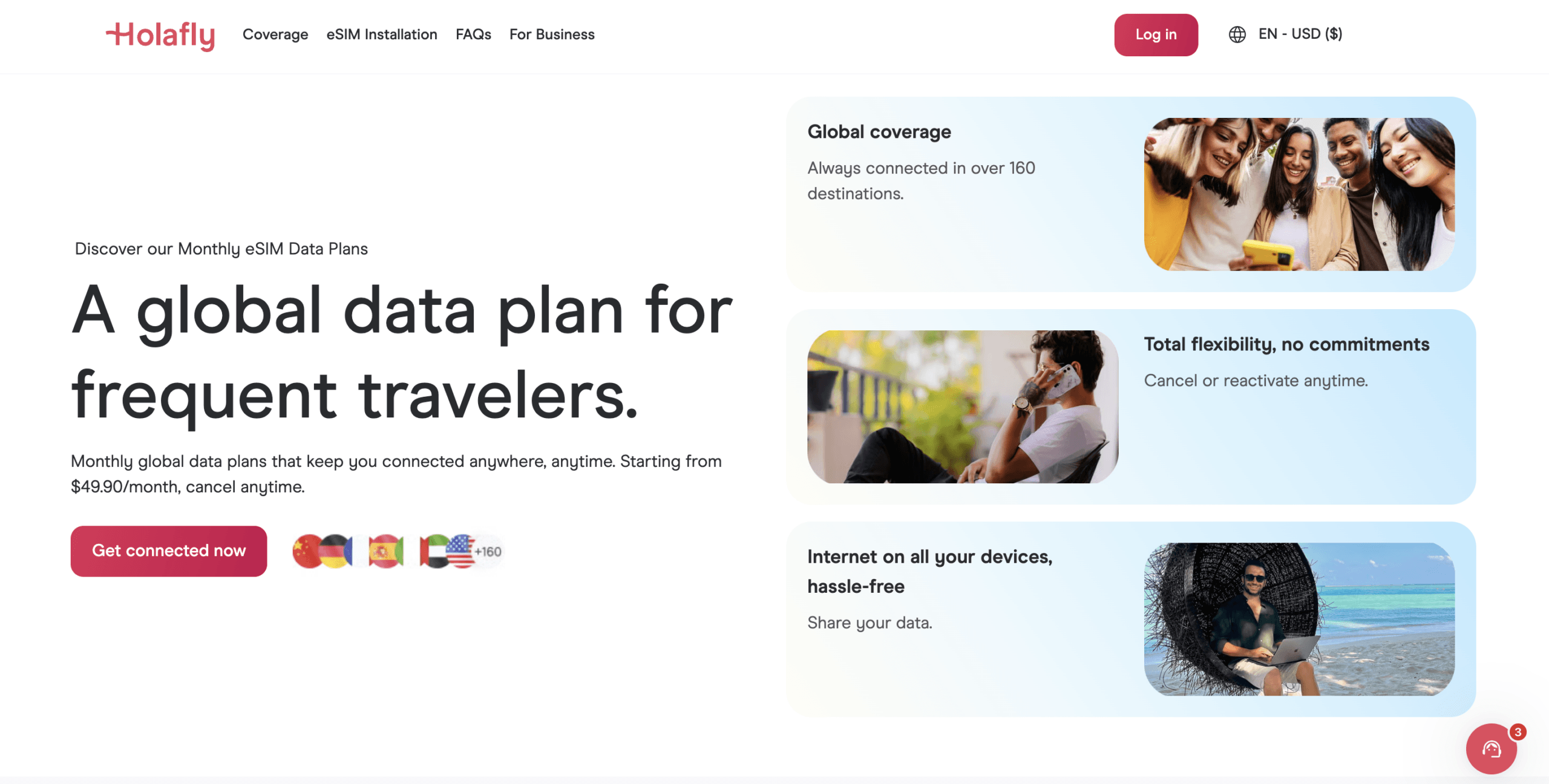
From a technical perspective, the ability to tether—or "hotspot"—is a critical feature for the modern professional. While many traditional roaming plans restrict the use of mobile data for laptop tethering or throttle speeds after a certain threshold, the newer generation of unlimited subscription plans often provides unthrottled data. This reflects an industry recognition that travel is no longer strictly leisure-oriented; it is increasingly a professional activity requiring the same bandwidth capacity as a home or office environment.
Official Perspectives and Industry Response
While major legacy carriers have been slow to abandon the daily roaming fee model, industry analysts suggest that the rise of independent eSIM providers is forcing a re-evaluation of international billing structures. In recent statements, representatives from various eSIM platforms have emphasized that their goal is to provide a "home-like" experience for travelers. By offering local phone numbers—typically based in the US, UK, or Canada—these services allow users to receive essential two-factor authentication codes and SMS messages that were previously inaccessible via data-only SIMs.
The integration of 24/7 customer support remains a pillar of this service model. Given the complexities of cross-border cellular switching, the ability to resolve configuration issues in real-time has become a competitive differentiator. Unlike local SIM providers, who may not offer support to foreign nationals, these global platforms maintain centralized service desks capable of troubleshooting hardware-specific issues remotely.
Broader Impact on International Mobility
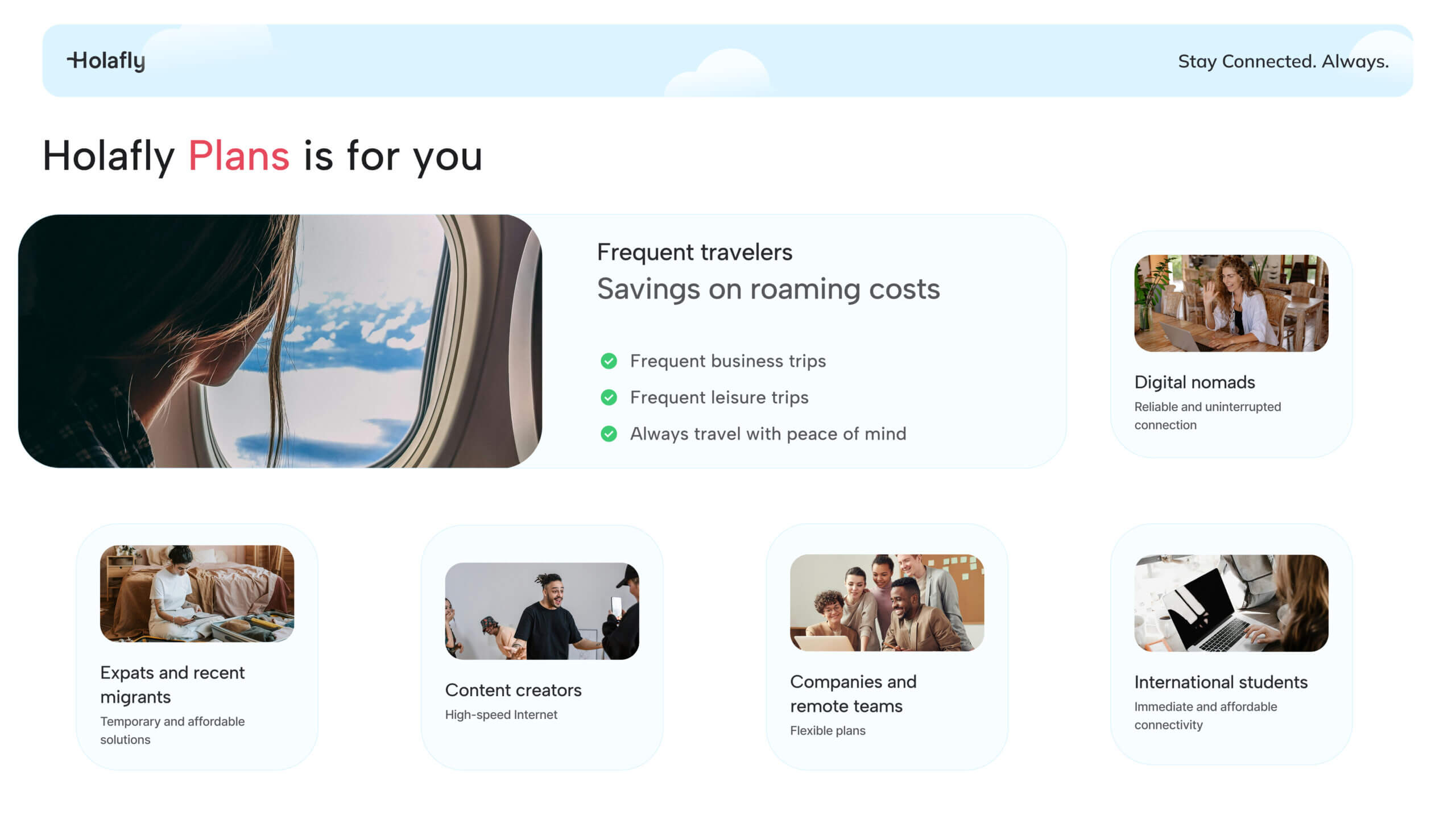
The widespread availability of affordable, constant connectivity is expected to have a secondary effect on global mobility. As remote work becomes a permanent fixture of the global economy, the ease of maintaining a professional-grade internet connection facilitates longer stays in foreign countries. This, in turn, influences tourism infrastructure, as destinations compete to attract remote workers who require high-speed digital connectivity.
The environmental impact of this shift is also noteworthy. The transition from physical plastic cards to digital-only infrastructure reduces the global reliance on plastic manufacturing and the logistical carbon footprint associated with distributing physical SIM cards to global retail points. As governments move toward more digital-first infrastructure, the reliance on eSIMs is expected to become the industry standard for both domestic and international telecommunications.
Future Projections
Looking forward, the integration of artificial intelligence into these platforms is the next frontier. Potential applications include predictive network selection—where the phone automatically selects the carrier with the strongest signal at the current location—and automated budget management, where the system suggests plan adjustments based on usage patterns.
Furthermore, as 5G infrastructure expands into developing markets, the value proposition of these subscription plans will likely increase. Currently, coverage is extensive, but speed consistency remains a variable dependent on local infrastructure. As the "Internet of Things" (IoT) continues to grow, it is plausible that these subscription models will eventually extend beyond smartphones to wearable devices, laptops, and travel-specific hardware, creating a seamless ecosystem of connectivity that is no longer tethered to a single country or a single physical device.
Conclusion
The maturation of the eSIM market into a subscription-based utility represents the most significant change in mobile connectivity since the launch of the roaming model. By prioritizing the user experience, reducing the financial barrier to international data, and offering a permanent solution for the modern traveler, these services have effectively commoditized global connectivity. While traditional, destination-specific eSIMs remain a viable choice for the occasional vacationer, the subscription model has become the definitive choice for the professional class of travelers who require, above all else, reliability and ease of use in an increasingly connected world. As this technology continues to scale, it will likely render the old-fashioned "travel SIM" obsolete, replacing it with a singular, digital identity that functions seamlessly across every border.