The summer movie season of 2026 has concluded with a headline-grabbing statistic: North American theaters generated a staggering $4.765 billion between May 1 and Labor Day. By traditional industry metrics, this figure represents a historic achievement, narrowly eclipsing the previous all-time record set in 2013 by $9.3 million. Yet, beneath the veneer of this financial triumph lies a complex narrative of structural shifts within the entertainment industry. While the box office totals reached record heights, the volume of ticket sales—the lifeblood of cinema—tells a far different story. Industry data reveals that approximately 249 million fewer tickets were sold through mid-August compared to the same period in 2019, suggesting that Hollywood is effectively generating more revenue from a smaller, more affluent, and increasingly selective audience.
This disconnect between record-breaking revenue and diminished attendance highlights a fundamental evolution in the post-pandemic business model. The cinematic landscape has transitioned from a volume-based economy—where the goal was to maximize theater occupancy—to a premium-experience model, where profitability is driven by higher ticket prices, luxury amenities, and the successful marketing of "event" films that demand a theatrical presence.
A Chronology of the 2026 Summer Season
The 2026 season was characterized by an extended duration, spanning 130 days, which provided studios with a critical extra week of exhibition time compared to the 2013 record-setting window. This tactical extension allowed for a more robust rollout of tentpole features.
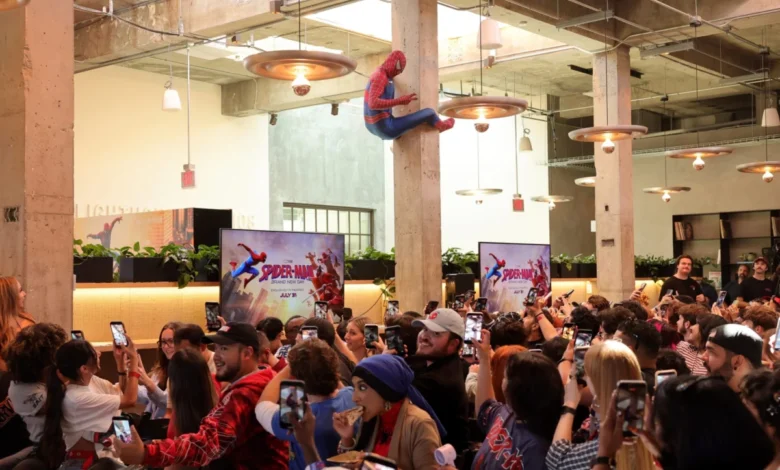
The summer began with high expectations, fueled by a slate of films designed to lure audiences back into auditoriums. By mid-May, the box office showed signs of steady momentum. The release of major titles, including the latest installment of the Spider-Man franchise and the high-concept, high-budget epic The Odyssey, served as the primary engines for growth. These two films alone accounted for nearly one-third of the total summer box office, underscoring the industry’s increasing reliance on a handful of massive blockbusters to sustain the quarterly bottom line.
As the season progressed through June and July, the disparity between performance-driven revenue and pure attendance volume became more pronounced. While the Memorial Day weekend saw a notable success in the film Obsession, other highly anticipated projects, such as The Mandalorian and Grogu, underperformed against internal studio expectations. Despite these fluctuations, the cumulative revenue continued to climb, driven by the strategic deployment of premium large-format (PLF) screens and price adjustments at major chains.
The Economics of the Premium Shift
The shift toward a premium-focused model is evident in the financial disclosures of major exhibitors. Cinemark, a leader in the domestic exhibition market, reported that its premium large-format screenings generated nearly 15% of its worldwide box office revenue in the second quarter, despite these formats representing only 6% of its total auditorium capacity. This efficiency is mirrored in their investment in technology; sales of D-BOX motion-enhanced seating climbed more than 50% year-over-year, setting a new quarterly record for the company.
Pricing strategies have also been recalibrated. Cinemark’s average U.S. ticket price saw a 4.2% increase to $10.83 during the second quarter. When combined with a 4.3% increase in per-patron concession spending—which reached $8.70—the average moviegoer now spends approximately $19.53 per visit. This trend suggests that theaters are successfully positioning themselves as high-end leisure destinations rather than commodity entertainment venues.
AMC Entertainment has followed a parallel trajectory. Following a record-breaking 2025, the company reported an 17.9% increase in attendance during the second quarter of 2026, culminating in a company-record $1.6 billion in revenue. By focusing on total per-patron spend rather than sheer ticket volume, these chains have insulated themselves against the broader decline in casual moviegoing.
Analyzing the Demographic Shift
Industry analysts suggest that this transformation is not merely a reaction to inflation, but a response to changing consumer behaviors. Paul Dergarabedian, a senior analyst at Rentrak, posits that comparing 2026 to the pre-pandemic era of 2019 is increasingly reductive. He argues that the industry is in a "different era," defined by streaming saturation and a fundamental change in how younger generations consume media.
A compelling demographic trend cited by analysts is the rise of the "drinking-averse" Gen Z consumer. For this cohort, a night out at the cinema offers a social, wholesome alternative to traditional nightlife, such as bars or clubs. This shift in lifestyle choices provides theaters with a captive audience that prioritizes the "event" nature of cinema. Dergarabedian compares the current state of Hollywood to the rise of vegetarianism in the culinary world: while the volume of "hamburgers" (traditional, high-volume film attendance) may be lower, the market for "fine dining" experiences (premium, event-based cinema) has expanded significantly.
Implications for the Future of Exhibition
The reliance on a dual-track strategy—offering both "cinematic fast food" and "cinematic fine dining"—is becoming the industry standard. This was clearly evidenced by the concurrent success of mass-market blockbusters and critically acclaimed, high-budget epics. However, the path forward remains fraught with challenges. Equity analyst Eric Wold of Texas Capital Securities notes that while theaters are achieving greater profitability from fewer tickets, they remain vulnerable to the declining frequency of theatrical releases and the persistent growth of home-streaming platforms.
Despite these headwinds, the financial outlook for the remainder of the year is optimistic. Texas Capital projections suggest that the domestic box office could hit $10 billion in 2026, a threshold not breached since before the pandemic. Should this target be met, it would be largely due to the success of high-yield, premium-format releases.
The next major test for this model arrives on December 18, when two massive films, Avengers: Doomsday and Dune: Part Three, debut simultaneously. This "double-feature" weekend is viewed as a litmus test for the industry’s ability to sustain premium pricing at scale. Dune: Part Three, filmed specifically for IMAX cameras, is already driving significant demand for 70mm screenings, while Disney is utilizing the Avengers release to debut its "Infinity Vision" certification—a branding initiative for theaters featuring advanced laser projection and immersive audio technologies.
The Long-Term Outlook
While the 2026 summer season provides a blueprint for fiscal stability, it also serves as a warning. Industry leaders acknowledge that following up on this year’s success will be difficult in 2027. The industry is currently tethered to a model that requires constant innovation in the theater experience to justify the premium price points.
Ultimately, the theater-going experience is being redefined by its exclusivity. By leaning into premium large-format technology, curated concessions, and exclusive, "must-see" cultural events, Hollywood is successfully pivoting away from the ubiquity of streaming. Whether this model can scale beyond the current core of dedicated cinephiles to capture a broader, more diverse audience remains the central question for the decade ahead. For now, the strategy of "less volume, higher value" appears to be the only path toward long-term survival in an era where the home theater has become the default competitor to the big screen. The industry’s ability to foster "generational attendance"—ensuring that today’s youth view the cinema as a foundational social experience—will be the final determinant of its success.
Related posts: