Airbnb’s Strategic Alliance with CarTrawler Signals a Bold Leap Towards Online Travel Agency Dominance

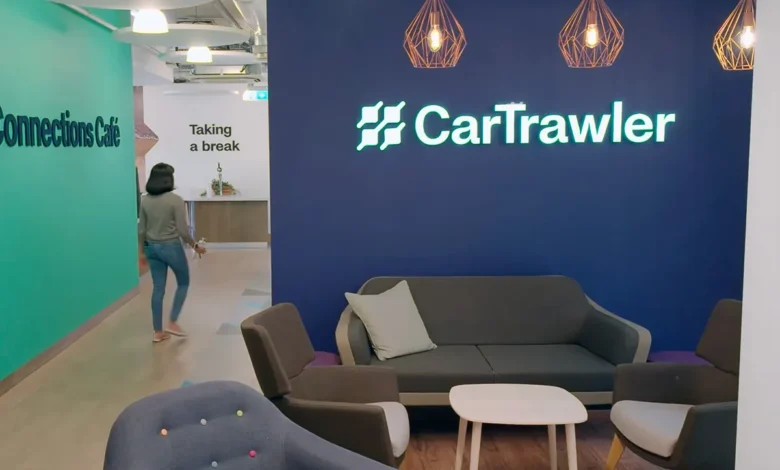
Airbnb, a company that fundamentally reshaped the hospitality landscape by popularizing short-term rentals, is now making a significant strategic maneuver that signals its ambition to become a more comprehensive online travel agency (OTA). The platform has quietly forged a partnership with CarTrawler, a leading business-to-business (B2B) provider of car rental and ground transportation solutions, to integrate car rental offerings directly into its user experience. This collaboration, initially identified through the terms and conditions of a credit program and subsequently confirmed by Airbnb, marks a crucial step in Airbnb’s evolution from a niche accommodation provider to a full-service travel marketplace. The implications of this move are far-reaching, especially considering that CarTrawler is reportedly on the verge of acquisition by Expedia, a direct competitor of Airbnb in the broader travel booking arena.
The newly launched car rental service, powered by CarTrawler, is currently available to users in five key markets: the United States, France, Italy, Spain, and Australia. This expansion into ancillary travel services is not merely an opportunistic addition but a deliberate strategy to capture a larger share of the traveler’s wallet and to offer a more integrated and convenient booking experience. For years, travelers have often had to juggle multiple platforms to book flights, accommodations, and ground transportation. Airbnb’s move aims to consolidate these disparate elements under its own brand, thereby enhancing customer loyalty and increasing the average booking value per user.
Background: The Evolution of Airbnb and the Travel Ecosystem
Founded in 2008 by Brian Chesky, Joe Gebbia, and Nathan Blecharczyk, Airbnb initially focused on connecting travelers with unique, often privately owned, lodging options. Its success was built on the concept of peer-to-peer accommodation, democratizing travel and offering alternatives to traditional hotels. Over the years, Airbnb has steadily expanded its offerings beyond just rooms and entire homes. It introduced "Experiences," which allows users to book local tours and activities hosted by residents, further diversifying its appeal. The addition of car rentals represents another significant pillar in its strategy to become a one-stop shop for all travel needs.
The global travel market is a multi-trillion-dollar industry, with online travel agencies playing a pivotal role in aggregating and distributing travel products. Major OTAs like Expedia Group and Booking Holdings have long offered comprehensive packages that include flights, hotels, car rentals, and activities. Airbnb, by entering this space, is directly challenging these established players.
The CarTrawler Connection: A Strategic Partnership with Complex Dynamics
CarTrawler, headquartered in Ireland, operates as a technology provider for the travel industry, enabling airlines, travel agents, and other travel companies to offer car rental services without needing to manage their own fleets or direct relationships with rental agencies. Its B2B model allows it to connect a vast network of car rental suppliers with a broad customer base through its partners. This makes it an ideal partner for a company like Airbnb looking to quickly scale up its car rental offerings without the immense logistical and operational overhead.
The timing of this partnership is particularly noteworthy. Skift, a leading travel industry publication, reported in May that Expedia was in advanced discussions to acquire CarTrawler for an estimated $350 million. While the acquisition was not finalized at the time of Airbnb’s partnership announcement, the potential for CarTrawler to become an Expedia brand introduces an interesting competitive dynamic. This suggests that Airbnb might be seeking to secure its car rental offering before a key competitor gains direct control over its primary supplier. It also raises questions about the future relationship between Airbnb and CarTrawler should the acquisition proceed.
Expanding Horizons: Airbnb’s Journey into Ancillary Services
Airbnb’s foray into car rentals is not an isolated incident but part of a broader, deliberate strategy to expand its service portfolio. The platform has been incrementally adding services that complement its core accommodation business. The introduction of "Experiences" was a significant step, transforming Airbnb from a booking platform to a curator of travel activities. More recently, there have been indications of Airbnb exploring other areas, such as transportation beyond just car rentals.
The integration of car rentals aims to:
- Enhance User Convenience: By allowing travelers to book accommodations and rental cars on the same platform, Airbnb simplifies the planning process. This reduces the need for users to navigate multiple websites and manage different booking confirmations, leading to a more seamless travel experience.
- Increase Revenue Streams: Ancillary services like car rentals represent a significant opportunity for Airbnb to diversify its revenue. As the travel industry becomes increasingly competitive, generating revenue from sources beyond accommodation fees is crucial for sustained growth and profitability.
- Boost Customer Loyalty: Offering a comprehensive suite of travel services can foster greater customer loyalty. Travelers who find value and convenience in booking multiple components of their trip through Airbnb are more likely to return for future bookings and recommend the platform to others.
- Data Acquisition and Insights: Integrating more aspects of the travel journey allows Airbnb to collect richer data on user preferences and travel behaviors. This data can be invaluable for personalizing offerings, optimizing marketing efforts, and identifying future service expansion opportunities.
Market Context and Competitive Landscape
The car rental market is a mature and highly competitive segment of the travel industry. Major players include Hertz, Avis Budget Group, Enterprise Holdings, and Sixt, alongside numerous smaller regional operators. These companies have established distribution networks and significant brand recognition.
OTAs have long been a dominant channel for car rental bookings. Expedia, Booking.com, and Priceline (all part of larger travel conglomerates) have extensive car rental sections, often bundled with flights and hotels, offering competitive pricing and loyalty programs.
Airbnb’s entry into this space, even through a partnership, directly challenges the established order. Its massive user base, estimated to be in the hundreds of millions, provides an immediate and substantial audience for CarTrawler’s services. However, Airbnb will need to contend with the established competitive advantages of traditional OTAs, including their long-standing relationships with car rental companies, sophisticated booking engines, and robust customer service infrastructures.
Potential Implications and Future Trajectory
The partnership between Airbnb and CarTrawler has several key implications:
- Accelerated OTA Evolution: This move underscores the trend of accommodation-focused platforms evolving into broader travel marketplaces. It forces competitors to re-evaluate their own strategies and potentially accelerate their diversification efforts.
- Increased Competition for Expedia: If Expedia successfully acquires CarTrawler, the partnership with Airbnb creates a scenario where Airbnb would be using a service that its potential future competitor also owns. This could lead to complex negotiations or a strategic shift by Airbnb to seek alternative car rental partners. Conversely, if the acquisition doesn’t happen, Airbnb’s partnership with CarTrawler could strengthen CarTrawler’s position as an independent entity capable of partnering with multiple large players.
- Data-Driven Personalization: As Airbnb gathers more data on user travel patterns, it can leverage this information to offer highly personalized car rental recommendations, potentially suggesting vehicles that align with the type of accommodation booked or the destination’s characteristics. For instance, a user booking a large villa in the countryside might be recommended an SUV, while a solo traveler booking a city apartment might be offered a compact car.
- Potential for Deeper Integration: This initial partnership could be a stepping stone for even deeper integrations. In the future, Airbnb might explore offering bundled packages that include accommodation, car rental, and even airport transfers, creating a truly seamless end-to-end travel solution.
- Impact on Traditional Rental Agencies: While CarTrawler acts as an intermediary, the increased booking volume facilitated by Airbnb could benefit the underlying car rental companies. However, it also shifts some of the customer acquisition power to Airbnb, potentially reducing direct bookings for the rental agencies themselves.
Looking Ahead: A New Chapter for Airbnb
Airbnb’s strategic alliance with CarTrawler is a clear indicator of its ambition to transcend its origins and become a dominant force across the entire travel spectrum. By venturing into car rentals, the company is not just expanding its product catalog; it is fundamentally repositioning itself as a comprehensive travel platform. The success of this initiative will depend on its ability to seamlessly integrate the car rental experience into its existing user journey, offer competitive pricing, and ensure a high level of customer satisfaction. As the travel industry continues to consolidate and evolve, Airbnb’s bold steps suggest that the era of specialized travel booking platforms may be giving way to a new generation of all-encompassing travel marketplaces. The coming months will be crucial in observing how this partnership unfolds, particularly in light of the potential acquisition of CarTrawler by a direct competitor, and how it shapes the future competitive landscape of online travel.