The Psychological Landscape of Pathological Narcissism: Unpacking "Sleeping Beauty’s" Metaphor for Intimacy and Defense

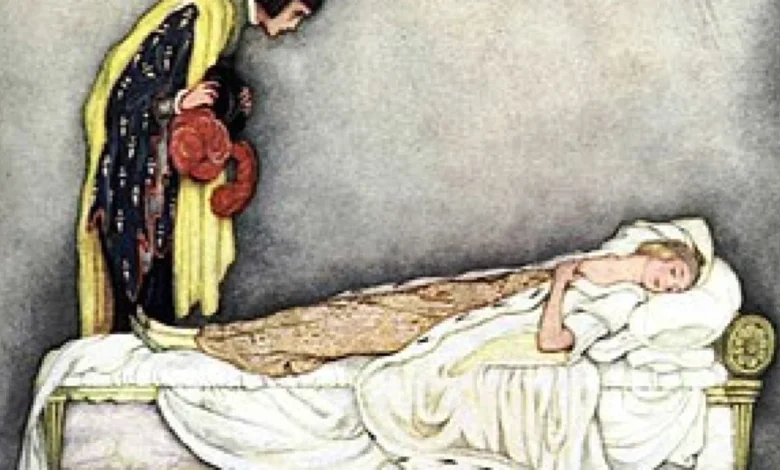
Ancient myths and cherished fairy tales often serve as profound psychological allegories, offering insights into universal human struggles and developmental challenges. Among these timeless narratives, "Little Briar Rose," widely known as "Sleeping Beauty," provides a particularly poignant lens through which to examine the intricate dynamics of pathological narcissism and its profound impact on human relationships. This analysis, building upon earlier explorations of narcissism in romantic contexts, delves into how the Grimm’s tale vividly illustrates the defensive mechanisms, emotional isolation, and the eventual path to psychological readiness that define encounters with neurotically narcissistic individuals.
The Spectrum of Narcissism: From Healthy Self-Esteem to Pathological Defense
To fully appreciate the psychological underpinnings of "Sleeping Beauty," it is crucial to understand the nuanced concept of narcissism itself. As Jungian analyst Mario Jacoby articulated in 1991, narcissism exists on a spectrum, encompassing both healthy and pathological expressions. Healthy, or "normal," narcissism is characterized by "realistic ambitions and an adequate sense of self-esteem," reflecting a natural human need for recognition and validation of one’s existence and worth by others. This healthy self-regard is essential for confidence, aspiration, and the capacity to form meaningful connections.
However, when these fundamental needs for recognition and validation are unmet or distorted, particularly during formative developmental stages, they can amplify and contort into neurotic or pathological narcissism. This tragic outcome often stems from deep-seated insecurities and unhealed wounds, leading individuals to develop rigid defense mechanisms that paradoxically push away the very intimacy they may consciously crave. Clinically, pathological narcissism can manifest in various forms, with Narcissistic Personality Disorder (NPD) representing the extreme end of this spectrum. The Diagnostic and Statistical Manual of Mental Disorders (DSM-5) outlines criteria for NPD, including a pervasive pattern of grandiosity, a constant need for admiration, and a lack of empathy, often stemming from an underlying fragile self-esteem. While not every individual exhibiting narcissistic traits meets the criteria for NPD, the underlying dynamics of heightened sensitivity to criticism, a sense of entitlement, and a tendency to exploit others remain consistent themes in pathological presentations.
Fairy Tales as Psychological Archetypes: The Enduring Wisdom of "Little Briar Rose"
The enduring power of fairy tales like "Little Briar Rose" lies in their capacity to tap into archetypal patterns of the human psyche, making complex psychological truths accessible through symbolic narrative. Scholars such as Carl Jung posited that these stories resonate because they reflect elements of the collective unconscious, universal patterns of thought and behavior. Bruno Bettelheim, in his seminal work "The Uses of Enchantment," further emphasized the therapeutic value of fairy tales in helping children (and adults) process internal conflicts and developmental challenges by externalizing them through fantasy.
The Grimm’s version of "Sleeping Beauty" begins with a seemingly minor slight that escalates into a catastrophic curse. The omission of one wise woman from a royal banquet, a seemingly trivial oversight, incites a furious, vengeful reaction. This act of perceived disrespect, rather than actual harm, becomes the catalyst for the tale’s central conflict. Psychologically, this mirrors the hypersensitivity to perceived slights and the disproportionate rage often observed in individuals with pathological narcissism. Their fragile self-esteem can interpret even minor omissions or criticisms as profound personal attacks, triggering intense anger and a desire for retribution, much like the slighted witch. The curse itself—that the princess will prick her finger and fall into a century-long sleep—symbolizes a deep-seated psychic wound that leads to a profound state of unconsciousness and isolation.
The Curse of Unmet Needs: Interpreting the Witch’s Vengeance
The witch in "Little Briar Rose" serves as a powerful metaphor for the unacknowledged and unhealed narcissistic injury that can plague an individual. Her bitter vengeance, stemming from a perceived slight, illustrates how profound feelings of rejection and inadequacy, when left unaddressed, can manifest as destructive forces. In a psychological context, this can be understood as the internal rage of a wounded ego, projecting its pain onto others and creating a self-fulfilling prophecy of isolation. The curse she casts—a deep, comatose slumber for the innocent princess—can be interpreted as the psychological "sleep" of an individual who, due to past hurts, becomes emotionally inaccessible, effectively shutting down their capacity for genuine connection. This isn’t just a physical sleep; it represents a state of psychological dormancy, where the individual is present physically but absent emotionally, trapped in a self-imposed prison of unconsciousness.
The prophecy’s fulfillment on Briar Rose’s 15th birthday, a symbolic threshold into young adulthood and burgeoning romantic potential, underscores the tragic timing of these psychological patterns. Just as an individual is poised to engage in intimate relationships, the "curse" of their past wounds manifests, making genuine connection seemingly impossible. The surrounding kingdom also falls into a similar slumber, its life and vitality curtailed. This detail highlights the broader impact of an individual’s pathological narcissism on their environment and relationships, creating a ripple effect of emotional stagnation and disconnection for those around them.
The Thorns of Defense: A Century of Isolation
Perhaps the most potent symbol in "Sleeping Beauty" for understanding neurotic narcissism is the impenetrable thicket of stiletto-like thorns that grows around the castle, rendering it totally inaccessible. This grotesque image vividly portrays the formidable defense mechanisms erected by "Briar Rose-types"—individuals, male or female, who are unconsciously enraged and bitter from prior rejections, disappointments, and narcissistic injuries. These metaphorical thorns are not just barriers; they are active deterrents, designed to inflict pain on anyone attempting to breach the emotional fortress.
The parade of valiant suitors who attempt to penetrate this thorny briar, only to be fatally impaled, serves as a stark metaphor for the poignant experience of those who try in vain to get closer to a narcissistically prickly person. These "suitors" represent partners, friends, or family members who bravely attempt to forge intimacy, only to be met with emotional barbs that wound deeply. The "impaling" signifies the emotional devastation, rejection, and psychological pain inflicted by such individuals, who are often unprepared for any real relatedness or true emotional intimacy, despite their conscious desires or stated intentions. While they might engage in physical intimacy, sex itself, as the original article notes, does not equate to genuine emotional intimacy, which requires vulnerability and mutual emotional investment.
These "prickly defense mechanisms" are psychological constructs that serve to protect the insecure, vulnerable, and emotionally wounded individual. They are, in essence, a maladaptive coping strategy, much like literal thorns protect a rose’s delicate petals. By deploying these defenses, individuals attempt to fend off the perceived threat of future emotional hurt, rejection, or abandonment. However, in doing so, they inadvertently imprison themselves within self-constructed "thorny castles," condemning themselves to lives of alienation, isolation, and profound loneliness.
These metaphorical thorns manifest as a range of defensive symptoms and behaviors:
- Hostility and Animosity: An underlying current of anger or resentment that can surface unexpectedly.
- Negativity and Cynicism: A pervasive pessimistic outlook that dismisses hope and trust.
- Mockery and Judgmentalism: A tendency to belittle or criticize others as a way to elevate oneself or deflect scrutiny.
- Contempt: A feeling of superiority and disdain for others, often expressed overtly or subtly.
- Hypersensitivity: An extreme reaction to perceived criticism, leading to withdrawal or explosive anger.
- Sarcasm: A sharp, often cutting form of verbal irony used to mask aggression or avoid direct emotional expression.
- Distrust: A deep-seated inability to believe in the good intentions of others, leading to suspicion and guardedness.
These behaviors, while intended to protect, create an environment antithetical to intimacy, leading to a lonely, self-imposed life sentence of solitary confinement. For many, this pattern feels like an unbreakable curse, a spell, or an uncanny run of bad luck in their love life. Yet, a deeper psychological analysis reveals that the problem often emanates from within the person themselves, an unconscious sabotage of potential relationships driven by the overwhelming fear of being hurt, rejected, or abandoned again. Neurosis, in this context, acts like a powerful, insidious spell cast by past experiences, continually influencing the present and future.
The Unconscious Slumber: A Call for Self-Awareness
The princess’s protracted state of profound sleep in "Sleeping Beauty" serves as a powerful metaphor for the unconsciousness of neurosis, its causes, and its negative effects. Many individuals caught in these patterns are genuinely unaware of the internal mechanisms driving their relational difficulties. They may consciously desire love and connection but unconsciously perpetuate behaviors that push it away. This lack of insight perpetuates the "spell," preventing them from understanding why their relationships consistently fail or why they feel perpetually isolated.
The "100-year sleep" suggests the depth and duration of this unconscious state, indicating that breaking free requires significant time, effort, and often, professional intervention. The challenge for psychotherapy, particularly psychodynamic and Jungian approaches, resides in helping the "bedeviled patient" to awaken from this insidious spell. This involves delving into past experiences, uncovering the origins of the narcissistic injury, identifying maladaptive defense mechanisms, and fostering self-awareness. Therapists work to illuminate the unconscious motivations behind destructive patterns, helping individuals to integrate fragmented aspects of their self and develop healthier coping strategies. This process is often painful, as it requires confronting deep-seated fears and vulnerabilities that the defenses were designed to protect.
Breaking the Spell: The Role of Psychological Readiness and Timing
The resolution of "Sleeping Beauty" offers a profound message about psychological readiness and the crucial role of timing in overcoming barriers to intimacy. The arrival of the brave, valiant, and persistent young prince, undaunted by the grisly fate of his predecessors, symbolizes a pivotal shift. He embodies a readiness not just to risk life and limb, but to approach the challenge with a different kind of courage—one that aligns with the moment of the "spell’s" natural expiration.
As the prince approaches the castle, the perilous spiny hedge, which had been a death trap for countless others, miraculously transforms into magnificent flowers, parting to provide easy access. This magical transformation is not merely a plot device; it symbolizes an internal shift. The external barrier, the "thorns" of defense, only softens and opens when the individual (or the "prince" representing their internal capacity for courage and readiness) is truly prepared. The "100-year spell" ending precisely at the moment of the prince’s arrival underscores the concept of synchronicity—the meaningful coincidence of internal and external events. It suggests that readiness is not just about effort, but about an alignment of internal growth and external opportunity.
When the gallant hero gently kisses the waiting lips of the still somnolent princess, she awakens, at long last ready to return to life, and crucially, to love. This act is a metaphor for the profound impact of genuine connection and acceptance, offered at the precise moment an individual is psychologically prepared to receive it. Intimacy and love, in their deepest sense, involve a fundamental, fateful decision to fully live, to love, to risk vulnerability, to feel deeply, and to care profoundly about another. It is the conscious choice to dismantle the self-constructed and well-defended fortress surrounding one’s heart.
Implications for Modern Relationships and Therapeutic Intervention
The allegorical insights from "Sleeping Beauty" hold significant implications for understanding and navigating relationships in contemporary society. Pathological narcissism continues to be a prevalent challenge, affecting individuals and their partners alike. The "thorns" of defense mechanisms create cycles of relational distress, leading to breakups, emotional abuse, and prolonged loneliness for those involved.
Supporting Data & Expert Perspectives:
Research in attachment theory, for instance, often correlates early childhood experiences with later relational patterns. Individuals with insecure or avoidant attachment styles frequently exhibit behaviors akin to the "thorny hedge," pushing away intimacy due to a fear of vulnerability and rejection. Studies on relationship longevity and satisfaction consistently highlight communication, empathy, and emotional availability as key predictors of success—qualities often undermined by narcissistic defenses.
Psychologists and relationship counselors frequently encounter clients who resonate with the "Sleeping Beauty" metaphor. Dr. Steven Diamond, a psychotherapist and author on the genesis of violence and creativity, emphasizes the deep-seated anger and unacknowledged wounds that drive many destructive patterns, urging for therapeutic approaches that address these core issues. Many experts agree that the journey out of narcissistic patterns, whether one is the "Briar Rose" or the "suitor," necessitates self-awareness, boundaries, and often, professional guidance. For the "Briar Rose-type," therapy aims to cultivate self-compassion, process past traumas, and gradually lower defenses to allow for genuine connection. For those attempting to love such individuals, understanding these dynamics can help set realistic expectations, establish healthy boundaries, and protect their own emotional well-being.
The journey toward genuine intimacy is a courageous one, requiring individuals to navigate their own protective prickliness and to discern when another person is truly ready to meet them in vulnerability. The "timing is everything" aspect underscores that healing and readiness are internal processes that cannot be rushed or forced. The story of "Sleeping Beauty" ultimately offers a message of hope: even the most deeply entrenched psychological "spells" can be broken, and the promise of love and genuine connection awaits those who possess the courage to awaken and choose it.