Armadillo World Headquarters: A New Documentary Will Chronicle Austin’s Legendary Music Venue with Woody Harrelson Producing

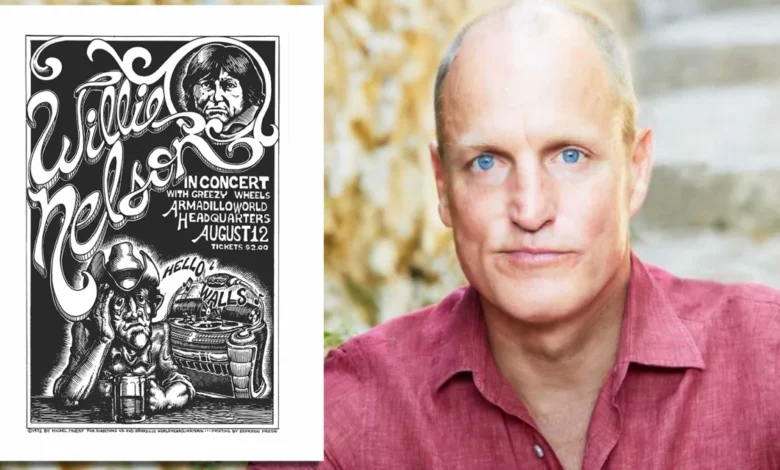
Austin, TX – A new feature-length documentary is in development to immortalize the vibrant history and profound cultural impact of the Armadillo World Headquarters (AWHQ), one of Austin’s most iconic and influential music venues. Adding significant star power and a deep personal connection to the project, actor and Texas native Woody Harrelson has joined the production as a producer. He will collaborate with his producing partners Jeremy Plager and Ilya Bronchtein, who are executive producing the film.
The documentary aims to delve into the rise, cultural significance, and enduring legacy of the Armadillo, a venue that played an instrumental role in shaping Austin’s identity as the "Live Music Capital of the World." Throughout its operational years, AWHQ hosted a constellation of legendary artists, including Willie Nelson, Jerry Garcia, Bruce Springsteen, Little Feat, Linda Ronstadt, and Talking Heads, among many others. The film promises to bring these performances and the spirit of the era back to life through a treasure trove of restored archival footage and audio recordings.
A Venue Where Worlds Collided
Woody Harrelson, an Academy Award nominee with deep roots in Texas, expressed his enthusiasm for the project, highlighting the unique atmosphere that defined the Armadillo. "The Armadillo wasn’t just a music venue," Harrelson stated. "It was where all kinds of worlds came together: artists, outlaws, hippies, students, dreamers, everyone under one roof. Careers got started there, genres mixed, and what really sticks with me is how it made people feel like they belonged. People came for the music, but what they found was each other. The Armadillo represented something we don’t see much anymore, and that’s a big part of why I wanted to be involved with this film."
This sentiment underscores the Armadillo’s role as more than just a concert hall; it was a cultural nexus, a melting pot where diverse individuals converged, fostering a sense of community and shared experience that resonated far beyond the music itself.
The Genesis of a Legend: A Chronology of the Armadillo World Headquarters
The Armadillo World Headquarters, affectionately known as "The Dillo," opened its doors in 1970, transforming a former National Guard Armory into a sprawling, multi-purpose entertainment complex. Its inception was a pivotal moment for Austin’s burgeoning counterculture scene. Founded by Eddie Wilson, the venue quickly became synonymous with artistic freedom and groundbreaking performances.

- 1970: The Armadillo World Headquarters officially opens its doors, breathing new life into an old armory building. Its distinctive mural, painted by Texas artist Jim Franklin, became an immediate visual icon, symbolizing the venue’s unique identity.
- 1970s (The Heyday): The venue becomes a magnet for a wide array of musical talent, from local Texas heroes to international superstars. It fostered the "cosmic cowboy" movement, serving as a vital hub where outlaw country, rock and roll, blues, and psychedelic influences converged. Iconic performances by artists like Willie Nelson, Jerry Garcia, and Bruce Springsteen cemented its legendary status. The venue also became known for its vibrant atmosphere, often featuring elaborate light shows, art installations, and a diverse clientele.
- 1980: After a decade of unparalleled cultural influence, the Armadillo World Headquarters closes its doors. Economic shifts and changing entertainment landscapes contributed to its closure, leaving a void in the Austin music scene.
- Post-Closure Era: The legacy of the Armadillo persisted through memories, photographs, and a growing appreciation for its role in music history. Various attempts to revive the brand and its spirit have emerged over the years.
- 2024: The Armadillo brand is officially relaunched, signaling a new chapter for the iconic name. This revival is spearheaded by a new Austin-based entity that acquired the intellectual property rights through a partnership with the original owner, Eddie Wilson.
- Present Development: The documentary, championed by Woody Harrelson and his production team, enters development, promising a comprehensive exploration of the Armadillo’s historical significance.
Archival Treasures Unearthed: A Visual and Auditory Feast
A significant draw of the upcoming documentary will be its access to an extensive, restored archive of over 100 audio and video recordings captured at AWHQ during its prime. These recordings offer an unprecedented glimpse into the electrifying performances that defined the venue. Audiences can anticipate seeing and hearing snippets from legendary artists, including:
- Willie Nelson: A cornerstone of the Texas country music scene, Nelson’s performances at the Armadillo were instrumental in solidifying his outlaw persona and broad appeal.
- Jerry Garcia: The Grateful Dead frontman found a welcoming home at the Armadillo, where his improvisational style resonated with the venue’s countercultural ethos.
- Bruce Springsteen: The documentary will feature footage of Springsteen’s early tours in Texas, showcasing his raw energy and the burgeoning power of his live act.
- Little Feat: Known for their blend of rock, funk, and blues, Little Feat were frequent performers, contributing to the eclectic musical tapestry of the Armadillo.
- Linda Ronstadt: A versatile vocalist, Ronstadt’s performances at AWHQ demonstrated her ability to bridge genres and appeal to a wide audience.
- Talking Heads: The iconic new wave band brought their innovative sound to the Armadillo, reflecting the venue’s embrace of emerging musical trends.
- Fats Domino: The legendary rhythm and blues pianist brought his timeless hits to the Armadillo stage.
- Waylon Jennings: Another titan of outlaw country, Jennings’ presence at the Armadillo further cemented its reputation as a haven for genre-bending artists.
- Charlie Daniels: The Charlie Daniels Band, known for their southern rock anthems, also graced the Armadillo stage, contributing to its diverse musical offerings.
The film’s producers have emphasized that the restored archive will provide an immersive experience, allowing viewers to witness firsthand the magic that unfolded within the Armadillo’s walls. The footage is expected to include not only musical performances but also behind-the-scenes glimpses and the vibrant atmosphere of the venue.
A Cultural Crossroads: Grounding the "Cosmic Cowboy" Movement
The Armadillo World Headquarters played a crucial role in grounding the "cosmic cowboy" movement, a subgenre that blended traditional country music with rock and roll and countercultural sensibilities. This movement, deeply intertwined with Austin’s unique cultural landscape, found its most fertile ground at the Armadillo. The venue served as a vital intersection where these diverse musical styles and cultural philosophies converged.
The film will explore how AWHQ acted as a catalyst for artistic innovation, breaking down genre barriers and fostering an environment where experimentation was encouraged. This willingness to embrace a wide spectrum of musical talent, from the deeply traditional to the avant-garde, was instrumental in cementing Austin’s reputation as a global music capital. The venue’s influence extended beyond music, impacting fashion, art, and the broader social fabric of the city.
The Team Behind the Lens
The documentary is helmed by director and editor David Brodie, an acclaimed filmmaker known for his work on projects like The Greatest Night in Pop. He is joined by a formidable producing team:

- MakeMake: Angus Wall, Eve Kornblum, Kent Kubena, and Terry Leonard, all of whom have impressive credits in music documentaries and film production, including The Greatest Night in Pop and Lainey Wilson: Keepin’ Country Cool.
- Passion Point Collective: Marcus Peterzell (The Cure: Show, James Brown: Godfather of Soul) and Amy Slotnick (AS I AM: The Life and Times of DJ AM, Frida) bring their expertise in music and biographical storytelling.
Additional production partners are expected to be announced as the project progresses, suggesting a robust collaborative effort to bring the Armadillo’s story to the screen. The involvement of such experienced professionals indicates a commitment to producing a high-quality, comprehensive, and engaging documentary.
Reviving the "Dillo Spirit": A New Generation Embraces the Legacy
The Armadillo’s legacy is not confined to the past. The brand has been revitalized through a new Austin-based entity that acquired the IP rights in partnership with original owner Eddie Wilson. This modern iteration of AWHQ aims to celebrate Austin’s roots while actively supporting the growth of its music and arts culture.
Recent initiatives have included a collaboration with Austin FC and a pop-up experience designed to introduce the venue’s rich history to younger generations. This strategic approach ensures that the "Dillo spirit" continues to resonate, honoring what makes Austin unique – its "weird" and wonderful creative energy.
Furthermore, a short documentary titled Armadillo Man: The Trips of Jim Franklin, focusing on the artist behind the iconic Armadillo mural, is currently airing on PBS stations across the U.S., highlighting the enduring fascination with the venue and its artistic associations.
The reimagined AWHQ is committed to uplifting local artists and venues, fostering community engagement through live music, visual art, film, and grassroots events. By carrying forward the original ethos of inclusivity and artistic expression, the revived Armadillo World Headquarters is poised to continue its contribution to Austin’s vibrant cultural landscape, ensuring that the legendary spirit of the venue lives on for future generations. The upcoming documentary promises to be a definitive exploration of this enduring cultural phenomenon, offering both nostalgia for those who lived it and an illuminating introduction for those eager to discover its magic.