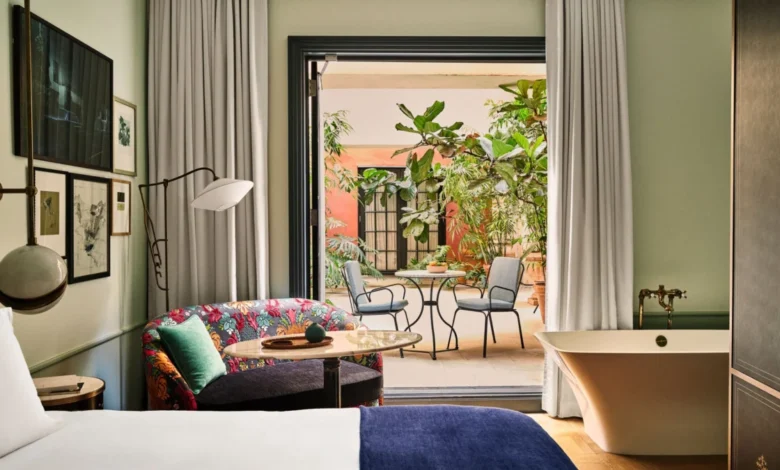
Los Angeles, a sprawling metropolis synonymous with dreams and the entertainment industry, is no longer confined to traditional lodging paradigms. The notion of booking a hotel in this iconic Californian city has evolved significantly, moving beyond the historical dichotomy of east side glamour, epitomized by Hollywood’s storied establishments, and the sun-drenched allure of coastal enclaves like Santa Monica and Venice Beach. Today, the landscape of premier accommodations in Los Angeles is a dynamic tapestry, featuring new contenders that have emerged as stars across the entire urban expanse. From the timeless elegance of Beverly Hills retreats to the perpetually evolving, architecturally significant hotels in the revitalized downtown core, discerning travelers are presented with an ever-expanding array of choices. This diversification necessitates a strategic approach to experiencing the city, with many recommending splitting a trip to allow for stays in multiple distinct neighborhoods. This allows visitors to fully immerse themselves in the unique character of each pocket of Los Angeles, which can feel akin to embarking on several distinct getaways within a single journey. The selection of these top-tier hotels spans a wide spectrum of locations, experiential offerings, and price points, ensuring that the vast and varied needs of every traveler are met. This comprehensive guide highlights the 40 best hotels in Los Angeles, meticulously curated to offer an authentic and insider perspective on this multifaceted destination.
The Evolving Landscape of Los Angeles Hospitality
For decades, the choice of where to stay in Los Angeles often hinged on a binary decision: the glitz and history of Hollywood or the laid-back sophistication of the coastal areas. Hollywood, with its legendary studios and Walk of Fame, has long been a magnet for those seeking to touch the heart of the entertainment industry. Hotels in this region often boast a rich heritage, serving as silent witnesses to cinematic history. Conversely, Santa Monica and Venice Beach have historically offered a more relaxed, beach-centric experience, drawing visitors with their iconic piers, vibrant boardwalks, and bohemian charm. Venice, in particular, has cultivated a reputation for its unique artistic spirit and distinctive canals.
However, the contemporary Los Angeles hotel scene is characterized by a significant expansion of its premium offerings. Downtown Los Angeles (DTLA), once primarily a business district, has undergone a remarkable transformation. A surge of investment and redevelopment has brought forth a wave of contemporary hotels, often housed in revitalized historic buildings or cutting-edge architectural marvels. These downtown hotels offer a different facet of the Los Angeles experience, characterized by urban energy, a burgeoning culinary scene, and proximity to cultural institutions like The Broad museum and Walt Disney Concert Hall.
Beyond these established zones, other neighborhoods are also emerging as significant lodging destinations. Beverly Hills continues to uphold its status as a bastion of luxury, offering exclusive enclaves that provide unparalleled service and discretion. Areas like West Hollywood are also gaining prominence, known for their trendy boutiques, vibrant nightlife, and design-forward hotels.
The proliferation of exceptional hotels across these diverse districts underscores a shift in how visitors approach their Los Angeles itineraries. The advice to segment a trip, dedicating time to experience the distinct atmospheres of different neighborhoods, is more relevant than ever. This approach allows for a deeper appreciation of the city’s contrasts – from the sun-drenched shores to the dynamic urban core, and the exclusive enclaves of affluent enclaves. Each neighborhood offers a unique lens through which to view Los Angeles, providing a multifaceted travel experience.
Methodology: How the Best Hotels in Los Angeles Are Chosen
The selection of the 40 best hotels in Los Angeles by Condé Nast Traveler is a rigorous process, rooted in firsthand experience and journalistic integrity. Each hotel featured on this list has undergone a thorough review by a Condé Nast Traveler journalist who possesses intimate knowledge of the destination and has personally visited and evaluated the property. This hands-on approach ensures that the recommendations are based on authentic experiences, not merely online assessments.
The editorial team’s selection criteria are multifaceted, aiming to identify hotels that offer an authentic and insider perspective on Los Angeles. This involves evaluating properties across a wide spectrum of price points, from budget-friendly boutique options to ultra-luxury resorts. The emphasis is on identifying establishments that not only provide comfortable accommodations but also encapsulate the spirit and character of their respective neighborhoods and the city as a whole.
Key factors considered in the evaluation include:
- Design and Aesthetics: The architectural style, interior design, and overall ambiance of the hotel are assessed for their uniqueness, quality, and contribution to the guest experience. This can range from historic preservation to avant-garde contemporary design.
- Location: The strategic positioning of a hotel is paramount. This includes proximity to key attractions, ease of access to transportation, and the overall desirability and character of the neighborhood.
- Service Quality: The attentiveness, professionalism, and personalized nature of the staff are crucial. Exceptional service can elevate a stay from satisfactory to memorable. This includes the efficiency of check-in/check-out, the responsiveness of concierge services, and the overall guest care.
- Authenticity and Insider Experience: The best hotels offer a genuine connection to the local culture and environment. This could manifest through unique amenities, locally sourced dining options, curated experiences, or an atmosphere that reflects the city’s identity.
- Sustainability Credentials: In an era of increasing environmental awareness, hotels that demonstrate a commitment to sustainable practices are given due consideration. This can include energy efficiency, waste reduction, water conservation, and support for local communities.
By adhering to these stringent criteria, Condé Nast Traveler aims to provide travelers with reliable and insightful recommendations that go beyond superficial appeal, highlighting hotels that truly embody the essence of Los Angeles.
A Tapestry of Neighborhoods: Diverse Lodging Experiences
The true richness of Los Angeles’s hotel scene lies in its geographical and thematic diversity. To truly appreciate the city, a multi-neighborhood stay is often the most rewarding approach.
Hollywood: While the allure of the silver screen remains, Hollywood hotels have also evolved. Beyond the classic establishments, new boutique hotels have emerged, offering stylish accommodations that capture the area’s vibrant energy. These hotels provide easy access to iconic landmarks like the TCL Chinese Theatre, the Dolby Theatre, and the Hollywood Walk of Fame, as well as a burgeoning culinary and nightlife scene.
Santa Monica and Venice Beach: These coastal gems offer a distinctly different vibe. Santa Monica appeals with its upscale promenade, lively pier, and beautiful beaches, housing hotels that range from luxurious beachfront resorts to chic urban retreats. Venice, with its bohemian past and present, continues to charm with its eclectic art scene, canals, and a more laid-back, artistic atmosphere. Hotels here often reflect this ethos, offering unique design and a sense of community.
Beverly Hills: The undisputed capital of luxury, Beverly Hills continues to attract those seeking unparalleled opulence and exclusivity. Hotels in this enclave are synonymous with world-class service, exquisite dining, and proximity to designer boutiques on Rodeo Drive. These properties often offer a sanctuary of tranquility amidst the city’s bustle.
Downtown Los Angeles (DTLA): This area has experienced a renaissance, transforming into a hub of culture, dining, and innovation. Hotels here are often housed in meticulously restored historic buildings or sleek, modern skyscrapers, offering stunning city views. DTLA provides convenient access to a wealth of museums, performance venues, and a rapidly expanding gastronomic landscape, making it a dynamic base for exploration.
West Hollywood: Known for its trendy atmosphere, West Hollywood offers a sophisticated blend of design, fashion, and entertainment. Hotels in this area are often characterized by their contemporary design, rooftop pools, and proximity to acclaimed restaurants and vibrant nightlife, attracting a stylish and cosmopolitan clientele.
The strategic choice of lodging can profoundly influence a visitor’s experience of Los Angeles. By embracing the diversity of its neighborhoods, travelers can curate a journey that reflects their personal interests, whether they are drawn to the glamour of Hollywood, the serenity of the coast, the sophistication of Beverly Hills, the urban excitement of Downtown, or the chic energy of West Hollywood.
Supporting Data and Trends in Los Angeles Hospitality
The Los Angeles hotel market is a significant economic driver for the region, reflecting broader trends in the travel industry. Recent data highlights the sector’s resilience and ongoing evolution.
- Occupancy Rates: According to STR, a leading provider of global hospitality data, Los Angeles consistently reports strong hotel occupancy rates, often exceeding 80% during peak seasons. This indicates sustained demand for accommodations across various segments. For instance, in the first quarter of 2023, the average occupancy rate for hotels in the greater Los Angeles area hovered around 78%, a notable increase from the previous year.
- Average Daily Rate (ADR): The Average Daily Rate for hotels in Los Angeles has also seen steady growth, driven by demand and inflation. As of early 2023, the ADR for the region was approximately $220-$250, with luxury segments in prime locations like Beverly Hills and Santa Monica commanding significantly higher rates.
- New Development Pipeline: Los Angeles continues to see substantial investment in new hotel development. As of late 2022 and early 2023, over 40 new hotel projects were in various stages of planning or construction across the metropolitan area, with a particular focus on downtown and areas undergoing urban revitalization. This pipeline includes a mix of major international brands and independent boutique properties, signaling a competitive and dynamic market.
- Shift Towards Experiential Stays: Beyond traditional amenities, there’s a growing consumer preference for hotels that offer unique experiences. This includes farm-to-table dining, curated local tours, wellness programs, and design-forward environments. This trend is reflected in the emergence of hotels that actively promote their connection to the local culture and arts scene.
- Sustainability Focus: Environmental consciousness is increasingly influencing hotel selection. Many new and existing properties are investing in sustainable practices, such as reducing single-use plastics, implementing energy-efficient systems, and sourcing local produce. This commitment is becoming a significant differentiator for environmentally aware travelers.
These data points illustrate a robust and evolving hotel market in Los Angeles, characterized by high demand, consistent growth, and a clear trend towards more experiential and sustainable lodging options. The continuous influx of new properties and the ongoing investment in existing ones underscore the city’s enduring appeal as a global tourism and business destination.
Chronology of Hospitality Evolution in Los Angeles
The development of Los Angeles as a premier tourist destination, and consequently its hotel industry, can be traced through several key periods:
- Early 20th Century (Pre-Hollywood Golden Age): The burgeoning city attracted early travelers, with the establishment of grand hotels designed to cater to affluent visitors and those seeking to capitalize on the region’s growing agricultural and nascent film industries. The Biltmore Hotel, opening in 1923, stands as a testament to this era of opulent hospitality.
- Hollywood Golden Age (1930s-1950s): As Hollywood rose to global prominence, so did its demand for accommodations. Hotels in Hollywood and Beverly Hills became social hubs for movie stars, directors, and studio executives. Iconic establishments like the Beverly Hills Hotel and the Chateau Marmont became synonymous with the glamour and mystique of this era.
- Post-War Expansion and Suburbanization (1950s-1970s): The rise of the automobile and the expansion of the city into suburbs led to the development of a new wave of hotels, including many roadside motor inns and convention-focused properties. This period saw a diversification of lodging options to cater to a growing domestic travel market.
- Coastal Boom (1980s-1990s): The increasing popularity of beach destinations like Santa Monica and Venice led to significant investment in hotels along the coast. These properties capitalized on the desire for a sun-and-sand vacation experience, blending luxury with a relaxed seaside atmosphere.
- Downtown Renaissance and Boutique Hotel Emergence (2000s-Present): The 21st century has witnessed a remarkable revitalization of Downtown Los Angeles, accompanied by the development of numerous stylish hotels, often within historic buildings. Simultaneously, a surge in boutique hotels across various neighborhoods has catered to travelers seeking unique, design-led experiences. This period also marks a heightened awareness and implementation of sustainability practices within the hospitality sector.
This chronological progression illustrates how Los Angeles’s hotel industry has consistently adapted to the city’s evolving identity, economic shifts, and changing traveler preferences, from the early days of grand hotels to the modern era of diverse, experience-driven accommodations.
Broader Impact and Implications
The quality and diversity of Los Angeles’s hotel offerings have profound implications for the city’s economy, cultural landscape, and global image.
- Economic Engine: The hospitality sector is a significant contributor to the Los Angeles economy. High-quality hotels attract tourists, business travelers, and convention attendees, generating substantial revenue through room rates, dining, and ancillary services. This, in turn, supports a vast ecosystem of related industries, from transportation and retail to entertainment and food services. The presence of world-class hotels can also attract major events and conventions, further boosting economic activity.
- Global Image and Branding: The best hotels in Los Angeles serve as ambassadors for the city, shaping its global perception. Luxurious and well-appointed establishments project an image of sophistication, innovation, and a high standard of living, which can attract further investment, talent, and tourism. Conversely, a decline in hotel quality could negatively impact the city’s reputation.
- Cultural and Experiential Hubs: Many of the top hotels in Los Angeles are not just places to sleep; they are cultural and experiential hubs in themselves. They often feature acclaimed restaurants, art installations, and partnerships with local cultural institutions. This integration allows guests to experience the city’s vibrant arts and culinary scenes directly from their accommodations, enriching their stay and fostering a deeper connection with Los Angeles.
- Urban Development and Gentrification: The development of new hotels, particularly in areas like Downtown LA, has been a key catalyst for urban revitalization. However, this can also lead to complex issues of gentrification, impacting local communities and affordability. Balancing economic development with social equity remains a critical consideration for city planners and developers.
- Innovation in Hospitality: The competitive Los Angeles market drives innovation in hotel design, technology, and service. Properties are increasingly incorporating smart room features, personalized guest experiences, and sustainable practices, setting new standards for the industry that can influence hotel development globally.
In essence, the dynamic and evolving landscape of Los Angeles’s best hotels is intrinsically linked to the city’s broader trajectory, influencing its economic health, cultural vibrancy, and international standing. The continuous pursuit of excellence in hospitality is not merely about providing lodging; it is about crafting experiences that define and elevate the perception of this iconic global city.