Rachel, Breathe: Documentary Pulled from ESPN2 Hours Before Premiere Amid Rights Dispute

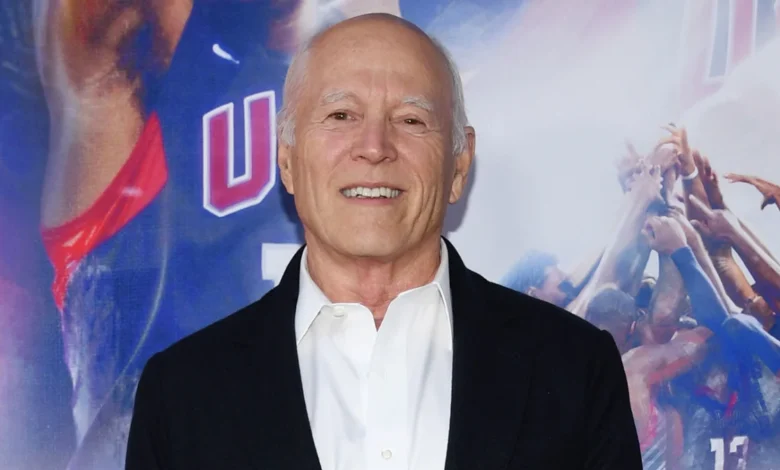
A highly anticipated documentary chronicling the remarkable journey of marathoner Rachel Foster, titled Rachel, Breathe, was abruptly pulled from its scheduled premiere on ESPN2 mere hours before its planned broadcast on Sunday night. Director and producer Frank Marshall announced the unfortunate development via his X (formerly Twitter) account, citing a last-minute disagreement over rights as the sole reason for the cancellation. The eleventh-hour decision has left the filmmaking team and potentially a large audience deeply disappointed, underscoring the complexities and potential pitfalls in finalizing broadcast agreements, even for projects with significant emotional and inspirational appeal.
Behind the Scenes: A Rights Disagreement Derails Premiere
Frank Marshall, a veteran filmmaker known for his work on iconic franchises like Indiana Jones and Jurassic Park, expressed his profound sadness and frustration in a series of posts on Sunday. "I’m sad to report that RACHEL, BREATHE, will not premiere on ESPN2 today," Marshall stated on X, the social media platform formerly known as Twitter. He elaborated that the impasse arose not from financial considerations, but from a dispute over rights, which intensified in the days leading up to the scheduled airing.
"After several days of negotiations that should have been very simple and were not about money, but rights, the ESPN lawyers stopped talking to us an hour before broadcast and said, ‘sign it now or we are pulling the show’," Marshall revealed. This ultimatum, delivered with such immediacy, left the production team with no viable options to proceed with the planned premiere. Marshall conveyed his deep empathy for Rachel Foster and her husband, John, as well as the entire team who dedicated two years to bringing this powerful story to life. He emphasized that the film’s narrative centers on themes of "hope, love and friendship," making the unceremonious withdrawal particularly poignant.
The director reassured his followers that the documentary’s journey is far from over. "We remain genuinely excited for the day this documentary reaches the world, it is simply not tonight," he wrote. "And just like Rachel, we remain resilient and the moment I know where and when the premiere is, you will hear from me." This statement suggests that the production team is actively seeking alternative avenues to broadcast the film, ensuring that Rachel Foster’s inspiring story will eventually find its audience.
The Heart of the Film: Rachel Foster’s Unyielding Spirit
Rachel, Breathe delves into the extraordinary resilience of Rachel Foster, a marathoner whose life was irrevocably altered by a severe medical event. According to a synopsis provided by The Kennedy/Marshall Company, the film intimately explores the "transformative power of running through the miraculous story of marathoner Rachel Foster." The narrative highlights her astonishing recovery after waking up from a coma that medical professionals believed she would not survive.
Remarkably, just five months after emerging from this critical state, Foster achieved what many deemed impossible: completing the 2023 Boston Marathon. This monumental feat was not merely a personal triumph but also a signpost on her path toward recovery. However, the film does not shy away from the ongoing challenges. It follows Foster as she prepares to compete in the 2025 Boston Marathon, a journey framed as a profound act of self-reclamation. Through this pursuit, the documentary aims to demonstrate that while her physical reality may have changed, her fundamental essence and indomitable spirit remain intact.
By interweaving Rachel’s past and present endeavors in the iconic Boston Marathon, Rachel, Breathe aims to explore a spectrum of profound human experiences, including loss, love, grit, friendship, redemption, and transcendence. The film promises a deeply personal and moving portrait of courage in the face of adversity, making its delayed premiere all the more regrettable for those eager to witness Foster’s inspiring narrative.
The Chronology of the Setback
The sequence of events leading to the cancellation of the premiere paints a picture of rapidly escalating complications.
-
Initial Announcement: Frank Marshall had previously announced the premiere date and time on X, generating anticipation for the documentary. An X post on April 18, 2026, stated: "RACHEL, BREATHE tells the miraculous story of marathoner Rachel Foster. It premieres Sunday, April 19th at 7:00pm ET on ESPN2, with an encore airing Monday, April 20th at pm ET on ESPN 2, (immediately following coverage of the 130th Boston Marathon.)" This indicated a clear plan for the film’s debut on the sports network.
-
Negotiations Intensify: In the days leading up to Sunday, April 19, 2026, negotiations between Marshall’s team and ESPN regarding the licensing agreement reportedly became more intense. While the initial understanding was that discussions were progressing, the nature of these talks shifted significantly.
-
Last-Minute Demands: Sources familiar with the situation confirmed to The Hollywood Reporter that the licensing agreement was not finalized in time. It is understood that while both parties were actively working towards a deal, additional terms were introduced late in the discussion phase. These new terms necessitated further business and legal review, a process that simply could not be completed within the tight timeframe before the scheduled broadcast.
-
The Ultimatum: Approximately one hour before the scheduled premiere on Sunday evening, ESPN lawyers reportedly issued an ultimatum to Marshall’s team: sign the agreement immediately, or the broadcast would be canceled. Faced with this stark choice and insufficient time for proper legal and business due diligence, Marshall’s team was compelled to accept the withdrawal of the documentary.
-
Public Announcement: Frank Marshall took to X to inform the public of the cancellation and the reasons behind it, expressing his disappointment and reaffirming his commitment to finding a new platform for the film.
-
Post-Cancellation Listings: A search of the ESPN2 website following the incident did not yield any results for Rachel, Breathe. However, listings on YouTube TV reportedly showed the documentary scheduled to air at 9:30 am PT on Monday, April 20, 2026, suggesting that some form of airing might still occur, though this remains unconfirmed and separate from the originally planned ESPN2 premiere.
Supporting Data and Context
The situation highlights a critical aspect of the media landscape: the intricate and often demanding process of securing broadcast rights. Licensing agreements are not merely about monetary compensation; they encompass a wide array of stipulations regarding usage, distribution, intellectual property, and creative control. In this instance, the introduction of "additional terms" late in the negotiation process suggests a potential shift in the proposed deal, requiring careful examination by all parties involved.
The fact that the disagreement centered on "rights" rather than "money," as Marshall stated, is significant. Rights can involve complex issues such as exclusivity, territorial limitations, ancillary usage (like streaming or international distribution), and the extent to which ESPN could leverage the documentary’s content beyond a simple broadcast. Negotiating these elements can be protracted, especially when new clauses are introduced at the eleventh hour.
The Kennedy/Marshall Company, co-founded by Frank Marshall and Kathleen Kennedy, has a strong track record in producing compelling narrative and documentary films. Their work often focuses on human achievement and perseverance, aligning perfectly with the subject matter of Rachel, Breathe. The company’s website synopsis underscores the film’s dedication to showcasing Foster’s journey as a testament to the human spirit, emphasizing themes that resonate deeply with a broad audience.
The Boston Marathon, a prestigious event with a rich history dating back to 1897, serves as a powerful backdrop for Foster’s story. Its inclusion in the documentary’s narrative, both in past and present contexts, adds a layer of gravitas and universal recognition to her personal journey. The marathon itself has often been a stage for stories of extraordinary resilience, making Foster’s participation particularly impactful.
Official Responses and Broader Implications
While ESPN has not issued a formal public statement regarding the incident, the information provided by sources close to the situation and Frank Marshall’s direct communication offer a clear picture of the dispute. The network’s silence, coupled with the last-minute ultimatum, suggests an internal process that prioritizes contractual finality over last-minute accommodations, particularly when significant rights issues are at play.
The implications of this event extend beyond the immediate disappointment for the filmmakers and viewers. It serves as a cautionary tale for all parties involved in high-stakes media production and distribution:
- Importance of Timely Negotiations: This incident underscores the critical need for timely and transparent negotiations. Leaving crucial rights discussions until the final hours before a premiere creates an environment ripe for last-minute complications and potential derailments.
- Clarity in Contractual Terms: The introduction of new terms late in the process highlights the importance of having all potential stipulations clearly outlined and agreed upon well in advance. Ambiguity or eleventh-hour additions can lead to significant contractual disputes.
- Impact on Creative Vision: Such disputes can not only disrupt premieres but also potentially cast a shadow over the creative vision and the intended impact of a documentary. The emotional toll on the filmmakers and the subject can be considerable.
- Audience Disappointment: For viewers who were anticipating the documentary, the last-minute cancellation represents a missed opportunity to engage with an inspiring story. This can lead to frustration and a loss of trust in broadcast schedules.
Despite the setback, the persistence of Frank Marshall and his team, coupled with the inherent strength of Rachel Foster’s narrative, suggests that Rachel, Breathe will eventually find its audience. The continued discussions between the parties, as indicated by sources, offer a glimmer of hope that a resolution can be reached, allowing this powerful story of hope, love, and resilience to be shared with the world. The saga of Rachel, Breathe‘s premiere, however, serves as a stark reminder of the often-unseen complexities that shape the landscape of media content delivery.