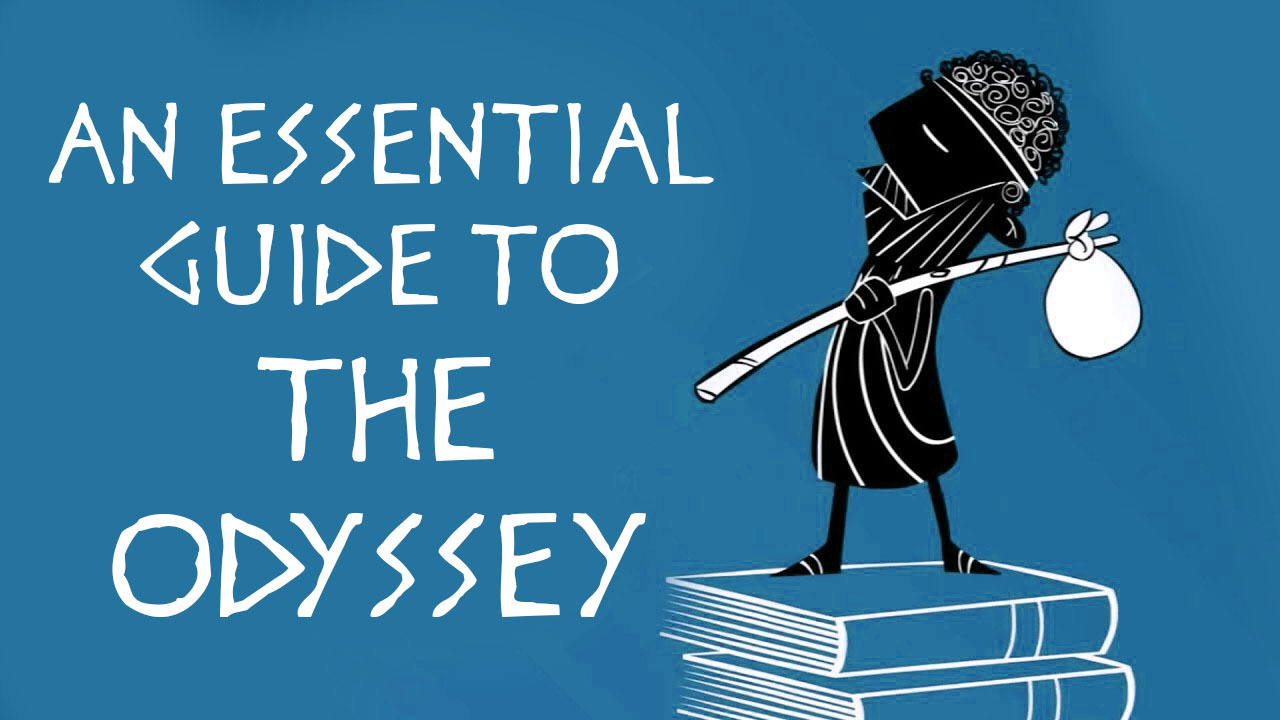
The enduring fascination with the classical world remains a cornerstone of modern educational discourse, particularly regarding the foundational works of Western literature. Homer’s The Odyssey, a sprawling epic poem consisting of approximately 12,000 lines, continues to serve as a primary subject for literary, historical, and scientific inquiry. As modern audiences grapple with the complex narratives of gods, monsters, and the arduous journey of the king of Ithaca, digital resources have emerged as essential tools for navigating the intricate layers of this ancient text. By integrating pedagogical video content with historical analysis, scholars and educators are providing a comprehensive framework for understanding the Trojan War and the subsequent journey of Odysseus.
Historical Context and Chronological Significance
The Odyssey, traditionally attributed to the blind bard Homer, is situated in the aftermath of the Trojan War, a conflict that has occupied a singular position in historical and archaeological debate for centuries. While the poem was transcribed in the eighth century BCE, it draws upon centuries of oral tradition. The narrative follows Odysseus, the king of Ithaca, as he navigates a ten-year journey home, marked by divine interference and encounters with mythological entities.
To contextualize this, the timeline of the Trojan War—often dated to the late Bronze Age, roughly 1200 BCE—is vital. The war itself, whether viewed through the lens of pure mythology or as a reflection of Mycenaean expansion into Anatolia, serves as the catalyst for the events in The Odyssey. The transition from oral tradition to written text represents a pivotal moment in human literacy, marking the preservation of cultural memory that might otherwise have been lost to the passage of time.
Analyzing the Trojan Horse and the Fall of Troy
One of the most debated aspects of the Trojan cycle is the stratagem of the Trojan Horse. Historical analyses often distinguish between the mythological depiction of the event and the potential reality of ancient siege warfare. The story of Laocoön, the priest who warned against accepting the wooden offering, remains a poignant example of the interplay between human caution and divine intervention in classical literature.
Modern investigations into the historical existence of Troy have yielded significant findings. The archaeological site of Hisarlik in modern-day Turkey, identified as the location of ancient Troy, demonstrates evidence of multiple layers of occupation and destruction. While archaeological data confirms the city was destroyed by fire and conflict, separating historical fact from Homeric hyperbole remains a primary focus for contemporary archaeologists. The debate centers on whether the Trojan War was a singular, cataclysmic event or a conflation of multiple regional conflicts during the late Bronze Age.
Scientific Inquiry into Mythological Phenomena
Recent interdisciplinary approaches have sought to bridge the gap between myth and science. Researchers, including those featured in contemporary academic discussions, have examined whether the "monsters" and "giants" described by Homer could be allegorical representations of natural phenomena. For instance, the descriptions of Charybdis and Scylla have been analyzed as potential metaphors for the treacherous currents and geological hazards encountered by ancient mariners in the Strait of Messina.
The application of scientific analysis to mythology does not seek to invalidate the artistic integrity of the work, but rather to provide a tangible link to the environment of the ancient Mediterranean. By mapping the geographical references in The Odyssey against modern maritime surveys, researchers have gained insights into how ancient navigators perceived their world, blending empirical observation with the prevailing cosmological beliefs of their time.
The Underworld and Ancient Cosmologies
The depiction of the Underworld, or Hades, in the Homeric epics provides critical insight into the ancient Greek perception of morality and the afterlife. Unlike later depictions that focus heavily on punishment, the archaic view of the afterlife was often characterized by the preservation of memory and the status of the deceased. The role of figures like the Sibyl of Cumae highlights the importance of the guide—the intermediary between the physical world and the realm of the shades.
From an anthropological perspective, these narratives reflect the societal anxieties of the eighth century BCE. The focus on lineage, the consequences of one’s actions, and the intervention of the Olympians served as a moral compass for a culture navigating a transition toward statehood and defined citizenship.
The Cultural Legacy of Greek Mythology
The influence of Greek mythology extends well beyond the classroom. The enduring appeal of characters like Achilles, the archetype of the tragic warrior, continues to inform modern storytelling. Achilles, born of a sea nymph and a king, represents the tension between mortal fragility and the desire for eternal glory—a theme that remains as relevant today as it was in antiquity.
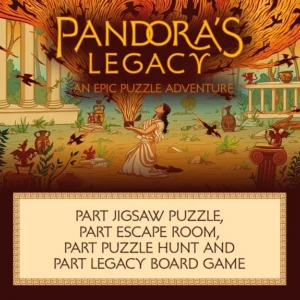
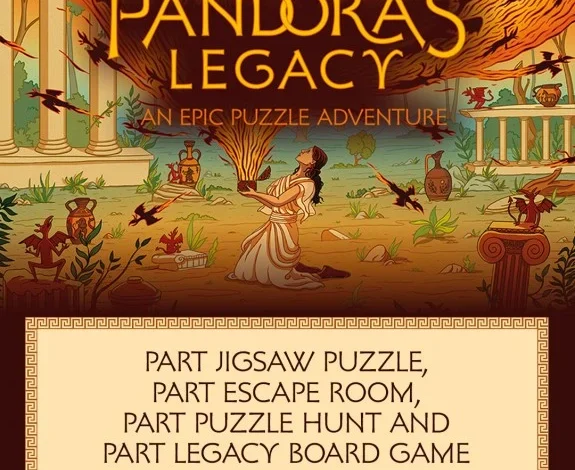
Furthermore, the integration of mythology into modern interactive media, such as the board game "Pandora’s Legacy," demonstrates the ongoing commodification and adaptation of classical themes. These platforms serve as a bridge, encouraging new generations to engage with complex narratives through play and problem-solving, effectively keeping the ancient traditions alive in a digital landscape.
Implications for Modern Education
The shift toward utilizing multi-media resources to teach classical literature has profound implications for educational accessibility. By breaking down 12,000 lines of verse into digestible, thematic segments—such as the nature of divine testing in the myth of Baucis and Philemon or the exploration of the Underworld—educators can foster a more nuanced understanding of ancient culture.
Supporting data from recent educational studies suggest that students who engage with supplementary media, including short-form video essays, demonstrate higher retention rates of historical context compared to those who rely solely on primary texts. The ability to visualize the geography of the Aegean, hear the oral traditions performed, and see the archaeological evidence of Troy creates a holistic learning experience that caters to diverse learning styles.
The Intersection of Fact and Allegory
The central question remains: how much of the Homeric cycle is grounded in historical reality? The consensus among modern historians is that while The Odyssey is a work of fiction, it is a fiction built upon a foundation of historical memory. The inclusion of real geographical locations, customs, and political dynamics suggests that the poem served as a repository of historical truth, filtered through the lens of mythic storytelling.
The figure of Zeus and his various tests, such as the myth of Baucis and Philemon, illustrate the importance of hospitality (xenia) in ancient Greek culture. These myths were not merely stories; they were essential social regulations, enforced by the threat of divine wrath, which ensured that travelers were protected and provided for—a necessary condition for trade and diplomacy in the ancient Mediterranean.
Conclusion and Future Perspectives
As digital tools continue to evolve, the study of Homeric epics will likely become more interactive and immersive. The intersection of archaeological discovery and digital storytelling offers a promising future for the humanities. By synthesizing the findings of historians, archaeologists, and literary critics, we can maintain the relevance of these ancient texts, ensuring that the lessons of Odysseus—his perseverance, his cunning, and his eventual return—continue to resonate with future generations.
The commitment to preserving these stories through modern media is not merely an academic exercise; it is an effort to maintain a connection to the origins of Western civilization. As we continue to uncover the realities behind the myths, the lines between the history of the ancient world and the literature of the epic poet will continue to blur, revealing a past that is as complex and vibrant as the stories that define it. The pursuit of this knowledge ensures that the gods, heroes, and monsters of Homer remain, as they have for millennia, an integral part of the human experience.