The escalating frequency and intensity of wildfires are fundamentally reshaping how the insurance industry assesses risk for hospitality businesses, moving beyond simple geographic considerations to a more nuanced evaluation of property resilience. This shift is compelling hotel operators and other tourism-dependent entities to invest in hardening their assets against the growing threat of fire. Recent devastating wildfire seasons across the U.S. and Europe underscore a stark reality: the traditional model of risk pricing is becoming obsolete as climate change amplifies the danger.
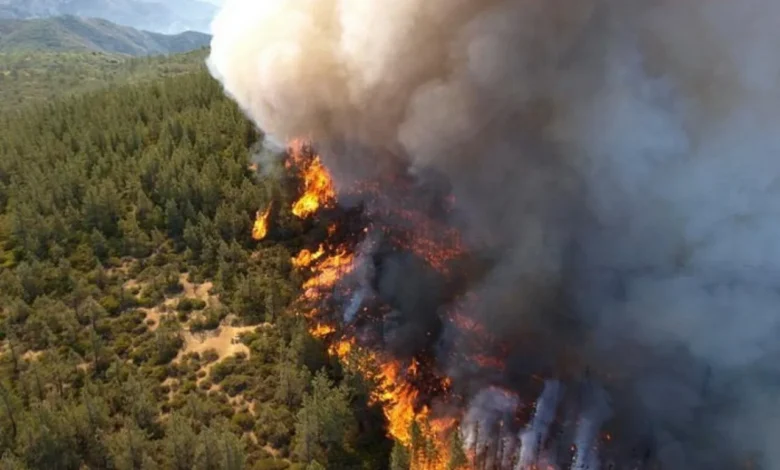
The landscape of wildfire threats is rapidly expanding, no longer confined to historically vulnerable regions. This summer, Europe has grappled with a trifecta of heatwaves, leaving vast tracts of land parched and highly susceptible to ignition. Simultaneously, North America has witnessed extensive blazes, with smoke plumes from Canadian wildfires blanketing major urban centers across the U.S. Midwest, Great Lakes, and East Coast. The impact is felt globally, with fires also raging across Spain, Greece, and the United Kingdom, demonstrating a widespread and interconnected environmental crisis.
Many hospitality establishments, by their very nature, are situated in close proximity to natural environments, often in picturesque locations that are also prime wildfire zones. Resorts, summer camps, wineries, ski areas, and lodges nestled within or adjacent to national parks are particularly exposed. However, the threat is not limited to properties directly in the path of flames. The pervasive reach of smoke and embers, carried by prevailing winds, can disrupt operations, impact air quality, and deter guests even from areas geographically distant from active fire fronts.
For hotels and other accommodation providers facing this heightened exposure, the consequences are multifaceted and severe. Potential impacts include decreased occupancy rates as travelers postpone or cancel bookings due to safety concerns or compromised environmental conditions. Operational costs can soar due to necessary evacuations, increased cleaning requirements to mitigate smoke damage, and the need for temporary closures. Most critically, insurance premiums are on an upward trajectory, reflecting the escalating risk profile. The economic fallout can be substantial, as exemplified by Maui’s 2023 wildfires, which saw a staggering 61% year-on-year decline in tourism spending, and the destruction wrought by Los Angeles fires, impacting a significant number of properties.
The Shifting Insurance Landscape: From Location to Resilience
Insurers are increasingly recognizing that a property’s physical characteristics and its proactive measures to mitigate fire risk are becoming as critical as its geographic location. This paradigm shift means that a hotel’s insurance premium will no longer be solely determined by whether it sits in a known wildfire zone. Instead, underwriters are now factoring in the tangible resilience of a property. This includes evaluating the materials used in its construction, the landscaping around the building, the presence of defensible space, and the implementation of fire-resistant building codes and technologies.
This new underwriting approach is a direct response to the escalating financial losses experienced by the insurance industry. As wildfires become more frequent and destructive, the traditional actuarial models, which often relied on historical data and broad regional assessments, are proving insufficient. The increasing unpredictability and severity of these events necessitate a more granular and forward-looking approach to risk assessment.
A Timeline of Escalating Threats and Evolving Responses
The past decade has witnessed a marked increase in the severity and frequency of wildfire events globally, painting a grim chronological picture of the growing threat to hospitality infrastructure.
- 2013-2015: Several significant wildfire seasons in California, characterized by rapid spread and substantial property damage, began to highlight the vulnerabilities of the built environment in fire-prone areas. While insurance impacts were notable, the full implications for the hospitality sector were still emerging.
- 2017-2018: Catastrophic wildfires, such as the Camp Fire in California, which devastated the town of Paradise and significantly impacted nearby tourism infrastructure, demonstrated the devastating potential of extreme fire behavior. These events led to substantial insurance claims and a reevaluation of risk in high-risk zones.
- 2019-2020: Australia experienced its "Black Summer," an unprecedented wildfire season that burned vast areas of land, destroyed homes and businesses, and had a profound impact on tourism. The scale of destruction prompted a global recognition of the amplified threat posed by climate change.
- 2021: Wildfires continued to affect regions across the globe, including the Western United States and parts of Europe, with increasing intensity. Smoke pollution became a significant issue, impacting tourism even in areas not directly threatened by flames.
- 2022: Europe endured a particularly brutal summer of heatwaves and wildfires, with countries like Spain, Portugal, and France experiencing extensive fire activity. This period marked a significant escalation of the threat in regions not traditionally considered extreme wildfire hotspots.
- 2023: The wildfire season has been exceptionally severe. Canada experienced its worst fire season on record, sending smoke across North America. Maui’s devastating wildfires led to a catastrophic loss of life and infrastructure, decimating the island’s vital tourism industry. Southern Europe again faced intense heat and widespread fires, impacting popular tourist destinations.
This evolving timeline illustrates a clear trend: wildfires are becoming more common, more intense, and more widespread. This escalating reality is directly influencing the insurance market’s response, forcing a recalibration of risk assessment and pricing strategies.
Supporting Data: The Financial and Environmental Toll
The economic impact of wildfires on the hospitality sector is substantial and growing, supported by a range of data points:
- Increased Insurance Premiums: While specific figures vary by region and property, industry reports indicate a significant rise in property insurance premiums in wildfire-prone areas. Some insurers have withdrawn coverage altogether from certain high-risk zones, forcing property owners to seek coverage from state-backed insurers of last resort, which often come with higher costs and more restrictive terms.
- Economic Losses from Disruption: The 2023 Maui wildfires provide a stark example. The Hawaii Tourism Authority reported a 61% year-on-year drop in tourism spending in the months following the fires. This translates to billions of dollars in lost revenue for hotels, restaurants, tour operators, and other businesses reliant on visitor dollars.
- Property Damage Costs: The cost of rebuilding or repairing properties damaged by wildfires can be astronomical. The total insured losses from wildfires in the U.S. alone have reached billions of dollars annually in recent years. For individual hotels, the cost of repairing fire damage, replacing amenities, and addressing smoke infiltration can run into millions.
- Displacement and Evacuations: Large-scale evacuations, often mandated by authorities due to imminent wildfire threats, result in immediate operational disruptions. Hotels are forced to cease operations, incurring costs associated with guest relocation, staff displacement, and lost revenue. The sheer volume of tourists and residents evacuated in regions like southwestern France in the past week highlights the scale of these disruptions.
- Smoke Impact on Tourism: Beyond direct fire damage, pervasive smoke pollution can severely deter tourism. Studies have shown that even moderate levels of smoke can lead to significant declines in visitor numbers and reduced spending as potential tourists opt for destinations with clearer air. The economic implications of smoke-induced cancellations and reduced bookings are difficult to quantify precisely but are understood to be substantial.
- Climate Change Projections: Scientific consensus, as highlighted by the Intergovernmental Panel on Climate Change (IPCC), indicates that climate change will continue to exacerbate wildfire risk. Projections suggest an increase in both the frequency and intensity of extreme heat events and droughts, leading to longer and more severe wildfire seasons in many regions. This trend suggests that the current challenges faced by the hospitality sector are likely to intensify.
Official Responses and Industry Adaptations
In response to the escalating threat and the evolving insurance landscape, various stakeholders are taking action:
- Insurance Industry Innovation: Insurers are developing new underwriting tools and risk assessment methodologies that incorporate property-level resilience factors. This includes utilizing advanced data analytics, satellite imagery, and on-the-ground assessments to evaluate a property’s vulnerability to fire. The emphasis is shifting towards encouraging and rewarding proactive risk mitigation.
- Government Initiatives: Governments are increasingly implementing policies aimed at wildfire prevention and mitigation. These can include stricter building codes in fire-prone areas, incentives for property owners to create defensible space, and investments in forest management practices aimed at reducing fuel loads. Some governments are also exploring ways to support the insurance market and ensure coverage availability in high-risk regions.
- Hospitality Sector Adaptation: Hotel operators are responding by investing in fire-resistant building materials, implementing landscaping strategies that reduce fuel proximity to structures (e.g., removing dry vegetation, creating buffer zones), installing advanced fire detection and suppression systems, and developing comprehensive emergency preparedness and evacuation plans. Many are also seeking certifications and accreditations that demonstrate their commitment to fire safety and resilience.
- Community-Level Planning: In areas with high wildfire risk, there is a growing emphasis on community-level planning and collaboration. This involves coordinated efforts between local authorities, fire departments, businesses, and residents to develop integrated wildfire management strategies.
Broader Impact and Implications for the Future of Travel
The increasing prioritization of wildfire resilience by insurers and the subsequent pressure on hospitality businesses have far-reaching implications for the broader travel industry and the communities that depend on it.
Firstly, this trend could lead to a bifurcation of the market. Properties that invest heavily in resilience may find themselves in a more secure insurance position and better equipped to withstand and recover from fire events. Conversely, those that cannot afford or choose not to invest in hardening may face significantly higher insurance costs, reduced coverage, or even become uninsurable, potentially leading to closures and economic hardship.
Secondly, the emphasis on resilience could influence where new tourism developments are approved. Local planning authorities may become more stringent in their assessments of fire risk and require developers to demonstrate robust fire mitigation strategies from the outset. This could lead to a more deliberate and cautious approach to tourism development in vulnerable areas.
Thirdly, for travelers, the long-term implications might include increased travel costs as businesses pass on higher insurance premiums and operational expenses to consumers. There may also be a greater awareness among travelers about the environmental risks associated with their destinations, potentially influencing booking decisions. Destinations that effectively demonstrate their commitment to resilience and safety may gain a competitive advantage.
Finally, this shift underscores the profound interconnectedness of climate change, risk management, and economic stability. The hospitality sector, a vital engine for many economies, is on the front lines of climate-induced environmental challenges. The insurance industry’s response, while driven by financial necessity, serves as a powerful catalyst for adaptation and a stark reminder that proactive measures are essential for the long-term sustainability of tourism and the well-being of communities worldwide. The future of travel will undoubtedly be shaped by the ability of destinations and their infrastructure to adapt to a changing climate.