Hawleys DeepSeek AI Bill A Deep Dive
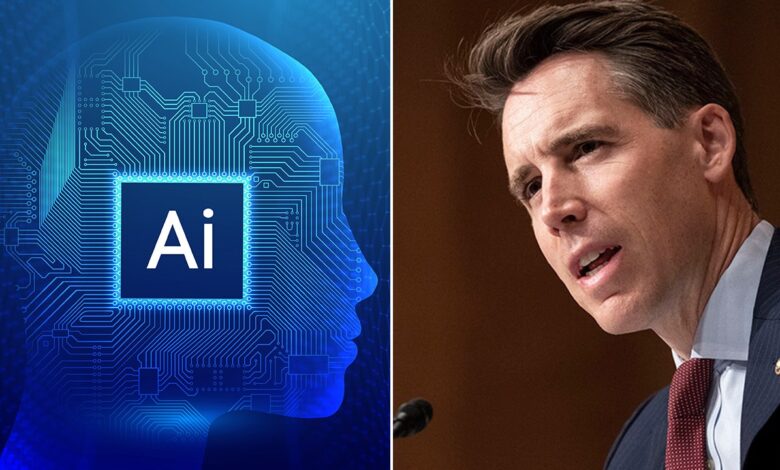
Us senator josh hawley bill deepseek ai – US Senator Josh Hawley’s bill regarding DeepSeek AI is generating significant debate. This legislation seeks to regulate the powerful capabilities of this AI, raising questions about its potential societal impacts. The bill’s specifics, motivations, and potential consequences are all areas demanding careful consideration.
This article explores the proposed legislation, analyzing its provisions, potential impacts on DeepSeek AI’s development, and the diverse perspectives surrounding it. From the technical functionalities of DeepSeek AI to alternative approaches, this comprehensive overview will equip readers with a deeper understanding of this critical issue.
Senator Hawley’s Bill: DeepSeek AI
Senator Josh Hawley’s proposed legislation regarding DeepSeek AI, a powerful AI technology, aims to address concerns about its potential misuse and ensure responsible development and deployment. The bill seeks to establish clear guidelines and oversight mechanisms to prevent the technology from being exploited for malicious purposes. This legislation is part of a broader national discussion on the ethical and societal implications of advanced artificial intelligence.
Bill Summary
The proposed legislation, focusing on DeepSeek AI, Artikels specific regulations and restrictions. These provisions aim to prevent the unauthorized use of the technology for activities like deepfakes, disinformation campaigns, and other forms of harmful content creation. The bill seeks to establish a framework for accountability and oversight within the development and implementation of DeepSeek AI.
Specific Provisions
This bill includes a set of detailed provisions to address the challenges posed by DeepSeek AI. These provisions address areas including but not limited to:
- Data Security and Privacy: The bill mandates robust data security protocols to protect user information from unauthorized access and misuse. This involves implementing encryption and access controls to safeguard personal data processed by DeepSeek AI.
- Transparency Requirements: Clear labeling and disclosure requirements are in place to ensure users understand when they are interacting with AI-generated content, thereby preventing the spread of misinformation. This involves prominently displaying indicators or warnings to differentiate AI-generated content from human-created content.
- Liability and Accountability: The bill establishes clear lines of liability for developers, distributors, and users of DeepSeek AI, holding them responsible for the misuse of the technology. This involves mechanisms to hold individuals accountable for damages arising from the misuse of DeepSeek AI.
Political Motivations and Potential Impacts
The bill’s introduction reflects growing political concern about the potential misuse of AI technologies. The legislation is intended to protect the public from malicious actors who might exploit AI for harmful purposes, like the creation of realistic but false media. The bill’s potential impacts are wide-ranging, impacting the technology industry, media outlets, and the public. It may lead to increased scrutiny and regulation of AI technologies, potentially affecting innovation and development.
History of Similar Legislation
Previous legislation has touched upon aspects of AI regulation, but no specific bill directly addresses the unique characteristics of DeepSeek AI. The history of similar legislation in the US involves various attempts to regulate AI applications, with varying degrees of success. This includes legislation aimed at controlling deepfakes and misinformation, but not specifically targeting AI platforms like DeepSeek.
Intended Outcomes and Goals
The intended outcomes of Senator Hawley’s bill are to establish a framework for responsible AI development and deployment, and to safeguard the public from potential harms. The bill aims to promote trust and confidence in AI technologies by ensuring accountability and transparency. The goal is to mitigate risks while fostering innovation and responsible development in the AI space.
Comparison Table
| Feature | Senator Hawley’s Bill | Previous Legislation (e.g., Deepfake Legislation) |
|---|---|---|
| Focus | DeepSeek AI specific features, data security and liability | Broader issues of deepfakes and misinformation |
| Scope | Narrower, focusing on a specific AI platform | Broader, encompassing multiple AI applications |
| Specific Provisions | Detailed provisions on data security, transparency, and accountability | Provisions may vary, often lacking specific details for each AI type |
DeepSeek AI
DeepSeek AI, as proposed by Senator Josh Hawley, represents a significant advancement in artificial intelligence, promising to revolutionize various sectors. This technology aims to leverage sophisticated algorithms and vast datasets to unlock previously inaccessible insights. Its potential to enhance decision-making and solve complex problems is considerable, but the associated societal implications must also be carefully considered.DeepSeek AI, in its core functionality, is designed to analyze complex data sets with exceptional speed and accuracy.
It employs machine learning techniques to identify patterns, make predictions, and ultimately offer actionable insights that can be utilized for improved decision-making across numerous domains. This capability is intended to be particularly effective in handling large, multi-faceted data sources, making it adaptable to diverse applications.
Core Functionalities
DeepSeek AI’s core functionalities revolve around its ability to process and interpret large volumes of data. Its primary capabilities include pattern recognition, predictive modeling, and anomaly detection. This allows for proactive identification of potential risks and opportunities, leading to more informed decisions. The speed and precision of its analysis are key factors in its potential impact.
Potential Applications
DeepSeek AI’s applications span a wide range of sectors. In healthcare, it can assist in disease diagnosis and treatment optimization. By analyzing patient data and medical literature, it could identify potential health risks and suggest tailored treatment plans. In finance, it could be used to detect fraudulent activities and improve risk assessment. Furthermore, in environmental science, DeepSeek AI could help model climate change impacts and optimize resource management strategies.
Data Handling and Privacy
DeepSeek AI’s success hinges on its ability to handle and protect sensitive data responsibly. Data collection and usage must be carefully regulated to ensure privacy and avoid potential biases. Robust security measures are crucial to prevent data breaches and unauthorized access. Transparent data handling practices are essential to build public trust.
Societal Benefits and Drawbacks
DeepSeek AI presents a range of societal benefits, including improved healthcare outcomes, enhanced financial security, and more sustainable environmental practices. However, concerns exist regarding potential job displacement and the ethical implications of using AI in sensitive areas like healthcare and criminal justice. Careful consideration of these issues is essential to ensure the responsible development and deployment of this technology.
Technical Aspects
DeepSeek AI’s technical underpinnings involve advanced machine learning algorithms and robust infrastructure. The specific algorithms employed will likely be proprietary and contribute to the technology’s unique capabilities. The scalability and reliability of the underlying infrastructure will determine its practical application and effectiveness in handling vast datasets. For instance, a cloud-based architecture could offer significant advantages in terms of scalability and cost-effectiveness.
Potential Uses Across Various Fields
| Field | Potential Use |
|---|---|
| Healthcare | Predictive modeling of disease outbreaks, personalized treatment plans, early detection of anomalies |
| Finance | Fraud detection, risk assessment, algorithmic trading |
| Environmental Science | Climate change modeling, resource optimization, environmental impact assessment |
| Transportation | Traffic optimization, autonomous vehicle development, accident prevention |
| Manufacturing | Predictive maintenance, quality control, process optimization |
Potential Impacts of the Bill on DeepSeek AI
Senator Hawley’s DeepSeek AI bill proposes significant regulations aimed at mitigating potential risks associated with the technology. Understanding the potential impacts on the development and deployment of DeepSeek AI is crucial for evaluating the bill’s overall effectiveness and potential consequences. This analysis delves into the various facets of these impacts, from economic implications to ethical considerations and technological advancements.The DeepSeek AI bill, in its current form, presents a complex interplay of benefits and drawbacks.
While the stated goal is to ensure responsible development and deployment, the specifics of the bill’s provisions could inadvertently stifle innovation or disproportionately impact certain sectors.
Potential Effects on Development and Deployment
The bill’s regulations on data collection, algorithm transparency, and potential bias in DeepSeek AI could significantly impact the speed and scope of its development. Stricter guidelines on data sourcing and usage might lead to delays in training models, as companies navigate complex compliance procedures. This could, in turn, affect the accuracy and efficacy of the AI, especially if crucial data sources are restricted or deemed inaccessible.
Conversely, increased transparency in algorithms could foster trust and acceptance, potentially accelerating the adoption of DeepSeek AI in various fields.
Economic Consequences
The economic consequences of the DeepSeek AI bill are multifaceted and potentially far-reaching. Job creation in the AI sector could be affected by the regulatory burden. While new roles might emerge to oversee compliance and ethical considerations, existing roles focused on AI development might face reduced opportunities. This could be further compounded if the bill’s provisions make DeepSeek AI development less attractive to investors.
Furthermore, the bill’s impact on the competitiveness of U.S. companies in the global AI market is a significant concern.
Social Impacts and Ethical Implications
The DeepSeek AI bill’s impact on society is deeply intertwined with its ethical implications. The bill’s provisions regarding algorithmic bias and fairness raise critical questions about the potential for exacerbating existing societal inequalities. For instance, if DeepSeek AI is used for loan applications, the bill’s emphasis on bias mitigation could be essential in preventing discriminatory outcomes. However, overly strict regulations could also limit the potential benefits of AI in fields like healthcare, where precise and accurate diagnoses are critical.
Senator Hawley’s DeepSeek AI bill is certainly intriguing, but it’s worth considering the broader implications for digital assets. Given the potential for Bitcoin to become a valuable, scarce asset, perhaps even a US strategic reserve, as David Sacks argues in his piece on bitcoin scarce valuable us strategic reserve david sacks , the implications for AI development and national security need careful consideration.
Ultimately, Hawley’s bill will likely have a substantial impact on the future of AI and digital assets.
Impact on Innovation and Technological Advancement
The DeepSeek AI bill’s impact on innovation is uncertain. While some argue that regulations are essential for responsible innovation, others fear that the bill’s provisions could stifle innovation by creating an environment of excessive compliance costs. The potential for international competition is another crucial factor to consider. If the bill makes DeepSeek AI development less attractive in the U.S., companies may relocate their operations to jurisdictions with less stringent regulations, impacting the U.S.’s global competitiveness in AI.
Comparison to Other Regulations
Comparing the DeepSeek AI bill to existing regulations on similar technologies is essential to assess its potential impact. Regulations on autonomous vehicles, for example, have demonstrated that the balance between safety and innovation can be challenging to strike. Analyzing these precedents can provide insights into the potential consequences of the DeepSeek AI bill. Similar analyses should be done for the impact of existing regulations on other AI technologies.
Potential Scenarios and Impacts on DeepSeek AI
| Scenario | Impact on DeepSeek AI Development | Impact on Economic Growth | Impact on Societal Equity |
|---|---|---|---|
| Increased Compliance Costs | Slower development, reduced innovation | Potential job losses, reduced investment | Potential for exacerbation of existing inequalities |
| Focus on Transparency and Fairness | Increased trust and adoption, potential for ethical improvements | Job creation in compliance roles, potential for market expansion | Potential for fairer outcomes in various applications |
| International Regulatory Divergence | Potential for “regulatory arbitrage,” relocation of DeepSeek AI development | Economic benefits for some countries, potential loss of jobs in U.S. | Uneven application of ethical standards across countries |
Public Reaction and Stakeholder Perspectives: Us Senator Josh Hawley Bill Deepseek Ai
Senator Josh Hawley’s DeepSeek AI bill has sparked a wide range of reactions from various stakeholders. Public discourse has centered on the bill’s potential impacts on national security, data privacy, and the future of artificial intelligence. Concerns about potential misuse of advanced AI technologies and the need for robust regulatory frameworks have been prominent themes.The bill’s proponents and opponents have articulated their views based on differing interpretations of its intended outcomes.
This analysis explores the diverse perspectives of key stakeholders, including industry representatives, civil society groups, and academics, shedding light on the nuances of the debate surrounding the DeepSeek AI bill.
Public Response to the Bill
Public reaction to the DeepSeek AI bill has been mixed, with strong opinions voiced on both sides. Many expressed concerns about the potential for misuse of advanced AI technologies, particularly regarding national security implications. Others highlighted the potential benefits of AI in various sectors, like medical diagnostics and scientific research.
Stakeholder Perspectives on the Bill
Various stakeholders have presented their views on the DeepSeek AI bill. Industry representatives, for instance, have voiced concerns about potential regulatory burdens and their impact on innovation. Civil society groups, on the other hand, have emphasized the need for robust data privacy protections and ethical guidelines. Academic researchers have provided insights into the potential benefits and risks of advanced AI technologies.
Senator Josh Hawley’s DeepSeek AI bill is definitely sparking debate, but the current crypto regulation shifts, like the ones seen as Bitcoin eyes 105k amid a liquidity boost here , are also creating a lot of ripples. This all raises questions about how these evolving regulations might impact the AI’s development and potential future applications in the financial sector, and ultimately, how Hawley’s bill will navigate this changing landscape.
Industry Representatives’ Positions
Industry representatives generally expressed concerns about potential regulatory burdens imposed by the bill. Some argued that the bill’s stringent requirements might stifle innovation and hinder the development of cutting-edge AI technologies. A common argument involved the potential for the bill to disadvantage American companies in the global AI race, hindering their competitiveness in the market. A representative from a major technology company stated, “Excessive regulation can stifle innovation, and this bill may create unnecessary obstacles for companies seeking to develop and deploy AI technologies.”
Civil Society Groups’ Perspectives
Civil society groups have emphasized the importance of data privacy protections and ethical considerations in the development and deployment of AI. They stressed the need for robust safeguards to prevent potential misuse of AI technologies. Many argued that the bill’s current framework may not adequately address the concerns of data security and algorithmic bias. A prominent civil society group noted, “We believe that any legislation concerning AI must prioritize the protection of individual rights and ensure accountability for potential harm.”
Academic Perspectives on the Bill’s Impact on National Security
Academic researchers have provided various viewpoints on the bill’s impact on national security. Some argue that the bill’s provisions will strengthen national security by establishing a framework for AI development and deployment. Others express concerns about potential unintended consequences, suggesting that the bill’s overly restrictive measures could weaken the nation’s ability to compete with other global powers in the AI sphere.
One academic publication highlighted the need for a balanced approach that recognizes both the benefits and risks of advanced AI technologies.
Table: Stakeholder Positions on the DeepSeek AI Bill
| Stakeholder Group | Position on the Bill | Key Arguments |
|---|---|---|
| Industry Representatives | Mixed, predominantly negative | Concerns about regulatory burdens, potential for stifling innovation, and impact on competitiveness. |
| Civil Society Groups | Cautious support with reservations | Emphasize data privacy, ethical considerations, and the need for safeguards to prevent misuse. |
| Academic Researchers | Mixed, advocating for a balanced approach | Highlighting both benefits and risks of advanced AI technologies, and potential unintended consequences of overly restrictive measures. |
Alternative Approaches and Solutions
Senator Hawley’s DeepSeek AI bill, while aiming to address potential risks, might stifle innovation. Alternative approaches prioritize a more balanced approach, fostering responsible development and deployment of the technology while mitigating potential harms. This necessitates a multifaceted strategy involving international cooperation, adaptable regulatory frameworks, and proactive ethical guidelines.A balanced approach to regulating DeepSeek AI requires careful consideration of the potential benefits and risks, and a nuanced understanding of the technology’s evolving capabilities.
Senator Josh Hawley’s bill regarding DeepSeek AI is definitely grabbing attention, and it’s interesting to see how this legislation is shaping up. It’s a hot topic, and you can find plenty of coverage of it, including the latest developments, in prominent news sources like google top stories. The potential implications of this bill for the future of AI are significant, and will likely continue to be a major talking point for quite some time.
This includes recognizing that DeepSeek AI’s development is a global process, requiring global cooperation to address its challenges.
Alternative Regulatory Frameworks
Different countries and international bodies are exploring diverse approaches to regulating AI. Some prioritize a risk-based approach, focusing on specific applications or use cases with high potential harm. Others lean towards a more general framework, setting broad principles for responsible AI development. The critical aspect is to strike a balance between innovation and safety.
- Risk-Based Approaches: This approach involves assessing the potential risks associated with specific applications of DeepSeek AI. For instance, if DeepSeek AI is used in autonomous weapons systems, stricter regulations might be needed compared to applications in data analysis. This targeted approach allows for greater flexibility and avoids overregulation in less-risky areas.
- International Standards and Guidelines: International bodies, such as the OECD, are developing principles and guidelines for responsible AI development. These efforts encourage collaboration among nations, fostering a global consensus on ethical AI development and deployment. Examples of such principles include ensuring transparency, accountability, and fairness in the design and use of AI systems.
- Adaptive Frameworks: Regulations should be adaptable to the dynamic nature of AI technology. This means frameworks should be periodically reviewed and updated to reflect new advancements and emerging risks. The pace of technological change requires regulations that can evolve with it. The EU’s approach to AI regulation provides a potential model for an adaptive framework.
Adapting Existing Frameworks
Existing legal frameworks, such as data protection laws, consumer protection laws, and intellectual property rights, can be adapted to address the specific concerns raised by DeepSeek AI. For instance, data privacy regulations can be strengthened to protect individuals from potential misuse of their data by DeepSeek AI.
- Data Privacy and Security: Regulations governing data collection, storage, and use must be robust enough to protect individuals from potential harm caused by DeepSeek AI. This involves implementing strong encryption protocols and anonymization techniques to ensure the privacy of sensitive information processed by the AI system.
- Transparency and Explainability: Regulations should mandate transparency in the operation of DeepSeek AI systems. Clear explanations of how the AI arrives at its decisions should be provided, especially in critical applications. This transparency can help build trust and ensure accountability.
- Accountability and Liability: Mechanisms for accountability and liability should be established to address potential harm caused by DeepSeek AI. This includes defining responsibilities for developers, users, and operators of the AI system. This will help establish appropriate legal recourse if issues arise.
International Cooperation
Global challenges necessitate international cooperation. DeepSeek AI, being a global technology, demands a collaborative approach to address its ethical and safety implications. This includes establishing common standards, sharing best practices, and coordinating regulatory efforts.
- Harmonization of Regulations: International cooperation is crucial to harmonize regulations across different countries. This will create a more predictable and consistent environment for the development and deployment of DeepSeek AI.
- Knowledge Sharing and Best Practices: Sharing best practices and knowledge about AI safety and ethical considerations among nations will strengthen the global response to the challenges posed by this technology.
- Joint Research and Development: Collaborative research and development efforts can lead to the creation of safer and more reliable AI systems. This will contribute to a more robust understanding of the potential risks and benefits of DeepSeek AI.
Comparative Analysis
| Feature | Senator Hawley’s Bill | Alternative Regulatory Approaches |
|---|---|---|
| Focus | Restricting development and deployment of DeepSeek AI | Balancing innovation with safety, fostering responsible development |
| Approach | Prescriptive, top-down | Risk-based, adaptive, international cooperation |
| Flexibility | Limited | High |
| Innovation | Potentially Stifling | Promoting |
Future Trends and Considerations
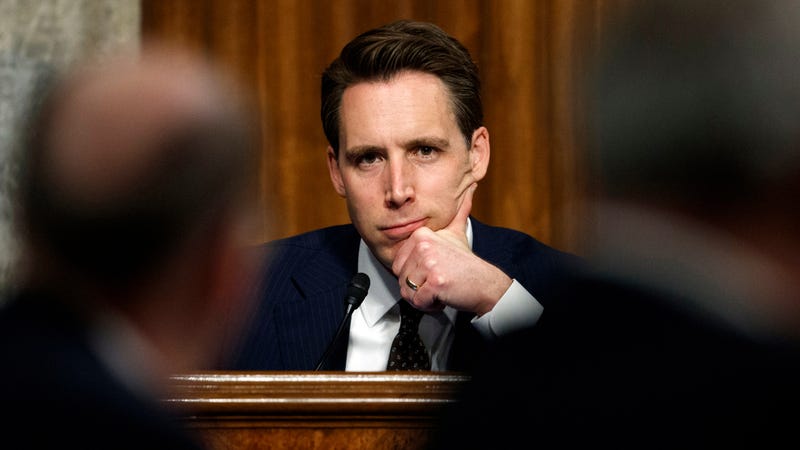
The DeepSeek AI bill, and the broader AI landscape, is poised for rapid evolution. Understanding future trends in AI development and regulation is crucial for navigating the potential impacts of this legislation. This involves considering not only the technological advancements themselves, but also the ethical, societal, and economic implications that will inevitably arise.Predicting the precise trajectory of AI development is inherently challenging, but by analyzing current advancements and considering potential scenarios, we can better anticipate the future.
The bill’s impact on DeepSeek AI, and the wider field, hinges on the speed of technological advancement and the effectiveness of regulatory responses.
Future Trends in AI Development
The field of artificial intelligence is rapidly evolving, with advancements in machine learning, natural language processing, and computer vision driving progress. Deep learning models, particularly large language models (LLMs), are becoming increasingly sophisticated, capable of performing tasks previously considered exclusive to human intelligence. This trend will likely accelerate, leading to more powerful and versatile AI systems in the coming years.
For example, the ability of LLMs to generate creative content, translate languages, and summarize information is already transforming industries and everyday life. These developments will continue to reshape the future of DeepSeek AI and its applications.
Potential Implications for DeepSeek AI
The future of DeepSeek AI will be significantly influenced by advancements in AI capabilities. More sophisticated AI systems could potentially enhance the bill’s goals by improving data analysis and identification of patterns. However, the same advancements could also introduce new challenges, such as the potential for misuse of DeepSeek AI’s capabilities or the need to adapt to evolving privacy concerns.
Consider the evolving nature of cybersecurity threats in the digital age.
Potential Future Challenges and Opportunities
The development of DeepSeek AI presents both opportunities and challenges. Opportunities include the potential to improve public safety, enhance security, and address societal issues. Challenges include the need to mitigate potential biases in algorithms, ensuring transparency and accountability, and addressing concerns about job displacement. Real-world examples of AI’s use in areas like facial recognition demonstrate the need for careful consideration of the ethical implications.
Role of Education and Public Awareness
Public awareness and education play a critical role in shaping the future of DeepSeek AI. Educating the public about the potential benefits and risks of AI is essential for fostering informed public discourse and policymaking. A well-informed public is better equipped to engage in discussions about the ethical and societal implications of DeepSeek AI. For example, educational programs that explain how AI works and its limitations can help people understand how to use AI responsibly.
Importance of Ongoing Dialogue and Collaboration, Us senator josh hawley bill deepseek ai
Open dialogue and collaboration among policymakers, researchers, industry representatives, and the public are essential to navigate the societal implications of DeepSeek AI. Effective collaboration can lead to the development of policies and guidelines that address potential risks while maximizing the benefits of this technology.
Predictions about Long-Term Impacts
DeepSeek AI’s long-term impacts are likely to be profound and multifaceted. It could lead to significant improvements in public safety and security, but also necessitate adaptations in legal frameworks and social norms. The future development and application of AI will likely create new job opportunities in fields like AI development and ethical considerations, but also raise concerns about the displacement of workers in other sectors.
Table: Potential Future Developments in AI and Regulation
| Area | Potential Development | Implications for DeepSeek AI |
|---|---|---|
| AI Capabilities | Increased sophistication of AI models; development of more general-purpose AI | Enhanced data analysis, potentially improved security measures, but also potential for misuse and biases. |
| Regulation | Strengthening of data privacy laws; development of ethical guidelines for AI | Ensuring responsible use of DeepSeek AI data, protecting user privacy, and mitigating potential harm. |
| Public Awareness | Increased public understanding of AI; development of educational programs | More informed public discourse and policymaking related to DeepSeek AI. |
Outcome Summary
Senator Hawley’s DeepSeek AI bill presents a complex challenge to the AI landscape. Balancing innovation with societal concerns is crucial, and the debate surrounding this legislation highlights the need for careful consideration of both potential benefits and drawbacks. Alternative approaches and international collaborations will be essential to navigating this evolving technological frontier.