The discrepancy between the project’s high-profile pedigree and its granular execution has sparked a debate within the New York City construction and arts communities regarding project management, contractor priorities, and the immense pressure of meeting deadlines for cultural institutions. As the dust settles on the Bowery, the story of the New Museum expansion reveals the chaotic reality of high-stakes architecture in a city where the line between "starchitecture" and a construction "rush job" is increasingly thin.
The Architectural Vision and the OMA Debut
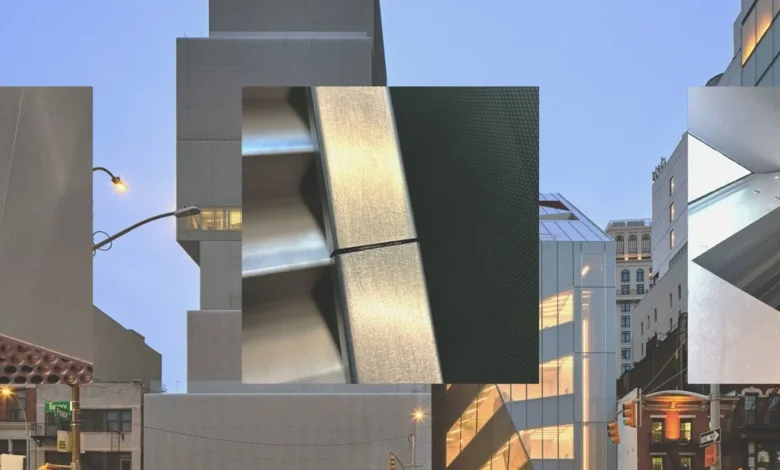
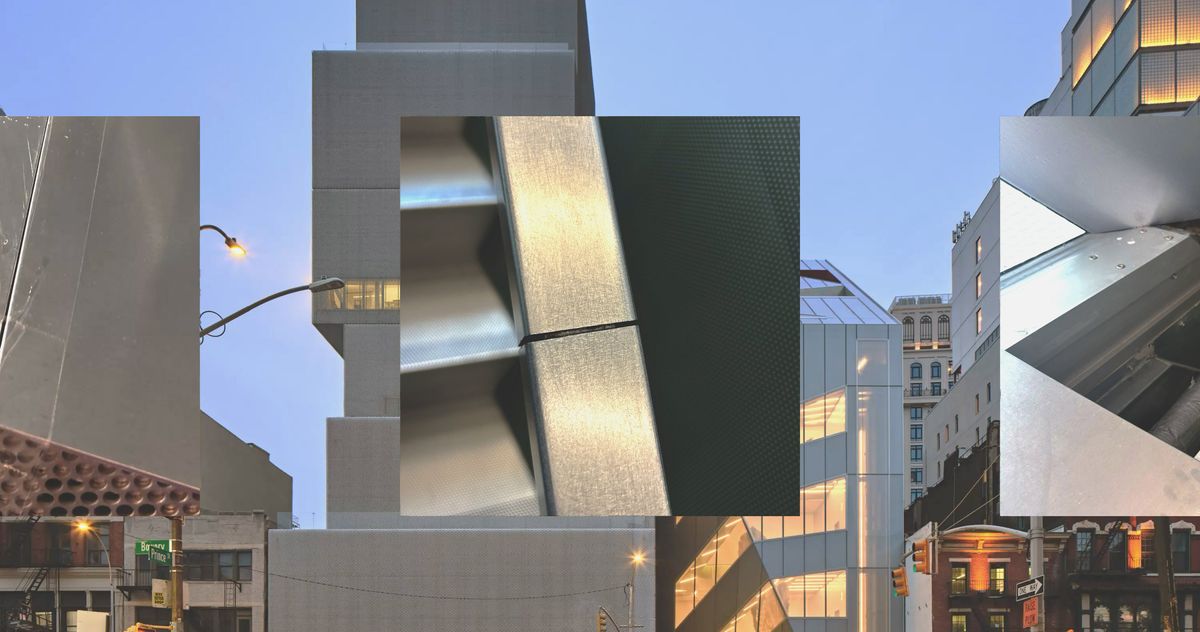
Designed by Shohei Shigematsu and Rem Koolhaas of OMA, the new building was intended to double the museum’s exhibition space, providing much-needed room for its growing contemporary art programs. The addition, a sharp, angular contrast to the stacked-box aesthetic of the original SANAA-designed building next door, was envisioned as a seamless extension of the museum’s identity.
Critics initially lauded the design for its "brilliantly subtle" integration into the Bowery’s evolving cityscape. The structure features a glass-and-steel facade that plays with transparency and light, intended to make the institution feel more accessible to the public. However, the "sleek, slick, and glossy" exterior described in early reviews began to face scrutiny when the finer details were inspected during the press preview and opening week. Christopher Hawthorne, writing in his Punch List newsletter, noted that the building appeared "studiously aloof and photogenic," but only if one avoided looking too closely at the craftsmanship.
The most glaring issues were found in the grand staircase—the building’s primary circulation artery. Instead of the precision-engineered finish expected of an $82 million project, the staircase featured clear packing tape holding together components of the railing. Furthermore, "Pollockian splatters" of black paint and worker fingerprints were reportedly sealed for eternity under permanent glass fixtures. For a firm like OMA, which has built its reputation on avant-garde precision, these errors were more than mere cosmetic flaws; they were seen as a breakdown in the transition from blue-chip design to physical reality.
A Decade of Delays: The Chronology of the Expansion
The road to the March 2026 opening was long and fraught with complications. To understand the current state of the building, one must look at the timeline of its development:
- 2016–2019: The New Museum announces its ambitious expansion plans, selecting OMA to lead the design. Fundraising begins for what was then estimated to be a more modest budget.
- 2019: The official design is unveiled to the public, showcasing the 60,000-square-foot addition that would replace the museum’s adjacent property.
- 2020–2021: The COVID-19 pandemic halts progress. Supply chain disruptions and shifts in the city’s construction landscape push the projected 2022 opening date into the future.
- 2022: Construction finally begins in earnest. The budget swells to $82 million as labor and material costs rise in the post-pandemic economy.
- 2024: A planned reopening is pushed back for "mysterious reasons," later attributed to scheduling conflicts and delays in specialized manufacturing.
- Early 2026: A hard deadline of March 21 is set for the press preview. Subcontractors report a "mad dash" to finish the interiors.
- Late March 2026: The building opens to the public, albeit with visible "blue tape" and temporary fixes.
This decade-long gestation period created an environment of immense expectation. The delays meant that by the time construction reached its final phase, the museum was under significant financial and public pressure to open, regardless of whether every "punch-list" item had been addressed.
Allegations of the "B-Team" and Construction Mismanagement
When questions arose regarding the quality of the finish, fingers were pointed at Sciame Construction, the firm tasked with bringing OMA’s vision to life. Sciame has long been considered the premier "art contractor" in New York City, having handled complex renovations for institutions like the Morgan Library and the Frick Collection. However, subcontractors working on the New Museum project suggest that Sciame may have been overextended.
According to multiple workers on the site, Sciame was juggling several massive cultural projects simultaneously, including a major renovation for the Frick Collection and the construction of the new Studio Museum in Harlem. One subcontractor, speaking on the condition of anonymity, claimed that Sciame "put the B-team on the New Museum and sent the A-team to the Studio Museum."
This perceived hierarchy of talent and attention allegedly led to a chaotic worksite. Workers described a "race to the finish" where different trades were constantly in each other’s way. "The carpentry trade would put up walls and then you’d have to take down the wall or try to work around it," one worker noted. In the final days leading up to the opening, heavy work was still being performed on top of finished surfaces. Tools were dropped on freshly poured concrete, and heavy equipment was dragged across floors that had already been polished, leading to permanent scarring of the museum’s surfaces.
Sciame Construction has defended its performance, characterizing the New York City construction environment as "organized chaos." In an official statement, the firm maintained that it routinely completes numerous best-in-class projects concurrently and that the New Museum expansion was treated with the highest level of significance across the organization. They further noted that the building would be fully turned over with all finishes in place as designed once the final punch-list work is completed.
Official Responses and the "Blue Tape" Apology
The New Museum’s leadership was not unaware of the building’s rough edges. During the press preview, artistic director Massimiliano Gioni addressed the situation with a mix of humor and humility. He told attendees to forgive any "blue tape" they might see, explaining that it was a byproduct of a team working "very late" to ensure the art could be installed. "If you see some blue tape around, that’s because that’s what exhibitions are made of," Gioni remarked.
However, some museum directors and architectural experts argue that an institution should never open with apologies. A director of another major New York museum noted that while delays and manufacturer issues are common, a "proactive client" would typically ensure that any unfinished areas were "dressed" so they were unnoticeable to the public. The decision to open with visible packing tape was seen by some as a failure of the museum’s oversight rather than just a contractor error.
From a regulatory standpoint, an architect not involved in the project pointed out that the "red flags" usually associated with construction failures—such as ADA compliance issues, roof leaks, or structural instability—were not present at the New Museum. The issues were primarily aesthetic. "None of these rise to the level of a major failure," the architect stated, suggesting that the public’s focus on "cosmetic" flaws might be overblown in the context of a functional $82 million building.
Broader Impact and Industry Implications
The drama surrounding the New Museum expansion highlights a growing tension in the world of high-end cultural construction. As museums compete for donors and visitors with increasingly complex and "instagrammable" architecture, the pressure on contractors to deliver impossible results on tight timelines has intensified.
For OMA, the project serves as a reminder of the difficulties of maintaining design integrity during the "last mile" of construction. While the firm’s design was successful on a conceptual level, the execution issues risk becoming the narrative of their New York debut. For Sciame, the "B-team" allegations serve as a cautionary tale about the reputational risks of taking on too many high-profile projects at once.
The New Museum’s calculation was likely a pragmatic one: it is better to open with a few rough edges and start generating revenue and cultural capital than to delay yet again and face further criticism for a project that was already years behind schedule. In the world of New York real estate and art, "done" is often better than "perfect."
As visitors continue to flock to the Bowery to see the new addition, most will likely focus on the art—such as Klára Hosnedlová’s striking installations—rather than the seams in the floor or the tape on the railings. However, for the architectural community and the workers who spent years on the site, the "B-team" label may linger as a mark of a missed opportunity for perfection in a city that rarely forgives a lack of polish. The museum has stated that all remaining issues are being addressed, but for an opening night that was supposed to be a triumph of design, the packing tape remains a sticky reminder of the chaos behind the curtain.