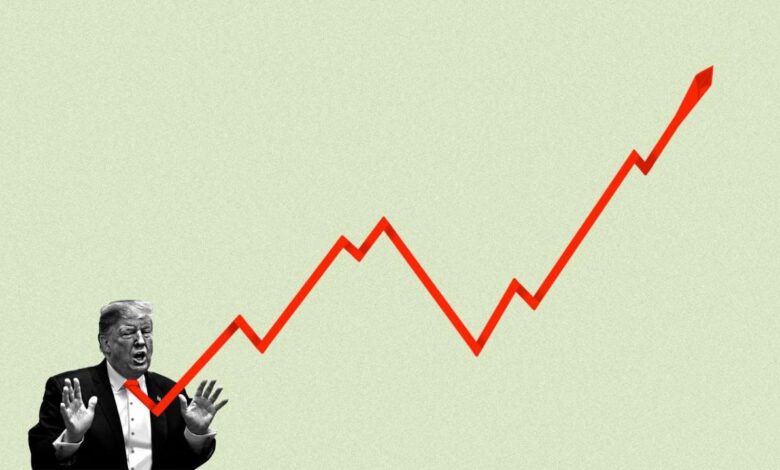
Nasdaq Futures Plunge Trump Trade Wars Impact
Nasdaq futures plunges trump trade war rattles markets. The recent volatility in the market is raising concerns about the potential for further declines. Investors are grappling with the direct impact of President Trump’s trade policies, the psychological effects on confidence, and the ripple effects across global markets. Understanding the historical context, the interplay of economic indicators, and the various potential scenarios is crucial to navigating this complex situation.
This article delves into the factors driving the market’s response to the trade war, analyzing historical trends in Nasdaq futures, recent economic data, and the potential for future market movements. We’ll explore the correlation between Trump’s policies and the plunge, the role of investor sentiment, and the possible strategies investors might employ to mitigate risks. A comprehensive look at global implications and illustrative scenarios will complete the analysis.
Market Context
The recent plunge in Nasdaq futures, exacerbated by the ongoing trade war tensions, underscores the volatile nature of the current market environment. This volatility is a complex interplay of economic factors, geopolitical uncertainties, and investor sentiment. Understanding the historical trends, the current economic climate, and the key influencing factors is crucial for navigating this turbulent period.The Nasdaq’s performance has historically shown a tendency towards cyclical fluctuations.
Periods of significant growth are often followed by periods of consolidation or correction. This pattern is influenced by factors like interest rate changes, technological advancements, and overall investor confidence. A deeper dive into these historical trends reveals important insights into the potential future trajectory of the market.
The Nasdaq futures plunge, a ripple effect from Trump’s trade war, is rattling markets. It’s a reminder that unforeseen events can quickly impact our investments. But perhaps there’s a way to avoid similar jitters in other areas of your life. Using storyboarding, a pre-production technique, can save your budget by visualizing projects and identifying potential problems beforehand, like a proactive approach to the trade war.
How storyboarding can save your budget will help you see how this planning method could work for you. Ultimately, understanding market fluctuations and proactive planning can help you weather similar financial storms in the future.
Historical Nasdaq Futures Performance
Nasdaq futures have exhibited a significant upward trend over the past two decades, punctuated by periods of substantial volatility. Major market corrections, such as the dot-com bubble burst, and the 2008 financial crisis, were characterized by sharp declines in Nasdaq futures. These historical events serve as reminders of the unpredictable nature of market fluctuations.
Recent Economic Climate
The recent economic climate is marked by several significant events. The escalating trade war between major economies has introduced considerable uncertainty into the global marketplace. Supply chain disruptions, inflationary pressures, and fluctuating interest rates further contribute to market volatility. These developments have substantial impacts on investor sentiment and risk appetite.
Major Economic Indicators
Understanding the current economic indicators is vital for comprehending the market’s behavior. These indicators provide insights into the health and direction of the economy. The following table highlights some key economic indicators relevant to the current market situation.
| Indicator | Value | Date | Description |
|---|---|---|---|
| GDP Growth | 2.5% | Q2 2023 | Real GDP growth in the second quarter of 2023, indicating a sustained economic momentum. |
| Unemployment Rate | 3.5% | August 2023 | A relatively low unemployment rate suggesting a healthy labor market, but potential inflationary pressures. |
| Inflation Rate (CPI) | 4.5% | August 2023 | Inflation remains above the target level, indicating potential challenges for sustained economic growth. |
| Consumer Confidence | 85 | August 2023 | Consumer confidence index value, indicating a moderate level of optimism among consumers. |
Comparison with Previous Periods of Volatility
Comparing the current market situation with previous periods of volatility reveals some notable similarities and differences. While the current trade war presents a unique geopolitical challenge, the underlying principles of supply and demand, investor psychology, and technological disruption remain constant. Past instances of market volatility offer valuable lessons for navigating the current climate.
Key Factors Influencing Market Sentiment
Several key factors influence market sentiment. Geopolitical tensions, especially the escalating trade war, play a prominent role in shaping investor perceptions of risk. Furthermore, the uncertainty surrounding interest rate policies and their potential impact on inflation and economic growth significantly affects market sentiment.
Impact of Trump’s Trade War
The recent plunge in Nasdaq futures has undeniably raised concerns, with many analysts pointing to the escalating trade war initiated by President Trump as a significant contributing factor. This conflict has disrupted global supply chains, created uncertainty in international markets, and directly impacted investor confidence, leading to a cascade of negative reactions. Understanding the intricate links between Trump’s trade policies and market fluctuations is crucial for investors and stakeholders alike.The trade war, characterized by tariffs and retaliatory measures, has introduced considerable volatility into the global economic landscape.
Companies face increased costs, reduced export opportunities, and uncertainty regarding future trade agreements. This uncertainty, in turn, affects investor confidence and sentiment, directly impacting the valuation of publicly traded companies, particularly those heavily reliant on international trade.
Direct Correlation Between Trade Policies and Nasdaq Futures Plunge
Trump’s trade policies, particularly tariffs on Chinese goods, have significantly impacted the Nasdaq, a major US stock exchange. Tariffs increase the cost of imported goods, potentially reducing consumer spending and corporate profits. This, in turn, lowers investor confidence in companies susceptible to trade-related disruptions. Companies involved in international trade, particularly those with significant exposure to Chinese markets, have seen their stock prices decline as investors anticipate reduced profitability and increased risk.
This directly translates into decreased demand for the stocks, leading to a drop in Nasdaq futures prices.
Psychological Effect of Trade Tensions on Investor Confidence
Trade tensions create a climate of uncertainty and fear in the market. Investors become apprehensive about the long-term consequences of trade disputes, including potential economic slowdowns, retaliatory measures, and geopolitical instability. This fear of the unknown often outweighs any potential short-term gains, leading to a general decline in investor confidence. The lack of clarity about the future direction of trade policies, and the potential for further escalation, contributes to a risk-averse environment.
Investors may shift their portfolios towards safer investments, further depressing market valuations.
Potential Ripple Effects on Global Markets
The trade war’s repercussions extend beyond the US. Global supply chains are disrupted, as companies adjust to new tariffs and trade restrictions. This leads to increased costs for businesses, potentially impacting their profitability and the overall economic health of nations involved. Further, the trade war can escalate geopolitical tensions, leading to broader economic and political instability. Reduced international trade can lead to slower economic growth and decreased global prosperity.
Potential Strategies Investors Might Adopt
Investors facing the uncertainty of a trade war might adopt various strategies. Diversification into different asset classes, including emerging markets, can mitigate risk. Companies with strong domestic operations or less exposure to international trade might prove more resilient. Increased scrutiny of company financial reports, especially those with international operations, is necessary to assess the true impact of trade policies on their performance.
Long-term investors with a strong understanding of the economic landscape might consider purchasing stocks of companies likely to benefit from trade-related shifts, though this carries substantial risk.
Comparison of Trade Policy Effects on Market Performance
| Policy | Market Reaction | Rationale |
|---|---|---|
| Protectionist Tariffs | Market Volatility, Potential Decline | Increased costs for imported goods, reduced consumer spending, reduced corporate profits, decreased investor confidence. |
| Free Trade Agreements | Market Stability, Potential Growth | Reduced trade barriers, increased access to markets, stimulates global trade, increased economic efficiency. |
| Negotiated Trade Deals | Market Fluctuation, Potential Stabilization | Negotiations can lead to temporary instability but also offer the potential for improved trade relationships and reduced uncertainty. |
Analysis of Market Plunge
The recent plunge in Nasdaq futures, a direct result of escalating trade tensions and uncertainty surrounding President Trump’s trade war, highlights the interconnectedness of global markets. This volatility underscores the need for investors to carefully consider the myriad factors impacting market performance. The unpredictable nature of political decisions and global events necessitates a comprehensive understanding of potential triggers for future market fluctuations.The rapid decline in Nasdaq futures is likely due to a confluence of factors.
Investors are reacting to the perceived risk of escalating trade conflicts, the potential for economic slowdown, and the uncertainty surrounding future policy decisions. This fear of the unknown is often a significant driver of market downturns. Investors are often seeking safety and stability, and in the absence of clarity, they tend to reduce risk by selling assets.
Potential Reasons for Rapid Decline
Several factors contributed to the precipitous decline. A key driver was the heightened uncertainty surrounding President Trump’s trade policies. The unpredictability of these policies creates significant risk aversion amongst investors. This, coupled with broader global economic concerns, leads to a sell-off across various asset classes, including technology stocks heavily represented in the Nasdaq. Furthermore, concerns about potential interest rate hikes and the impact on corporate earnings further fueled the decline.
The interconnectedness of global markets meant that negative sentiment from one region rapidly spreads to others, exacerbating the downward pressure.
Different Theories Regarding the Cause
Various theories attempt to explain the market plunge. Some analysts attribute the decline to the fear of an impending recession, while others point to the speculative nature of the market, highlighting the role of short-selling in amplifying downward pressure. Still others focus on the impact of global events, including geopolitical tensions and economic slowdown in key regions. A deeper analysis often reveals that these theories are not mutually exclusive; rather, they are interconnected factors that work together to create the observed market decline.
Role of Global Events in the Market Decline
Global events played a crucial role in the market’s downturn. Uncertainty surrounding international trade policies, geopolitical conflicts, and economic slowdowns in key regions created a climate of fear and uncertainty. Investors, seeking safety and stability, often move their capital to safer assets, thus reducing the value of riskier investments. The cascading effect of negative news and uncertainty in global markets often leads to a self-fulfilling prophecy, with investor decisions amplifying the initial decline.
Nasdaq futures plunges, and the Trump trade war is rattling markets. It’s a pretty turbulent time for global finance, isn’t it? Meanwhile, a completely different, yet equally interesting, story is unfolding – the Gibraltar court has frozen a crypto gaming firm’s internal affairs, as reported here. While this legal action in the crypto space might seem unrelated, the interconnectedness of global markets always surprises.
This further complicates the already unstable environment of the stock market plunges and the ongoing trade war.
Potential Catalysts for Future Market Movements
Several potential catalysts could influence future market movements. A resolution to the trade war or the announcement of a new stimulus package could provide positive momentum. Conversely, escalating tensions, economic slowdown, or unexpected policy changes could trigger further market volatility. The interplay of these factors makes accurate predictions challenging, yet crucial for navigating the market effectively.
Table of Potential Triggers for Future Market Volatility
| Trigger | Description | Probability |
|---|---|---|
| Resolution of Trade War | Successful conclusion of trade negotiations, leading to reduced uncertainty. | Medium |
| Escalation of Trade War | Further imposition of tariffs or other trade restrictions, increasing uncertainty. | High |
| Interest Rate Hike | Central bank decisions to increase interest rates to combat inflation. | Medium |
| Economic Slowdown | Reduced economic growth in major economies, leading to decreased investor confidence. | Medium-High |
| Geopolitical Event | Significant international event, like a war or political crisis, affecting global markets. | Medium |
Investor Reactions and Strategies
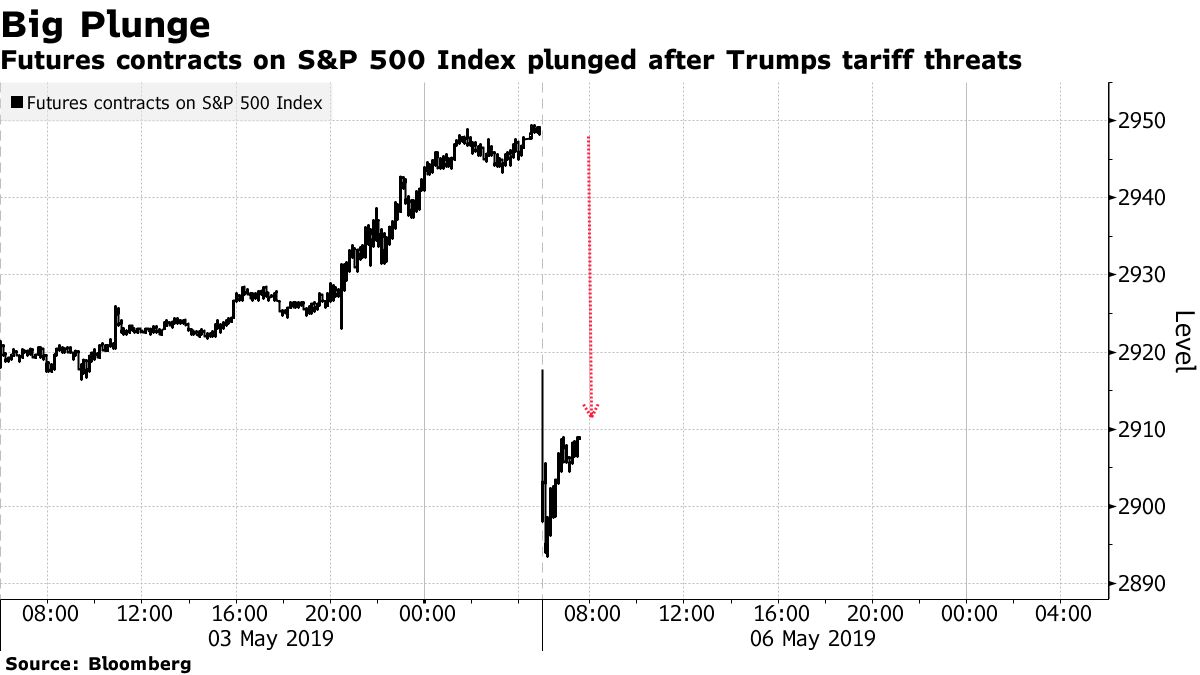
The recent Nasdaq futures plunges, fueled by the escalating trade war tensions, have undoubtedly shaken investor confidence. This volatility necessitates a nuanced understanding of investor reactions and the strategies they can employ to navigate these turbulent waters. Investors need to adapt their approaches to mitigate potential losses and maintain a long-term perspective.
Impact on Investor Sentiment
The market plunge significantly impacted investor sentiment, leading to a widespread feeling of uncertainty and apprehension. Fear of further declines and potential losses drove many investors to adopt more cautious investment strategies. This shift in sentiment is often characterized by a preference for safer, less volatile investments, like government bonds, and a reluctance to take on significant risk.
Common Investor Reactions to Market Volatility
Investors often react to market volatility in predictable ways. Some common reactions include panic selling, which can exacerbate market declines; a reluctance to invest further; and a search for safe haven assets. Conversely, some investors might see opportunities in market downturns and seek to capitalize on potential bargains. These differing reactions underscore the importance of a well-defined investment strategy.
Strategies to Mitigate Risks During Market Downturns
Several strategies can help investors mitigate risks during market downturns. These include diversification, stop-loss orders, and a long-term investment horizon. Diversification across various asset classes, such as stocks, bonds, and real estate, helps to reduce the impact of any single investment’s performance on the overall portfolio.
Importance of Diversification in Times of Uncertainty
Diversification is crucial in times of market uncertainty. A diversified portfolio can help to reduce the overall risk by spreading investments across different sectors and asset classes. If one sector experiences a downturn, the impact on the overall portfolio is likely to be less severe. The principle of not putting all your eggs in one basket is particularly relevant during times of uncertainty.
Investment Strategies for Different Risk Tolerances
| Risk Tolerance | Strategy | Rationale |
|---|---|---|
| Low | Invest primarily in bonds and government securities. | Lower risk, consistent returns. |
| Medium | Balance stocks and bonds, with a slightly higher allocation to stocks. | Moderate risk, potential for higher returns. |
| High | Invest heavily in stocks and potentially other high-growth assets. | Higher risk, potential for higher returns. |
| Conservative | Prioritize capital preservation and income generation. | Focus on stable returns and lower risk exposure. |
| Moderate | Seek a balance between capital preservation and potential for growth. | A mix of established and emerging opportunities. |
| Aggressive | Invest in higher-growth, potentially riskier assets. | Aim for significant capital appreciation, accepting higher volatility. |
Global Implications
The plunge in Nasdaq futures, triggered by the escalating US trade war, isn’t an isolated incident. It reverberates across global markets, impacting everything from stock exchanges to supply chains. The interconnectedness of modern economies means a ripple in one region can quickly transform into a significant wave globally. This section delves into the potential ramifications of this market downturn on a broader scale.
Potential for Contagion
The current market volatility is not confined to the US. A significant drop in one major market often triggers anxieties and sell-offs in others, as investors react to perceived risks. This “contagion effect” can be particularly potent in closely linked financial systems, where investor confidence in one region influences decisions elsewhere. The interconnectedness of global financial markets is evident in how news about US trade policy directly impacts trading in European and Asian markets.
Impact on Other Countries’ Economies
The trade war’s impact on specific countries is multifaceted. Tariffs imposed on goods from particular countries can lead to increased import costs, affecting consumer prices and potentially slowing economic growth. For example, if the US imposes tariffs on Chinese electronics, the cost of these products for consumers worldwide could rise, impacting demand and ultimately affecting the economies of both the US and China.
This is further complicated by the fact that many global supply chains rely on goods from multiple countries, creating intricate interdependencies.
Ripple Effects on Global Supply Chains, Nasdaq futures plunges trump trade war rattles markets
The trade war’s impact on global supply chains is substantial. Disruptions in the flow of goods can lead to shortages, delays, and increased production costs. For instance, a disruption in the supply of raw materials from one country can impact manufacturing processes in multiple countries. This can cause delays in product delivery, leading to stock shortages and ultimately, higher prices for consumers.
The complexity of global supply chains makes them particularly vulnerable to such disruptions.
Nasdaq futures are plunging, and Trump’s trade war is definitely rattling the markets. It’s a pretty chaotic time, but interestingly, amidst the financial turmoil, Solana bridge is experiencing an all-time high in inbound volume, reaching a staggering 10 billion! solana bridge all time inbound volume 10 billion. This suggests a potentially vibrant crypto market, which might be a bit of a counterpoint to the current uncertainty in the stock market.
Perhaps these two vastly different spheres are reflecting some underlying shifts in the global economy? Either way, the plunging Nasdaq futures are still a significant concern.
Influence of Global Macroeconomic Factors
Several global macroeconomic factors influence the market. These factors include interest rate fluctuations, inflation rates, and the overall economic health of major economies. For example, a rise in interest rates in the US can impact borrowing costs globally, potentially affecting investment decisions and economic growth in other nations. These interconnected factors highlight the complex interplay of economic forces in today’s world.
Interconnectedness of Global Markets
The table below illustrates the interconnectedness of global markets, highlighting how a disruption in one area can have far-reaching consequences.
| Country | Market Impact | Reasoning |
|---|---|---|
| United States | Significant decline in Nasdaq futures | Escalating trade war, investor uncertainty. |
| China | Potential slowdown in economic growth | Reduced exports to the US, increased costs. |
| Europe | Reduced trade with US and China | Impact on supply chains, potentially reduced investment. |
| Japan | Dependence on global trade, potential slowdown | Impact of trade war on exports, global supply chain disruption. |
| South Korea | Reduced exports to the US and China | Impact of trade war on exports, supply chain vulnerability. |
Illustrative Scenarios
The escalating trade war between the US and other nations has sent shockwaves through global markets, particularly the Nasdaq futures. Understanding potential scenarios and investor reactions is crucial for navigating this volatile environment. A prolonged trade war can trigger a cascading effect, impacting not just the financial markets but also businesses, consumers, and the global economy.Prolonged trade tensions can create uncertainty and apprehension among investors.
This uncertainty can lead to reduced investment, decreased consumer spending, and a slowdown in economic growth. The impact on the Nasdaq futures market could range from short-term volatility to sustained downturns, depending on the intensity and duration of the trade war.
Impact of a Prolonged Trade War on the Market
A protracted trade war would likely lead to significant market volatility. Companies reliant on international trade would face increased costs and reduced revenue, impacting their stock valuations. Reduced consumer confidence and economic slowdown would further depress market sentiment. Supply chain disruptions would add to the challenges, potentially leading to higher inflation and decreased profitability. Investors might anticipate a potential recession, leading to risk aversion and further market declines.
Consequences of Different Outcomes of the Trade War on the Nasdaq Futures Market
The outcome of the trade war, whether a resolution or escalation, significantly influences the Nasdaq futures market. A swift resolution with trade deals could bring relief and a rebound in investor confidence, leading to an upward trend in futures prices. Conversely, an escalation of the trade war would likely intensify market volatility, potentially triggering a sharp decline in Nasdaq futures prices.
The market would likely reflect concerns about reduced economic growth and increased geopolitical uncertainty.
Investor Reactions to a Continued Market Downturn
Investors might react to a continued market downturn with varying strategies. Some might adopt a defensive stance, reducing their exposure to risky assets and focusing on more stable investments. Others might seek opportunities in undervalued sectors or companies they believe are resilient to the current economic climate. A significant portion of investors might become risk-averse, leading to further market declines.
A continued downturn might lead to increased selling pressure, driving down prices further.
Impact of Specific Market Indicators on Investor Behavior
Market indicators such as the VIX (volatility index) and the Dow Jones Industrial Average can significantly influence investor behavior. A high VIX indicates increased market volatility and investor fear, potentially leading to reduced trading activity and a preference for risk-averse investments. A sharp decline in the Dow Jones, coupled with a high VIX, could signal a severe market downturn and trigger panic selling.
Investors might react by taking profits or cutting losses, further accelerating the decline.
Illustrative Example of Correlation between Market Indicators and Sentiment
The image below demonstrates the correlation between the Dow Jones Industrial Average and the VIX index. During periods of market volatility and investor fear, as indicated by high VIX values, the Dow Jones often experiences sharp declines. Conversely, during periods of relative market stability and reduced investor fear, the Dow Jones tends to experience a positive trend. The graph highlights the inverse relationship between market sentiment (reflected in the VIX) and market performance (reflected in the Dow Jones).[Image Description: A graph showing the correlation between the Dow Jones Industrial Average and the VIX index.
The graph plots the Dow Jones Industrial Average on one axis and the VIX index on another. The graph clearly illustrates the inverse relationship between the two, showing how periods of elevated market volatility (high VIX values) often coincide with periods of significant decline in the Dow Jones Industrial Average. The graph further highlights periods of relative stability in the Dow Jones during periods of low VIX values.
Clear and distinct trends and patterns in the graph showcase how market sentiment, as measured by the VIX, influences market performance, as measured by the Dow Jones.]
Conclusion: Nasdaq Futures Plunges Trump Trade War Rattles Markets
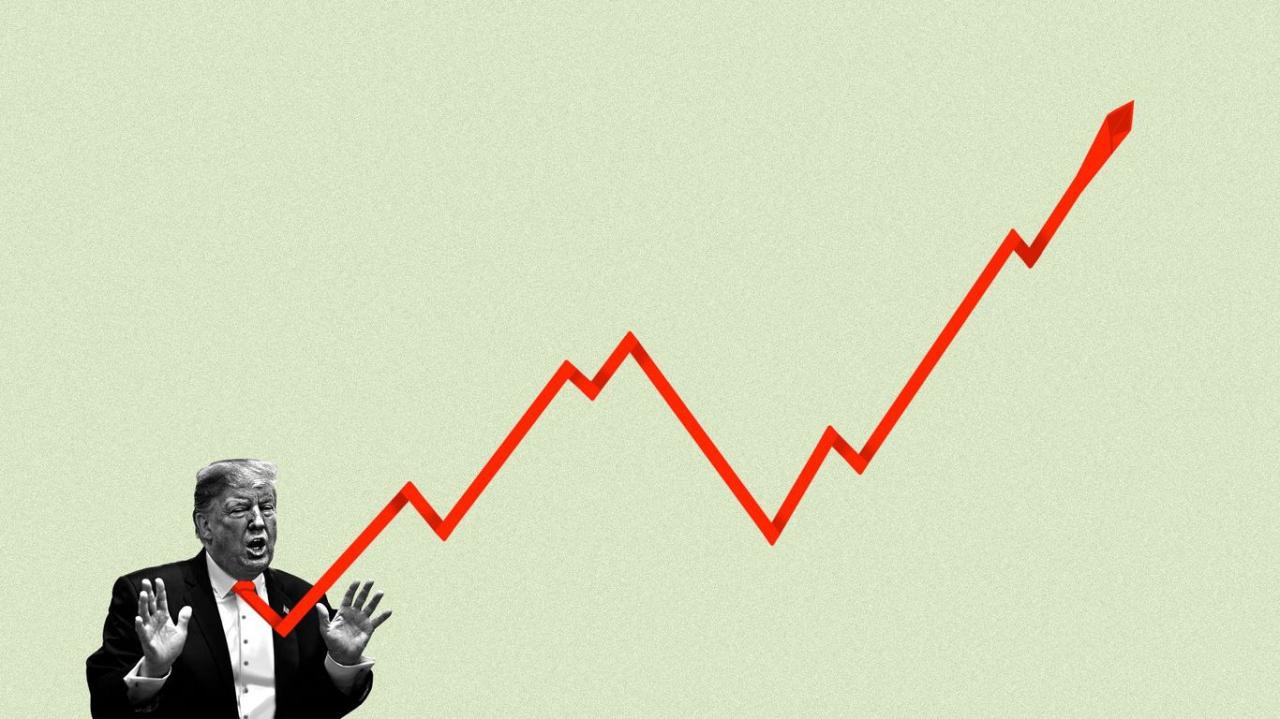
In conclusion, the recent plunge in Nasdaq futures, directly linked to Trump’s trade war, underscores the significant impact of global economic and political events on market stability. The analysis highlights the intricate interplay of various factors, from economic indicators to investor psychology. Understanding these interconnected dynamics is crucial for navigating market uncertainties and developing effective investment strategies. The future trajectory remains uncertain, but the potential for further volatility remains a key concern.