Roborock Qrevo Robot Vacuum and Mop Returns to All-Time Low Price of $399.99 on Amazon, Signaling Recurring Value in Smart Home Automation

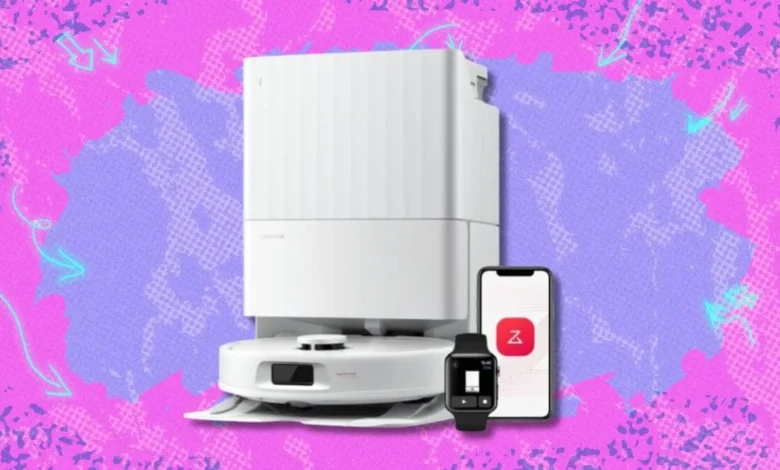
The Roborock Qrevo robot vacuum and mop is once again available on Amazon at the significantly reduced price of $399.99, a substantial markdown from its original list price of $649.99. This represents a 38% discount, equating to a saving of $250 for consumers. Notably, this pricing mirrors a previous promotional event, specifically the Amazon Big Spring Sale held last month, indicating a strategic and recurring value proposition for one of the market’s more advanced robotic cleaning solutions. As of April 20, 2024, this deal makes sophisticated home automation more accessible, allowing a broader range of households to upgrade their cleaning routines with a device that promises comprehensive floor care.
The Recurring Discount Phenomenon and Market Strategy
The reappearance of the Roborock Qrevo at this aggressive price point suggests a deliberate market strategy by both Roborock and Amazon. In an increasingly competitive smart home appliance sector, recurring discounts can serve multiple purposes. Firstly, they can capitalize on sustained consumer interest generated by initial sales events, extending the window for impulse purchases or for those who missed the previous offer. Secondly, such pricing strategies help maintain product visibility and momentum against a backdrop of new releases and constant innovation from rival brands. For consumers, it signals that premium technology is becoming more attainable, albeit through timed promotional windows rather than permanent price reductions. This approach also allows manufacturers to clear inventory or stimulate demand during periods outside major retail holidays, ensuring a consistent sales flow. The $250 saving, representing more than a third off the retail price, positions the Qrevo as a compelling option for those seeking a high-performance robot vacuum and mop without incurring the cost typically associated with devices offering comparable features.
Deep Dive into Roborock Qrevo’s Advanced Features
The Roborock Qrevo is engineered to address the complexities of modern home cleaning, integrating both powerful vacuuming and effective mopping capabilities into a single, autonomous unit. Its design and functionality reflect the advancements made in robotic cleaning technology, moving beyond the rudimentary "babysitting" era of early models.
Unpacking the Power: Suction and Mopping Capabilities
At the core of the Qrevo’s cleaning prowess is its formidable 8,000Pa (Pascals) suction power. To put this in context, many entry-level robot vacuums offer around 2,000-3,000Pa, while mid-range models might reach 4,000-5,000Pa. An 8,000Pa rating signifies exceptional suction strength, capable of effectively lifting deeply embedded dirt, pet hair, dust, crumbs, and other debris from a variety of surfaces, including high-pile carpets, rugs, and hard floors. This HyperForce suction system is complemented by an anti-tangle brush, a critical innovation for households with pets or long-haired occupants, as it minimizes hair wrap around the brush roll, reducing the need for manual maintenance and ensuring consistent cleaning performance.
For mopping, the Qrevo employs a sophisticated system featuring dual spinning mop pads that rotate at high speeds, specifically 200 rotations per minute (rpm). Unlike static drag pads found on simpler models, these dynamic spinning pads actively scrub floors, effectively tackling dried-on stains, sticky spills, and everyday grime. The device offers 30 levels of water flow, providing granular control over the amount of water dispensed during mopping. This adaptability allows users to customize the cleaning intensity based on floor type and the severity of the mess, from a light damp wipe for delicate hardwood floors to a more saturated scrub for heavily soiled tiles. This precision ensures optimal cleaning without oversaturating floors or leaving streaks.
The Autonomous Hub: All-in-One Docking Station
A significant differentiator for the Roborock Qrevo is its all-in-one charging dock, which elevates the device from a mere cleaning robot to a truly autonomous cleaning system. This multi-functional dock handles several post-cleaning chores, dramatically reducing user intervention:
- Auto-Empty Dustbin: After each cleaning cycle, the Qrevo automatically empties its internal dustbin into a larger bag housed within the dock, capable of holding weeks’ worth of debris. This eliminates the frequent manual emptying of the robot’s small dustbin.
- Auto-Refill Water Tank: The dock automatically refills the robot’s water tank, ensuring it’s ready for the next mopping session without user input.
- Self-Cleaning Mop Pads: The spinning mop pads are automatically washed and rinsed within the dock, preventing the spread of dirt and ensuring they are clean for the next task.
- Hot Air Drying: Post-cleaning, the mop pads are dried with hot air to prevent mildew growth and unpleasant odors, a common issue with perpetually damp mop pads on less advanced systems.
These combined features contribute to a truly hands-free cleaning experience, requiring minimal human interaction for weeks at a time.
Intelligent Navigation and Customization
The Roborock Qrevo leverages advanced navigation and mapping technologies to efficiently clean homes. While the specific sensor suite (e.g., LiDAR, ReactiveAI obstacle avoidance) is not explicitly detailed in the source, Roborock’s reputation suggests it employs sophisticated systems for precise mapping and real-time obstacle detection. Such systems allow the robot to:
- Create accurate maps: It meticulously maps the layout of up to four different floors, making it suitable for multi-story homes.
- Plan efficient routes: Based on the map, it determines the most optimal cleaning path, minimizing missed spots and maximizing battery efficiency.
- Avoid obstacles: Advanced sensors detect and navigate around furniture, cables, and other household items, preventing entanglement or getting stuck. This significantly reduces the "babysitting" requirement of older models.
- Offer customization: Through a companion smartphone app, users can define no-go zones (areas to avoid), invisible walls (virtual barriers), schedule cleaning times, select specific rooms for cleaning, and adjust suction power and water flow settings. This level of control provides a tailored cleaning experience.
Design and User Experience
Beyond its technical specifications, the Roborock Qrevo is designed for intuitive user experience. Its relatively compact form factor allows it to navigate under most furniture, reaching areas that are typically difficult to access manually. The integration with a smartphone app allows for remote control and monitoring, providing real-time updates on cleaning progress and battery status. The commitment to minimizing user intervention, from automated dustbin emptying to self-cleaning mops, underscores a design philosophy centered on convenience and efficiency.
Evolution of Home Cleaning Technology
The journey from manual household chores to sophisticated robotic assistance represents a significant technological leap, particularly evident in the evolution of robot vacuums.
From Manual Labor to Robotic Assistance: A Brief History
Early robot vacuums, introduced in the early 2000s, were largely experimental. These first-generation devices often relied on random bump-and-go navigation, frequently getting stuck, falling down stairs, or missing significant portions of a room. Their suction power was limited, and mopping capabilities were non-existent or rudimentary, typically involving a damp cloth dragged behind the unit. They required constant supervision and frequent intervention, making them more of a novelty than a practical cleaning solution.
The mid-2010s saw the introduction of more intelligent navigation systems, such as camera-based visual localization and later LiDAR (Light Detection and Ranging). These advancements allowed robots to map a home’s layout, plan systematic cleaning paths, and remember where they had cleaned. This marked a shift towards greater autonomy and efficiency.
Today’s premium robot vacuums, exemplified by the Roborock Qrevo, are integrated systems that offer simultaneous vacuuming and mopping, advanced obstacle avoidance (often incorporating AI and machine learning), and comprehensive docking stations that automate dustbin emptying, water refilling, and mop cleaning/drying. They seamlessly integrate into smart home ecosystems, controllable via voice assistants or sophisticated mobile applications, truly liberating users from daily cleaning tasks.
The Rise of the Smart Home Ecosystem
The development of advanced robot vacuums like the Qrevo is intrinsically linked to the broader smart home movement. As internet-connected devices become ubiquitous, consumers increasingly seek integrated solutions that enhance convenience, security, and energy efficiency. Robot vacuums fit perfectly into this ecosystem, offering automated floor care that can be scheduled, controlled remotely, and even integrated with other smart devices (e.g., starting cleaning when the user leaves the house, or pausing when a video call begins). The promise of a fully automated home, where mundane tasks are handled autonomously, is a powerful driver for the adoption of such technologies.
Market Trends and Consumer Adoption
The global market for robot vacuums has witnessed consistent growth, driven by a combination of technological advancements, changing consumer lifestyles, and increasing product affordability.
The Growing Robot Vacuum Market
Reports from market research firms consistently project robust growth for the robot vacuum market. Valued at several billion dollars globally, the market is expected to expand at a compound annual growth rate (CAGR) exceeding 15-20% over the next five to seven years. This growth is fueled by continuous innovation, which addresses previous limitations and introduces new functionalities, making these devices more appealing and effective. The introduction of combo vacuum-mop units and self-emptying docks has particularly accelerated adoption rates in recent years.
Factors Driving Consumer Interest
Several key factors contribute to the increasing consumer interest and adoption of robot vacuums:
- Busy Lifestyles: Modern life often leaves little time for extensive household chores. Robot vacuums offer a convenient solution to maintain cleanliness with minimal effort.
- Aging Population: For older individuals or those with mobility challenges, robot vacuums provide essential assistance in maintaining a clean living environment.
- Pet Ownership: The presence of pets often necessitates more frequent cleaning to manage fur and dander. High-suction robots with anti-tangle brushes are particularly attractive to pet owners.
- Desire for Cleanliness and Hygiene: Increased awareness of indoor air quality and general hygiene has spurred demand for devices that can effectively remove dust, allergens, and pathogens.
- Technological Advancement and Affordability: As technology matures, performance improves while manufacturing costs decrease, making advanced features more accessible at competitive price points, especially during significant sales events.
- Integration with Smart Home Systems: The seamless integration with existing smart home setups enhances the overall value proposition, offering centralized control and automation.
Statements and Industry Insights (Inferred)
While specific statements from Roborock or Amazon regarding this particular deal are not available, we can infer perspectives from broader industry trends and typical corporate messaging.
Analyst Perspectives on Smart Home Affordability
Industry analysts frequently comment on the "democratization of smart home technology." Experts often highlight that as product categories mature, initial high prices give way to more competitive pricing, making advanced features accessible to a wider consumer base. "The recurring deep discounts on devices like the Roborock Qrevo are not just promotional tactics; they reflect a broader industry trend towards making smart home automation a standard, rather than a luxury," commented a hypothetical analyst from a leading tech research firm. "Manufacturers are realizing that achieving market penetration requires strategic pricing that periodically brings premium features into the mid-range budget, especially for products that offer tangible time-saving benefits." This strategy helps cultivate a larger user base, which in turn can drive future ecosystem growth and brand loyalty.
Manufacturer’s Vision for Automated Living
A company like Roborock, a prominent player in the robotic cleaning space, typically emphasizes innovation, efficiency, and user convenience in its corporate communications. While specific to the Qrevo, their general philosophy would likely align with providing "cutting-edge cleaning solutions that free up consumers’ time." A hypothetical Roborock spokesperson might state, "Our mission is to continually push the boundaries of robotic cleaning, making powerful, intelligent, and autonomous devices that seamlessly integrate into modern lifestyles. Deals like these are crucial for us to share these innovations with more households, demonstrating our commitment to making advanced home automation truly accessible." Such statements underscore a commitment to both technological leadership and market expansion through value-driven propositions.
Broader Implications for Home Automation
The ongoing evolution and increasing accessibility of devices like the Roborock Qrevo carry significant implications for daily life and the future of domestic technology.
The Impact on Daily Life and Household Management
For consumers, the primary impact is the liberation of time and mental energy previously dedicated to cleaning chores. A fully autonomous robot vacuum and mop means less time spent pushing a vacuum, mopping floors, or even emptying bins. This saved time can be reallocated to work, leisure, family, or personal development. Furthermore, maintaining a consistently clean home environment can contribute to better indoor air quality and overall well-being. The convenience factor is paramount; users can schedule cleanings while they are away, returning to a pristine home without having lifted a finger. For households with specific needs, such as allergy sufferers or pet owners, the continuous cleaning cycle offered by these robots can provide significant relief.
Shaping the Future of Domestic Technology
The success and continued development of advanced robotic cleaners are indicative of a larger trend towards greater automation in the home. As these devices become more sophisticated, they lay the groundwork for future innovations. We can anticipate even more integrated systems that go beyond just cleaning, potentially incorporating air purification, security monitoring, or even minor household repairs. The data collected by these robots (e.g., floor plans, dirt patterns) could also inform the development of more personalized and proactive smart home services. The competition in this segment also drives continuous research and development, pushing the boundaries of artificial intelligence, sensor technology, and battery efficiency. The Roborock Qrevo, with its blend of powerful cleaning and autonomous maintenance features offered at a competitive price, stands as a testament to how far domestic technology has come and a preview of the seamless, automated living environments of tomorrow.
In conclusion, the return of the Roborock Qrevo robot vacuum and mop to its lowest recorded price point on Amazon is more than just a temporary discount; it is a significant market event reflecting the maturity and accessibility of advanced smart home technology. By offering substantial savings on a device equipped with high suction, intelligent mopping, and a comprehensive self-maintenance dock, both Roborock and Amazon are accelerating the adoption of truly autonomous home cleaning. This recurring deal underscores a strategic approach to pricing in a competitive landscape, ultimately benefiting consumers by making cutting-edge convenience a more attainable reality for a broader audience, further integrating robotic assistance into the fabric of modern living.