Deepening the Understanding of Homers Odyssey Through Historical and Mythological Analysis


The enduring legacy of Homer’s epic poem, The Odyssey, continues to command significant attention in contemporary media, literature, and educational curricula. As modern audiences revisit the trials of Odysseus—the king of Ithaca who spent ten years navigating treacherous seas to return home following the decade-long Trojan War—the necessity for academic and historical grounding has become increasingly apparent. To provide a more comprehensive framework for understanding this 12,000-line narrative, a series of educational resources have been synthesized to bridge the gap between ancient oral traditions and modern analytical inquiry.
Historical Context and the Oral Tradition
The Odyssey is not merely a work of fiction; it is the culmination of centuries of oral storytelling that solidified in written form during the eighth century BCE. Historians and classicists generally agree that the poem represents a transition in Greek culture, moving from an age of bards and oral transmission to a structured, written literary tradition.
The narrative follows the immediate aftermath of the Trojan War, a conflict that scholars argue may have been based on actual geopolitical tensions between Mycenaean Greece and the city of Troy, located in modern-day Turkey. Excavations led by Heinrich Schliemann in the late 19th century provided the first tangible evidence that Troy was not merely a mythical construct, but a physical city with multiple layers of historical settlement. This discovery transformed the study of Homeric epics, moving the debate from "fiction versus reality" to an analysis of how historical events are mythologized over time to preserve cultural identity.
Chronological Framework of the Homeric World
To understand the complexity of the narrative, it is essential to map the timeline of the Homeric cycle. The chronology begins long before the events of The Odyssey:
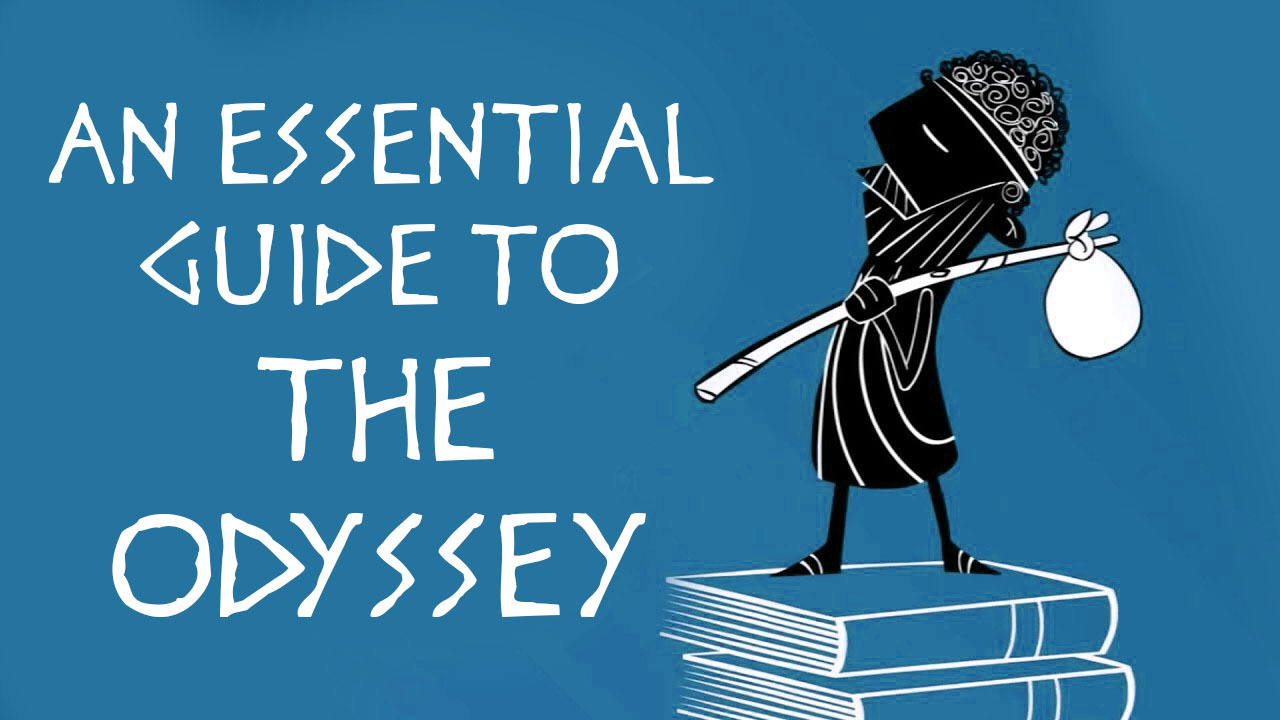
- The Trojan War (c. 1200 BCE): The hypothetical timeframe for the conflict, characterized by the siege of Troy.
- The Iliad: Focuses on the final year of the siege and the rage of Achilles, the central warrior of the Greek forces.
- The Return (Nostos): The period covering the immediate aftermath of the war, where many Greek heroes, including Agamemnon and Odysseus, struggle to return to their kingdoms.
- The Odyssey: The primary account of Odysseus’s ten-year journey home, spanning his encounters with supernatural entities and his eventual reclamation of his throne.
Analytical Perspectives on Mythological Elements
The persistence of monsters, sorceresses, and divine intervention within the poem often leads to questions regarding the author’s intent. Academic analyses suggest that these elements served as metaphors for the trials of human experience and the unpredictable nature of the ancient Mediterranean.
For instance, the story of Laocoön—the priest who warned the Trojans against the wooden horse—serves as a cautionary tale regarding the hubris of leadership and the perceived interference of the divine in mortal affairs. Similarly, the myth of Baucis and Philemon, which centers on the hospitality shown to disguised gods, highlights the social code of xenia (hospitality), a foundational pillar of ancient Greek civilization. Scholars emphasize that these myths were not merely entertainment; they were functional social mechanisms that reinforced the values and fears of the societies that cultivated them.
Scientific and Archaeological Inquiries
Modern science has begun to peel back the layers of these myths to determine if natural phenomena influenced the stories. Geophysical research into the geography of the Mediterranean, particularly the shifting coastlines and tectonic activity, suggests that some of the "monsters" described by Homer may have been allegorical representations of environmental hazards.
For example, the Scylla and Charybdis—often interpreted as a sea monster and a whirlpool—are frequently linked by geologists to the dangerous currents in the Strait of Messina. By interpreting these myths through a scientific lens, researchers are able to demonstrate how ancient mariners translated real-world navigational dangers into the heroic struggles that define The Odyssey.
The Underworld and Cultural Beliefs
A significant portion of the epic involves the descent into the Underworld, a narrative trope that reveals much about the Greek perception of mortality. The figure of the Sibyl of Cumae, who acts as a guide, represents the ancient obsession with prophecy and the afterlife. Historically, the Underworld was not always portrayed as a place of punishment but as a destination for all souls, regardless of their moral standing in life. This perspective shift is vital for students of classical literature, as it prevents the misapplication of modern, post-classical theological concepts of "heaven and hell" onto a culture that viewed the afterlife through a more fatalistic, yet structured, lens.
Educational Implications and Broadened Engagement
The recent synthesis of video resources—ranging from the biography of Achilles to the exploration of the Trojan Horse—reflects a broader trend in digital education. By providing multi-disciplinary perspectives, educators are able to deconstruct the "hero’s journey" into digestible segments that address both the literary beauty of the text and its historical validity.
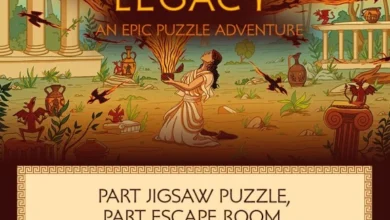
The impact of these resources extends to the gaming and interactive media industries as well. The emergence of products like "Pandora’s Legacy," which integrates classical mythology into puzzle-based escape room formats, indicates a high level of market interest in classical studies. Such initiatives demonstrate that when historical content is curated with accuracy and depth, it finds a receptive audience among both academic and lay populations.
Official Academic Perspectives
Educational institutions, including those producing pedagogical content on classical literature, maintain that the primary goal of studying The Odyssey is to develop critical thinking skills regarding the nature of history. Dr. Jill Dash and other scholars involved in the dissemination of Homeric studies emphasize that the poem’s longevity is a direct result of its thematic elasticity. Because the poem deals with universal struggles—grief, displacement, the search for identity, and the conflict between human agency and external forces—it remains relevant to contemporary global discourse.
Summary of Findings
The study of The Odyssey is characterized by a multidisciplinary approach that combines archaeological data, linguistic analysis, and mythological interpretation. By acknowledging the historical reality of the Trojan War while simultaneously respecting the poetic license taken by Homer, students and researchers can better appreciate the work as a cultural artifact. The transition from oral tradition to a foundational text of Western literature marks a pivotal moment in human history, one that continues to shape how we define the concepts of heroism and tragedy today.
As interest in the classical world continues to grow, the integration of verified historical data with accessible digital content will likely remain the gold standard for historical literacy. Whether through the lens of geological history, the study of ancient social mores, or the analysis of poetic structure, the Odyssey remains a vital document for understanding the foundations of human narrative. The continued exploration of these themes ensures that the gods, monsters, and heroes of the Homeric world remain firmly embedded in the cultural landscape for future generations.
Related posts: