The allure of travel often paints a picture of exotic locales, vibrant cultures, and spontaneous adventures. Yet, for many, the reality of exploring a new destination can devolve into a predictable routine: visiting the same iconic landmarks, dining at establishments recommended by guidebooks, and engaging in superficial interactions. This common mode of travel, often characterized as extractive and passive, prioritizes consumption over connection, leading to experiences that, while enjoyable, rarely foster genuine understanding or lasting impact. This pervasive pattern is prompting a reevaluation of how we engage with the world, with a growing emphasis on more immersive and contributory forms of travel.
The conventional traveler’s itinerary frequently involves a checklist of must-see sights, a curated selection of eateries, and perhaps a guided tour aimed at providing a brief historical or cultural overview. While these activities offer a glimpse into a destination, they often position the traveler as an observer rather than a participant. Even those who identify as long-term travelers, seeking to avoid the "tourist" label, may find themselves adhering to a similar, albeit slower-paced, pattern, focusing on budget consciousness rather than deep engagement. The romanticized notion of instantly befriending locals and embarking on cinematic adventures rarely materializes, as the transient nature of most travel encounters limits the potential for profound human connection. The reality is that locals are often not seeking to forge deep friendships with temporary visitors, and interactions tend to remain transactional.
This widespread approach to travel, while not inherently negative, highlights a significant gap between the aspiration for authentic experience and the practical execution of most journeys. The desire to "go deep" often clashes with the logistical realities of limited time and the inherent barriers between temporary visitors and established communities. True transformative travel experiences, experts suggest, are forged through sustained presence and active contribution, moving beyond mere observation to a state of being "embedded" within a place.
The imperative for more meaningful engagement has brought to the forefront the concept of giving back. Historically, identifying legitimate and impactful volunteer or work opportunities abroad presented a significant challenge. Navigating the landscape of non-profit organizations and social enterprises required extensive research to ensure that efforts genuinely benefited local communities and were not merely superficial goodwill gestures.
The Rise of Structured Working Holidays and Volunteer Programs
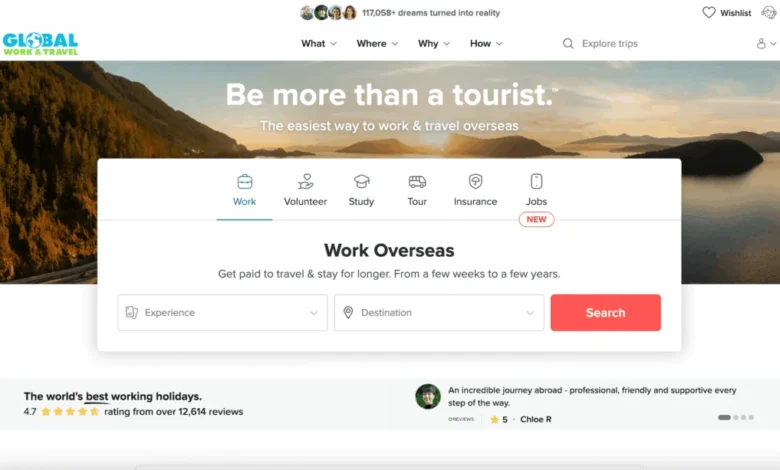
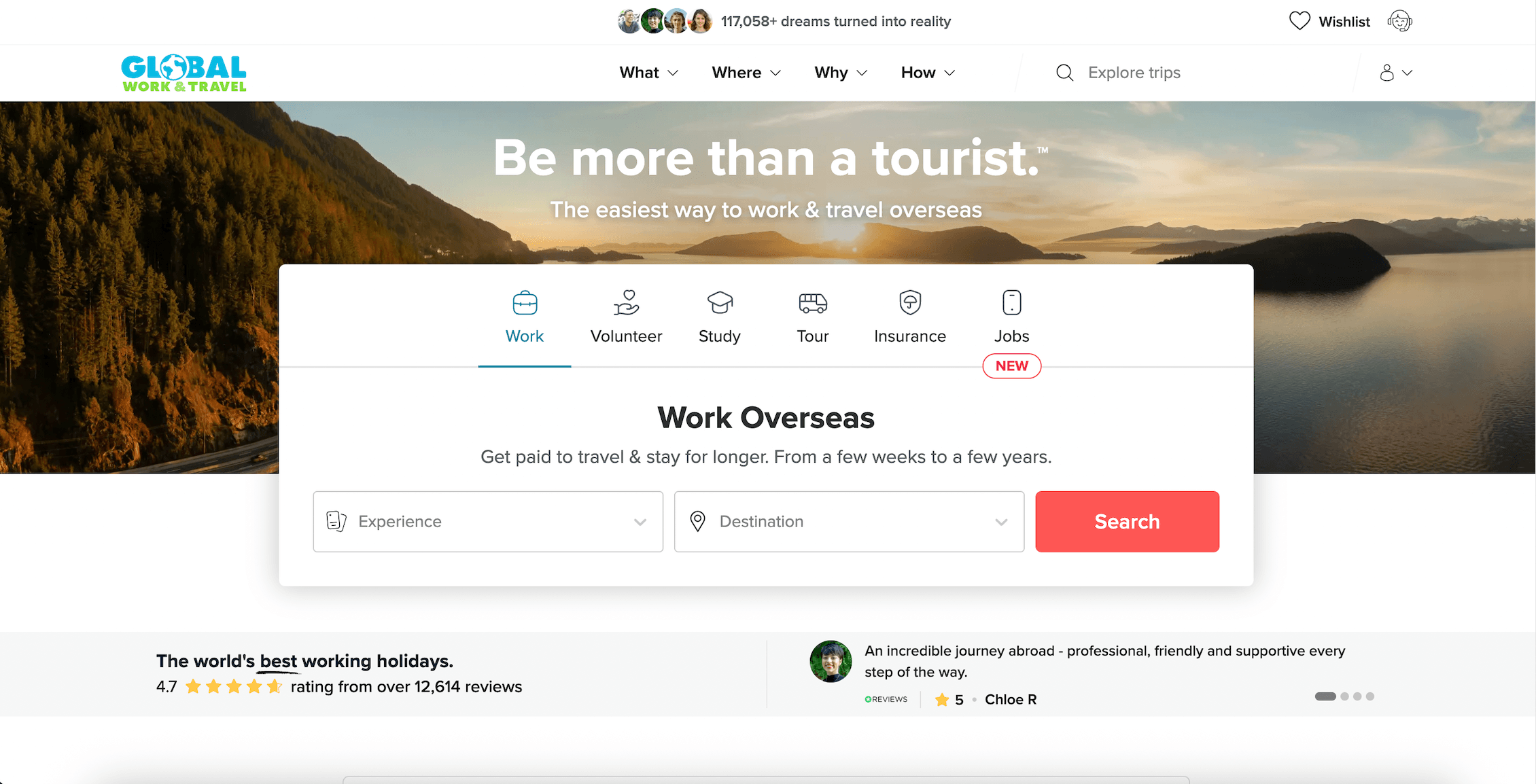
In recent years, a burgeoning industry has emerged to address this need, offering structured pathways for travelers to engage more deeply with their destinations. Companies specializing in gap year programs, working holidays, and volunteer placements provide the framework for individuals to not only explore but also contribute meaningfully. Global Work & Travel, a prominent player in this space, has emerged as a leading facilitator for individuals seeking to combine travel with work or volunteer opportunities. For nearly two decades, the company has been instrumental in placing individuals in working holidays, volunteer programs, teaching positions, and internships across a vast global network. Their operations have facilitated over 116,000 placements in diverse regions spanning the UK and Europe, the Americas, Asia, Africa, and the Pacific.
The transition to living and working abroad, even for seasoned travelers, can be fraught with logistical hurdles. The search for employment in a foreign country, securing stable accommodation, navigating unfamiliar transportation systems, and competing for jobs against local candidates are just some of the complexities involved. Companies like Global Work & Travel aim to demystify this process by providing comprehensive support. Their services often include job matching, pre-departure orientation, visa assistance, and ongoing support through dedicated platforms. This scaffolding is crucial for individuals who may lack the resources or confidence to manage every aspect of an international relocation independently. The programs offered typically cater to a wide range of interests and career aspirations, from teaching English and working in hospitality to engaging in conservation efforts and interning in professional fields.
Working Holiday Makers: The New Frontier of Long-Term Travel
The concept of the "digital nomad" has dominated aspirational travel narratives for the past decade, promising a lifestyle of remote work, cost-effective living, and perpetual exploration. However, this model is often inaccessible to a significant portion of travelers, particularly younger individuals who may not possess established remote careers or the requisite income levels.
Working holidays offer a compelling alternative, shifting the paradigm from bringing a job to a destination to securing employment upon arrival. This approach fosters integration into the local economy rather than a detachment from it. Instead of relying solely on coworking spaces or transient hostel environments for social interaction, participants in working holiday programs build connections through their workplaces, interacting with colleagues and integrating into the daily rhythms of local life. This model allows for the cultivation of a more grounded existence, moving beyond a temporary routine to the establishment of a more substantial life abroad.
In essence, working holiday makers are experiencing a more accessible and grounded version of the digital nomad ideal. They are not merely passing through; they are actively living and contributing to a community. With a job, a schedule, and a reason to extend their stay, they have the opportunity to build genuine, long-term connections. This pathway is considerably more realistic for a broader demographic, requiring less upfront career investment and more a willingness to embrace new experiences and a supportive framework to facilitate the transition. This shift in traveler priorities, moving from "how do I work remotely?" to "how do I actually live and work abroad for an extended period?" underscores the growing appeal of structured programs like those offered by Global Work & Travel. By addressing key barriers such as job acquisition and visa navigation, these initiatives transform abstract aspirations into tangible realities, offering a sustainable, accessible, and realistic avenue for international living and working.
The Enduring Value of Ethical Volunteering
Volunteering abroad carries a complex reputation, and it is essential to acknowledge the existence of programs that fall short of their stated intentions. Some initiatives are designed more to offer travelers a sense of accomplishment rather than to deliver tangible benefits to local communities, often operating as profit-driven ventures with minimal genuine impact. Reputable organizations, however, meticulously vet their programs to ensure ethical practices and demonstrable positive outcomes. Global Work & Travel, for instance, emphasizes its commitment to vetting volunteer opportunities in critical areas such as wildlife conservation, community development, education, and healthcare. This rigorous screening process aims to provide assurance to participants that their contributions will be channeled effectively and ethically.
The case for well-structured, ethical volunteering remains exceptionally strong. When individuals collaborate with local communities on projects that address locally defined priorities, such as community development initiatives in Zanzibar or wildlife conservation efforts in South Africa, a profound shift in perspective can occur. These experiences not only contribute to the well-being of a place and its inhabitants but also foster a deeper understanding of the genuine needs and challenges faced by both people and ecosystems. Such engagement cultivates empathy, broadens horizons, and fosters a more nuanced understanding of global interconnectedness. Furthermore, initiatives like the Global Animal Welfare Fund, which directs resources to conservation projects, extend the impact beyond individual volunteer placements, creating a ripple effect of positive change.
The Transformative Power of Working Holidays
Working holidays offer a profound departure from conventional tourism, enabling travelers to truly inhabit a country rather than merely visit it. This immersive approach fosters deep cultural integration, allowing individuals to live like locals and build authentic connections with both residents and fellow travelers. The financial benefit of being paid to travel is a significant advantage, extending the duration of stays and facilitating a more leisurely pace of exploration. This extended presence allows for the discovery of hidden gems, a deeper understanding of local life, and the cultivation of meaningful relationships. Moreover, working holidays provide an opportunity to acquire valuable skills, enhance resumes with international experience, and make long-term travel more economically sustainable. The resultant cultural understanding surpasses anything achievable through short-term excursions, transforming travel from a fleeting vacation into a sustainable lifestyle.
Global Work & Travel: A Commitment to Accessible Global Engagement
Global Work & Travel stands as a recognized leader in facilitating long-term travel experiences, offering a comprehensive array of options for those seeking to volunteer, work, or immerse themselves in a destination for an extended period. Their operational ethos is characterized by several key strengths:
- Comprehensive Support: From initial planning and visa applications to on-the-ground assistance, the company provides end-to-end support, alleviating the common anxieties associated with international relocation.
- Global Reach: Their extensive network of destinations ensures a diverse range of opportunities, catering to a wide spectrum of interests and career goals.
- Vetted Programs: A commitment to ethical practices and demonstrable impact underpins their selection of partner organizations and programs, particularly in volunteer placements.
- Integrated Technology: The gWorld portal serves as a centralized hub for trip management, streamlining logistics and enhancing communication for participants.
Frequently Asked Questions Regarding Extended Travel Programs
Do I need prior experience to work abroad with Global Work & Travel?
Generally, for most working holiday placements, basic work experience is sufficient. Teaching programs typically include TEFL training, and volunteer positions are often open to individuals with no prior experience.
What is the minimum age requirement?
Most programs are open to individuals aged 18 and above. Working holiday visas usually have an upper age limit of 35, depending on the destination country. Volunteer and teaching programs often accommodate a broader age range, from 18 to 80 years old.
How long does the entire process take?
The duration of the process varies depending on the chosen program and destination. It is generally recommended to book trips 6 to 12 months in advance to allow for adequate planning, job matching, and visa processing. Initial deposits can be as low as $1 to secure a spot.
Is my investment protected if circumstances change?
Global Work & Travel offers a lifetime deposit policy, ensuring that initial payments do not expire. Furthermore, the company is affiliated with various consumer protection services, providing an additional layer of financial security for travelers.
Can I travel solo?
Yes, solo travel is a common scenario, and the programs are designed to facilitate connections. The gWorld Community and group program structures ensure that solo travelers quickly meet others in similar situations.
The most profound travel experiences are seldom found in the queues for famous landmarks or the pages of a generic guidebook. They are forged in the moments of genuine human connection, in the act of doing something that leaves a tangible mark, however small. These are the experiences that resonate years later, the stories that truly matter.
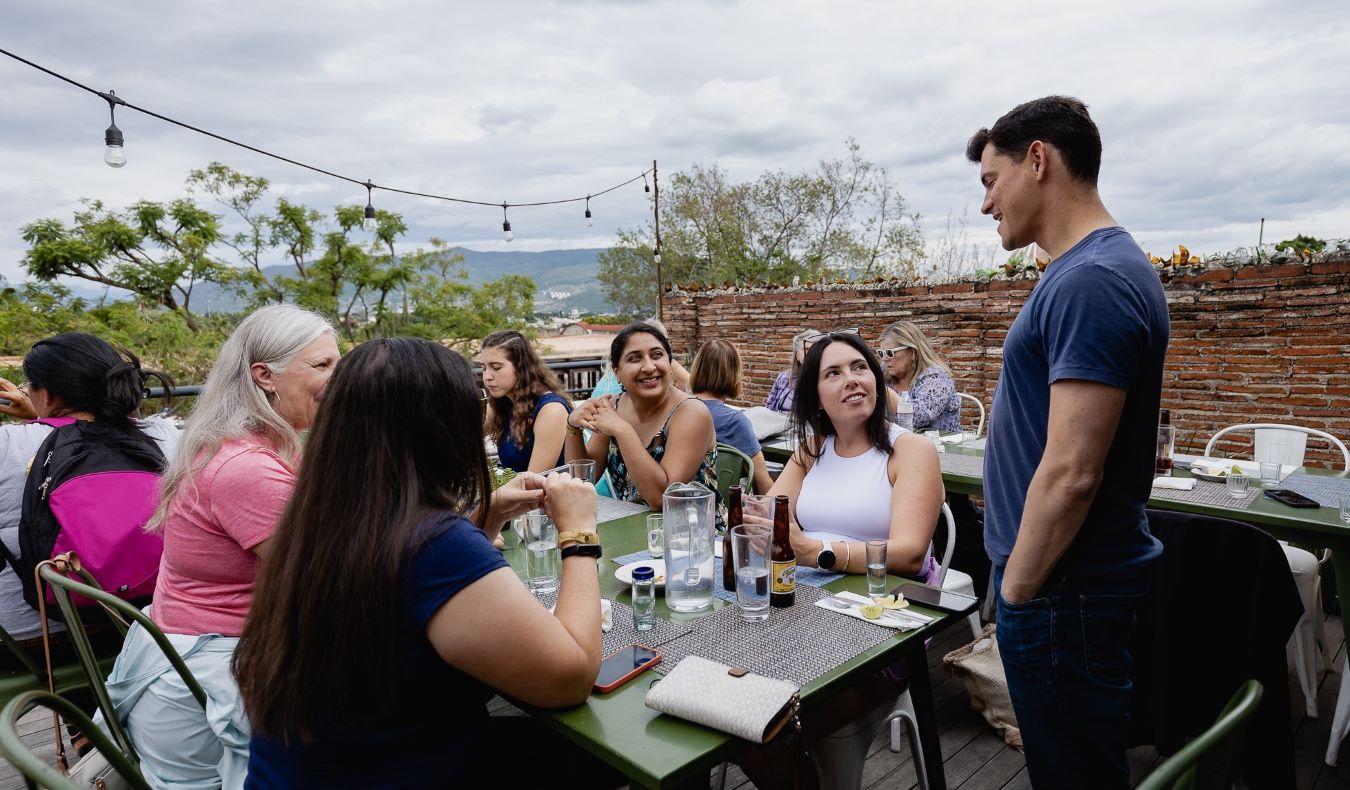
Global Work & Travel has made the pursuit of such deep, meaningful engagement more accessible than ever before. For individuals who have contemplated extended travel and meaningful contribution but have been deterred by logistical complexities, the company offers a viable and comprehensive solution. By utilizing the code NOMADICMATT, travelers can unlock a $100 discount on their next trip, transforming the idea of impactful travel into a tangible reality.
Essential Logistical Planning for Global Journeys
Securing Flights: Skyscanner is a widely recommended platform for finding affordable flights, as it aggregates options from numerous airlines and travel agencies worldwide, ensuring a comprehensive search.
Accommodation: Hostelworld is a popular choice for budget-friendly dormitory-style accommodations, while Booking.com offers a wide selection of hotels and guesthouses at competitive rates.
Travel Insurance: Comprehensive travel insurance is crucial for protection against unforeseen events such as illness, injury, theft, or cancellations. Companies like World Nomads and SafetyWing are often cited for their robust coverage and reliable service, providing peace of mind during international travel.
Maximizing Travel Rewards: Utilizing travel credit cards can enable travelers to earn points redeemable for flights and accommodation, effectively reducing travel costs. Researching and selecting the right card based on spending habits and travel goals is key to maximizing these benefits.
Rental Vehicles: For those requiring a rental car, Discover Cars is a platform known for its budget-friendly options across international destinations.
Activity Planning: Get Your Guide offers a vast marketplace for booking tours, excursions, skip-the-line tickets, and private guides, enhancing the exploration of any destination.
For a comprehensive overview of resources and recommended services for travel planning, consulting dedicated travel resource pages can provide valuable insights and direct links to reputable providers.