The Strategic Implementation of SEO and Answer Engine Optimization Tools for Small Business Growth and Digital Competitiveness

The digital landscape for small and medium-sized enterprises (SMEs) has reached a critical inflection point where the selection of a search engine optimization (SEO) tech stack is no longer a luxury but a fundamental requirement for survival. According to the most recent data from HubSpot’s State of Marketing report, approximately 50% of small businesses now identify their website, blog, and organic search presence as their most leveraged marketing channels. As organic search remains the primary driver of sustainable business growth, the challenge for SMEs lies in balancing limited budgetary resources with the need for sophisticated tools that can maintain a competitive edge against larger enterprise players.

The evolution of search technology has shifted from simple keyword matching to a complex ecosystem involving technical site health, user experience, authority building, and the nascent field of Answer Engine Optimization (AEO). For the modern small business, finding the right tech stack requires a strategic framework that evaluates tools based on specific growth goals, team skill levels, and the ability to integrate disparate data points into a cohesive narrative of return on investment (ROI).
The Evolution of the Search Landscape: A Brief Chronology
To understand the current necessity for a robust SEO tech stack, one must look at the rapid shifts in search engine behavior over the last decade. In the early 2010s, SEO was largely a game of volume—higher keyword density and a greater number of backlinks often equated to higher rankings. However, the introduction of Google’s Panda and Penguin updates signaled a shift toward quality and user intent.
By 2020, the landscape became increasingly technical. The Core Web Vitals update forced businesses to prioritize page speed and mobile responsiveness. The most significant recent shift occurred in July 2023, with the mandatory transition from Google’s Universal Analytics to Google Analytics 4 (GA4), which introduced a more event-based tracking model. This was followed closely by the 2024 rollout of AI Overviews and the rise of generative AI platforms like ChatGPT and Perplexity, which have necessitated the move toward Answer Engine Optimization. This chronology demonstrates that SEO is no longer a "set and forget" task but a continuous technical discipline requiring specialized software.
Strategic Frameworks for Tool Selection
Industry analysts suggest that small businesses often fail in their SEO efforts not due to a lack of effort, but due to "tool fatigue"—the acquisition of multiple platforms that perform overlapping functions. To mitigate this, decision-makers are encouraged to adopt a criteria-based selection process focused on four key pillars:
First, growth goals must dictate the toolset. A business launching a new digital presence requires deep auditing tools to establish a baseline, whereas a scaling business may prioritize content optimization and keyword research to drive conversions. Second, category matching ensures that the three pillars of SEO—on-page, technical, and off-page (backlinking)—are all addressed without redundant spending. Third, ease of use is paramount; a tool is only as effective as the team’s ability to utilize its data. Finally, budget constraints often determine the transition point from free "starter" tools to paid "professional" suites.
Technical SEO and Site Audit Infrastructure
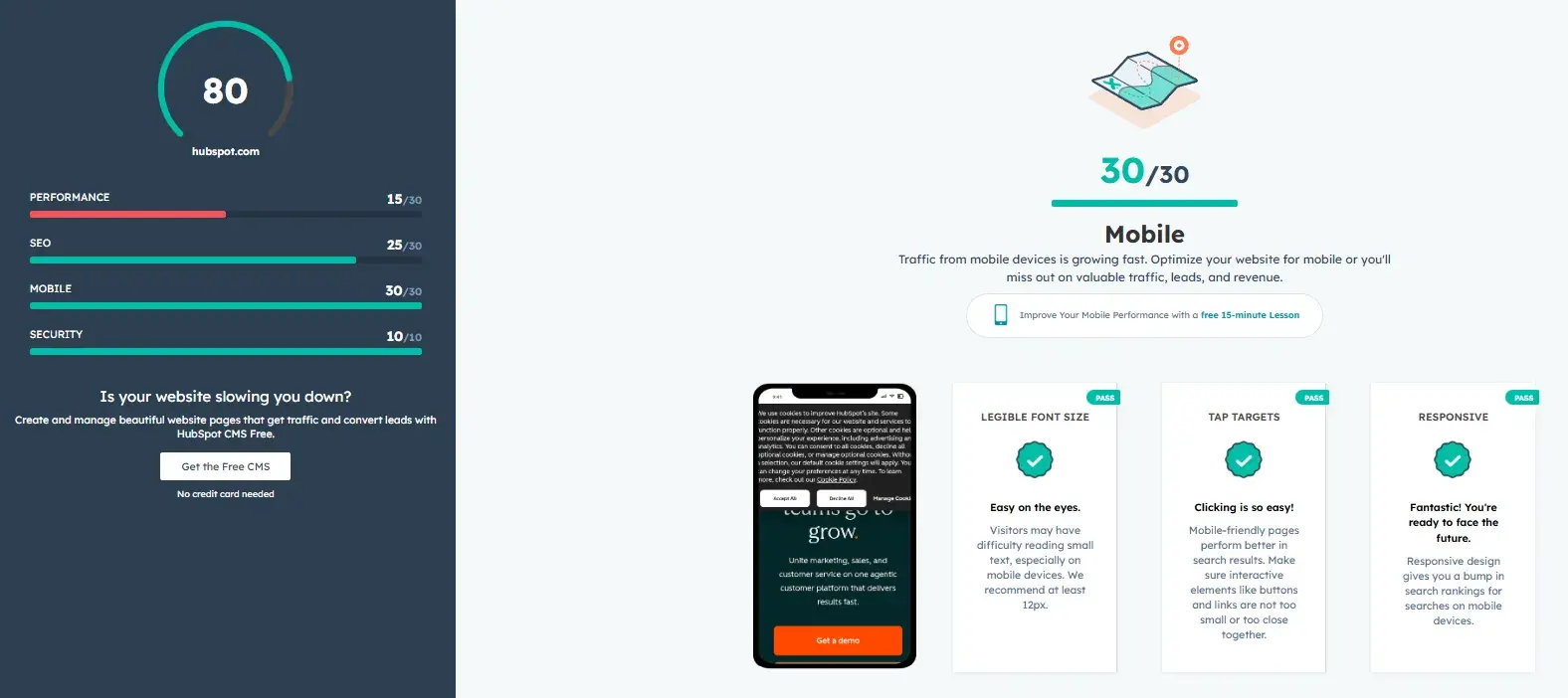
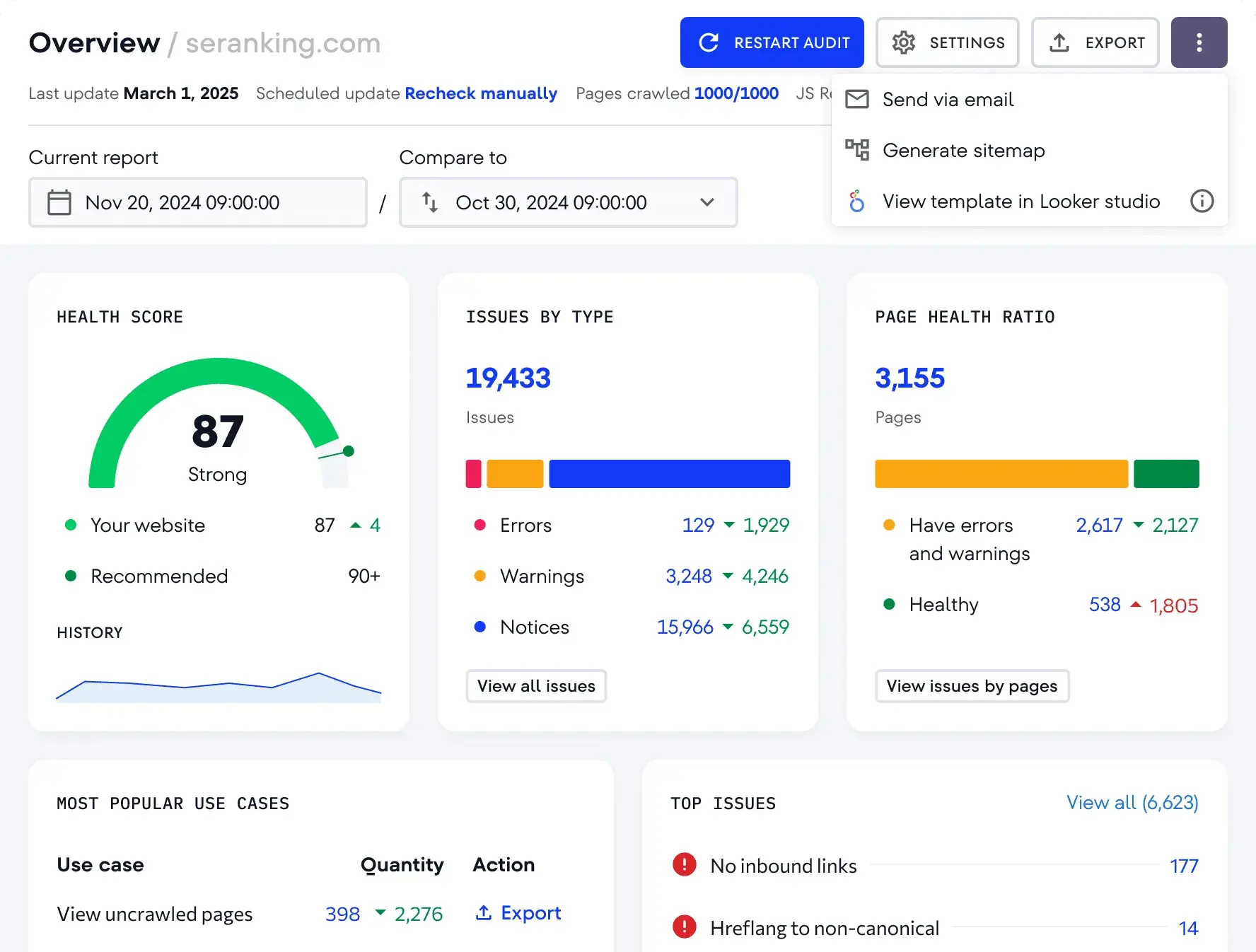
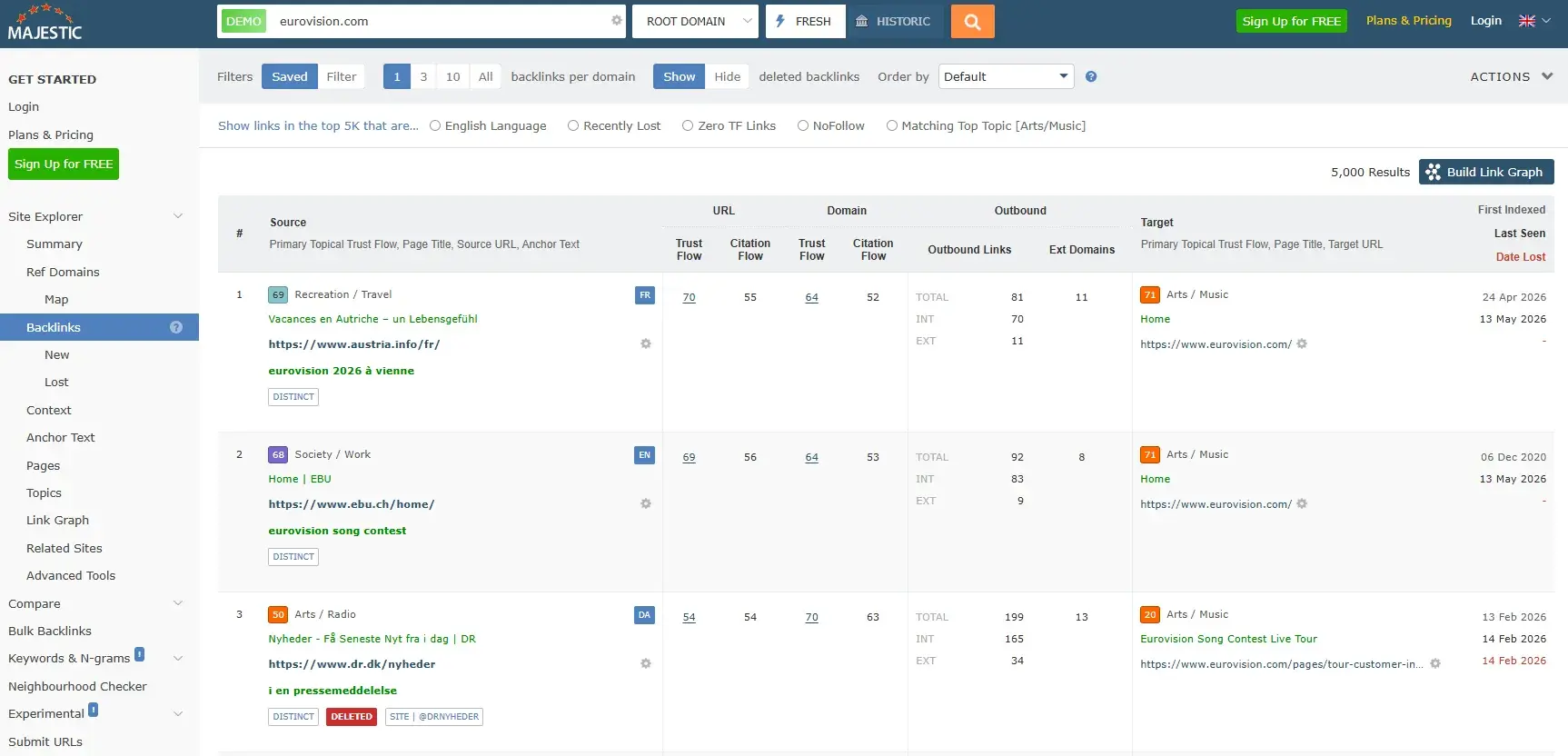
The underlying structure of a website serves as the foundation for all other search efforts. Technical SEO tools are designed to detect crawl errors, indexing issues, and metadata gaps that can silently suppress rankings. For businesses conducting their first audit, the HubSpot Website Grader provides a zero-cost entry point, offering scored reports on performance, mobile readiness, and security.
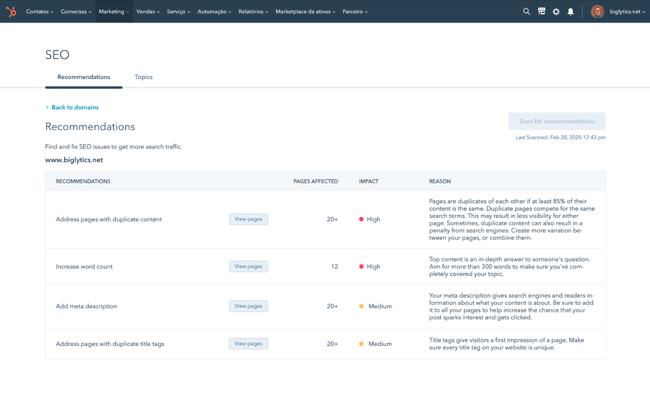
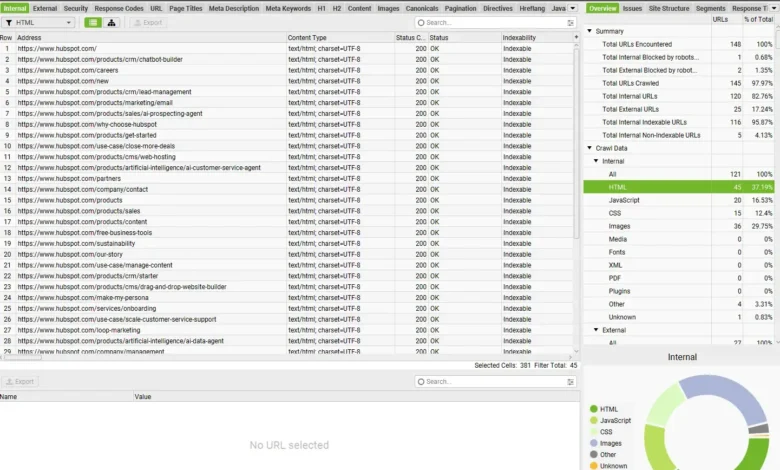
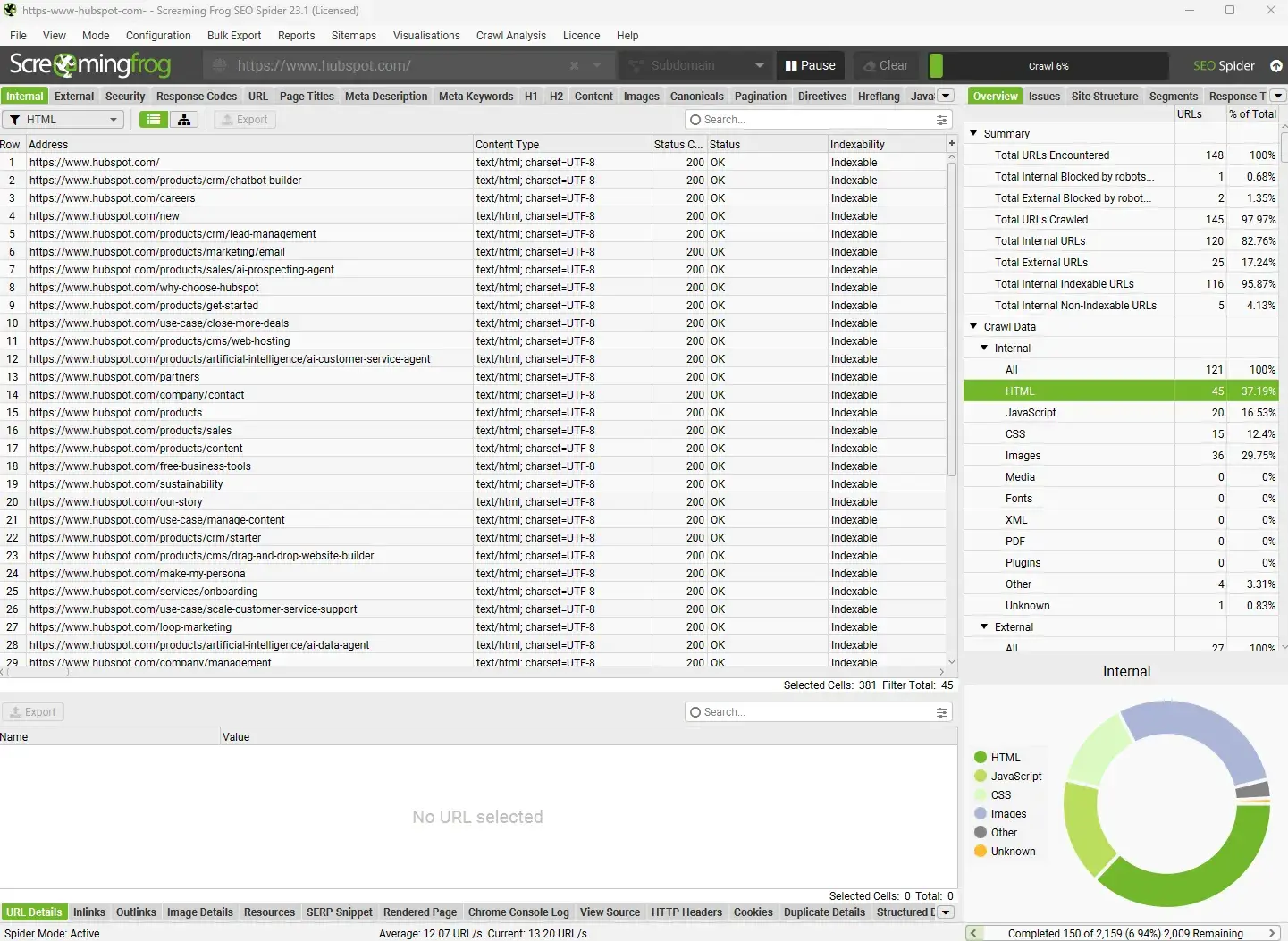
As a site grows in complexity, more granular tools become necessary. Screaming Frog, a desktop-based crawler, remains the industry standard for detailed technical audits. It allows teams to visualize site architecture and identify broken links or duplicate content at scale. For businesses that lack a dedicated technical SEO specialist, "guided" tools like HubSpot’s SEO Recommendations offer a more accessible path. These platforms translate raw data into prioritized tasks, categorizing them by "SEO Impact" and "Technical Difficulty," thereby allowing lean teams to focus their efforts on high-yield improvements.
Keyword Research and the Shift Toward Intent
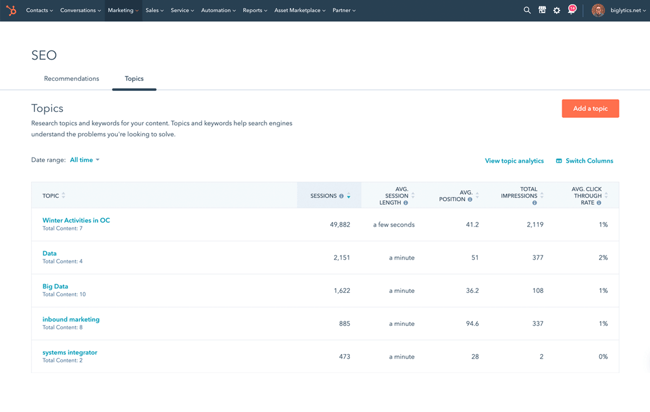
Keyword research remains the cornerstone of content strategy, yet the methodology has evolved. Modern tools now focus on "search intent"—understanding whether a user is looking for information, a specific website, or a product to purchase.
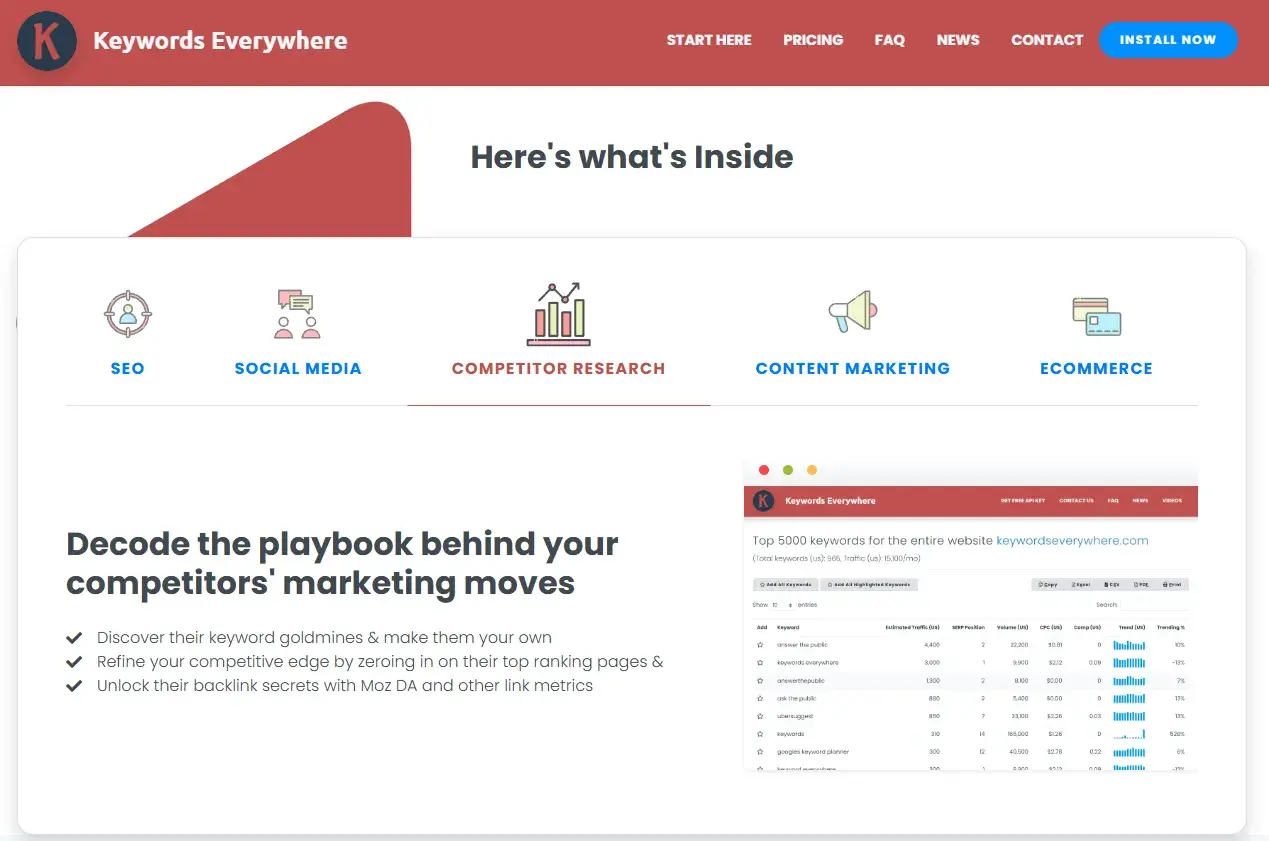
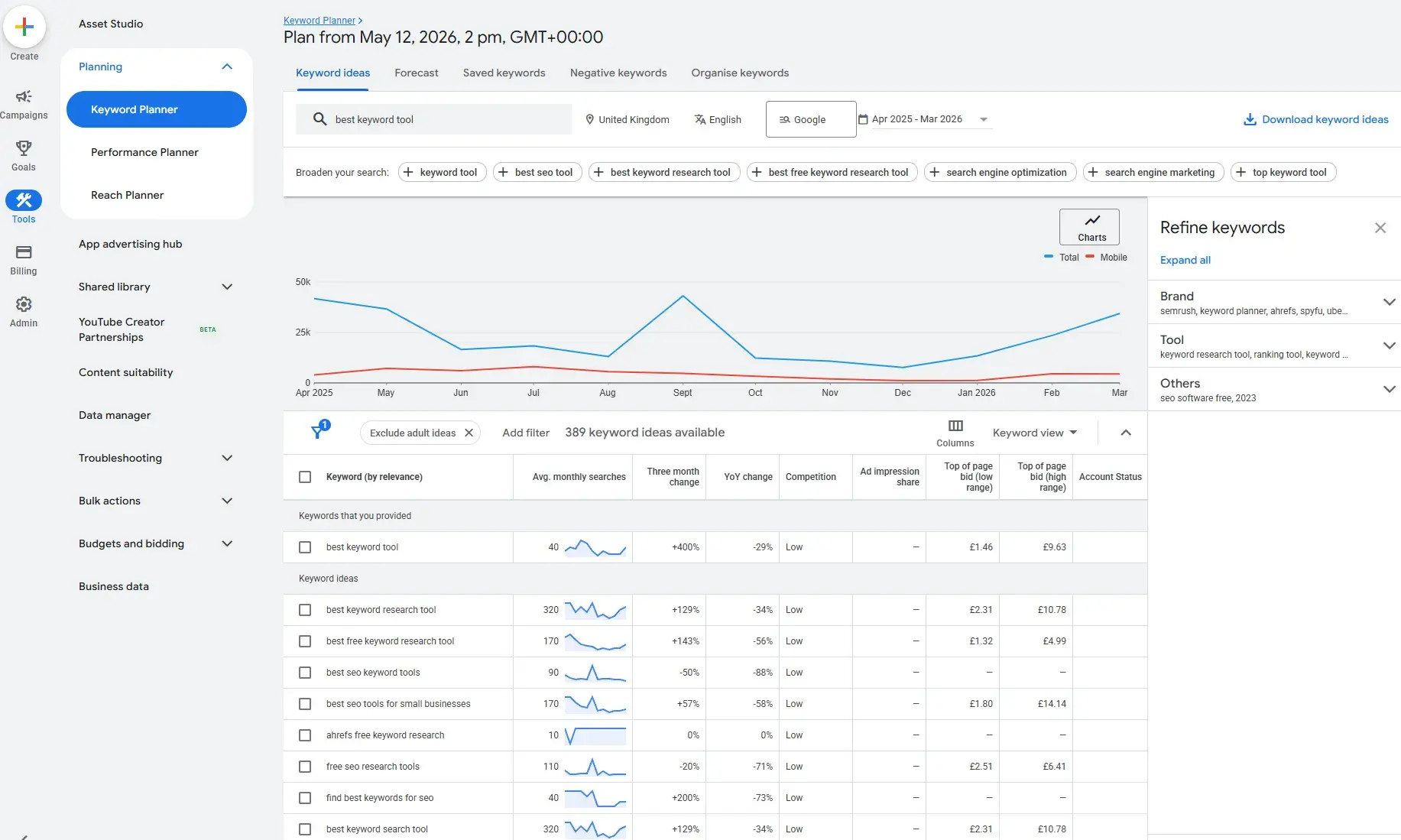
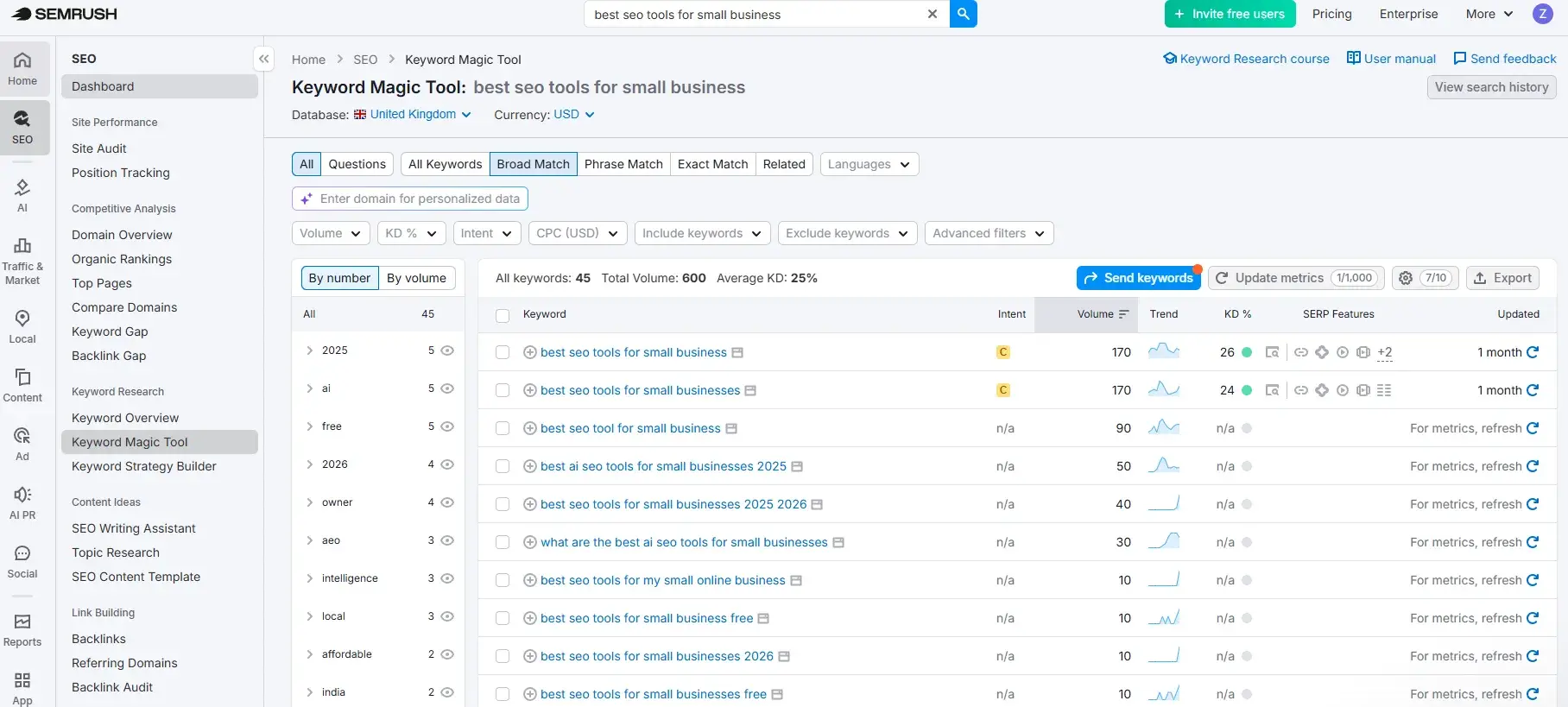
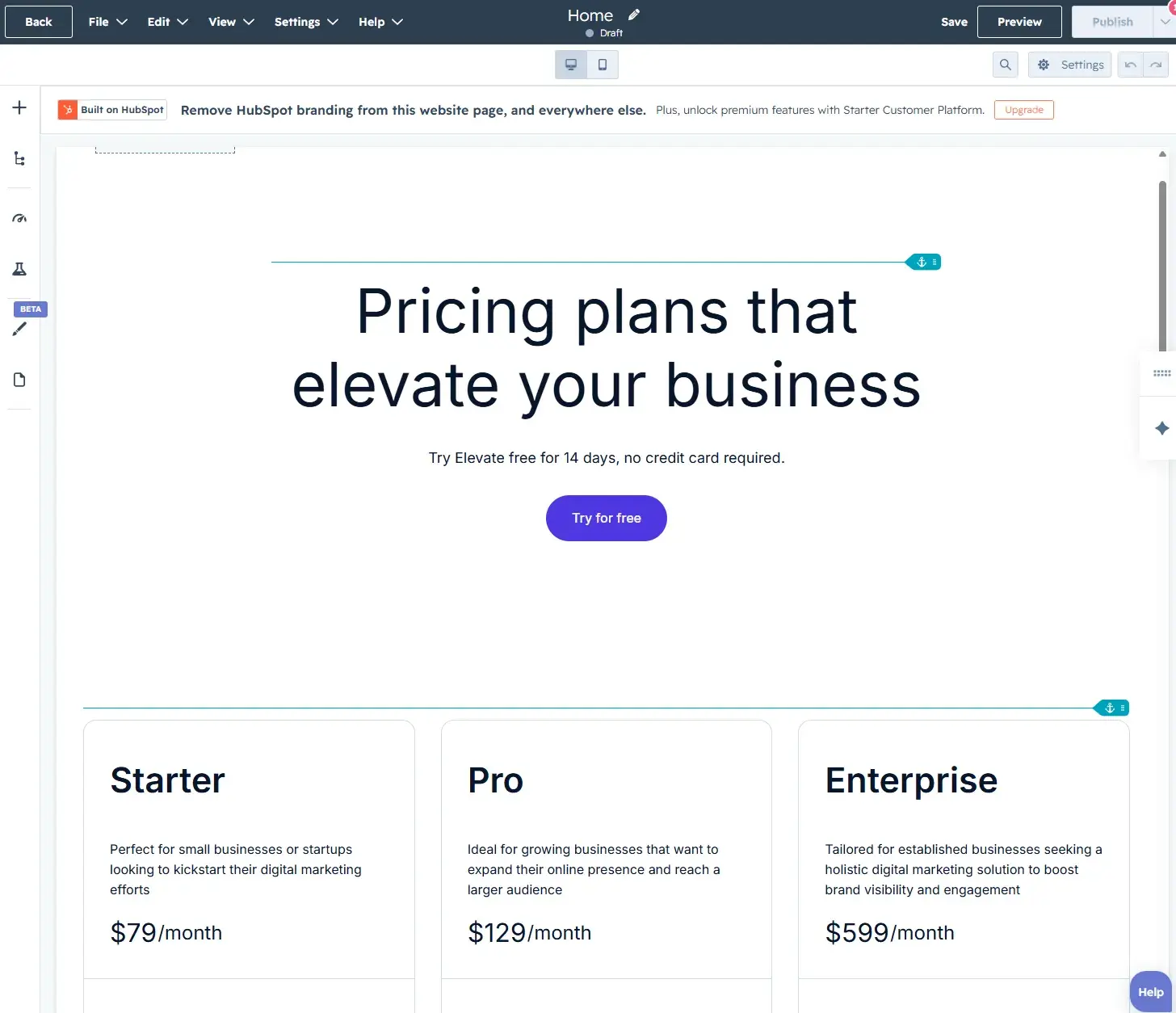
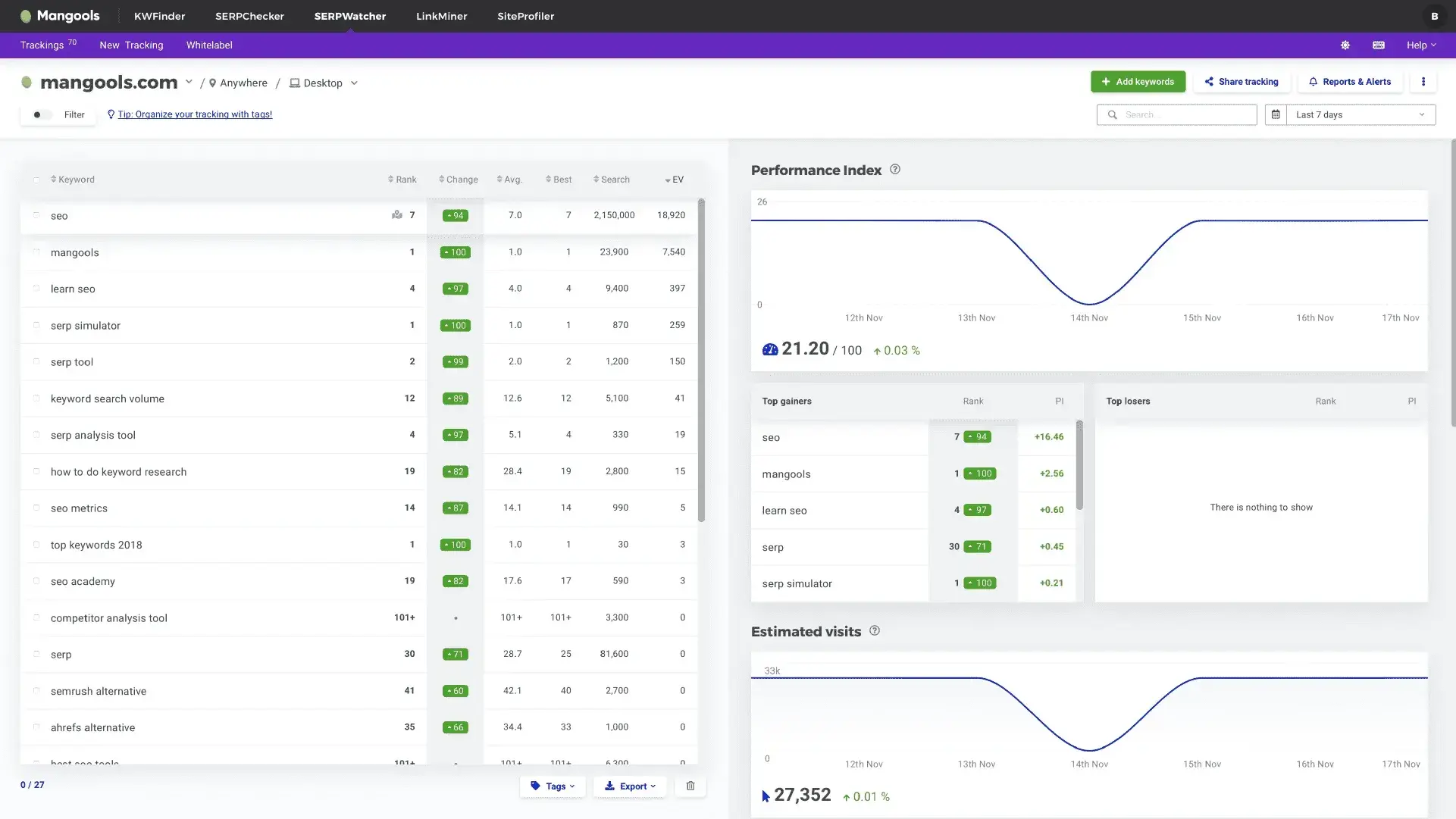
Google Keyword Planner remains a staple for those with active Google Ads accounts, providing search volume ranges directly from the source. However, third-party platforms like Semrush have become indispensable for competitive analysis. Semrush’s Keyword Magic Tool, which manages a database of over 25 billion keywords, allows small businesses to identify "content gaps"—keywords that competitors are ranking for but the business is not. This data-driven approach allows SMEs to compete in "long-tail" search niches where enterprise competitors may not be as focused.
Content Optimization and the Role of AI
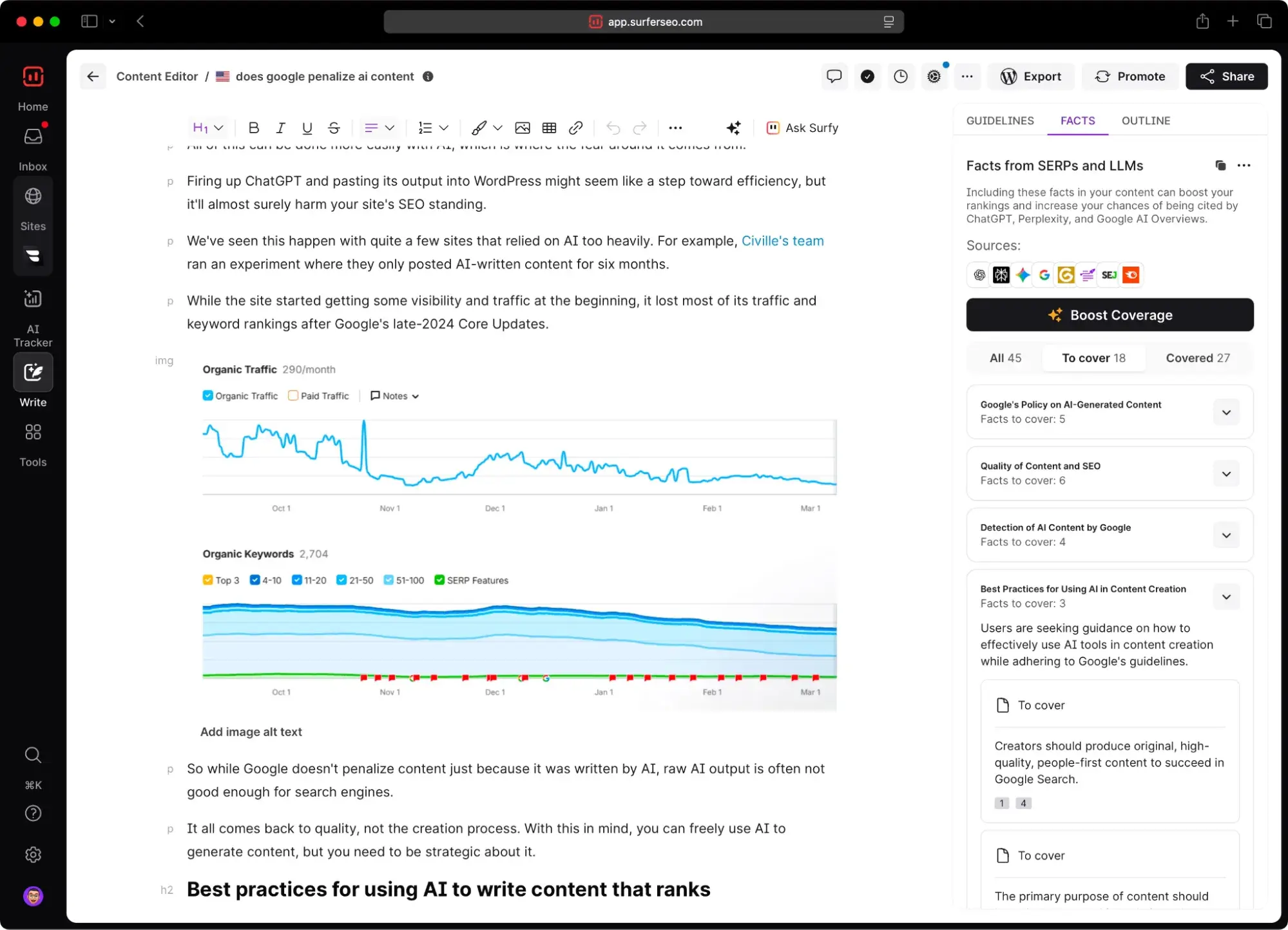
The rise of generative AI has transformed content production from a manual labor-intensive process to an editorial-focused one. Content optimization tools like Surfer SEO and HubSpot Content Hub now utilize Natural Language Processing (NLP) to analyze top-ranking pages in real-time. These tools provide writers with specific "scores" based on word count, heading structures, and keyword density, ensuring that new content is mathematically aligned with what search algorithms are currently rewarding.
Furthermore, the integration of content tools with a Centralized Relationship Management (CRM) system allows businesses to move beyond "vanity metrics" like page views. By connecting SEO data to lead generation, a business can see exactly which blog post or landing page contributed to a closed sale. This level of attribution is critical for small businesses that need to justify every dollar of marketing spend.
The Emerging Frontier: Answer Engine Optimization (AEO)
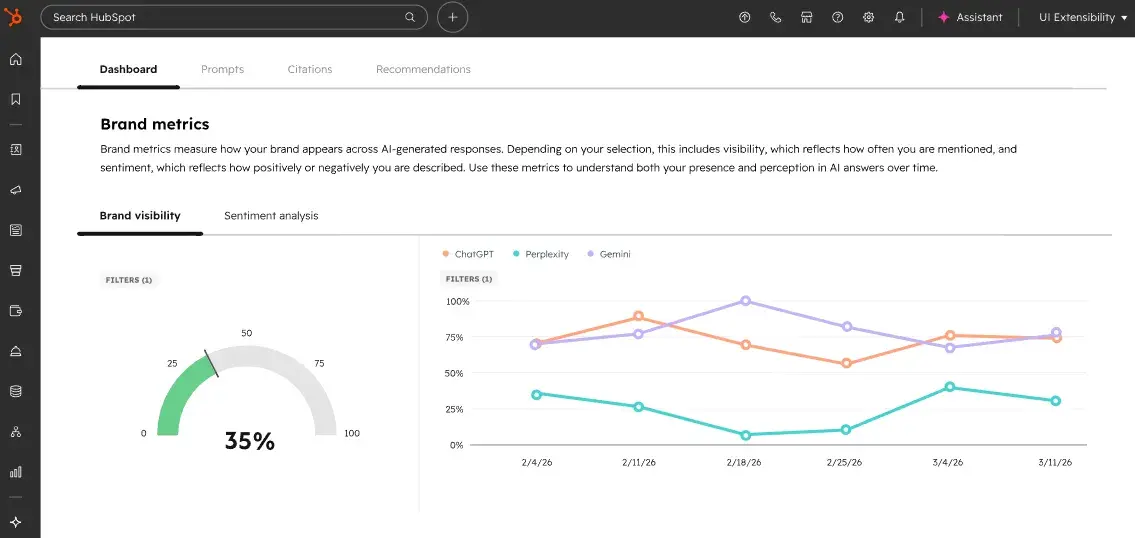
Perhaps the most significant implication for 2024 and beyond is the emergence of AEO. As search engines transition into "answer engines," the goal is no longer just to rank in the top ten blue links, but to be the cited source in an AI-generated summary.
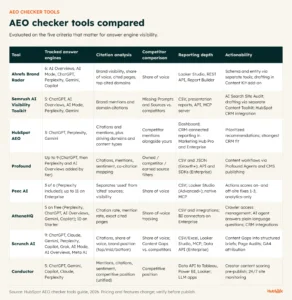
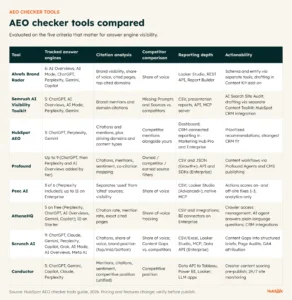
HubSpot’s AEO tool represents a new category of software that measures a brand’s "Brand Visibility Score" across AI platforms. This involves monitoring "Prompt Tracking"—predicting the questions buyers will ask AI—and "Sentiment Analysis," which measures whether AI descriptions of a brand are positive or negative. Digital marketing strategists emphasize that AEO is not a replacement for SEO, but a necessary extension of it. For SMEs, appearing as a cited authority in a ChatGPT response can provide a level of brand trust that traditional advertising cannot buy.
Analytics, Reporting, and the ROI Gap
The final component of a robust SEO tech stack is the reporting layer. While Google Analytics 4 provides a wealth of behavioral data, it often requires a steep learning curve. Consequently, many small businesses utilize Looker Studio (formerly Data Studio) to create simplified, real-time dashboards that aggregate data from GA4, Google Search Console, and their CRM.
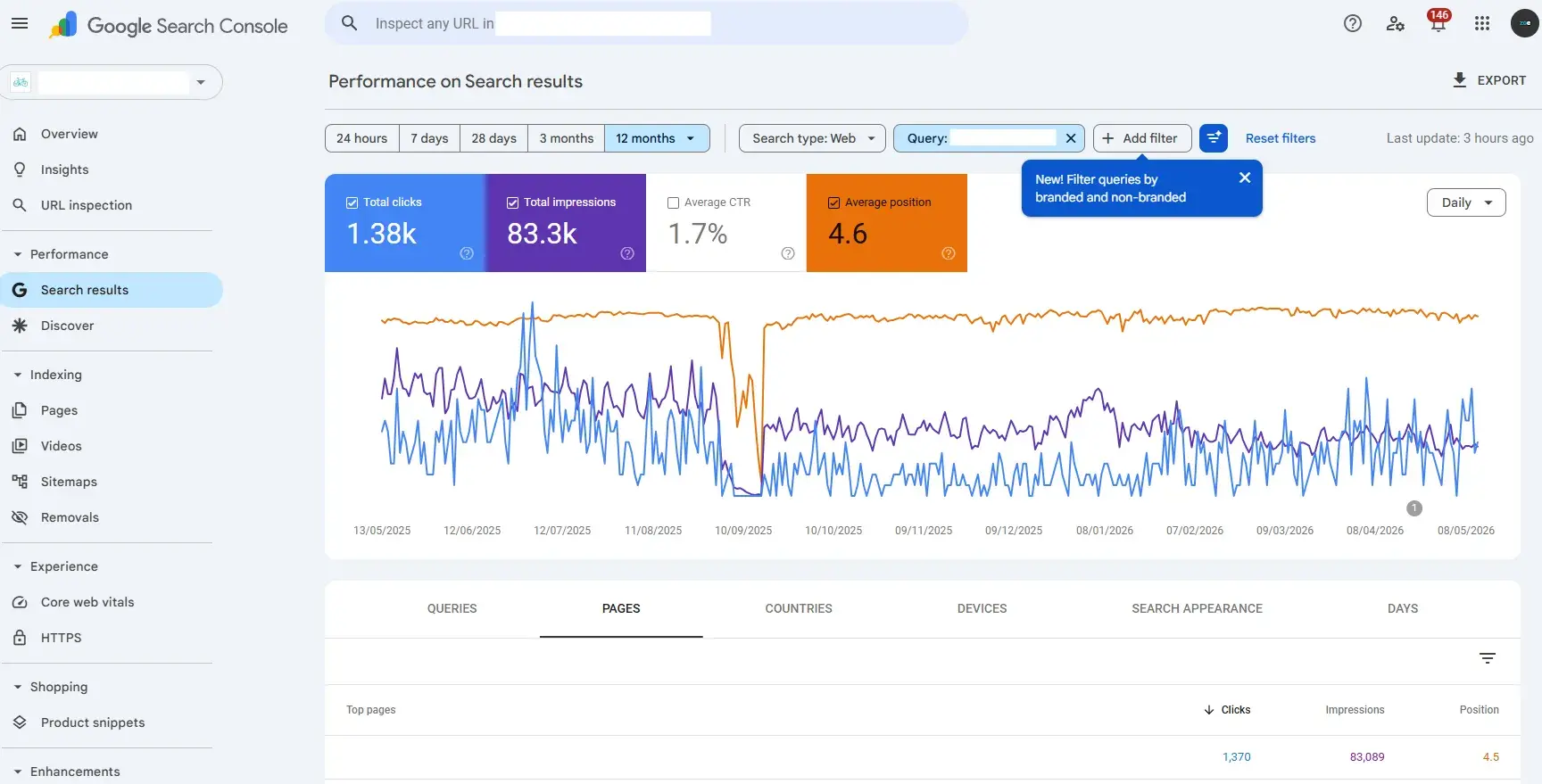
The "ROI gap"—the difficulty in proving that search rankings lead to revenue—is the most common reason SEO budgets are cut. Advanced marketing hubs bridge this gap by offering multi-touch attribution models. These models can show, for example, that a customer first discovered a business through an organic search for a "how-to" guide, was nurtured through email, and eventually made a purchase. This holistic view transforms SEO from a technical expense into a proven revenue driver.
Broader Impact and Economic Implications
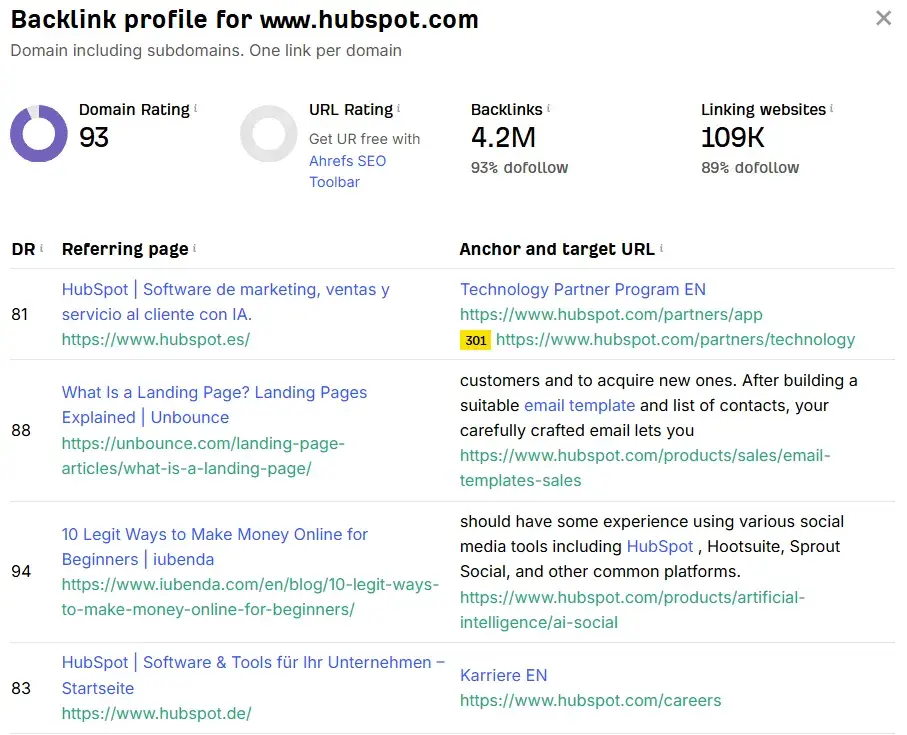
The democratizing effect of SEO tools cannot be overstated. In the previous era of advertising, visibility was bought through massive media spends. Today, a small business with a $100-a-month tool subscription and a smart content strategy can outrank a multi-billion dollar corporation for specific, high-intent queries.
However, the rapid pace of change also presents a risk of digital obsolescence. Businesses that fail to adapt to the transition toward GA4, mobile-first indexing, and AI search visibility may find themselves invisible to the next generation of consumers. The implementation of a strategic SEO tech stack is, therefore, an act of future-proofing. By making search performance measurable and actionable, small businesses ensure they remain adaptable as the digital landscape continues to evolve.
In conclusion, the best SEO tools for small businesses are those that provide a clear path from data to action. Whether through a comprehensive all-in-one platform or a curated selection of specialist tools, the objective remains the same: to build a sustainable, organic pipeline of growth that scales alongside the business. As search behavior shifts toward more conversational and AI-driven interactions, the ability to measure and optimize for these new environments will be the defining characteristic of successful small business marketing in the decade to come.
Related posts: