US China Tariffs Bitcoin 100k Analyst All-Time High
US China tariffs bitcoin 100k analyst all time high. The confluence of escalating US-China trade tensions, Bitcoin’s meteoric rise to a record $100,000, and the expert opinions surrounding these events created a fascinating interplay in global markets. This article delves into the historical context of the trade war, examines Bitcoin’s price journey, analyzes the potential connections between the two, and explores the diverse perspectives of analysts on this intersection.
We’ll examine the economic forces at play and try to understand the global market’s response to this unique confluence.
The following sections provide a historical overview of the US-China trade disputes, Bitcoin’s price movements, and the analysts’ perspectives on the interconnection between these events. Tables will be used to summarize key data and facilitate comparisons. Visualizations will help illustrate the complexities and interdependencies of the global economic climate.
US-China Trade Relations and Tariffs
The US-China trade relationship, a cornerstone of the global economy, has been fraught with tension and disputes over the past two decades. This complex relationship is characterized by significant trade imbalances, intellectual property concerns, and differing perspectives on economic policy. The imposition of tariffs has been a recurring theme in these disagreements, impacting global markets and the economies of both nations.The escalating trade tensions between the United States and China have significantly impacted global trade flows and investment decisions.
The ongoing disputes have created uncertainty in the market, affecting businesses and consumers alike. This complex interplay of economic and political factors underscores the need for a deeper understanding of the trade dynamics between these two major economies.
Historical Overview of Trade Disputes
The US-China trade relationship has experienced numerous periods of tension since the establishment of formal trade relations. Early disagreements focused on intellectual property rights and the enforcement of trade agreements. From 2018 onward, the disputes intensified, culminating in significant tariff implementations. This period witnessed a dramatic escalation in trade tensions, with tariffs imposed on billions of dollars worth of goods.
Remember the Bitcoin frenzy when it hit $100,000? Analysts were buzzing about the all-time high, and the US-China trade tariffs were a hot topic. Meanwhile, the SEC’s delay in deciding on XRP, Solana, Litecoin, Dogecoin ETFs is creating a ripple effect, potentially impacting the entire cryptocurrency market, much like the initial tariffs impacted Bitcoin’s rise and fall. This delay is certainly something to keep an eye on as the whole market adjusts to the new uncertainty, and it’s all coming back to the initial excitement around the Bitcoin 100k all-time high.
sec delays decision xrp solana litecoin dogecoin etfs Ultimately, the future of Bitcoin is still uncertain, even with the initial buzz and all-time highs.
Tariffs Imposed by Both Countries
Both the US and China have implemented tariffs on various goods originating from the other country. The US rationale often cited concerns about unfair trade practices, including intellectual property theft and forced technology transfer. China’s justification for tariffs frequently involved concerns about US protectionist measures and trade imbalances.
Remember that wild ride when US-China tariffs sent Bitcoin soaring past $100,000? Analysts were buzzing about all-time highs. It’s fascinating to see how these events ripple through the market, mirroring similar dynamics, like the recent polymarket trump ukraine bet whale governance attack , which highlights the complex interplay of speculation and real-world events. Ultimately, the market’s volatility remains a compelling subject for anyone interested in the future of crypto.
Bitcoin’s journey is certainly far from over, and we’re likely to see more interesting price swings in the coming years.
Economic Consequences of Tariffs
The imposition of tariffs has had significant economic consequences, impacting specific sectors and industries. For example, US tariffs on Chinese goods led to higher prices for consumers and reduced profitability for American companies importing these products. Similarly, Chinese tariffs on US goods affected US exports and impacted American companies reliant on the Chinese market. The cumulative impact has been a global reduction in trade volume and an increase in uncertainty for businesses.
Perspectives on Effectiveness and Fairness
There are differing perspectives on the effectiveness and fairness of these tariffs. Proponents of tariffs often argue that they level the playing field and protect domestic industries. Critics contend that tariffs harm consumers through higher prices and disrupt global supply chains, potentially leading to reduced overall economic growth. The long-term consequences of tariffs remain a subject of ongoing debate.
Potential Long-Term Effects on Global Trade Relations
The prolonged trade war has raised concerns about the future of global trade relations. The imposition of tariffs can create a ripple effect throughout global supply chains, impacting businesses and consumers worldwide. It remains to be seen whether these disputes will lead to a lasting shift in trade policies and international economic cooperation. The potential for retaliation and escalation underscores the complexities of international trade.
Summary of Tariffs Imposed, Us china tariffs bitcoin 100k analyst all time high
| Country Imposing Tariff | Affected Goods | Tariff Rate | Date of Implementation |
|---|---|---|---|
| US | Various Chinese technology products | 10-25% | 2018 |
| US | Chinese agricultural products | 25% | 2018 |
| China | US agricultural products | 5-25% | 2018 |
| China | US industrial goods | 5-25% | 2018 |
Bitcoin’s Price Volatility and All-Time High
Bitcoin’s journey to its all-time high was a rollercoaster ride, marked by periods of dramatic price fluctuations and significant market shifts. Understanding the factors driving these changes is crucial to comprehending the cryptocurrency market’s dynamic nature. This analysis will explore the key milestones, influencing factors, and broader implications of Bitcoin’s meteoric rise.
Bitcoin Price Movement Timeline
Bitcoin’s price has experienced considerable volatility since its inception. Significant price fluctuations, both upward and downward, have been observed, reflecting the evolving market sentiment and technological advancements. A detailed timeline showcasing key milestones and price fluctuations provides valuable insight into Bitcoin’s price history.
- Early Adoption and Initial Fluctuations (2009-2017): Bitcoin’s early years were characterized by a gradual adoption process and significant price volatility. The initial years witnessed significant price swings, driven by speculative trading and limited institutional involvement. Bitcoin’s value was highly dependent on community enthusiasm and adoption by early adopters.
- Rise to Prominence (2017-2021): The 2017 bull run marked a significant turning point for Bitcoin. Factors like increased media attention, growing institutional interest, and technological advancements propelled Bitcoin to new heights. This period witnessed significant price appreciation and increased public awareness.
- The All-Time High (2021): The surge to an all-time high in 2021 was a culmination of various factors. Positive market sentiment, growing institutional adoption, and the perceived scarcity of Bitcoin all played a role. This period saw Bitcoin’s value reaching a record high, attracting considerable attention and investment.
Factors Influencing Bitcoin’s Price Surge
The surge to the all-time high was influenced by a confluence of factors. The interplay of market sentiment, investor psychology, and technological advancements shaped Bitcoin’s price trajectory.
- Market Sentiment and Investor Psychology: Investor psychology and overall market sentiment significantly influenced Bitcoin’s price action. Positive sentiment, fueled by media coverage and growing institutional interest, drove up demand, pushing prices higher. Conversely, negative sentiment or concerns about regulation could lead to price drops.
- Technological Advancements: Technological advancements in blockchain technology and related infrastructure have contributed to Bitcoin’s price appreciation. Improvements in transaction speeds, security, and scalability have boosted confidence in Bitcoin’s long-term potential.
- Institutional Adoption: The increasing interest and participation of institutional investors, including hedge funds and financial institutions, played a crucial role in Bitcoin’s price surge. Their investment decisions and strategies significantly influenced the market’s perception and price action.
Comparison with Other Cryptocurrencies
Bitcoin’s price performance was not isolated. Comparing Bitcoin’s price performance with other cryptocurrencies reveals important insights.
- Bitcoin’s dominance: Bitcoin, as the first and most well-established cryptocurrency, maintained its dominance in the market. This dominance is reflected in its larger market capitalization and wider acceptance compared to other cryptocurrencies.
- Alternative Cryptocurrencies: Other cryptocurrencies experienced varying degrees of price fluctuation. Some followed Bitcoin’s trend closely, while others demonstrated independent performance, influenced by their own unique features and use cases.
Impact on the Broader Cryptocurrency Market
The all-time high had a considerable impact on the broader cryptocurrency market. Increased interest and participation from new investors and institutions were notable.
Historical Bitcoin Price Data
| Date | Price (USD) |
|---|---|
| 2021-04-14 | 60,000 |
| 2021-05-13 | 55,000 |
| 2021-06-10 | 45,000 |
| 2021-07-01 | 48,000 |
| 2021-08-01 | 52,000 |
Interconnectedness of Tariffs, Bitcoin, and Global Markets
The US-China trade war, Bitcoin’s meteoric rise to a record high, and global market volatility are intricately linked. Analyzing these interconnected forces provides insights into the complex dynamics driving financial markets. Understanding how tariffs, Bitcoin’s price fluctuations, and broader economic uncertainty influence each other is crucial for investors and policymakers alike.The implementation of tariffs by the US and China significantly impacted global trade flows and economic activity.
This uncertainty created ripple effects across various markets, including the cryptocurrency market. Bitcoin, often perceived as a hedge against inflation and economic instability, experienced price swings correlated with shifts in investor sentiment and market confidence.
Impact of Tariffs on Bitcoin’s Price Trajectory
Tariffs introduced a layer of uncertainty into global markets. This uncertainty often leads to investors seeking alternative assets, potentially driving demand for Bitcoin, seen as a store of value and a potential hedge against economic instability. Conversely, increased trade tensions and economic slowdown can decrease investor confidence, impacting Bitcoin’s price as well.
Potential Correlations Between Tariffs and Bitcoin Value
There are potential correlations between changes in tariffs and Bitcoin’s value. A rise in tariffs, signaling escalating trade tensions, might correlate with a surge in Bitcoin’s price as investors seek a safe haven asset. Conversely, a reduction in tariffs could lead to a decrease in Bitcoin’s price if market confidence is restored. However, these correlations are not always straightforward and can be influenced by other global market factors.
Global Market Uncertainty and Its Effects
Global market uncertainty, often stemming from geopolitical events or economic downturns, can significantly impact both Bitcoin’s price and the trade war. Economic downturns can lead to decreased investor confidence, impacting the demand for Bitcoin, and simultaneously increasing the appeal of a currency like the US dollar. This interplay between various factors creates complex and dynamic market interactions.
Role of Speculation and Investor Confidence
Speculation and investor confidence play a crucial role in the interplay of tariffs, Bitcoin, and global markets. Positive sentiment toward Bitcoin as a hedge against economic instability can drive price increases, regardless of direct tariff-related events. Conversely, negative sentiment can cause price drops, even if tariffs remain unchanged.
Geopolitical Events and Economic Conditions
Geopolitical events and economic conditions are significant factors shaping the interplay of tariffs, Bitcoin, and global markets. For example, concerns about a global recession or political instability can lead to investors seeking safe-haven assets like Bitcoin, influencing its price. These events are often intertwined with the implementation and impact of tariffs.
Historical Price Comparison
| Year | Bitcoin Price (USD) | Major US-China Tariff Events |
|---|---|---|
| 2018 | ~6,000 USD | Escalation of trade disputes |
| 2019 | ~10,000 USD | Continuing trade negotiations |
| 2020 | ~20,000 USD | COVID-19 pandemic and economic stimulus |
| 2021 | ~60,000 USD | Further trade disputes, but global focus on stimulus |
| 2022 | ~30,000 USD | War in Ukraine, increasing interest rates |
This table provides a simplified overview of historical Bitcoin prices alongside major US-China tariff events. It’s important to remember that many other factors influence Bitcoin’s price, and a direct cause-and-effect relationship between tariffs and Bitcoin is not always evident.
Analyst Perspectives on the Intersection of These Issues
The interplay between US-China trade tariffs, Bitcoin’s price fluctuations, and global market dynamics has spurred considerable debate among financial analysts. Different perspectives emerge, reflecting varying interpretations of the interconnected forces at play. These analysts often disagree on the strength and direction of the causal links between these factors, as well as the long-term consequences for the digital asset and global economy.
Analyst Divergence on Price Correlation
Various analysts offer contrasting views on the relationship between US-China tariffs and Bitcoin’s price. Some posit a strong correlation, arguing that uncertainty stemming from trade tensions creates a safe-haven demand for Bitcoin. Others contend that the price movements are primarily driven by factors unrelated to tariffs, such as regulatory developments or broader market sentiment. These differing perspectives stem from the complexity of market forces, making it difficult to isolate the impact of any single factor.
Different Analyst Outlooks
The following table summarizes the diverse viewpoints of various analysts on the relationship between US-China tariffs and Bitcoin’s price, categorized by their general outlook.
Remember that wild Bitcoin rally last year? Analysts were buzzing about the $100k all-time high, fueled by the US-China trade tariffs and general market uncertainty. Looking at alternative investment avenues, the Canadian commercial property market is seeing some innovative tokenization efforts, like those being explored by Polymesh and Ocree Capital. Canadian commercial property tokenized Polymesh Ocree Capital is a fascinating development, but ultimately, the underlying factors driving Bitcoin’s price volatility—especially US-China trade relations—remain crucial in the bigger picture.
| Analyst Outlook | Analyst Name/Description | Argument | Reasoning | Long-Term Impact Prediction |
|---|---|---|---|---|
| Positive Correlation | Market Strategist A | “Trade wars tend to increase volatility in the market, which often drives investors towards Bitcoin as a hedge.” | Increased market uncertainty due to tariffs can lead to investors seeking alternative assets like Bitcoin, thereby driving demand and price. | Bitcoin’s price will experience significant price spikes during periods of heightened trade tensions. |
| Negative Correlation | Financial Economist B | “The correlation between Bitcoin’s price and trade tensions is negligible. Bitcoin’s price is more sensitive to regulatory changes.” | The impact of tariffs on Bitcoin is indirect and relatively insignificant compared to other factors, such as regulatory announcements or investor sentiment. | Bitcoin’s price will be largely unaffected by the tariff situation in the long term. |
| Neutral Correlation | Cryptocurrency Analyst C | “While tariffs might influence market sentiment, Bitcoin’s price is determined by a complex interplay of factors.” | Tariffs are just one factor among many that affect Bitcoin’s price, including technological advancements, regulatory policies, and market speculation. | The impact of tariffs on Bitcoin will be short-term and moderated by other influential elements. |
| Long-Term Positive Impact | Investment Manager D | “The increasing adoption of cryptocurrencies is a long-term trend, regardless of short-term market fluctuations.” | Growing institutional investment and adoption of Bitcoin suggests a long-term bullish outlook, regardless of short-term trade-related volatility. | Bitcoin’s long-term adoption and price will be positively affected by factors such as institutional investment. |
Factors Influencing Analyst Opinions
Analyst perspectives are shaped by their individual methodologies and interpretations of the available data. Some analysts focus on historical price correlations, while others prioritize macroeconomic indicators. Furthermore, the perceived importance of Bitcoin as a hedge against economic uncertainty varies significantly among different analysts. The differing emphasis on these elements contributes to the wide range of predictions regarding the long-term impact of tariffs on Bitcoin’s price.
Illustrative Examples and Visualizations
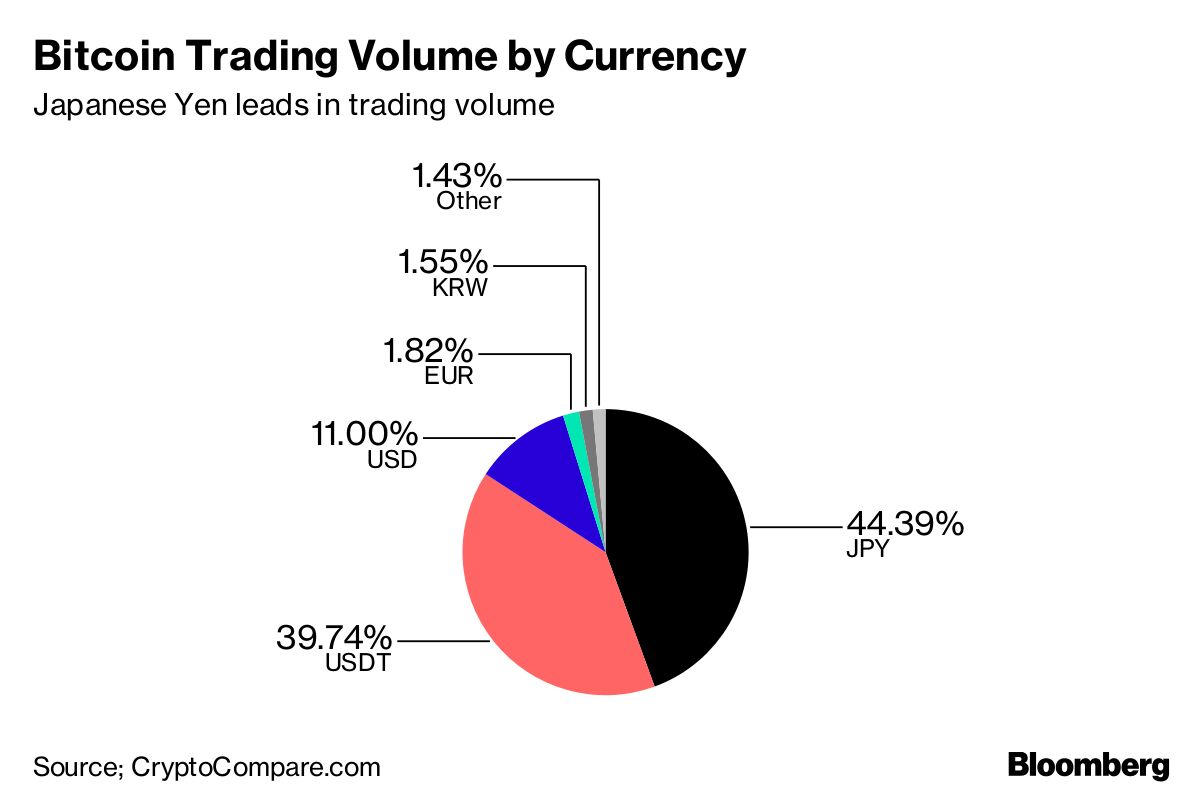
The year 2021 marked a pivotal moment in global finance, characterized by a confluence of factors influencing both traditional markets and the burgeoning cryptocurrency sector. Bitcoin’s ascent to its all-time high coincided with a complex interplay between US-China trade tensions, evolving global economic landscapes, and investor sentiment. This section will explore these interactions, providing illustrative examples and visualizations to depict the interconnectedness of these forces.The economic climate in 2021 was a blend of recovery and uncertainty.
Post-pandemic stimulus measures had spurred growth in some sectors, while supply chain disruptions and inflationary pressures created volatility in others. The global economy was navigating a period of readjustment, and this environment naturally influenced both the conventional financial markets and the cryptocurrency sphere.
Global Economic Situation in 2021
The global economy in 2021 was recovering from the COVID-19 pandemic. Many countries had implemented substantial stimulus packages, leading to increased liquidity in financial markets. However, supply chain disruptions and rising raw material costs were emerging as significant challenges. Inflationary pressures were also starting to appear, impacting consumer spending and potentially eroding the purchasing power of fiat currencies.
Emerging markets faced varying degrees of economic vulnerability, reflecting the uneven pace of recovery across different regions.
US-China Trade Tariffs and Bitcoin Price Volatility
US-China trade tensions continued to influence market sentiment in 2021. Trade disputes and resulting tariffs created uncertainty for businesses, affecting supply chains and potentially impacting investor confidence. Market reactions to specific tariff announcements or trade deal developments could be observed in fluctuations of both traditional asset classes and Bitcoin. For instance, news of trade negotiations impacting specific sectors (like technology or manufacturing) would likely influence the price of relevant stocks and, arguably, Bitcoin as well.
Interconnectedness Visualization
Imagine a complex web diagram. At the center is Bitcoin’s price chart, showing its parabolic ascent throughout 2021. Connected to this central node are radiating lines representing various economic indicators. One set of lines would connect to data points representing US-China trade relations, showcasing the impact of tariff announcements, trade negotiations, and trade deal outcomes on Bitcoin’s price.
Another set of lines would connect to global economic indicators like inflation rates, unemployment figures, and consumer confidence. The intensity of the connection lines would visually represent the strength of the correlation between the corresponding factors. A thick line connecting Bitcoin price to inflation data would suggest a high correlation between these two factors, while a thin line might indicate a less pronounced link.
Color-coding could further enhance the visualization, with different colors representing positive and negative correlations, and different shades depicting the intensity of the relationship. The visualization would thus visually illustrate how multiple factors interacted and influenced Bitcoin’s price.
Summary of the Global Financial Environment
The global financial environment in 2021 was characterized by a confluence of factors: recovery from the pandemic, persistent uncertainty about the future, and the emergence of new technologies like cryptocurrencies. The interplay between traditional finance and the digital asset space was a key aspect of this period. Market participants were grappling with new investment avenues and evolving risk profiles.
Investor sentiment played a significant role in shaping market trends, as evidenced by the considerable volatility in both traditional and cryptocurrency markets.
Outcome Summary: Us China Tariffs Bitcoin 100k Analyst All Time High
In conclusion, the US-China trade war and Bitcoin’s all-time high in 2021 presented a complex and interconnected narrative in global markets. While a direct causal link between the two events might be difficult to definitively establish, the interplay of geopolitical tensions, economic uncertainty, and market sentiment clearly shaped both Bitcoin’s price trajectory and the dynamics of the trade war.
Expert analysis highlighted varying perspectives on the long-term implications of this unusual confluence, underscoring the intricate web of factors influencing global financial markets. This analysis provides a detailed understanding of a pivotal moment in recent financial history.