Telegram TON Wallet Mandate Crypto Mini-Apps Future
Telegram TON wallet mandate crypto mini apps is rapidly changing the landscape of decentralized finance on Telegram. This mandate, with its detailed provisions and implications, forces developers and users to adapt to a new regulatory environment. Understanding the mandate’s impact on crypto mini-apps, user experience, and technological aspects is crucial for navigating this evolving space.
The mandate covers a wide range of topics, from the specific cryptocurrencies supported to the user experience and security implications. It forces a re-evaluation of how these apps function and how users interact with them, impacting everything from compliance processes to the future of the ecosystem.
Overview of Telegram Ton Wallet Mandate
The Telegram Ton Wallet mandate, a crucial step towards a more secure and regulated cryptocurrency ecosystem, Artikels specific requirements for users and developers interacting with the Ton blockchain. This initiative aims to enhance user safety and compliance with evolving regulatory landscapes. Understanding these provisions is paramount for users seeking to leverage the Ton Wallet’s functionality.The mandate is designed to establish clear standards for the usage and operation of the Telegram Ton Wallet, protecting both users and the broader cryptocurrency community.
This includes specifying acceptable cryptocurrencies, outlining compliance procedures, and addressing potential risks associated with the platform.
Key Provisions of the Mandate
The mandate encompasses several key provisions, all geared towards responsible and compliant cryptocurrency usage. This includes the regulation of supported cryptocurrencies, the establishment of user verification procedures, and the imposition of reporting requirements.
Telegram’s TON wallet mandate for crypto mini-apps is definitely interesting, but it’s worth considering the broader implications. The recent FDIC transparency operation, specifically the chokepoint coinbase clo situation as detailed in fdic transparency operation chokepoint coinbase clo , highlights the need for regulation in the crypto space. Ultimately, the complexities surrounding Telegram’s TON wallet mandate and crypto mini-apps require careful consideration in light of these developments.
- Supported Cryptocurrencies: The mandate specifies a list of cryptocurrencies that are supported and permissible within the Telegram Ton Wallet. This list is carefully curated, likely considering factors like security, market capitalization, and regulatory compliance. Users should refer to the official Ton Wallet documentation for the definitive list of approved assets.
- User Verification: The mandate necessitates user verification procedures. This likely includes the requirement for users to provide identifying information and undergo a verification process to ensure the legitimacy of transactions. This verification aims to prevent illicit activities and ensure accountability.
- Transaction Reporting: Specific transaction reporting requirements may be Artikeld, potentially demanding users to disclose substantial transactions or those above a certain threshold. This could be a response to evolving regulatory demands in the cryptocurrency sector.
Compliance Process for Users
The compliance process for users is likely to involve several steps, each designed to ensure smooth operation and adherence to the mandate. The process should be straightforward and accessible to a wide range of users.
- Account Verification: Users will need to complete the required verification steps to activate their Ton Wallet accounts. This will involve providing the necessary information and complying with the verification procedures.
- Reviewing the Mandate: Users must carefully review the mandate to understand their responsibilities and obligations when using the Ton Wallet. This includes thoroughly examining the list of supported cryptocurrencies, the user verification procedures, and any reporting requirements.
- Adherence to Regulations: Users are expected to adhere to all regulations Artikeld in the mandate. This involves understanding and complying with all the conditions to avoid potential penalties or account restrictions.
Potential Impact on User Adoption
The mandate’s impact on user adoption of the Telegram Ton Wallet is multifaceted. While it may initially deter some users, the mandate is ultimately designed to foster a more trustworthy and secure ecosystem.
- Increased Trust and Credibility: The mandate can enhance the credibility and trustworthiness of the Telegram Ton Wallet, leading to increased user confidence and adoption, especially among institutional investors and mainstream users.
- Attracting Institutional Investors: Clearer regulatory compliance can potentially attract institutional investors who are seeking regulated and compliant platforms for their cryptocurrency investments. This could significantly boost the wallet’s appeal to a wider range of investors.
- Reduced Risk for Users: The mandate’s provisions aim to reduce the risk associated with using the Ton Wallet, thereby increasing user confidence and encouraging wider adoption.
Implications for Crypto Mini-Apps
The Telegram Ton Wallet mandate introduces significant changes for crypto mini-apps, impacting their development, deployment, and user experience. This mandate necessitates a shift in how developers approach the creation and integration of these applications within the Telegram ecosystem. Understanding these implications is crucial for both developers and users alike, ensuring a smooth transition and continued innovation in this rapidly evolving space.The mandate’s core requirement for enhanced security and user verification will reshape the development landscape.
This necessitates a more stringent approach to security protocols and compliance standards, ultimately affecting the speed and efficiency of mini-app deployment. Furthermore, the mandate will likely affect the types of crypto mini-apps that are viable and successful within the Telegram platform.
Impact on Different Types of Crypto Mini-Apps
The mandate’s implications vary based on the specific functionalities and user interactions of the mini-apps. For instance, mini-apps focused on simple token transfers or basic exchange functionalities may face less stringent requirements compared to those involving complex financial operations or user data handling. Developers need to carefully assess the implications of the mandate for their specific application types.
Development and Deployment Considerations
The mandate will require developers to integrate robust security measures into their mini-apps, including enhanced user authentication, data encryption, and compliance with the mandated protocols. This will inevitably increase the development time and cost for some mini-apps. Furthermore, developers will need to adjust their deployment strategies to align with the updated guidelines. The mandate also impacts the integration of the Ton Wallet into existing mini-apps, potentially demanding modifications to the application’s backend and user interfaces.
Maintaining User Engagement and Revenue
Developers must implement strategies to maintain user engagement and revenue generation despite the added complexities. Providing clear and transparent communication about the changes and the reasons behind them is crucial. Highlighting the benefits of the mandate, such as improved security and user protection, can help alleviate concerns and build trust. Innovative approaches, such as integrating educational content within the mini-apps, can also help to keep users engaged and informed about the evolving ecosystem.
Incentivizing user adoption of the new protocols through rewards or exclusive features can also play a significant role.
Adapting to the Mandate’s Requirements
Developers can adapt to the mandate by prioritizing security and user verification from the outset of the development process. Thorough testing and rigorous quality assurance procedures are essential to ensure compliance with the new guidelines. Seeking external security audits and expert consultations can help developers ensure their mini-apps meet the highest standards of security. Continuous monitoring and updates to address any evolving security threats or compliance requirements are also crucial.
Moreover, leveraging existing security infrastructure and frameworks can help streamline the adaptation process.
User Experience and Adoption
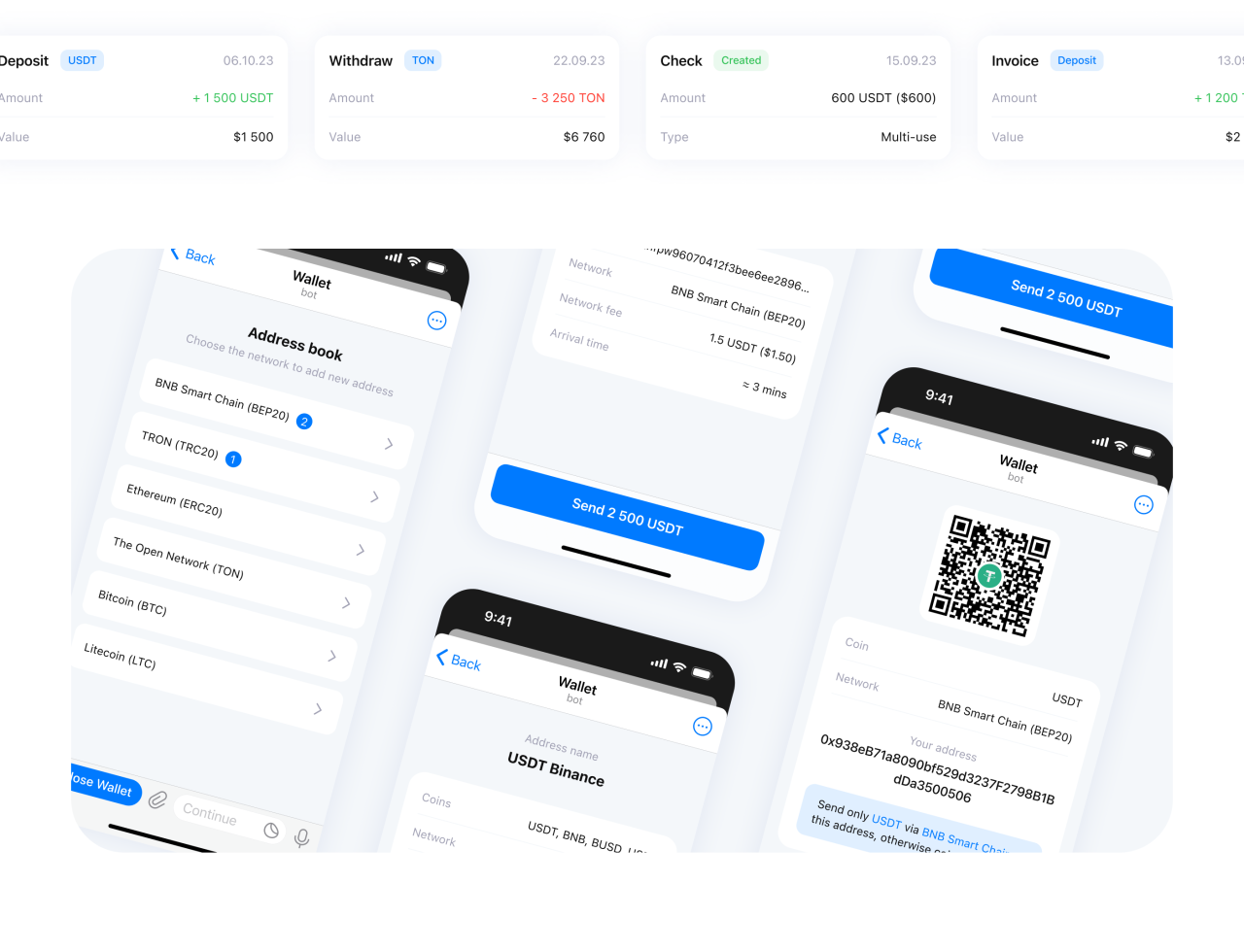
The Telegram Ton Wallet mandate, impacting crypto mini-apps, introduces a crucial layer of standardization and security. This change, while potentially beneficial in the long run, will likely influence user experience and adoption in both positive and negative ways. Understanding how users perceive these changes is paramount to the success of the platform.The mandate’s effect on the user experience of the Telegram Ton wallet will largely depend on how transparently and user-friendly the implementation is.
A seamless transition, minimizing friction, will encourage positive adoption. Conversely, if the process is complex or confusing, users might be discouraged from using the wallet and the associated mini-apps.
Potential Impact on User Experience
The mandate will likely necessitate changes in the user interface of the Telegram Ton wallet to accommodate the new requirements. This could involve adding new sections for compliance or displaying information in a way that clearly communicates the mandate’s implications. The user interface must be intuitive and easy to navigate for users accustomed to the current system.
User Perception of the Mandate
Users may react in various ways to the mandate. Some might view it positively, appreciating the enhanced security and the increased trustworthiness of the platform. Others may perceive the mandate as an unnecessary complication or a barrier to using the mini-apps. The perceived value and perceived effort involved will influence their acceptance.
Scenario: User Interaction with a Crypto Mini-App
Imagine a user, Sarah, wanting to exchange tokens using a crypto mini-app on the Telegram Ton wallet. Pre-mandate, the process might have been straightforward. Post-mandate, however, Sarah might encounter additional verification steps. These might include proof-of-identity checks or displaying the wallet’s compliance certificate. The experience will be different, requiring careful design to avoid overwhelming users.
Successful implementation would involve smooth and intuitive transitions.
Telegram’s Ton wallet mandate for crypto mini apps is definitely intriguing. It’s interesting to see how this aligns with the recent news about the Nasdaq filing for a Grayscale Polkadot ETF, nasdaq files grayscalepolkadot etf , potentially indicating a growing interest in decentralized finance and blockchain-based investment vehicles. This all suggests a dynamic environment for the future of crypto mini-apps on the Ton platform.
Methods for Analyzing User Feedback
A comprehensive analysis of user feedback is crucial to gauge the impact of the mandate. This can be achieved through various methods:
- User Surveys: Targeted surveys can directly ask users about their experience with the new features, including their satisfaction levels and suggestions for improvement. This quantitative approach can uncover trends and patterns in user perception.
- Usability Testing: Observing users interacting with the Telegram Ton wallet and mini-apps can provide valuable insights into the usability of the updated interface. This qualitative approach allows for deeper understanding of pain points and areas for improvement.
- Feedback Forms/Channels: Creating dedicated feedback channels (e.g., in-app forms, Telegram groups, dedicated support channels) allows users to share their experiences, both positive and negative. This continuous feedback loop will allow the platform to adapt and improve in real-time.
- A/B Testing: Testing different implementations of the mandate, such as varying levels of verification or different presentation of information, allows for data-driven optimization. This approach identifies the most user-friendly and effective approach.
By carefully analyzing user feedback through these diverse methods, the Telegram team can effectively identify areas requiring improvement and refine the user experience. This will ultimately contribute to the adoption and successful integration of the mandate.
Technological Aspects of Compliance
The Telegram Ton wallet mandate introduces crucial technical requirements for crypto mini-apps, demanding a robust framework for compliance. Meeting these standards ensures user safety and fosters trust in the decentralized ecosystem. This section delves into the technological considerations necessary for building compliant applications within the Ton wallet environment.Ensuring compliance requires careful consideration of the Ton wallet’s architecture and the unique challenges presented by the decentralized nature of blockchain technology.
This section details the practical steps for designing and implementing compliant crypto mini-apps.
Telegram’s TON wallet mandate for crypto mini apps is definitely interesting, but the recent news about bitcoin’s potential for another price surge, as per Fidelity research ( bitcoin price gearing up for next leg of acceleration phase fidelity research ), is definitely making waves. It’s a fascinating time for the crypto market, and I’m eager to see how these factors play out in the development of these mini apps, particularly regarding user adoption and market penetration.
Framework for Implementing Technical Requirements
The framework for implementing the mandate’s technical requirements must be comprehensive and adaptable to the evolving landscape of crypto regulations. This necessitates a modular design that allows for easy integration and updates as new regulations emerge. Key elements include:
- Clear API definitions: Well-defined Application Programming Interfaces (APIs) are crucial for managing interactions between the Ton wallet and crypto mini-apps. These APIs should clearly Artikel the permitted actions, data formats, and security protocols to ensure seamless and compliant communication.
- Security auditing procedures: Regular security audits are essential to identify vulnerabilities and ensure the integrity of the Ton wallet and its associated mini-apps. These audits should cover both the codebase and the underlying blockchain infrastructure.
- Compliance monitoring tools: Automated tools are needed to continuously monitor the compliance status of mini-apps against the mandate’s requirements. These tools should flag any potential violations in real-time, allowing for prompt corrective actions.
Methods for Ensuring Compliance within Architecture
The Ton wallet architecture must incorporate mechanisms for ensuring compliance with the mandate. These mechanisms should be integrated at various levels of the system. Key methods include:
- Data validation at each interaction point: Data validation is crucial at every point of interaction between the Ton wallet and the mini-app. This includes verifying the legitimacy of transactions, the correctness of data inputs, and the adherence to predefined limits. This prevents malicious actions.
- Access control mechanisms: Implementing robust access control mechanisms restricts access to sensitive data and functionality based on predefined roles and permissions. This enhances security and prevents unauthorized actions.
- Transaction authorization protocols: The Ton wallet should enforce strict transaction authorization protocols. These protocols should require explicit user consent for potentially risky actions, ensuring that users understand the implications before initiating any transactions.
Role of Blockchain Technology in Ensuring Effectiveness
Blockchain technology plays a critical role in ensuring the effectiveness of the mandate. Its inherent transparency and immutability provide a strong foundation for accountability and verification.
- Immutability of transaction records: The immutable nature of blockchain transactions provides a verifiable audit trail of all actions within the Ton wallet ecosystem. This allows for the tracing of funds and assets, crucial for compliance monitoring and regulatory oversight.
- Transparency of operations: The transparent nature of blockchain transactions allows for a public record of all activity. This transparency fosters accountability and reduces the potential for fraudulent activities. This visibility is a crucial part of the compliance framework.
- Decentralized nature: The decentralized nature of the blockchain ensures that no single entity controls the record of transactions. This promotes trust and reduces the risk of manipulation or censorship.
Steps for Developing a Compliant Crypto Mini-App
The development of a compliant crypto mini-app requires a structured approach, ensuring each stage adheres to the mandate’s technical requirements.
- Design phase: The design phase must incorporate all necessary compliance elements, including data validation, access controls, and transaction authorization protocols. This is the initial stage to ensure adherence to the mandate.
- Development phase: During the development phase, developers must meticulously adhere to the predefined API guidelines and implement the security measures Artikeld in the compliance framework. This phase emphasizes meticulous coding practices and security checks.
- Testing phase: Comprehensive testing is crucial to identify and resolve any compliance issues before the app’s release. This phase covers both functional and security testing, validating the app’s adherence to the mandate.
- Deployment phase: Once the testing phase is complete and the app is compliant, the deployment phase ensures the mini-app is integrated with the Ton wallet platform and is accessible to users. This phase includes the formal release to the users.
Regulatory Landscape and Future Trends
The Telegram Ton wallet mandate introduces a crucial layer of regulatory scrutiny into the burgeoning crypto mini-app ecosystem. This mandate necessitates a deeper understanding of the broader regulatory landscape surrounding cryptocurrencies, particularly in relation to decentralized applications (dApps) and the potential for financial innovation. Navigating this evolving regulatory environment will be paramount for both users and developers.This regulatory framework, while seemingly focused on Telegram’s Ton wallet, has wider implications for the entire crypto space.
It sets a precedent for how other jurisdictions might approach similar technological innovations, and it necessitates a proactive and adaptive approach to compliance. Understanding the mandate’s impact on crypto mini-apps, along with potential future trends, is vital for successful participation and innovation in this rapidly evolving market.
Broader Regulatory Landscape
The regulatory landscape surrounding cryptocurrencies is complex and fragmented, varying significantly across jurisdictions. Some countries have embraced cryptocurrencies with specific regulatory frameworks, while others have adopted a more cautious or restrictive approach. The varying approaches range from outright bans to comprehensive licensing and oversight regimes. This complexity highlights the need for consistent and internationally recognized regulatory standards to foster trust and encourage responsible innovation.
Comparison with Similar Regulations
Comparing the Telegram Ton wallet mandate with similar regulations in other jurisdictions reveals a mixed picture. While the specific details of the mandate are unique to Telegram’s platform, its focus on user protection and anti-money laundering (AML) compliance aligns with international best practices. However, the enforcement and implementation of these regulations can vary significantly depending on the specific regulatory environment in each country.
For instance, some countries might focus more on the KYC/AML aspects, while others might prioritize consumer protection.
Timeline for Evolution of Cryptocurrency Regulations, Telegram ton wallet mandate crypto mini apps
Predicting the exact timeline for the evolution of cryptocurrency regulations is difficult. However, several factors suggest a trend towards increasing regulatory scrutiny. The increasing adoption of cryptocurrencies, combined with the potential for financial crime, will likely push governments to implement more robust and comprehensive regulations. The focus will likely shift from a purely permissive approach to one that involves clear guidelines, standards, and enforcement mechanisms.
This process will likely involve a gradual evolution, moving from initial guidelines to more comprehensive legislation over time. Recent events, such as the collapse of certain crypto firms, have accelerated this trend, driving governments to act faster to address risks.
Potential Future Developments in the Crypto Mini-App Ecosystem
| Feature | Description | Impact | Example |
|---|---|---|---|
| Mandate Compliance | Methods for adherence to regulatory requirements for Ton wallet, such as KYC/AML procedures and reporting requirements. | Improved user trust and reduced financial crime risk. | Wallet updates requiring user verification before accessing certain functionalities. |
| Mini-app Compatibility | Ensuring that mini-apps are integrated with the new regulatory framework. This could involve API updates or changes to how data is handled. | Maintaining functionality and ensuring compliance. | API updates for mini-apps to comply with data privacy regulations and KYC/AML requirements. |
| User Engagement | Strategies for maintaining user interest and satisfaction in the face of new regulatory requirements. | Maintaining user base and trust. | Rewards programs for users who comply with KYC/AML procedures. |
| Future Trends | Potential developments in the market driven by regulatory changes, such as the tokenization of assets and the emergence of new compliance standards. | Reshaping the market. | The emergence of standardized compliance protocols across different crypto exchanges and wallets. |
Potential Security Implications
The Telegram Ton Wallet mandate, while crucial for ensuring compliance and user safety, introduces new security considerations for crypto mini-apps. Understanding these implications is vital for developers and users alike to navigate this evolving landscape effectively. The mandate’s emphasis on verification and authorization processes, while necessary, can also create new attack vectors if not carefully considered.The mandate necessitates a shift in security paradigms for crypto mini-apps.
This transition demands robust security measures beyond the existing standards, pushing developers to enhance their protection strategies against a broader spectrum of threats. Consequently, users should be aware of these new standards and be cautious when interacting with crypto mini-apps, especially those not adhering to the mandate.
Potential Security Risks Associated with the Mandate
The increased regulatory scrutiny associated with the Telegram Ton Wallet mandate brings forth a new set of security risks. These risks stem from the need for enhanced verification procedures and data security measures. Compromised verification processes could lead to unauthorized access, while vulnerabilities in data handling could expose sensitive user information. Malicious actors might exploit these new compliance-related weaknesses to gain unauthorized access to user funds.
Impact on Security Measures for Crypto Mini-Apps
The mandate’s implementation significantly alters the security landscape for crypto mini-apps. Existing security measures, often focused on internal application safeguards, need to be augmented with compliance-driven protocols. Mini-apps must integrate robust authentication methods, ensuring the validity of transactions and preventing fraudulent activities. This necessitates a thorough review and potential overhaul of existing security architectures.
Strategies to Mitigate Security Vulnerabilities
A proactive approach to mitigating security vulnerabilities is crucial. Developers must adopt multi-factor authentication (MFA) for enhanced user verification. Implementing secure data encryption protocols is paramount, protecting sensitive user data during storage and transmission. Regular security audits and penetration testing are vital to identify and address potential weaknesses before malicious actors exploit them. These measures will strengthen the overall security posture of the crypto mini-apps and ensure user funds remain safe.
Measures to Protect User Funds from Potential Threats
Protecting user funds is paramount. Implement strong transaction authorization protocols. This includes verifying user identities and transaction details rigorously. Transparency in transaction details will enhance user confidence and deter malicious actors. Transparency in fees and transaction limits will also mitigate risks.
Users must be vigilant in reviewing all transaction details before confirming any action. Transparency in transaction details will build trust and encourage users to remain vigilant about potential security threats.
Compliance with the Mandate and Secure Development Practices
The mandate’s requirements should be integrated into the development lifecycle of crypto mini-apps. Adherence to secure coding practices and rigorous security testing will significantly reduce vulnerabilities. Using proven security frameworks and established best practices will be instrumental in mitigating risks. Regular updates and patches will be necessary to address emerging security threats. Using secure coding practices, integrated into the development lifecycle, will help create a more secure environment for users and their funds.
Case Studies of Existing Crypto Mini-Apps
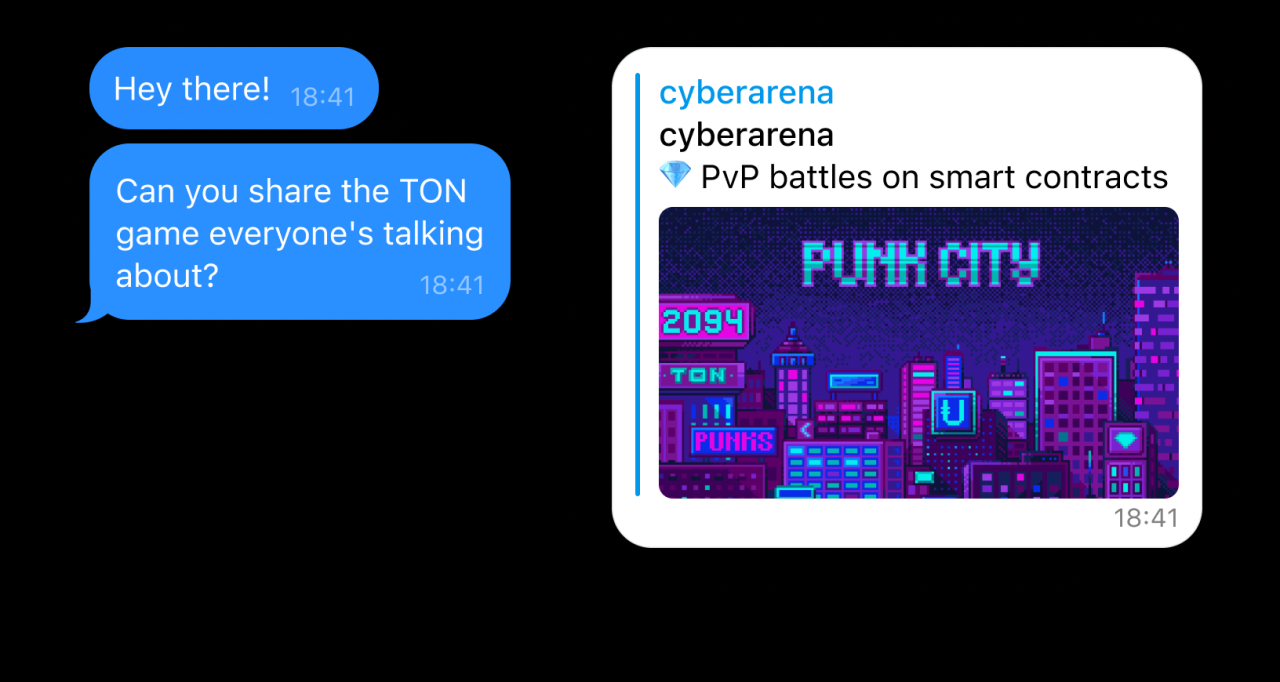
The Telegram Ton Wallet mandate introduces a significant shift in how crypto mini-apps operate within the platform. Existing mini-apps, previously functioning with relative freedom, now face new compliance requirements. Understanding how these mini-apps adapt and evolve is crucial for assessing the impact of the mandate on the overall crypto ecosystem within Telegram.Existing crypto mini-apps on Telegram are diverse in their functionality, ranging from simple token exchange interfaces to more complex decentralized finance (DeFi) applications.
Analyzing these apps provides a practical lens through which to understand the mandate’s implications.
Examples of Existing Crypto Mini-Apps
Various crypto mini-apps are currently available on Telegram, demonstrating a range of functionalities. Some offer basic token exchange capabilities, enabling users to buy, sell, and exchange various cryptocurrencies. Others integrate with decentralized exchanges (DEXs), providing a streamlined user experience for interacting with these platforms. Moreover, some delve into more complex DeFi activities, like lending, borrowing, and yield farming.
Each of these mini-apps interacts with the Telegram ecosystem in distinct ways.
Analysis of Potential Impacts on Existing Mini-Apps
The mandate’s requirements will significantly affect the operation of these mini-apps. For example, apps handling token transfers or trading will need to incorporate KYC/AML measures, while those involved in complex DeFi operations will likely need to implement enhanced security protocols and transparent reporting mechanisms. The potential for increased regulatory scrutiny and compliance costs will vary depending on the complexity and functionality of the individual mini-app.
Adaptations Required for Existing Mini-Apps
Existing mini-apps must undergo substantial adaptations to meet the new mandate. These adaptations encompass a broad range of compliance and security measures. For instance, they will need to integrate user identification and verification processes (KYC/AML) to adhere to the regulatory guidelines. Additionally, security audits and enhanced security measures to protect user funds and data will be crucial.
Migration Steps for Existing Mini-Apps
Migrating existing mini-apps to meet the mandate’s requirements will require a multi-stage approach. First, thorough assessments of the app’s current functionalities and data flows are necessary to identify areas needing modification. This includes mapping user flows and identifying critical data points that require security measures. Second, the implementation of the necessary KYC/AML solutions and robust security measures is paramount.
Third, extensive testing and validation are crucial to ensure the functionality of the updated mini-app and the integrity of user data. Finally, transparent communication with users about the changes is essential to maintain trust and foster user adoption of the updated services.
Wrap-Up: Telegram Ton Wallet Mandate Crypto Mini Apps
In conclusion, the Telegram TON wallet mandate presents both challenges and opportunities for crypto mini-apps. Adapting to the mandate’s requirements is crucial for maintaining user engagement and ensuring a positive user experience. The mandate’s impact on the wider regulatory landscape and potential future trends warrants careful consideration. Security implications and the need for compliant development strategies are critical factors for the survival and growth of crypto mini-apps on the platform.