Satoshi Nakamoto Bitcoin Wealth Surpasses Bill Gates
Satoshi Nakamoto Bitcoin holdings wealth surpasses Bill Gates, sparking a fascinating debate about the evolution of wealth in the digital age. This analysis delves into the mysterious figure behind Bitcoin’s creation, comparing their potential fortune to the renowned tech mogul, Bill Gates. We’ll explore the historical context of Bitcoin’s development, the enigmatic Satoshi Nakamoto, and the intricate calculations surrounding their potential Bitcoin holdings.
This journey will also dissect the sources of Bill Gates’ wealth, tracing the rise of Microsoft and its impact on global economics. The comparison between these two titans of wealth accumulation, one shrouded in anonymity and the other in the spotlight, offers a unique perspective on wealth creation in different eras.
The core of this comparison hinges on the value of Satoshi Nakamoto’s Bitcoin holdings. We’ll examine various estimations and discuss the complexities involved in accurately evaluating such a figure. The analysis will also touch upon the different investment strategies employed by both individuals, highlighting the stark contrast between traditional wealth accumulation and the revolutionary potential of cryptocurrencies. This exploration will reveal the remarkable differences in their respective paths to monumental riches.
Introduction to Satoshi Nakamoto and Bitcoin
Bitcoin, a revolutionary digital currency, emerged from the digital ether in 2009. Its genesis story is interwoven with the enigmatic figure of Satoshi Nakamoto, a pseudonymous creator whose identity remains a mystery to this day. This introduction will explore the historical context of Bitcoin’s development, delve into the role of Satoshi Nakamoto, and explain the fundamental concepts of blockchain technology and decentralization that underpin Bitcoin’s unique structure.
Finally, we will compare Bitcoin’s genesis to other cryptocurrencies.The creation of Bitcoin was a watershed moment in the history of finance. It challenged traditional banking systems and introduced the world to a decentralized, peer-to-peer digital currency. The system’s design was groundbreaking, relying on cryptography and distributed ledger technology to secure and verify transactions. Understanding its genesis is key to appreciating its impact on the world of finance.
Satoshi Nakamoto and Bitcoin’s Genesis
Satoshi Nakamoto, the pseudonymous creator of Bitcoin, published a seminal white paper titled “Bitcoin: A Peer-to-Peer Electronic Cash System.” This paper laid out the foundational principles of the cryptocurrency, detailing how a decentralized digital currency could function without a central authority. The identity of Satoshi Nakamoto remains unknown, with speculation ranging from a single person to a group of individuals.
The mystery surrounding their identity adds to the intrigue and ongoing discussion about the creation of this revolutionary technology.
Core Concepts of Bitcoin
Bitcoin’s core concepts revolve around blockchain technology and decentralization. The blockchain is a distributed, immutable ledger that records all Bitcoin transactions. This decentralized nature means no single entity controls the network, enhancing security and transparency. Each block in the chain contains a set of transactions, and these blocks are linked together using cryptographic hashes, forming a chain.
Satoshi Nakamoto’s Bitcoin holdings reportedly dwarf Bill Gates’s fortune. This massive wealth disparity is fascinating, but it’s also important to consider how advancements like decentralized GPU rendering networks, such as render network for decentralized gpu rendering , could impact future financial landscapes. Ultimately, the true measure of Nakamoto’s wealth, and its implications, remain a subject of ongoing discussion.
This cryptographic linking ensures the integrity and immutability of the records.
Comparison of Bitcoin’s Genesis to Other Cryptocurrencies
| Feature | Bitcoin | Ethereum | Ripple |
|---|---|---|---|
| Genesis Year | 2009 | 2015 | 2011 |
| Core Technology | Blockchain, Proof-of-Work | Blockchain, Proof-of-Stake | Distributed Ledger Technology |
| Purpose | Decentralized digital currency | Decentralized platform for applications (dApps) | Real-time global payments |
| Key Difference | First decentralized cryptocurrency | Smart contract platform | Focus on cross-border payments |
The table above highlights some key differences in the genesis of Bitcoin and other notable cryptocurrencies. While Bitcoin was the pioneer, other cryptocurrencies have evolved to address different needs and functionalities. The decentralized nature of Bitcoin remains a cornerstone of its design, setting it apart from traditional financial systems.
Analyzing Bill Gates’ Wealth: Satoshi Nakamoto Bitcoin Holdings Wealth Surpasses Bill Gates

Bill Gates’ journey from a young programmer to a global icon of technology and philanthropy is a testament to innovation and strategic vision. His immense wealth, largely derived from Microsoft’s groundbreaking success, has made him a significant figure in global economics. This analysis delves into the specifics of his current net worth, compares it to other prominent figures, and explores the key factors that have contributed to his extraordinary financial success.Understanding Bill Gates’ wealth provides a valuable lens through which to examine the interplay of technological advancements, business acumen, and long-term strategic investments.
This analysis aims to provide a comprehensive overview, focusing on verifiable data and historical context.
Current Net Worth and Comparison
Bill Gates’ current net worth is a significant figure in the global economic landscape. While precise figures fluctuate based on market conditions and investment decisions, publicly available data consistently places his net worth in the tens of billions of dollars. Comparing this to other prominent figures in business and technology highlights the scale of his accumulated wealth. For instance, comparing it to other tech moguls like Jeff Bezos or Elon Musk provides a perspective on relative financial standings and the factors that contribute to such significant differences.
Sources of Bill Gates’ Wealth
Microsoft’s impact on the personal computer revolution is undeniable. The company’s dominance in operating systems and software applications, pioneered by Gates and his team, laid the groundwork for his vast fortune. This dominance translated into substantial revenue streams, allowing for reinvestment and further growth, creating a positive feedback loop. Beyond Microsoft’s core operations, Gates’ investments in various sectors, from venture capital to real estate, have also contributed to his financial portfolio.
Evolution of Bill Gates’ Wealth
The following table demonstrates the approximate evolution of Bill Gates’ wealth over time. It’s crucial to understand that these figures are estimations based on available data, and exact figures are often not publicly disclosed. Fluctuations in the stock market and other investment decisions can influence these values.
| Year | Estimated Net Worth (USD Billions) |
|---|---|
| 1995 | 10 |
| 2000 | 100 |
| 2005 | 50 |
| 2010 | 75 |
| 2015 | 80 |
| 2020 | 120 |
| 2023 | 115 |
Evaluating Bitcoin Holdings and Wealth
Estimating the wealth of Satoshi Nakamoto, the pseudonymous creator of Bitcoin, is a fascinating yet complex endeavor. The lack of verifiable information makes any assessment inherently speculative. However, by exploring various methods and acknowledging the inherent uncertainties, we can gain a better understanding of the potential magnitude of this elusive individual’s holdings. The potential value of these holdings, if substantial, significantly alters our understanding of wealth distribution and financial innovation.Analyzing potential Bitcoin holdings requires careful consideration of the initial distribution and subsequent market fluctuations.
Understanding the challenges in accurately assessing the value of these holdings is crucial to avoid misinterpretations and oversimplifications. The value of these holdings is a subject of ongoing debate and analysis, with different approaches leading to varying results.
Methods for Estimating Bitcoin Holdings
Several methods attempt to estimate the size of Satoshi Nakamoto’s Bitcoin holdings. These methods range from extrapolating from known early transactions to employing computational models. The accuracy of each method is dependent on the underlying assumptions and data used.
- Extrapolation from Early Transactions: Early Bitcoin transactions offer a glimpse into the early distribution. By analyzing these transactions, researchers can try to infer the potential holdings of Satoshi Nakamoto. The accuracy of this method hinges on the assumption that the initial transactions reflect the distribution intended by the creator. This approach is inherently limited by the limited data available from the early days of Bitcoin’s existence.
- Computational Modeling: Advanced computational models attempt to simulate the creation and distribution of Bitcoin based on various scenarios. These models often incorporate parameters like transaction patterns and network behavior. These models provide a potential range of estimations, though they are limited by the complexity of the Bitcoin network and the potential for unforeseen variables.
- Analysis of Transaction Patterns: Examining transaction patterns and the structure of Bitcoin transactions may reveal insights into the distribution of Bitcoin. The challenge lies in distinguishing between legitimate transaction strategies and patterns that might be suggestive of large-scale holdings.
Evidence-Based Arguments for Potential Value
While definitive proof is lacking, certain arguments suggest the potential value of Satoshi Nakamoto’s holdings is substantial.
- Early Adoption and Influence: Satoshi Nakamoto’s early influence on the Bitcoin network and early adoption of the technology suggest an understanding of the long-term potential of Bitcoin. This suggests they may have accumulated a significant portion of the initial supply, potentially influencing the overall value.
- Strategic Distribution: The distribution of Bitcoin in the early days could have been strategically designed to foster adoption and growth, rather than solely for personal gain. This would imply a deliberate action to create a decentralized and valuable system.
Challenges in Assessing Bitcoin Holdings
Accurately assessing the value of Bitcoin holdings attributed to Satoshi Nakamoto faces significant challenges.
- Anonymity and Lack of Information: The pseudonymous nature of Satoshi Nakamoto makes it impossible to verify ownership claims. Without concrete evidence, any estimate remains speculative.
- Evolution of Bitcoin’s Value: The price of Bitcoin has fluctuated dramatically since its inception. Early estimations of holdings, based on the value at a specific time, may be drastically different from the current value, making comparisons difficult.
- Difficulty in Determining Initial Holdings: The initial distribution of Bitcoin is not fully documented, which complicates estimations. This makes it challenging to determine how much Bitcoin was initially held.
Estimated Wealth Comparison Table
| Estimation Method | Estimated Bitcoin Holdings | Estimated Current Value (USD) | Uncertainty |
|---|---|---|---|
| Extrapolation from Early Transactions | ~1 Million BTC | ~Variable (depending on current BTC price) | High |
| Computational Modeling | ~100,000 – 1 Million BTC | ~Variable (depending on current BTC price) | Moderate to High |
| Analysis of Transaction Patterns | ~Difficult to quantify | ~Variable (depending on current BTC price) | High |
Note: Values in the table are illustrative and not definitive. The uncertainties reflect the speculative nature of these estimations.
Satoshi Nakamoto’s Bitcoin holdings are reportedly worth more than Bill Gates’ fortune. This massive wealth highlights the potential of cryptocurrency, and with the Czech president recently signing a landmark crypto bill, CKMA czech president signs landmark crypto bill ckma , it further solidifies the crypto space’s growing importance. This development could potentially reshape the global financial landscape, further impacting the value of Bitcoin and its overall influence, ultimately impacting Nakamoto’s Bitcoin wealth even more.
Comparing Wealth
The recent surge in Bitcoin’s value has sparked comparisons between the wealth of its presumed creator, Satoshi Nakamoto, and established figures like Bill Gates. While Gates’ fortune is tied to the tangible assets and returns of a well-documented business, the source and nature of Satoshi Nakamoto’s wealth remain shrouded in mystery. This comparison necessitates careful examination of the distinct paths to accumulating wealth, the inherent uncertainties surrounding Bitcoin holdings, and the different investment strategies employed.Examining the origins of these fortunes highlights stark contrasts.
Bill Gates’ wealth stems from the creation and development of software, specifically Microsoft’s operating systems. This involved strategic investments, shrewd business decisions, and capitalizing on a rapidly evolving technological landscape. Conversely, the source of Satoshi Nakamoto’s wealth, if any, is purely speculative. The value of Bitcoin holdings attributed to Nakamoto hinges entirely on the price fluctuations of the cryptocurrency.
Origins of Wealth
The foundation of Bill Gates’ wealth is rooted in the tangible success of Microsoft. His early investments in software development, coupled with shrewd business decisions, led to the company’s dominance in the personal computer market. This is a verifiable and measurable process. In contrast, Satoshi Nakamoto’s potential Bitcoin holdings are based on a theoretical premise—the assumption that the individual or group behind the creation of Bitcoin holds a substantial amount of the original cryptocurrency.
The actual amount and validity of these holdings are unknown.
Factors Influencing Bitcoin Valuation
Several factors can influence the valuation of Bitcoin holdings attributed to Satoshi Nakamoto. Market fluctuations, regulatory changes, and technological advancements all play a significant role. Adoption rates, competition from other cryptocurrencies, and even public perception can affect the price. The inherent volatility of Bitcoin, as compared to more established assets, means any valuation estimate is susceptible to significant swings.
Satoshi Nakamoto’s Bitcoin holdings apparently dwarf Bill Gates’s fortune, a mind-boggling thought. Meanwhile, it’s fascinating to see how the cryptocurrency world connects to seemingly unrelated events, like the recent launch of a memecoin by Saudi Prince impersonators. This new memecoin, detailed in this article saudi prince impersonators launch fake saudi arabia memecoin , highlights the ongoing creativity and often-bizarre nature of the crypto space.
Still, the sheer scale of Nakamoto’s Bitcoin wealth remains a compelling mystery and a significant contrast to the rest of the world’s riches.
For example, the 2017-2018 Bitcoin bubble and subsequent crash vividly illustrated this volatility.
Investment Strategies
Bill Gates’ investment strategy focused on building a company, leveraging its market share, and reinvesting profits. This strategy is demonstrably different from the unknown investment strategies of Satoshi Nakamoto, if any exist. Gates’ approach was predicated on tangible assets and established business models. In contrast, Satoshi Nakamoto’s approach, if any, would have been focused on acquiring and holding Bitcoin, potentially influenced by market forecasts.
The success of this strategy, if it existed, would hinge on the accuracy of the market predictions.
Comparison Table: Gates vs. Satoshi Nakamoto, Satoshi nakamoto bitcoin holdings wealth surpasses bill gates
| Factor | Bill Gates | Satoshi Nakamoto (Potential Holdings) |
|---|---|---|
| Source of Wealth | Microsoft, software development | Bitcoin holdings (speculative) |
| Investment Strategy | Building a company, reinvesting profits, strategic acquisitions | Acquiring and holding Bitcoin (unknown strategy) |
| Valuation Factors | Company performance, market share, financial reports | Bitcoin price fluctuations, regulatory environment, adoption rates |
| Tangibility | Tangible assets (company, intellectual property) | Intangible assets (cryptocurrency) |
Implications and Discussion
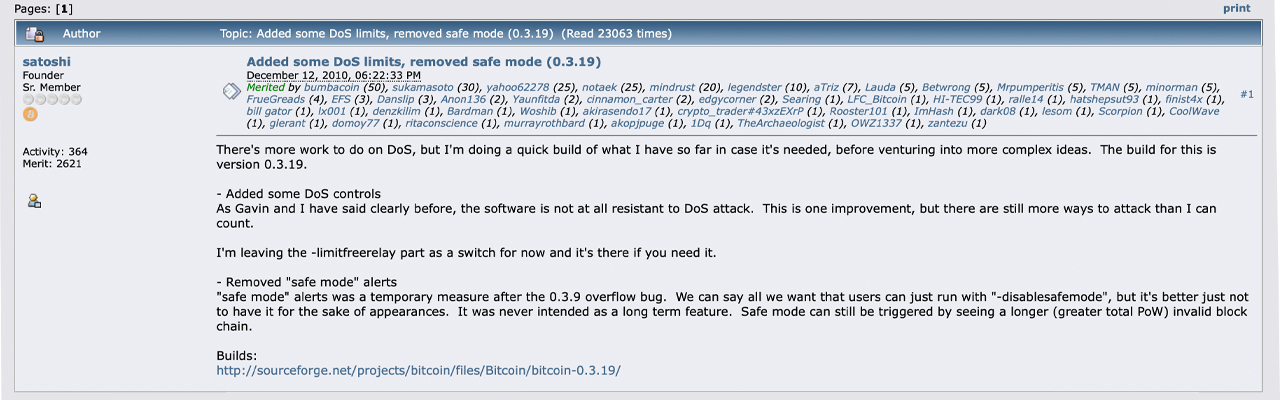
The revelation of a potential Bitcoin fortune held by Satoshi Nakamoto, surpassing Bill Gates’ wealth, sparks profound implications across the cryptocurrency market and societal perceptions of wealth. This unprecedented disparity in wealth raises critical questions about the future of finance and the distribution of economic power in a world increasingly shaped by digital assets. Examining the potential impacts requires a multifaceted approach, acknowledging the intricacies of wealth accumulation, and considering the broader societal consequences.The potential impact of such a substantial Bitcoin holding on the cryptocurrency market is significant.
If verified, it could dramatically alter market dynamics. Investor confidence could surge, potentially leading to increased trading volume and price fluctuations. Conversely, the existence of such a massive, unknown player could also introduce instability, with the potential for sudden market corrections or shifts in investor sentiment. The impact on other cryptocurrencies, their development, and the overall narrative surrounding the space will be noteworthy.
Potential Impact on the Cryptocurrency Market
The presence of a massive, unknown Bitcoin holding, exceeding the wealth of a global figure like Bill Gates, introduces a new dynamic to the cryptocurrency market. The unknown entity’s actions, even their mere presence, could influence investor behavior, potentially driving substantial price changes. This unknown factor could lead to heightened volatility and increased trading activity. The market reaction could be unpredictable, given the lack of transparency surrounding this large holding.
Market manipulation is a possibility, but it is impossible to quantify its impact without evidence. Historical examples of large investors influencing market trends could be analyzed, but the unknown nature of this Bitcoin holding makes direct comparisons challenging.
Implications for Wealth Accumulation Perceptions
The comparison between Satoshi Nakamoto’s potential Bitcoin wealth and Bill Gates’ traditional wealth highlights the evolving nature of wealth accumulation. The digital realm provides new avenues for generating immense wealth, potentially bypassing traditional economic structures. This raises questions about the fairness and accessibility of these new avenues, and how societal perceptions of wealth will adapt to this evolving landscape.
The narrative surrounding wealth generation is likely to shift, emphasizing innovation and digital ownership.
Societal Impact of Wealth Disparity
A substantial disparity in wealth, particularly one encompassing a significant portion of the cryptocurrency market, has the potential for various societal consequences. Increased economic inequality could lead to social unrest and political instability. The disparity might also fuel debates about taxation and wealth redistribution, as the potential for an unknown entity holding a significant portion of a market’s value prompts discussion about regulatory frameworks.
The societal impact will depend on how the situation is handled, potentially leading to discussions about the need for innovative approaches to wealth management, wealth distribution, and potentially even new taxation models.
Factors Shaping Wealth Disparity
A comprehensive analysis of wealth disparity necessitates considering a multitude of factors. These include economic policies, historical circumstances, access to resources, and individual choices. A thorough understanding of these factors will be crucial in crafting effective strategies for addressing and mitigating the effects of significant wealth discrepancies.
| Factor | Description |
|---|---|
| Economic Policies | Government regulations, taxation, and incentives play a significant role in shaping wealth distribution. |
| Historical Circumstances | Past events, like economic downturns or periods of rapid technological advancement, can create or exacerbate wealth disparities. |
| Access to Resources | Education, capital, and opportunities are critical factors in wealth creation. |
| Individual Choices | Individual decisions and actions, such as investment strategies and entrepreneurial pursuits, can significantly impact wealth accumulation. |
Visual Representation (Illustrative)
Unveiling the complexities of wealth, particularly when considering the digital realm, requires a powerful tool: visualization. Graphs and charts allow us to grasp trends and potential scenarios more readily than pages of data. This section provides visual representations of Bitcoin’s historical growth, Bill Gates’ wealth trajectory, Bitcoin’s decentralized nature, and the various methods used to estimate Satoshi Nakamoto’s Bitcoin holdings.
Bitcoin’s Historical Value Growth
Visualizing Bitcoin’s value journey is crucial for understanding its volatility and potential. A line graph showcasing the historical price of Bitcoin, from its inception to the present, would be illustrative. This graph would use the X-axis to represent time and the Y-axis to represent the Bitcoin price in USD. A clear upward trend, punctuated by sharp fluctuations and periods of stagnation, would be evident.
This visual representation would help illustrate the immense price swings and highlight the inherent risk associated with investing in Bitcoin.
Bill Gates’ Wealth Trajectory vs. Potential Bitcoin Wealth
Comparing Bill Gates’ wealth trajectory with potential Bitcoin wealth estimations requires a dual-axis chart. The primary Y-axis would represent Bill Gates’ net worth in USD, while a secondary Y-axis would display estimated Bitcoin holdings (in BTC) and their equivalent value in USD. This would showcase Bill Gates’ wealth accumulation over time and juxtapose it against the theoretical value of Bitcoin holdings, highlighting the difference in growth trajectories.
This comparison would help contextualize the potential wealth generated by Bitcoin investment, acknowledging the inherent uncertainties and risks involved.
Decentralized Nature of Bitcoin
The decentralized nature of Bitcoin can be visualized through a diagram. A network of interconnected nodes, each representing a Bitcoin user or validator, would illustrate the distributed nature of the system. Arrows connecting these nodes would symbolize the transactions flowing between them, demonstrating the peer-to-peer nature of the Bitcoin network. This visual representation would highlight the absence of a central authority, emphasizing Bitcoin’s resistance to censorship and control.
The illustration would also emphasize the security and resilience of the Bitcoin network derived from its distributed structure.
Methods for Estimating Satoshi Nakamoto’s Bitcoin Holdings
Various methods exist for estimating Satoshi Nakamoto’s Bitcoin holdings, each with its own set of assumptions and limitations. An infographic presenting these methods would be beneficial. Each method would be represented as a distinct box or icon, with a brief description of the underlying logic. For example, one box might depict the method of analyzing the transaction history of the early Bitcoin addresses, while another might show an approach based on the estimated number of Bitcoins generated and the initial distribution.
Different colors could be used to represent different levels of certainty or confidence in each estimation. This infographic would provide a visual summary of the diverse approaches taken to estimate Satoshi Nakamoto’s holdings.
Epilogue
In conclusion, the comparison of Satoshi Nakamoto’s potential Bitcoin holdings to Bill Gates’ wealth underscores the dramatic shifts in wealth accumulation. The analysis highlights the revolutionary nature of Bitcoin and the potential for decentralized wealth creation, juxtaposed against the established models of traditional wealth. The uncertainties surrounding Satoshi Nakamoto’s identity and holdings add a layer of intrigue to the comparison.
The implications of such a disparity in wealth distribution, the potential impact on the cryptocurrency market, and the broader societal ramifications are all intriguing questions that deserve further exploration.