The Ritz-Carlton Dallas, Las Colinas: A Transformed Oasis of Accessible Luxury Beyond the Cityscape

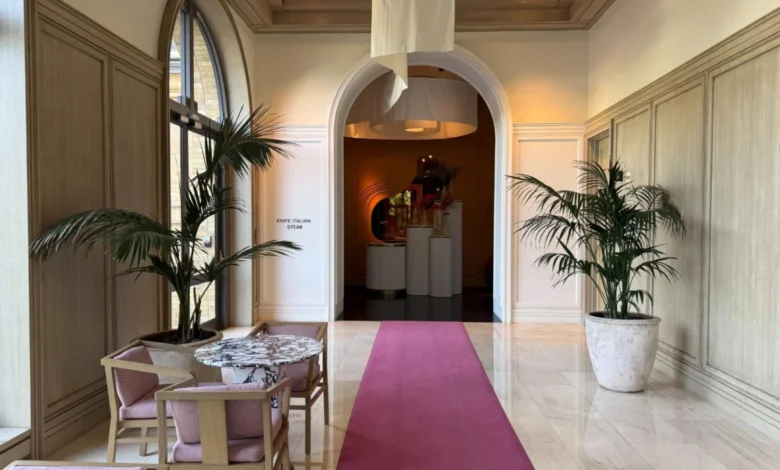
The Ritz-Carlton Dallas, Las Colinas, stands as a testament to classic luxury, meticulously crafted under Marriott’s highest-end brand, yet it remarkably maintains an approachable and relaxed ambiance. Situated on a sprawling former family ranch just outside the bustling Dallas metropolis, this resort offers a compelling blend of opulent amenities and strategic value, particularly for Marriott Bonvoy members seeking a sophisticated weekend escape without the city’s inherent traffic challenges. Its location, approximately a 20- to 30-minute drive from downtown Dallas, positions it as an ideal retreat for those prioritizing extensive on-property leisure and regional exploration over direct immersion in the city center.
The expansive property in Las Colinas, a master-planned community renowned for its corporate presence and upscale residential areas, distinguishes itself from its urban counterpart, The Ritz-Carlton Dallas, located in the city proper. This geographical separation allows the Las Colinas resort to cultivate a distinct identity, emphasizing spaciousness, comprehensive recreational facilities, and a tranquil environment. The property’s significant footprint now encompasses the main hotel, an exclusive athletic club known as The Nelson, a championship golf course, and multiple swimming pools, creating a self-contained destination experience. The allure of this setting was recently underscored by a visit in May 2026, where the property hosted a guest for three nights, offering an immersive experience that highlighted its transformation and diverse offerings.
A $65 Million Renovation Redefines Luxury Hospitality
The Ritz-Carlton Dallas, Las Colinas, emerged from a significant metamorphosis in 2024, following a substantial $65 million renovation and rebranding initiative. Prior to this pivotal moment, the property operated under a different esteemed luxury flag, the Four Seasons, a detail that many long-time residents of the Dallas-Fort Worth Metroplex might recall. The transition to The Ritz-Carlton brand, coupled with this extensive capital investment, signaled Marriott’s strategic intent to elevate the resort’s stature and align its offerings with the distinct standards and contemporary expectations associated with The Ritz-Carlton portfolio.
While the exterior façade, characterized by its somewhat understated yellow brick, largely retained its original character, the comprehensive renovation primarily focused on a dramatic overhaul of the interiors. This ambitious project aimed to infuse a more modern aesthetic throughout the resort, a much-needed update that, upon review of archival photographs, significantly enhanced the guest experience, particularly within the accommodation spaces. The transformation sought to blend classic elegance with contemporary design, creating an environment that feels both luxurious and current.
Upon entering the hotel, guests are immediately greeted by a massive, redesigned lobby that serves as the central artery of the property. A focal point of this grand space is Bar Juniper, a new addition conceived as part of the renovation. It is an impossible task to overlook the striking cotton flower chandelier that commands attention above the bar, a bespoke art installation that cleverly nods to Texas’s agricultural heritage while embodying sophisticated design. Throughout the expansive lobby area, thoughtful design elements include numerous alcoves and intimate nooks, providing comfortable, air-conditioned retreats from the Texas heat, mirroring similar, albeit less climate-controlled, relaxation zones found outdoors.
The renovation also placed a strong emphasis on enhancing the property’s recreational amenities. The massive outdoor pool, for instance, emerged as arguably the hotel’s most popular feature. Observations during peak times reveal its widespread appeal, particularly among local families, who frequently utilize the resort for staycations and weekend getaways, transforming the pool area into a vibrant hub of activity. This emphasis on family-friendly luxury underscores a broader strategy to cater to diverse guest segments, from business travelers to leisure-seeking families.
Strategic Booking: Maximizing Value with Marriott Bonvoy Points
One of the most advantageous avenues for securing a stay at The Ritz-Carlton Dallas, Las Colinas, lies in leveraging Marriott Bonvoy points. Marriott’s dynamic pricing model means that redemption rates fluctuate based on demand, seasonality, and specific dates, offering both challenges and opportunities for astute travelers. For example, a search conducted for July 2026 revealed nightly rates ranging from approximately 52,000 to 89,000 Marriott Bonvoy points. It is crucial for guests to factor in the property’s $47 daily resort fee, which is typically applied even to award stays, covering access to a range of amenities.
Interestingly, analysis of booking patterns indicates that some of the property’s highest point redemption values are often found during mid-week stays. This phenomenon is largely attributable to the resort’s strategic proximity to the Dallas-Fort Worth International Airport (DFW), making it an attractive and convenient choice for business travelers attending conferences, meetings, or simply seeking a luxurious respite during corporate trips. This dynamic contrasts with typical leisure destinations where weekend rates often command a premium.
When comparing these point redemption values to corresponding cash rates, which for the same July 2026 search spanned from approximately $500 to well over $1,000 per night, the efficacy of using Marriott Bonvoy points becomes evident. Industry valuation metrics, such as NerdWallet’s assessment of Marriott points at 0.8 cents per point, highlight that many of the observed redemption opportunities at this property offered significantly greater value, often exceeding 1 cent per point. This superior redemption value positions The Ritz-Carlton Dallas, Las Colinas, as a prime target for Bonvoy members looking to maximize their rewards.
Furthermore, guests holding Marriott co-branded credit cards that offer annual free night awards, such as the Marriott Bonvoy Bevy® American Express® Card (terms apply), may utilize these awards for a stay. Given the resort’s premium positioning, it is often necessary to "top off" these free night certificates with an additional stash of Marriott points to meet the required redemption threshold, a flexible feature Marriott introduced to enhance the utility of these awards. For those planning extended visits, Marriott’s "Stay for 5, Pay for 4" benefit offers an additional layer of savings, wherein the fifth night of an award stay is complimentary, effectively reducing the average nightly point cost for longer durations. This strategic approach to booking underscores the financial advantages available to well-informed Marriott Bonvoy members.
Accommodations: Spacious Rooms and Exclusive Villas
The accommodation offerings at The Ritz-Carlton Dallas, Las Colinas, cater to a spectrum of preferences, ranging from elegantly appointed standard rooms within the main tower to more expansive and luxurious poolside or golf-course-adjacent villas. During a recent stay, the experience included a poolside villa featuring a king bed, complemented by an opportunity to tour a standard room, providing a comprehensive understanding of the diverse options available to guests.
The standard rooms are notably well-appointed, offering a generous amount of space that often includes a separate couch, providing additional comfort and functionality beyond typical hotel room layouts. A small private balcony allows guests to step out and enjoy the surrounding views, adding an element of outdoor relaxation. The bathrooms across all accommodations are a highlight, stocked with premium products from Diptyque, the renowned luxury brand celebrated for its scented candles and fragrances. A particularly appreciated feature in every bathroom is the inclusion of a full-sized bathtub, a luxury amenity that is increasingly rare in modern hotel designs, underscoring the resort’s commitment to indulgent comfort.
For those seeking an elevated experience, the villas represent a significant upgrade in terms of size and amenities. Strategically located either directly by the main pool or nestled alongside the manicured golf course, these villas offer enhanced privacy and a greater sense of space. The additional seating areas, such as a small round dining table within the room, contribute to a more residential feel. A standout feature of the poolside villa was the private outdoor patio, furnished with a comfortable lounger and an integrated fireplace. While the warm Texas evenings in May posed a challenge for fully enjoying the fireplace due to insects, the amenity itself speaks to the resort’s dedication to providing distinctive outdoor living spaces.
Beyond the physical attributes of the rooms, the service provided by the housekeeping staff consistently garners commendation. Their attentiveness and proactive approach to guest comfort were exemplified by subtle yet impactful gestures, such as replacing a nearly depleted tube of toothpaste with a fresh one, or meticulously organizing an open suitcase left on the floor onto a proper luggage rack. Such details reflect The Ritz-Carlton’s legendary service philosophy, where anticipating guest needs and exceeding expectations are paramount to the overall luxury experience.
Culinary Delights: Diverse On-Property Dining Experiences
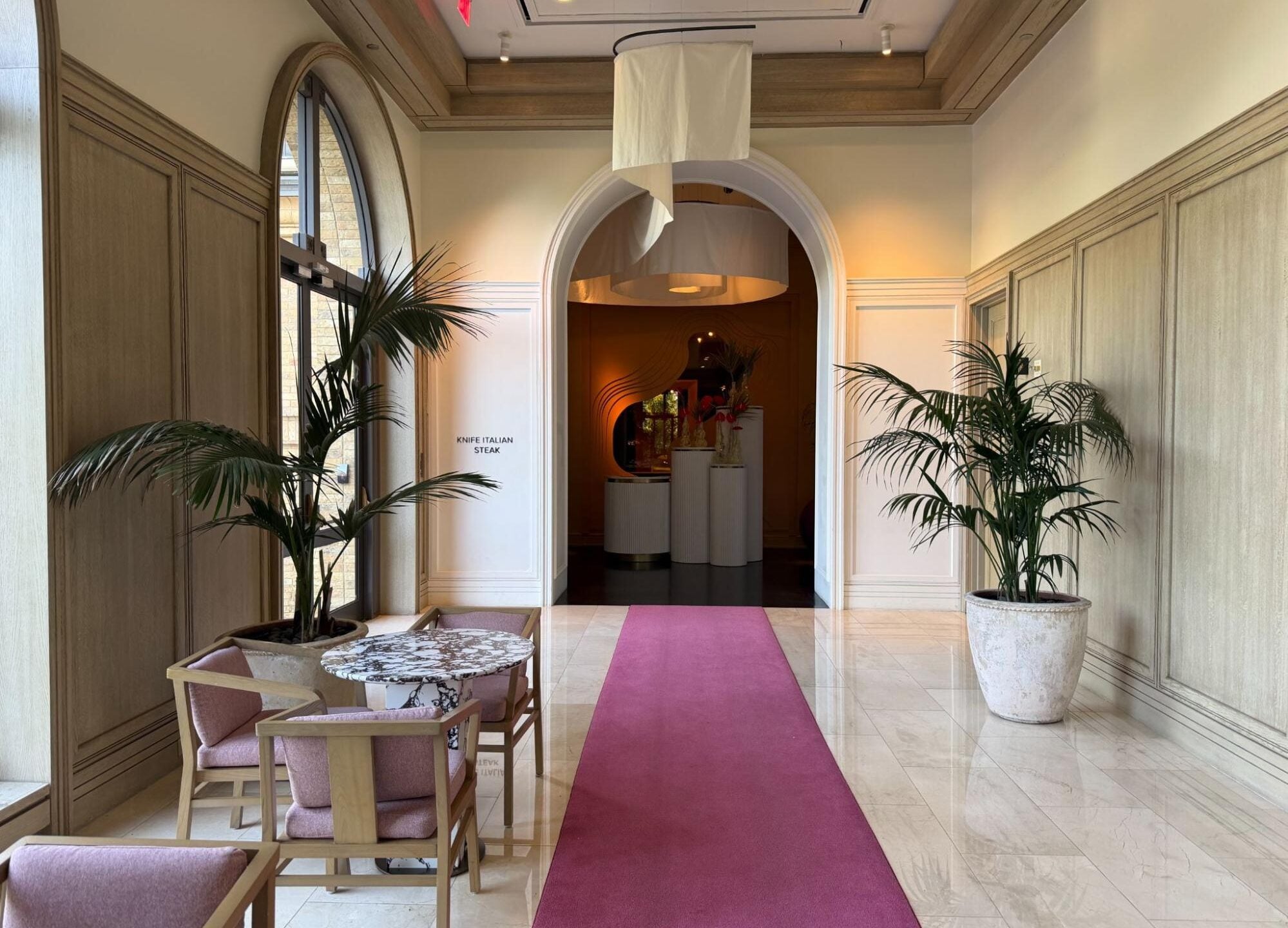
The Ritz-Carlton Dallas, Las Colinas, boasts a curated selection of dining establishments, ensuring a diverse culinary journey for its guests without the need to venture off-property. The resort features three primary dining venues: Aire Libre, a vibrant poolside restaurant; Bar Juniper, the sophisticated lobby bar; and Knife Italian Steak, an upscale steakhouse concept. Complementing these options is Campo Coffee & Provisions, a convenient spot for morning coffee and freshly baked pastries.
While a significant portion of the dining experience for some guests may occur within the exclusive Ritz-Carlton Club, the standalone restaurants offer distinct atmospheres and menus. Knife Italian Steak, with its luxurious and moody ambiance, provides a memorable fine-dining experience. A highlight for many is the opportunity to savor dry-aged steaks, a culinary technique that imparts unique depth and flavor. The attentive wait staff further enhances the experience, offering expert recommendations for food pairings and beverages. Notably, Knife Italian Steak transforms into Knife Italian Cafe in the mornings, serving as the primary breakfast venue for hotel guests, providing a seamless transition from evening indulgence to morning sustenance.
Bar Juniper, beyond its role as a central social hub in the lobby, also hosts seasonal activities. For a summer stay, this included a delightful garden botanical summer tea, offering an array of delicate bite-sized sandwiches and exquisite desserts. This type of activity provides a relaxed yet refined afternoon diversion, perfect for guests seeking a leisurely on-property experience. Aire Libre, the poolside restaurant, provides a casual yet elegant setting for al fresco dining, complementing the resort’s extensive outdoor amenities.
The Ritz-Carlton Club: An Elevated and Worthwhile Upgrade
For guests considering a staycation or an immersive resort experience, upgrading to The Ritz-Carlton Club presents a compelling value proposition, despite its premium pricing. The club access is typically charged per day, at approximately $275 for two people on weekdays and $325 on weekends when pre-booked online. While seemingly substantial, the cost can be mitigated if a room rate package already includes club access, and it is often worth inquiring at check-in for potential discounted upgrade rates.
The financial calculus for this upgrade often makes sense for guests who intend to spend a majority of their time on the property, maximizing the benefits of all-day lounge privileges. Club access encompasses a continuous offering of food presentations throughout the day—including breakfast, lunch, afternoon tea, evening hors d’oeuvres, and dessert—alongside a wide selection of alcoholic and non-alcoholic beverages. The quality of the food offerings is consistently high, often featuring sophisticated choices such as poke bowls during evening service, exceeding typical lounge expectations. Beyond the culinary advantages, the staff within The Ritz-Carlton Club are renowned for their friendly and proactive service, anticipating guest needs and providing a personalized experience that significantly enhances the overall stay. This exclusive sanctuary offers a quieter, more intimate environment compared to the main hotel areas, ideal for both relaxation and informal business interactions.
Comprehensive Health and Wellness: The Nelson Athletic Club
A defining feature that sets The Ritz-Carlton Dallas, Las Colinas, apart in the luxury hospitality landscape is its integration with The Nelson, a full-service athletic club located directly adjacent to the hotel. This extensive health and wellness facility is far more comprehensive than typical hotel gyms, offering an unparalleled array of amenities to hotel guests.
Access to The Nelson grants guests an impressive suite of recreational options, including both indoor and outdoor swimming pools, multiple tennis courts, dedicated pickleball courts, and a meticulously maintained championship golf course. For fitness enthusiasts, the club features an indoor track, state-of-the-art weight and cardio machines, and a diverse schedule of group fitness classes. This wealth of options ensures that guests can maintain their wellness routines or explore new activities during their stay, regardless of weather conditions.
In addition to The Nelson’s facilities, the hotel itself boasts a massive main pool situated strategically between the main hotel building and the golf course. While not a traditional lazy river, its design evokes a similar leisurely flow, making it a highly popular spot for relaxation and enjoyment. Given its appeal, arriving early is often advisable to secure a prime spot and avoid peak crowds, particularly during warmer months.
For those seeking ultimate pampering and rejuvenation, The Ritz-Carlton Spa offers a sanctuary of tranquility. A relaxing 50-minute massage provides not only therapeutic benefits but also grants access to the spa’s dedicated facilities, which include a sauna, steam room, hot tub, and a refreshing cold plunge pool. Guests without a same-day spa booking may incur a fee to access these exclusive spa amenities, further incentivizing spa treatments as part of a holistic wellness experience. The sheer breadth and quality of these health and wellness facilities underscore the resort’s commitment to providing a holistic luxury experience, distinguishing it as a premier destination for well-being.
A Premier Staycation Destination and Regional Hub
The Ritz-Carlton Dallas, Las Colinas, firmly establishes itself as a premier staycation destination, particularly for residents of the Dallas-Fort Worth Metroplex. Its extensive on-property amenities, ranging from diverse dining options and comprehensive wellness facilities to luxurious accommodations and exclusive club access, provide ample opportunities for guests to remain engaged and entertained throughout a weekend or extended stay. The deliberate design of the resort encourages self-sufficiency, fostering an environment where guests can truly unwind without the need for external excursions.
However, for tourists whose primary objective is to explore the vibrant attractions of downtown Dallas, the resort’s location requires careful consideration. The 20- to 30-minute commute to the city center, while manageable, may not be ideal for those prioritizing immediate access to urban landmarks, museums, and entertainment venues. In such cases, the urban Ritz-Carlton Dallas might present a more logistically convenient option. Nevertheless, the Las Colinas location offers its own unique advantages, including proximity to DFW Airport, making it attractive for business travelers, and its position as a tranquil base for exploring broader North Texas attractions, such as regional culinary events like the Dallas BBQ crawl.
While a stay at this luxury property can indeed be a significant investment, especially when opting for premium upgrades like Ritz-Carlton Club access, the availability of strategic booking methods helps to mitigate costs. Leveraging Marriott Bonvoy points, taking advantage of free night awards (potentially with point top-offs), and utilizing the "Stay for 5, Pay for 4" benefit for longer stays all contribute to making this opulent experience more accessible. This blend of aspirational luxury and practical value underscores the resort’s appeal to a wide array of discerning travelers, from local families seeking a luxurious escape to business executives desiring convenience and comfort, and leisure travelers exploring the broader Dallas region. The Ritz-Carlton Dallas, Las Colinas, ultimately delivers a refined, comprehensive, and memorable luxury experience, making it a distinguished jewel in Marriott’s high-end portfolio.