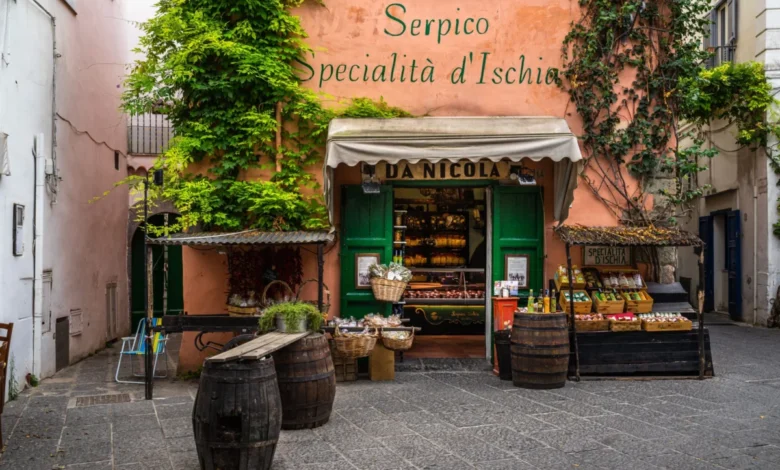
Stepping off the ferry from Naples, the air on the volcanic island of Ischia is a fragrant symphony. It’s a scent composed of deeply mineral soil, the sweet burst of oversized citrus fruits, the briny kiss of the Mediterranean Sea, and the verdant emerald tapestry that cloaks the island’s mountains. This is a haven for those who find joy in the ritual of food, where tradition and an abiding sense of pride are the cornerstones of countless dishes and wines. While many travelers to Italy are quick to cite its renowned cuisine as a primary draw, the UK’s perception often remains tethered to the universally adored staples of pizza and pasta, variations of which are indeed regional specialties. However, beyond these familiar comforts lies a vast culinary landscape ripe for discovery, offering a wealth of delightful surprises.
Ischia’s gastronomic identity is perhaps most strongly defined by its signature dish: Coniglio all’Ischitana, or Ischia-style rabbit. This culinary tradition dates back to the Roman era, when rabbits were first introduced to the island. Their subsequent abundance transformed them into a dietary cornerstone, a fact that might surprise those who anticipate a seafood-dominated local cuisine. Historically, wild rabbits roamed freely, their complex burrow systems testament to their deep integration into the island’s ecosystem. They subsisted on a diet of grasses, fava bean stems, legumes, fruits, and wild vines, imbuing their flesh with a unique flavor. Today, while many rabbits are farmed, a commitment to traditional methods persists. Some establishments still procure wild rabbits, upholding an age-old practice. Furthermore, a select group of producers adhere to the ancestral "da fossa" method, raising rabbits in subterranean, burrow-like environments. The presence of the Slow Food symbol on menus often indicates a dedication to preserving these time-honored culinary practices. The preparation of Coniglio all’Ischitana is as much a celebration of the island’s sun-ripened tomatoes, which lend a profound sweetness, as it is of the rabbit itself. Cooked in a traditional clay pot known as a tegame, the dish is infused with local herbs, a whole bulb of garlic, and allowed to slow-cook in its own juices, often enhanced by a generous splash of the island’s crisp white wine.
While the island’s culinary heritage is rich with meat-centric dishes, Ischia has remarkably embraced a more inclusive approach to dining, a welcome development for those with dietary restrictions. The island’s agricultural bounty, nurtured by its volcanic soil, is as central to its identity as its maritime offerings. This is particularly evident in the prevalence of vegetarian options, with antipasti sections often featuring a delightful array of meat-free selections. For those who, like this author, adhere to a vegetarian diet, Ischia presents a surprisingly accommodating culinary landscape, a stark contrast to some other Italian regions where such restrictions can prove challenging. Even as a non-meat eater, experiencing the island’s food culture was profoundly rewarding.

The ubiquitous Parmigiana di Melanzane, a classic baked eggplant casserole, was a recurring and deeply satisfying presence on the menus of nearly every trattoria and traditional restaurant. This comforting Southern Italian dish, a testament to the versatility of eggplant, was sampled in multiple iterations across the island, each offering a distinct character. Some versions highlighted the smoky allure of mozzarella, while others leaned into the vibrant herbaceousness that flourishes in the island’s volcanic soil. Witnessing the deep purple of aubergines ripening against the backdrop of sun-drenched lemon and lime groves lining the roadsides was a visual prelude to their culinary excellence. Another popular eggplant preparation, Melanzane alla Funghetto, offered a more rustic charm. Here, chunks of eggplant are pan-fried in olive oil with garlic, tomatoes, and basil, resulting in a dish where the delicate, earthy eggplant harmonizes with the impossibly sweet tomatoes and the intensely aromatic basil, a fragrance that often prompted a pause to appreciate its presence.
Beyond the savory, Ischia offers a delightful array of sweet treats. La Pastiera, a ricotta-filled tart traditionally associated with Easter, is available year-round, providing a sweet, fragrant indulgence. However, for many, the most memorable sweet encounters were the spoonfuls of intensely tart lemon gelato, a refreshing staple found at every gelateria, a testament to the island’s abundant citrus.
Editors’ Picks: Culinary Destinations on Ischia
Trattoria Il Focolare: A Legacy of Ischian Flavors
Nestled deep within the hills of Fijian, a picturesque area between Casamicciola and the village of Fiaiano, Trattoria Il Focolare stands as one of Ischia’s most esteemed culinary landmarks. This family-run establishment is a living repository of local dishes steeped in history. The D’Ambra family, now in its multiple generations of stewardship, has cultivated a dining experience that is both authentic and deeply personal. Riccardo D’Ambra and his wife, Loretta, laid the foundation for Trattoria Il Focolare, and today, their children and cousins carry the torch. Brothers Agostino and Francesco lead the culinary endeavors in the kitchen, while their sisters manage the front of house with grace and warmth. The restaurant gained international acclaim after its appearance on Stanley Tucci’s acclaimed series, Stanley Tucci: Searching for Italy, where Tucci experienced the signature rabbit dish, solidifying its status as a must-visit destination.

The trattoria itself is a sprawling, rustic haven, perched atop a hill offering breathtaking sunset views. An outdoor bar area, complete with recreational games like ping-pong and a basketball net, provides a lively counterpoint to the leisurely pace of an evening meal. Inside, the décor is a charmingly eclectic blend of personal history and cultural homage. Near the kitchen, photographs of the chefs alongside celebrated visitors, including Michael B. Jordan and, of course, Stanley Tucci, adorn the walls. Another corner features film posters, including one for the television adaptation of Elena Ferrante’s beloved novel, My Brilliant Friend, a nod to the region’s rich literary heritage. A meal at Trattoria Il Focolare is not merely dining; it is an immersive evening. The family’s hospitality extends beyond the table, often culminating in a personal tour of the property and an invitation into the kitchen, where guests might even be offered a taste of cheesecake directly from Agostino’s fork.
- Dish to Order: The antipasti multi-plate feast offers an expansive introduction to the trattoria’s culinary prowess.
- Address: Via Cretajo, 3, 80072 Fiaiano NA, Italy.
Jack all’Epomeo: A Taste of Forio’s Vibrant Heart
Situated in the bustling, historic core of Forio, within the charming Piazza Matteotti, Jack all’Epomeo provides an idyllic setting for those who wish to dine al fresco and immerse themselves in the local ambiance. The restaurant’s lively atmosphere is a significant draw, but the quality of its food, featuring classic Italian staples executed with precision, ensures a memorable culinary experience. Diners can anticipate robust portions of fat anchovies, flavorful melanzane, expertly crafted pizzas, and the comforting simplicity of spaghetti aglio e olio Napoletano.
- Dish to Order: The fish of the day showcases the freshness of the local catch.
- Address: Piazza Giacomo Matteotti, 6, 80075 Forio NA, Italy.
Pizzeria Di Meglio: Authentic Neapolitan Pizza in Forio

The town of Forio offers a more relaxed counterpoint to Ischia’s busier centers, boasting a vibrant port, therapeutic thermal spas, chic boutiques, and a picturesque square lined with restaurants. Yet, just beyond the immediate bustle, a true culinary gem awaits: Pizzeria Di Meglio. This unassuming pizzeria serves authentic Neapolitan pizza that rivals the very best found in its namesake city. While Ischia is not generally known for its budget-friendly dining, Di Meglio offers exceptional value, with a generous Margherita pizza priced at an accessible €7.50.
- Dish to Order: The Calzone Napoletano is a classic choice, perfectly executed.
- Address: Via Tommaso Cigliano, 117, 80075 Forio NA, Italy.
Ristorante O’ Pignattello: A Culinary Journey in Lacco Ameno
In the quaint town of Lacco Ameno, Ristorante O’ Pignattello presents one of the area’s most exceptional dining experiences. The tasting menus, in particular, offer an insightful exploration of the island’s diverse culinary landscape. Opting for the blind tasting menu allows the chef to curate a four-course journey, with each dish demonstrating remarkable artistry. The entirely vegetarian tasting menu was a standout, showcasing the kitchen’s versatility. Seafood dishes were prepared with unparalleled freshness, exemplified by a perfectly cooked mackerel. Even the traditional rabbit dish was reimagined with elegance, served as delicate ravioli. The wine list is a noteworthy feature in itself, showcasing a curated selection of Ischia’s finest vintages. A surprising revelation was the endive salad, its pleasant bitterness providing a refreshing counterpoint to the richness of the preceding meals.
- Dish to Order: The tasting menu is highly recommended for a comprehensive experience.
- Address: Corso Angelo Rizzoli, 154, 80076 Lacco Ameno NA, Italy.
La Veranda Restaurant: Elevated Dining with Breathtaking Views

Perched within the luxurious San Montano Resort & Spa, La Veranda Restaurant offers not only exquisite cuisine but also some of the most spectacular vistas on the island, overlooking the picturesque San Montano Bay. It is the quintessential location for a sunset aperitif, and the decadent menu further enhances the feeling of indulgence. While primarily a seafood establishment, the restaurant distinguishes itself with an inclusive menu that features numerous vegan options, a rarity in traditional Italian dining. The meal commences with long, housemade breadsticks and a delightful daily surprise canapé. The parmigiana, presented in a vibrant green-and-white layered fashion, was a particular highlight, earning accolades from all at the table. The fish of the day consistently impressed diners with its freshness and expert preparation.
- Dish to Order: The parmigiana is a must-try, showcasing a refined take on a classic.
- Address: Via Nuova Montevico 26, 80076 Lacco Ameno NA, Isola d’Ischia, Italy.
Ischia’s culinary scene is a vibrant testament to its rich history, fertile volcanic soil, and the deep-seated pride its people take in their gastronomic heritage. From the time-honored Coniglio all’Ischitana to the universally loved Parmigiana di Melanzane and the simple perfection of lemon gelato, the island offers a sensory journey that goes far beyond the familiar stereotypes of Italian cuisine, inviting travelers to explore a deeper, more nuanced, and utterly delicious chapter of Italy’s food story.