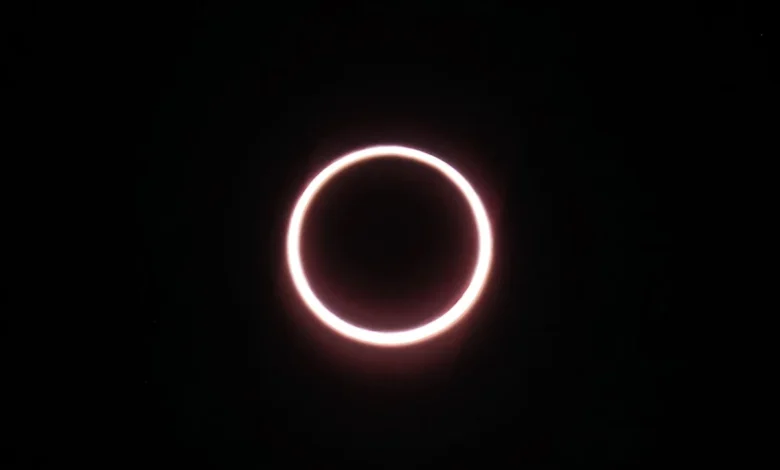
On February 17, 2026, while astronauts aboard the Artemis 2 mission experienced a total solar eclipse from the vantage point of lunar orbit, a small, isolated team at the Concordia Research Station in Antarctica became the sole observers on Earth to witness a rare and breathtaking annular solar eclipse, often referred to as a "ring of fire." This extraordinary celestial event, visible only from this remote icy continent, unfolded unseen by the rest of the planet, highlighting the unique position of this research outpost and the dedication of its inhabitants.
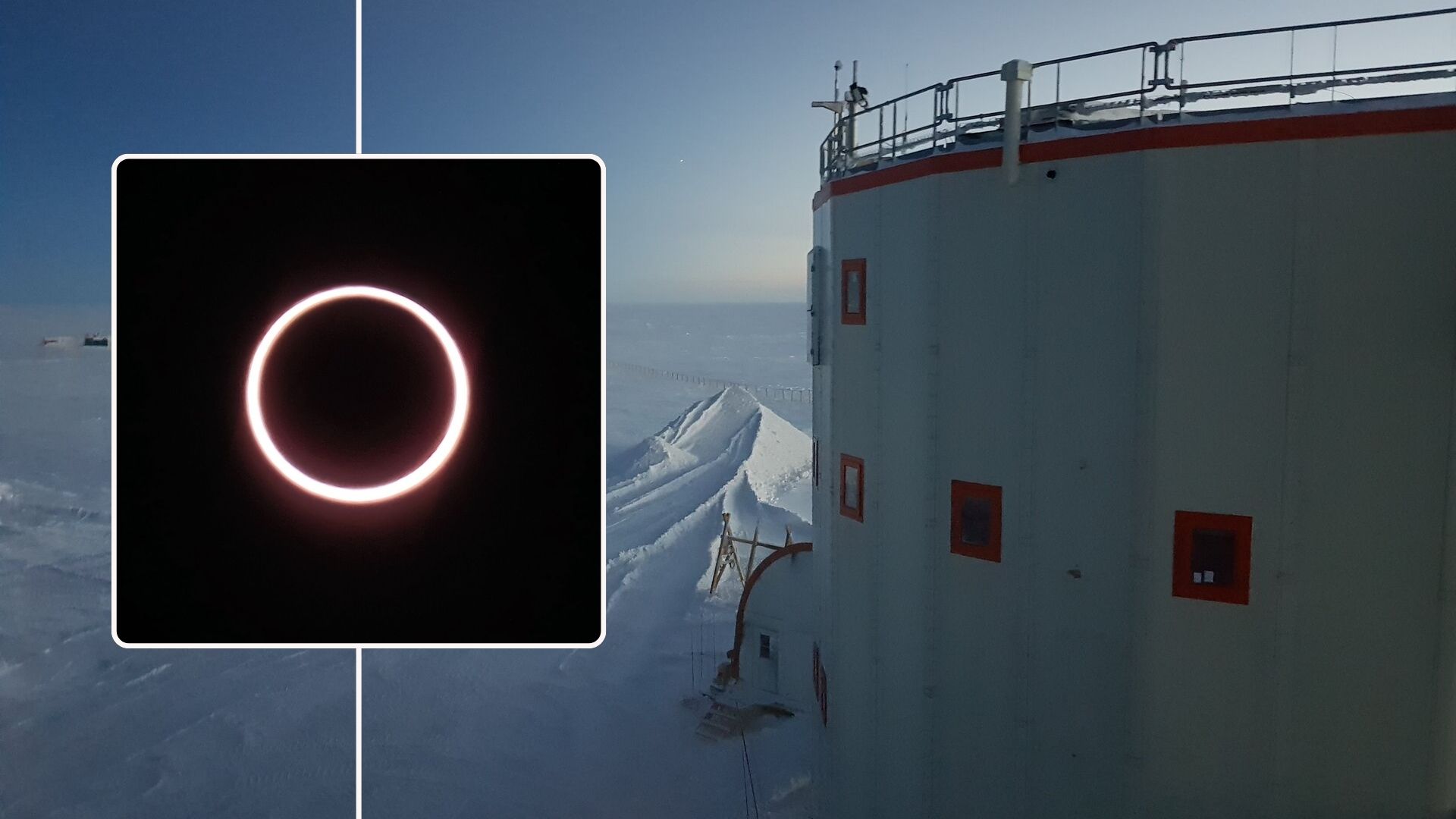
The Concordia Research Station, a joint French-Italian initiative, stands as one of the most isolated scientific outposts on Earth. Situated approximately 750 miles (1,207 kilometers) inland from the Antarctic coast at an imposing altitude of 10,600 feet (3,230 meters), it endures some of the planet’s harshest environmental conditions. During the brutal Antarctic winter, temperatures frequently plummet to an average of -58 degrees Fahrenheit (-50 degrees Celsius), and the station experiences four months of continuous darkness each year, with the sun failing to rise above the horizon. This extreme environment, characterized by its arid, desert-like conditions, makes Concordia an ideal location for scientific research, particularly in fields such as astronomy, glaciology, and human physiology in extreme environments.
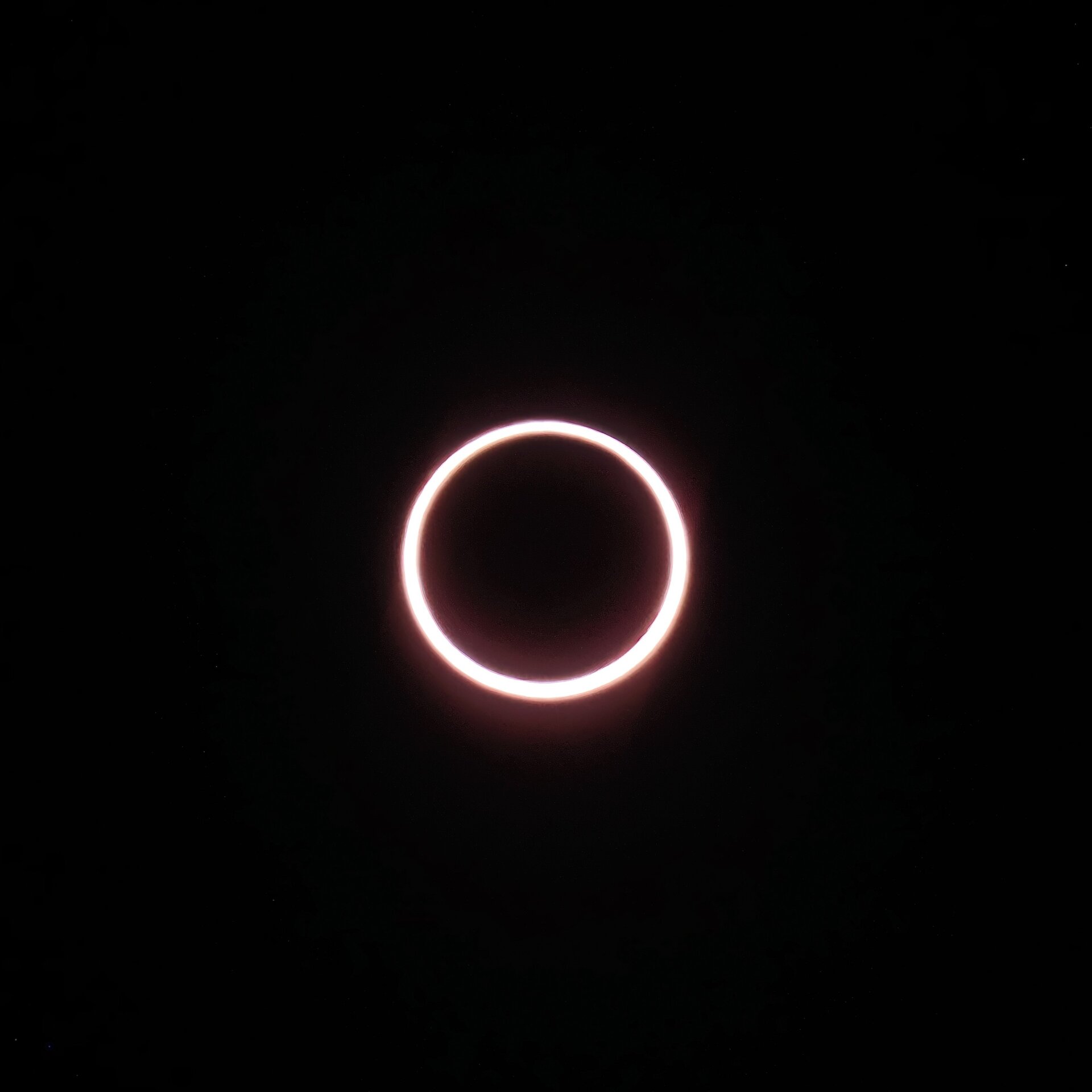
An annular solar eclipse occurs when the Moon, in its elliptical orbit around Earth, is farther away from our planet at the moment it passes between the Sun and Earth. This greater distance makes the Moon appear smaller in the sky, preventing it from completely obscuring the Sun. Instead, a brilliant ring of sunlight remains visible around the dark silhouette of the Moon, creating the spectacular "ring of fire" effect. Unlike total solar eclipses, which allow for the observation of the Sun’s faint outer atmosphere (corona), annular eclipses are still classified as partial solar eclipses and necessitate the use of specialized eye protection to prevent permanent eye damage.
The path of annularity for the February 17, 2026, eclipse traced a narrow corridor across the vast expanse of Antarctica. This celestial spectacle was projected to be visible in its full "ring of fire" glory from only two inhabited locations: the Russian Mirny Station and the Concordia Research Station. However, fate intervened, and a blanket of clouds obscured the view for the team at Mirny Station, rendering the Concordia crew the solitary witnesses to this cosmic phenomenon on the entire planet.
A Chance Encounter with the Cosmos
The unique observation was made possible by Andrea Traverso, a member of the Concordia team who is undertaking his third "winterover" at the station, having previously spent time there in 2019 and 2020. Traverso’s primary role at Concordia involves overseeing scientific experiments and monitoring systems, encompassing vital research in geomagnetism, seismology, meteorology, and the complex interactions between Earth’s upper atmosphere and the solar wind.
Traverso was not initially aware of the impending eclipse or its potential visibility from Concordia. His account reveals that the opportunity to witness and document the event was largely serendipitous. Upon learning of the eclipse, he positioned himself at a window within the station that offered an optimal alignment with the celestial event. The station’s architecture, featuring two cylindrical towers with windows designed to provide panoramic views, proved advantageous.
To capture the eclipse without the interference of glass reflections, Traverso ingeniously opened the window, exposing his camera directly to the frigid Antarctic air. The extreme cold, while a constant challenge for the station’s inhabitants, did not deter his pursuit of this rare astronomical moment.
Improvisation Under Extreme Conditions
The capture of clear, safe images of the Sun, especially during an eclipse, requires specialized filters to reduce the intense solar radiation. Remarkably, Traverso did not have pre-prepared solar filters for his camera. Faced with this challenge, he resorted to improvisation, a common necessity for researchers in such remote and resource-limited environments.
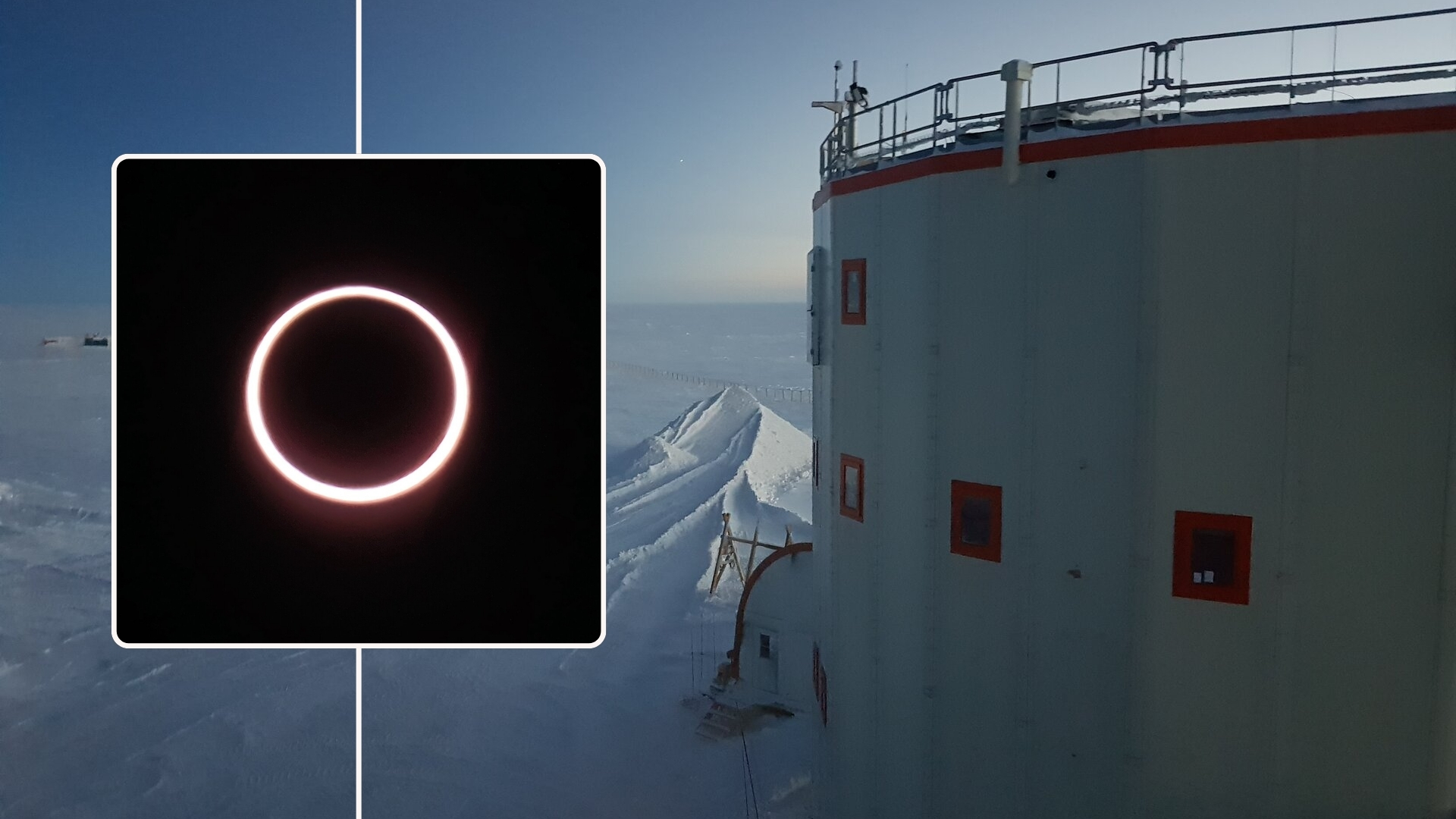
He managed to find sheets of mylar film, a material previously used at the station for solar observations some time ago. With the aid of cardboard and glue, Traverso constructed a makeshift filter, ingeniously adapting it to his camera lens. This resourceful solution proved to be highly effective, allowing him to safely photograph the annular eclipse. The resulting image, a stunning depiction of the "ring of fire" against the stark Antarctic landscape, was later shared widely by the European Space Agency (ESA), underscoring the significance of his capture.
A Private Spectacle, A Global Revelation
Following the eclipse, Traverso’s realization of the event’s unique nature solidified when he contacted other Antarctic research stations. The reports confirmed that cloudy conditions had thwarted any potential observations at other bases, including Mirny Station. It was at this point that Traverso truly understood that his photograph represented the only visual record of the 2026 annular solar eclipse from Earth’s surface.
In a Facebook post, translated from Italian, Traverso shared his awe and the exclusivity of the experience: "Yesterday night’s eclipse, photographed by me, visible in this form exclusively from the Italian-French base Concordia in Antarctica. My wonderful white lady also gave me this spectacle that only me and my 11 companions could enjoy live." The term "white lady" is a term of endearment he uses for the station.
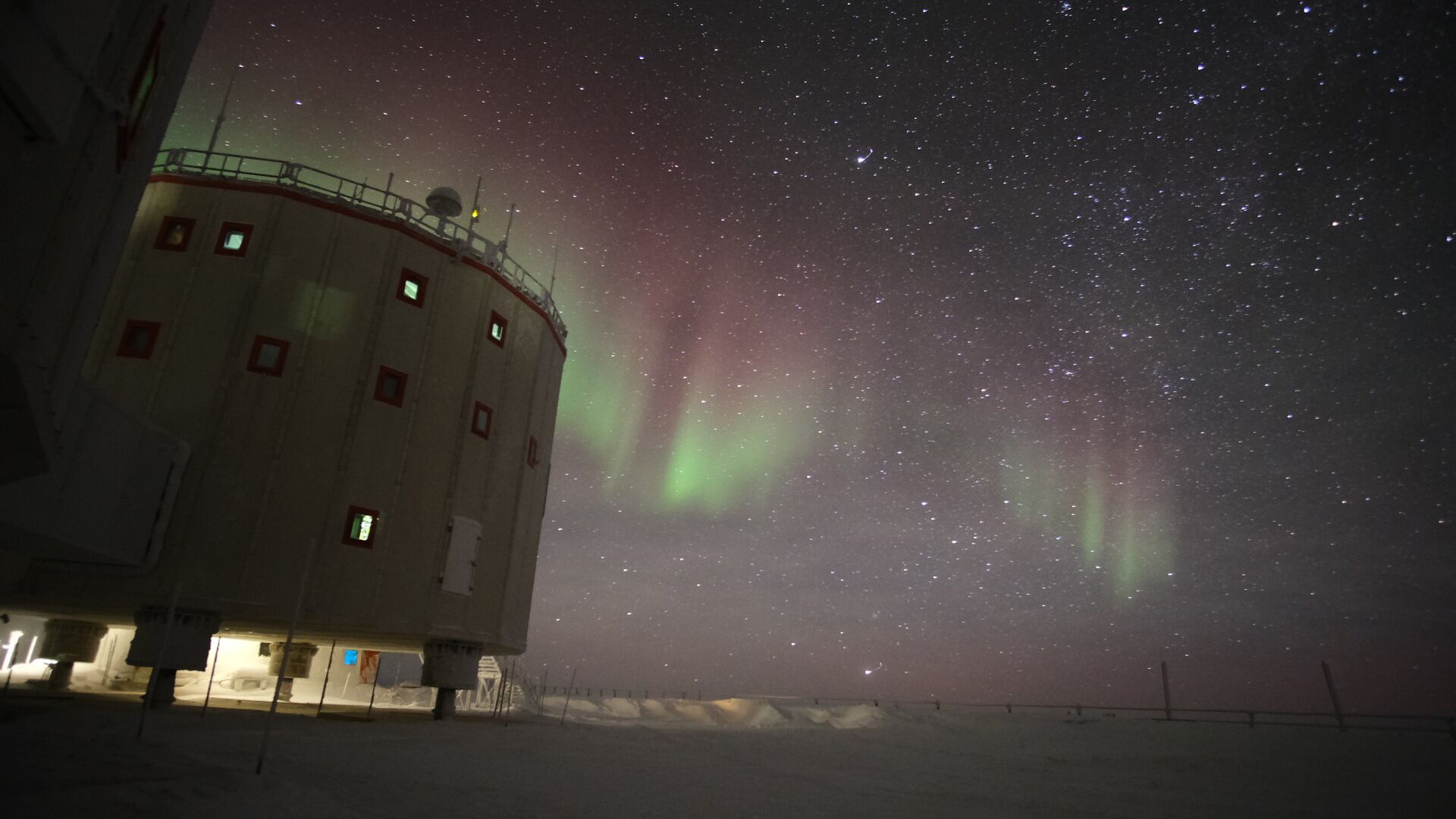
This testament highlights the profound isolation and the intimate connection the Concordia crew experiences with their environment and the cosmos. While the rest of the world followed the Artemis 2 astronauts’ orbital eclipse, Traverso and his colleagues were privy to a terrestrial spectacle of unparalleled rarity.
Broader Implications and Future Research
The observation from Concordia underscores the critical role of polar research stations in astronomical observation. These locations offer unique vantage points for celestial events due to their high latitudes, clear skies (often free from light pollution), and stable atmospheric conditions. While this particular event was an annular eclipse, similar conditions could lend themselves to the observation of other rare solar phenomena.
The successful improvisation by Traverso also serves as a testament to the ingenuity and resilience of individuals working in extreme environments. The ability to adapt and create solutions with limited resources is a hallmark of scientific exploration in challenging settings. This event could inspire further discussions on the preparedness and equipment needs for astronomical observation at remote research outposts.
Furthermore, the data collected, even through informal observation and photography, contributes to our understanding of eclipse visibility and atmospheric conditions in Antarctica. While not a formal scientific study, the documentation of this rare event adds a valuable anecdotal layer to the broader scientific record.
The Concordia Research Station, enduring its extreme isolation and harsh climate, continues to be a vital hub for scientific discovery. Its crew’s dedication, exemplified by Traverso’s pursuit of a fleeting astronomical marvel, reminds us that even in the most desolate corners of our planet, extraordinary scientific and observational opportunities can arise, often demanding ingenuity and a deep connection with the natural world. The lone ring of fire witnessed over Antarctica serves as a powerful reminder of the vastness of space and the remarkable human spirit that seeks to explore and understand it.