Bitcoin Treasury Adoption in LATAM Mirroring US BTC Reserve Strategy
Bitcoin treasury adoption in LATAM mirroring US strategic BTC reserve is a fascinating trend. Countries in Latin America are increasingly looking to Bitcoin as a potential hedge against economic volatility and inflation. This trend is closely mirroring the US’s strategic approach to holding Bitcoin reserves, raising important questions about the motivations, challenges, and potential impacts for the region.
From historical adoption patterns to regulatory hurdles, this exploration delves into the intricacies of this burgeoning phenomenon.
This analysis examines the factors driving Bitcoin treasury adoption in LATAM, comparing them to the US strategy. We’ll investigate the economic and political landscapes of LATAM nations, the regulatory frameworks surrounding Bitcoin, and the technical aspects of managing Bitcoin as a treasury asset. Finally, we’ll explore the potential implications for financial stability, inflation, and market sentiment in the region.
Bitcoin Treasury Adoption in Latin America (LATAM)

Bitcoin’s growing appeal in Latin America, particularly in countries facing economic volatility and inflation, has seen an increased interest in utilizing Bitcoin as a store of value and a potential hedge against currency devaluation. The region’s unique economic landscape, including high inflation rates and limited trust in traditional financial systems in some countries, creates a fertile ground for exploring alternative assets like Bitcoin.
This exploration extends to government and treasury adoption, a trend mirroring similar movements in other parts of the world.The current state of Bitcoin adoption by treasuries in LATAM is still nascent, but shows promising developments. While not as widespread as in other regions, the groundwork is being laid for a potential surge in adoption, particularly as governments grapple with economic uncertainties and seek diversification strategies.
Several countries are showing interest in exploring the use of Bitcoin as part of their financial portfolios, and some have even begun pilot programs.
Historical Overview of Bitcoin Adoption in LATAM
Bitcoin’s adoption in Latin America has been influenced by a variety of factors, including the region’s history of economic instability and the increasing popularity of cryptocurrencies globally. Early adoption in LATAM was driven largely by individuals and businesses seeking alternative payment solutions and assets with higher potential returns, often in response to perceived risks within traditional financial systems. The early adoption phase focused on remittances and peer-to-peer transactions, paving the way for later explorations into treasury holdings.
Current State of Bitcoin Adoption by Treasuries in LATAM Countries
The current state of Bitcoin adoption by treasuries in LATAM is characterized by a mix of pilot programs, exploratory research, and a growing awareness of Bitcoin’s potential. While not widespread, some countries have expressed interest in integrating Bitcoin into their financial strategies. This is often part of broader diversification efforts to reduce reliance on volatile fiat currencies and to potentially benefit from the unique characteristics of Bitcoin.
The exploration is often linked to the need to improve transparency and efficiency in financial transactions.
Key Factors Driving Bitcoin Treasury Adoption in LATAM
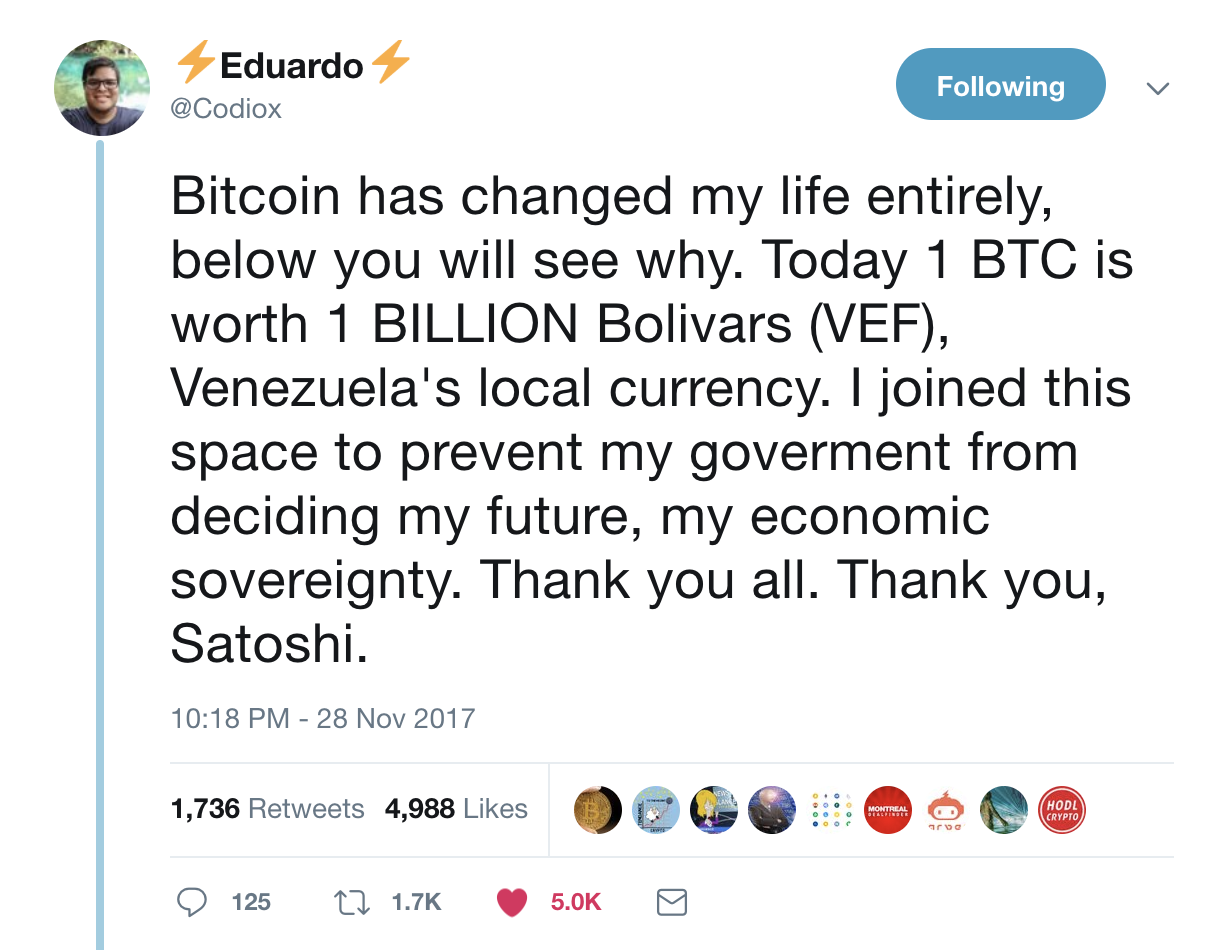
Several factors are propelling the exploration of Bitcoin treasury adoption in LATAM. Economic instability and inflation are significant drivers, as Bitcoin’s potential to serve as a store of value is attractive to governments seeking to diversify their reserves. The desire for greater financial sovereignty and the increasing popularity of cryptocurrencies globally also play crucial roles in the decision-making process.
Latin American countries are increasingly adopting Bitcoin treasuries, mirroring the US’s strategic Bitcoin reserve. This trend, however, is also being watched alongside the SEC’s potential resolution in the Justin Sun case, which could have a significant impact on the future of crypto adoption. Understanding the implications of this legal battle, particularly for potential regulatory changes, is key to assessing the long-term outlook for Bitcoin treasury adoption in LATAM and its connection to US strategic Bitcoin reserve strategies.
sec asks stay case justin sun potential resolution could offer crucial insight for navigating this complex landscape.
Some governments may see Bitcoin as a way to reduce reliance on traditional financial institutions and to gain greater control over their monetary policies.
Comparison of Motivations Behind Bitcoin Treasury Adoption in LATAM versus the US
The motivations behind Bitcoin treasury adoption in LATAM often differ from those in the US. While US treasury adoption might focus on diversifying investment portfolios and potentially hedging against inflation, LATAM treasuries are often motivated by a stronger desire to reduce reliance on volatile fiat currencies and improve financial transparency. In addition, the need to address economic instability and the desire for financial sovereignty play a more prominent role in the LATAM context.
Latin American countries are increasingly adopting Bitcoin treasuries, mirroring the US’s strategic Bitcoin reserve. This trend suggests a growing recognition of Bitcoin’s potential as a store of value, but also raises questions about the future of crypto regulation. Meanwhile, Coinbase’s reported interest in acquiring derivatives exchange Deribit coinbase talks to buy derivatives exchange deribit report further highlights the burgeoning interest in crypto derivatives, which could influence the development of these Bitcoin treasury initiatives.
The overall picture paints a compelling narrative of increased Bitcoin adoption, with Latin American countries taking a leading role, likely driven by similar strategic considerations as the US.
Bitcoin Holdings of LATAM Treasuries
Unfortunately, precise data on the Bitcoin holdings of LATAM treasuries is not publicly available. There is no centralized, definitive list of Bitcoin holdings by treasuries. Collecting such data would require access to confidential government documents or announcements, which are often not made public.
Mirroring US Strategic Bitcoin Reserve
The US Treasury’s recent interest in establishing a strategic Bitcoin reserve has sparked global discussion and prompted other nations to consider similar moves. Latin American countries, with their growing Bitcoin adoption rates and unique economic considerations, are now examining the potential for replicating this strategy. This exploration necessitates understanding the US approach, its rationale, and the potential challenges and opportunities for LATAM nations.The US approach to Bitcoin reserves is still developing, but it is likely to be influenced by the existing framework for managing other financial assets held by the US Treasury.
This implies a cautious and calculated approach, focusing on both security and diversification.
US Strategy for Holding Bitcoin Reserves
The US approach to Bitcoin reserves is expected to involve a measured and methodical process. It will likely incorporate rigorous security protocols to protect the Bitcoin holdings, potentially utilizing cold storage and multi-signature wallets. Risk management will also be a crucial component, encompassing factors like price volatility and regulatory uncertainty. The approach will likely involve ongoing assessments of the Bitcoin market and its performance.
Reasoning Behind the US Approach to Bitcoin Reserves
The US is likely motivated by several factors when considering Bitcoin reserves. Diversification of the US reserve portfolio is a key consideration, potentially reducing reliance on traditional assets. The potential for long-term value appreciation in Bitcoin is another driving force, especially given the current narrative around the digital asset’s potential as a hedge against inflation and other market fluctuations.
Comparison of US and LATAM Bitcoin Treasury Strategies
While the US strategy remains a developing framework, LATAM nations will likely adopt a strategy tailored to their specific economic contexts and regulatory environments. Potential LATAM models could incorporate considerations for regional economic stability, inflation, and the unique characteristics of their financial markets. Differences in regulatory frameworks, political stability, and economic development levels will influence the specific approach adopted by each country.
Potential Challenges and Opportunities for Mirroring the US Strategy in LATAM
Mirroring the US strategy in LATAM presents both opportunities and challenges. Opportunities include potential diversification benefits, increased financial market stability, and improved international standing. However, challenges include the need for robust cybersecurity measures, the potential for market volatility, and the varying levels of technical infrastructure and regulatory clarity across LATAM countries.
Table Contrasting US and LATAM Bitcoin Treasury Strategies
| Characteristic | US | LATAM (Potential Model) |
|---|---|---|
| Regulatory Framework | Well-established and mature framework with specific regulations on treasury management | Varying levels of regulatory clarity and maturity; specific regulations may need to be established or adapted. |
| Economic Stability | Strong and diversified economy with established financial markets | Varying levels of economic stability and diversification across countries; financial markets may be less developed or mature. |
| Technical Infrastructure | Advanced and sophisticated infrastructure for handling and securing digital assets. | Varying levels of technical infrastructure; implementation may require significant investment and development. |
| Risk Management | Comprehensive risk management framework for digital asset holdings. | May require the development of specialized risk management strategies to account for unique regional circumstances. |
Economic and Political Context in LATAM
Latin America presents a complex tapestry of economic and political landscapes, influencing the potential for Bitcoin treasury adoption. Diverse levels of economic stability, varying political climates, and unique historical contexts create a nuanced picture for understanding the motivations behind this emerging trend. Understanding these factors is crucial for assessing the viability and potential pitfalls of Bitcoin treasury adoption across the region.
Economic Conditions in LATAM
Economic conditions in Latin American countries exhibit significant variation. Some nations enjoy relative stability, while others face persistent inflation, high unemployment, and currency volatility. These fluctuations significantly impact investor confidence and the perceived value of traditional assets. The allure of Bitcoin, often seen as a hedge against these economic uncertainties, plays a key role in the ongoing discussions surrounding its adoption as a reserve asset.
Political Landscapes in LATAM
Political landscapes in LATAM are similarly diverse. Some countries boast stable democracies with strong institutions, while others grapple with political instability, corruption, and shifting regulatory environments. The political climate directly influences investor sentiment and the willingness of governments to embrace new technologies like Bitcoin. Governments might view Bitcoin as a potential tool to enhance financial sovereignty or a means to mitigate economic vulnerabilities.
Influence of Factors on Bitcoin Treasury Adoption
The economic and political instability in some LATAM countries can significantly impact the decision to adopt Bitcoin treasuries. For example, Argentina, with its history of high inflation and currency devaluation, has seen a rise in Bitcoin adoption as a potential store of value. In contrast, countries with more stable economies and established financial systems might be less inclined to adopt Bitcoin treasuries.
This reflects the diverse factors at play in the decision-making process.
Examples of Economic Volatility Impacting Bitcoin Holdings
Economic volatility in LATAM countries can impact Bitcoin holdings in several ways. For instance, during periods of economic uncertainty, investors might seek refuge in Bitcoin, potentially driving up its price. Conversely, a period of economic recovery and stability might see investors shift away from Bitcoin, potentially leading to a decrease in demand and price. The price of Bitcoin can be highly volatile and sensitive to economic news from various regions, including Latin America.
Economic and Political Stability Scores of LATAM Countries
The table below presents a hypothetical overview of economic and political stability scores for various LATAM countries. It’s crucial to remember that these are illustrative examples, and actual scores vary significantly depending on the methodology used and the specific time period considered.
| Country | Economic Stability Score (1-10, 10 being highest) | Political Stability Score (1-10, 10 being highest) |
|---|---|---|
| Argentina | 5 | 6 |
| Brazil | 7 | 8 |
| Chile | 9 | 9 |
| Colombia | 7 | 8 |
| Mexico | 8 | 7 |
Regulatory Landscape and Legal Frameworks
The burgeoning Bitcoin treasury adoption movement in Latin America (LATAM) is intricately intertwined with the region’s evolving regulatory landscape for cryptocurrencies. Navigating the legal frameworks is crucial for investors and governments alike as they consider the potential benefits and risks of incorporating Bitcoin into their financial strategies. A clear understanding of the current regulatory environment is paramount for responsible investment and sustainable growth in the region.The regulatory environment in LATAM is currently fragmented, ranging from outright prohibitions to limited, often evolving, regulations.
This complexity poses significant challenges for Bitcoin treasury adoption, as clear guidelines and consistent enforcement are essential for fostering trust and participation. Differences in regulatory approaches across LATAM countries complicate the strategic adoption of Bitcoin treasuries, requiring a nuanced understanding of each country’s specific legal framework. A comparison with the US regulatory environment highlights the diverse approaches and varying levels of support for Bitcoin treasuries.
Current Regulatory Landscape in LATAM
The regulatory landscape for cryptocurrencies in LATAM is characterized by a lack of harmonization. Many countries are still in the process of developing clear and comprehensive regulations, leading to a patchwork of rules and interpretations. This uncertainty can hinder the adoption of Bitcoin treasuries, as investors may be hesitant to commit capital in the absence of predictable legal frameworks.
Impact of Regulations on Bitcoin Treasury Adoption
Regulations directly affect Bitcoin treasury adoption by influencing the legal status of Bitcoin, its use for transactions, and the treatment of related financial instruments. Strict regulations or outright bans can significantly limit the potential for treasury adoption, while supportive frameworks can encourage wider participation and investment. For example, a country that defines Bitcoin as a security rather than a currency could have a major impact on the way Bitcoin treasuries are managed.
Legal Frameworks Supporting or Hindering Adoption
Some LATAM countries are demonstrating a degree of openness towards Bitcoin. These often involve defining the legal status of Bitcoin as property or an asset, which can pave the way for its use in treasury management. Conversely, countries with restrictive or ambiguous regulations might discourage the adoption of Bitcoin treasuries. This often stems from a lack of clear legal guidance and an absence of established procedures for handling cryptocurrency transactions within the existing financial framework.
Comparison with the US Regulatory Environment
The US regulatory landscape for Bitcoin is more developed and nuanced than that of many LATAM countries. The US Securities and Exchange Commission (SEC) has taken a more active role in regulating cryptocurrency markets, leading to a more structured approach to Bitcoin’s use in treasuries. This structure, while sometimes perceived as burdensome, provides a degree of certainty for investors and businesses.
In contrast, many LATAM countries lack such a well-defined regulatory body and framework.
Regulatory Framework Overview (LATAM Countries)
| Country | Regulatory Status | Impact on Bitcoin Treasury Adoption |
|---|---|---|
| Argentina | Evolving regulatory framework; Bitcoin recognized as an asset. | Potentially supportive, but ongoing development impacts adoption certainty. |
| Brazil | Limited regulations; Bitcoin treated as property. | Generally neutral, with some potential for adoption but still evolving. |
| Chile | Limited regulatory clarity; Bitcoin not specifically addressed in legislation. | Uncertainty regarding future treatment impacts adoption. |
| Mexico | Limited regulations; Bitcoin treated as property. | Generally neutral, with potential for future adoption but requiring clarification. |
| Colombia | Limited regulations; Bitcoin not specifically addressed in legislation. | Uncertainty regarding future treatment impacts adoption. |
Note: This table provides a general overview and is not an exhaustive analysis. The regulatory landscape is constantly evolving, and specific details should be confirmed through reliable legal counsel.
Technical Aspects of Bitcoin Treasury Management
Implementing a Bitcoin treasury requires a robust technical framework to ensure security, transparency, and efficient management. This involves careful consideration of storage, transactions, and overall operational procedures. The security protocols are crucial to safeguarding the treasury’s assets, while scalability considerations are important to accommodate future growth. Choosing the right custodians and understanding the role of various actors is also essential.The technical implementation of a Bitcoin treasury in Latin America needs to address the region’s specific economic and regulatory environment.
The solutions need to be tailored to the local context, while maintaining the same level of security and transparency as established best practices. A secure and scalable system is critical to the success of Bitcoin treasury adoption in the region.
Bitcoin Storage and Custody
Secure storage of Bitcoin is paramount for any treasury. Cold storage, often in geographically diverse locations, is a common practice. Multi-signature wallets are employed to ensure that multiple parties are required to authorize transactions, adding an extra layer of security. This approach mitigates the risk of single points of failure and unauthorized access. For example, a multi-signature wallet with three key holders would necessitate the agreement of all three to authorize any transaction.
Transaction Management and Auditing
Efficient transaction management is critical for timely and accurate record-keeping. Robust transaction tracking and auditing systems are necessary to ensure compliance and accountability. This includes detailed logs of all transactions, with timestamps and relevant metadata, to facilitate audits and provide transparency. Real-time monitoring tools are also beneficial to detect and address any anomalies in transaction patterns.
Latin American countries are increasingly adopting Bitcoin as a treasury reserve, mirroring the US’s strategic Bitcoin holdings. This trend is fascinating, especially considering that Michigan recently proposed a crypto reserve bill, highlighting a growing global interest in digital assets. This development further solidifies the growing trend of Bitcoin treasury adoption in Latin America, which is directly in line with the US’s strategic approach to Bitcoin reserves.
Michigan becomes latest state to propose crypto reserve bill shows a clear path forward for countries looking to diversify their financial portfolios.
Security Protocols and Risk Mitigation, Bitcoin treasury adoption in latam mirroring us strategic btc reserve
Implementing robust security protocols is essential to prevent theft and unauthorized access. This includes multi-factor authentication, intrusion detection systems, and regular security audits. Furthermore, regular security assessments and vulnerability scans are crucial to proactively identify and address potential risks. Continuous monitoring of transaction activity and network behavior is necessary for early detection of malicious activity.
Custodian Selection and Oversight
Choosing the right custodian is crucial. Custodians with a proven track record in secure Bitcoin management, robust security protocols, and experience in the region are essential. Furthermore, transparency in the custodian’s operations and clear contractual agreements are key to establishing trust and accountability. The selection process should consider not only the custodian’s technical capabilities but also its regulatory compliance and adherence to best practices.
Scalability of Bitcoin Treasury Management Solutions
Bitcoin treasury management solutions need to be scalable to accommodate future growth in the treasury holdings. Modular designs that can be easily scaled and integrated with existing financial systems are preferred. The solution should also support increasing transaction volumes and evolving regulatory requirements without compromising security or performance. Furthermore, the solutions need to be adaptable to changing market conditions and evolving Bitcoin technology.
Security Protocols for Bitcoin Treasury Management
| Security Protocol | Description | Effectiveness |
|---|---|---|
| Multi-signature wallets | Transactions require approval from multiple parties. | High |
| Cold storage | Offline storage of private keys. | High |
| Hardware wallets | Secure hardware devices for storing private keys. | High |
| Regular security audits | Periodic review of security measures. | Medium-High |
| Intrusion detection systems | Monitor network traffic for suspicious activity. | Medium |
Potential Impact and Implications: Bitcoin Treasury Adoption In Latam Mirroring Us Strategic Btc Reserve
The potential adoption of Bitcoin as a reserve asset by Latin American (LATAM) countries, mirroring the US strategy, presents a complex tapestry of opportunities and challenges. This move, while promising in some aspects, could significantly impact the region’s financial stability, inflation rates, and investor confidence. Understanding these potential implications is crucial for policymakers and investors alike.
Positive Impacts of Bitcoin Treasury Adoption
The introduction of Bitcoin reserves can potentially enhance the diversification of LATAM economies, reducing reliance on traditional, often volatile, fiat currencies. This diversification can mitigate the risks associated with currency fluctuations and political instability, which are prevalent in some regions. Further, the transparency and immutability of Bitcoin transactions could enhance financial inclusion by facilitating cross-border transactions and potentially reducing reliance on intermediaries.
Negative Impacts of Bitcoin Treasury Adoption
A significant concern surrounding Bitcoin treasury adoption is the inherent volatility of the cryptocurrency market. Sudden price fluctuations could expose national reserves to substantial losses, potentially destabilizing the financial system. Moreover, the lack of established regulatory frameworks for Bitcoin in many LATAM countries could create uncertainty and potentially attract illicit activities. Finally, the energy consumption associated with Bitcoin mining raises environmental concerns that could attract international criticism.
Implications for Financial Stability
The integration of Bitcoin into national reserves could impact financial stability in several ways. Positive implications include the potential for greater financial resilience against external shocks. However, negative implications include the risk of destabilizing the currency markets if Bitcoin prices experience significant declines.
Impact on Inflation and Currency Exchange Rates
The introduction of Bitcoin into reserves could influence inflation and currency exchange rates in several ways. A potential increase in demand for Bitcoin could drive up its price, which in turn might put downward pressure on the value of fiat currencies. This could lead to inflation, as the value of the reserve asset depreciates. Conversely, a decrease in demand for Bitcoin could lead to a depreciation of the reserve asset.
Influence on Investor Confidence and Market Sentiment
The adoption of Bitcoin as a reserve asset could significantly influence investor confidence and market sentiment in LATAM. Positive adoption could increase investor confidence in the region’s economy, attracting foreign investment and potentially boosting economic growth. However, if concerns about market volatility and regulatory uncertainty persist, investor confidence could be negatively impacted.
Summary Table of Potential Impacts
| Impact Category | Potential Positive Impacts | Potential Negative Impacts |
|---|---|---|
| Financial Stability | Enhanced resilience against external shocks, diversification of assets | Destabilization of currency markets if Bitcoin prices decline, potential for illicit activities |
| Inflation & Exchange Rates | Potential for reduced inflation if Bitcoin appreciates against fiat currencies | Increased inflation if Bitcoin depreciates against fiat currencies, currency exchange rate volatility |
| Investor Confidence | Increased investor confidence, attracting foreign investment | Reduced investor confidence if concerns about market volatility and regulations persist |
Illustrative Cases and Examples
Latin America’s (LATAM) journey toward Bitcoin treasury adoption mirrors the global trend, but with unique challenges and opportunities. While the US’s strategic reserve offers a compelling model, LATAM countries face diverse economic and regulatory landscapes. Examining existing cases and their outcomes provides valuable insight into the potential pitfalls and successes of such initiatives.
Absence of Significant LATAM Bitcoin Treasury Cases
Currently, there are no widely publicized, significant examples of Bitcoin treasury adoption by LATAM governments or major corporations. This scarcity is likely due to a combination of factors, including the relative novelty of Bitcoin in the region, complex regulatory frameworks, and the inherent volatility of the cryptocurrency market. However, this lack of readily available examples doesn’t negate the growing interest in the technology and the potential for future adoption.
Potential Motivations and Rationale
The rationale behind potential Bitcoin treasury adoption in LATAM, mirroring the US approach, centers on several key motivations. These include diversification of reserves, hedging against inflation, and potentially unlocking access to global capital markets.
“Diversification of reserves, including exposure to Bitcoin, is a strategy employed by central banks and institutional investors globally to mitigate risk and potentially enhance returns.”
The motivations are aligned with the US strategic reserve approach, but specific implementations and regulatory considerations differ due to the region’s unique characteristics.
Difficulties and Potential Challenges
Implementing Bitcoin treasuries in LATAM countries presents unique challenges. Regulatory uncertainties, the volatile nature of Bitcoin, and the need for robust security measures to safeguard the assets are key concerns. Moreover, the lack of established infrastructure and expertise in the region could hinder swift and smooth implementation.
- Regulatory Uncertainty: The lack of clear regulatory frameworks surrounding Bitcoin in many LATAM countries poses a significant barrier to adoption. Uncertainty surrounding tax implications, legal ownership, and the potential for regulatory crackdowns discourages potential participants.
- Volatility of Bitcoin: Bitcoin’s price fluctuations are a significant risk. Significant fluctuations can lead to substantial losses if not carefully managed. This is a common concern for any institutional investor considering Bitcoin as part of a reserve.
- Security Concerns: Protecting Bitcoin assets from hacking and theft is crucial. The need for advanced security measures and reliable custodians is paramount, particularly for institutional investors.
- Infrastructure and Expertise: The region’s infrastructure and expertise in cryptocurrency management are often underdeveloped compared to more mature markets. This gap can hinder smooth implementation and long-term maintenance.
Comparison with the US Approach
While the US approach serves as a potential blueprint, LATAM countries must tailor their strategies to their specific economic and political environments. The US approach often involves more established financial institutions and a mature regulatory landscape, which is a significant difference compared to LATAM’s developing infrastructure.
Last Recap
In conclusion, the burgeoning trend of Bitcoin treasury adoption in LATAM, mirroring the US strategic approach, presents both opportunities and challenges. The economic and political context, regulatory landscapes, and technical aspects all play crucial roles in shaping this evolving narrative. The potential impacts on financial stability, inflation, and investor confidence are significant and warrant careful consideration. Further research into specific cases and examples will provide valuable insights into the future trajectory of this emerging phenomenon.