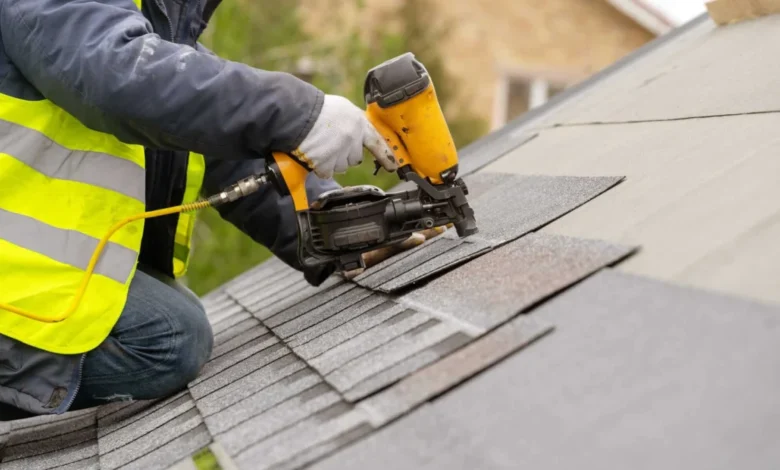
The question of whether a new roof increases home value is a central concern for homeowners navigating the complex real estate market. The short answer is yes, but the financial return and market impact depend heavily on a variety of factors, including the condition of the existing infrastructure, the choice of materials, prevailing local market trends, and specific buyer expectations. Replacing a failing, damaged, or visibly aged roof almost always yields a more substantial return than replacing one that still retains significant structural utility.
To help property owners make informed financial choices, real estate and construction professionals analyze how roof investments influence resale values, property appraisals, and buyer psychology. From metropolitan hubs like Denver, Colorado, to historic housing markets like Boston, Massachusetts, evaluating whether to undertake a repair or a full replacement remains one of the most critical pre-sale decisions a homeowner can face.
The Financial Reality: Costs, Cost Recovery, and National Data
When evaluating home improvement projects, homeowners frequently look at the return on investment (ROI). While a new roof undeniably enhances property appeal and protects structural integrity, sellers rarely recoup 100 percent of the replacement cost at the closing table.
According to national industry reporting, an average asphalt-shingle roof replacement costs approximately $31,871. At the same time, it adds an estimated $21,501 in direct resale value. This yields an average national cost-recoupment rate of roughly 67.5 percent. However, this figure is a baseline aggregate. The actual financial return fluctuates based on regional housing market dynamics, the severity of wear on the original roof, local labor and material expenses, and the quality of the installation.
Industry experts emphasize that the quantifiable value of a roof extends far beyond basic cost-recoupment metrics. Mark Mueller, founder of Mueller Builders, highlights the strategic advantages of preemptive roofing updates. "A new roof significantly enhances a home’s market appeal by eliminating one of the most daunting inspection hurdles for potential buyers," Mueller explains. "Beyond immediate curb appeal, a modern roofing system offers buyers peace of mind regarding long-term structural integrity, and replacing an aging roof frequently prevents price concessions and helps homes sell much faster."
Modern advancements in manufacturing have also fundamentally shifted the lifespan expectations of roofing systems. Jordan Phillips, President of Liberty Home Remodeling, notes that contemporary engineering has dramatically increased product durability. "With today’s roofing technologies, many new roofs can last 40 to 50 years, making a roof replacement arguably one of the most valuable long-term improvements a homeowner can make," Phillips states.
Material selection further dictates both upfront costs and long-term valuation. Ken Girard, President of Apex Exteriors, points out that specific product choices resonate differently with prospective buyers. "A new architectural asphalt shingle roof may give a buyer peace of mind knowing they likely won’t need to replace it for 20 or more years," Girard observes. "Higher-end materials, such as composite or standing seam metal roofing, can offer even longer expected lifespans and elevate the overall tier of the property."
How Roof Condition Influences Home Appraisals
Homeowners often assume that completing a high-ticket project like a roof replacement will automatically trigger a dollar-for-dollar increase in their home appraisal. Real estate appraisers, however, approach valuation through a more holistic lens.
During a formal appraisal, an evaluator assesses the property’s overall condition alongside square footage, functional utility, specific interior and exterior features, geographic location, and recent comparable sales. A new roof does not automatically elevate the appraised value by a predetermined monetary amount. Instead, its condition contributes to the overarching structural rating of the dwelling.
If an existing roof exhibits major structural compromise, active leaks, missing flashing, or severe granule loss, these deficiencies negatively impact the home’s condition rating and can reduce the final valuation. Conversely, installing a new roof removes these liabilities, certifying the property is in sound condition.
Financial analysts caution against replacing a roof solely for the purpose of a home appraisal if the current system is sound and relatively new. If an existing roof has another decade of functional life remaining, the incremental change in the appraisal score may not justify the considerable capital outlay.

Strategic Decision-Making: Repair Versus Replacement Before Selling
Deciding whether to replace a roof prior to listing a home for sale requires a calculated assessment of the property’s physical state, the local real estate climate, and financial timelines. A full tear-off and replacement is not universally necessary for every listing.
Homeowners must weigh the severity of existing roof damage against potential buyer friction. If minor cosmetic flaws exist, targeted interventions are often sufficient. Conversely, structural deterioration demands a more comprehensive response to prevent deals from collapsing during the home inspection phase.
Professional Repair and Replacement Decision Matrix
| Defect or Situation | Recommended Professional Solution | Operational Details |
|---|---|---|
| A few isolated shingles are damaged, curling, or cracked | Spot Repairs | Easily and economically replaced; contractors must ensure replacement shingles match the existing color profile and grade. |
| Water stains on ceilings or a single localized leak | Partial Re-Roof | A cost-effective fix for confined damage, though it can only be performed a limited number of times before a full replacement becomes mandatory. |
| Roof age exceeds 20 to 25 years | Full Replacement (Tear-Off vs. Overlay) | Aging systems introduce catastrophic structural risks; a complete replacement safeguards the home and maximizes market equity. |
| Sagging ridge lines or uneven deck surfaces | Full Replacement with Structural Assessment | Indicates underlying framing damage requiring immediate professional engineering review to ensure habitability and safety. |
| Excessive shingle granules accumulating in gutters | Spot Repairs or Partial Re-Roofing | Signals advanced shingle degradation; immediate intervention is required to maintain weather-proofing capabilities. |
Contemporary Cost Analysis for Roof Replacements
Roof replacement expenditures are driven by square footage, material selection, labor rates, and geographic location. Standard roofing materials typically range between $4 and $11 per square foot for basic installations. For the average residential property, total project costs span from $8,000 to $30,000. Premium architectural installations, such as slate, concrete tile, heavy-gauge standing seam metal, or specialized synthetic composites, routinely exceed these standard pricing parameters.
The total invoice for a roof replacement is typically calculated based on three primary cost centers:
- Labor and Tear-Off Fees: Removing and disposing of multiple layers of old roofing debris requires substantial manual labor and disposal container fees.
- Material Expenses: The chosen product grade—ranging from standard three-tab asphalt shingles to architectural laminates and premium metals—dictates material acquisition costs.
- Structural Repairs: If decking, underlying plywood, rafters, or flashing are compromised by water infiltration, carpenters must remediate these issues before installing the new weather barrier.
Additional architectural complexities—such as steep roof pitches, complex multi-gable layouts, multiple chimney penetrations, and difficult site access—can further escalate project expenditures.
Buyer Psychology, Inspections, and Market Implications
The exterior condition of a home serves as the primary visual filter for prospective buyers. Because the roof constitutes a massive percentage of a home’s visual profile from the street, visible wear and tear immediately signals deferred maintenance.
Jordan Phillips notes that real estate agents frequently encounter buyer hesitation when a roof appears visibly aged. "A new roof is often one of the first improvements addressed when preparing a home for a new listing," Phillips explains. "It’s a valuable investment that improves curb appeal while increasing the property’s overall marketability."
Ken Girard reinforces this perspective, highlighting the financial penalties sellers face when listing homes with compromised roofs. "An aging roof can have the opposite effect [of a new roof], since buyers may factor the cost of a future replacement into their decision—often discounting their offer well beyond the actual cost of replacement," Girard warns.
When prospective buyers submit an offer, standard purchase contracts include a due diligence period permitting professional home and roof inspections. If a roof inspection uncovers hidden defects, structural failures, or code non-compliance, it frequently triggers difficult renegotiations. Sellers may be forced to issue substantial financial credits at closing, reduce the listing price, or complete emergency repairs under tight contractual deadlines. Eliminating this risk profile upfront allows sellers to maintain pricing leverage and secure cleaner, faster transactions.
Strategic Summary for Homeowners
Ultimately, investing in a new roof can yield tangible financial dividends and market advantages, particularly when replacing an aging, compromised system that would otherwise deter buyers or stall negotiations. However, because financial returns are tethered to regional market conditions, installation quality, and the previous state of the property, a blanket replacement strategy does not apply to every home.
Homeowners who are uncertain about their property’s valuation potential are advised to commission a professional roof assessment, weigh repair estimates against full replacement costs, and consult with local real estate professionals to analyze neighborhood-specific buyer expectations before committing capital.