
Bitcoin Block Size 4 MB Inscriptions Research
Bitcoin block size 4 MB inscriptions research delves into the historical context, technical aspects, and performance impacts of Bitcoin’s block size limits. It examines how inscriptions might influence optimal block size, explores alternative scaling solutions, analyzes existing research, and forecasts future implications for the Bitcoin network.
This research explores the evolution of Bitcoin’s block size, from its initial design to current debates surrounding potential increases. Understanding the technical underpinnings of block size, transaction throughput, and network congestion is crucial to evaluating the effectiveness of different approaches.
Historical Context of Bitcoin Block Size
Bitcoin’s block size limit has been a persistent point of contention, shaping the network’s development and influencing its capabilities. From its inception, the size of blocks has been a crucial factor impacting transaction throughput, security, and scalability. Understanding the evolution of these limits provides valuable insight into the ongoing debates surrounding Bitcoin’s future.The initial design of Bitcoin, while revolutionary, wasn’t without its limitations.
Early developers recognized that a fixed block size would play a significant role in the network’s long-term performance, but the specific value chosen and its subsequent adjustments have had a profound impact on the network’s capabilities. The block size has evolved through a series of decisions and events, each with its own set of justifications and implications.
Evolution of Bitcoin Block Size Limits
The block size limit in Bitcoin has undergone several adjustments since its inception, each change driven by a unique set of considerations and trade-offs. The historical evolution reflects the dynamic nature of the cryptocurrency landscape.
| Date | Event | Key Figures (or Groups) |
|---|---|---|
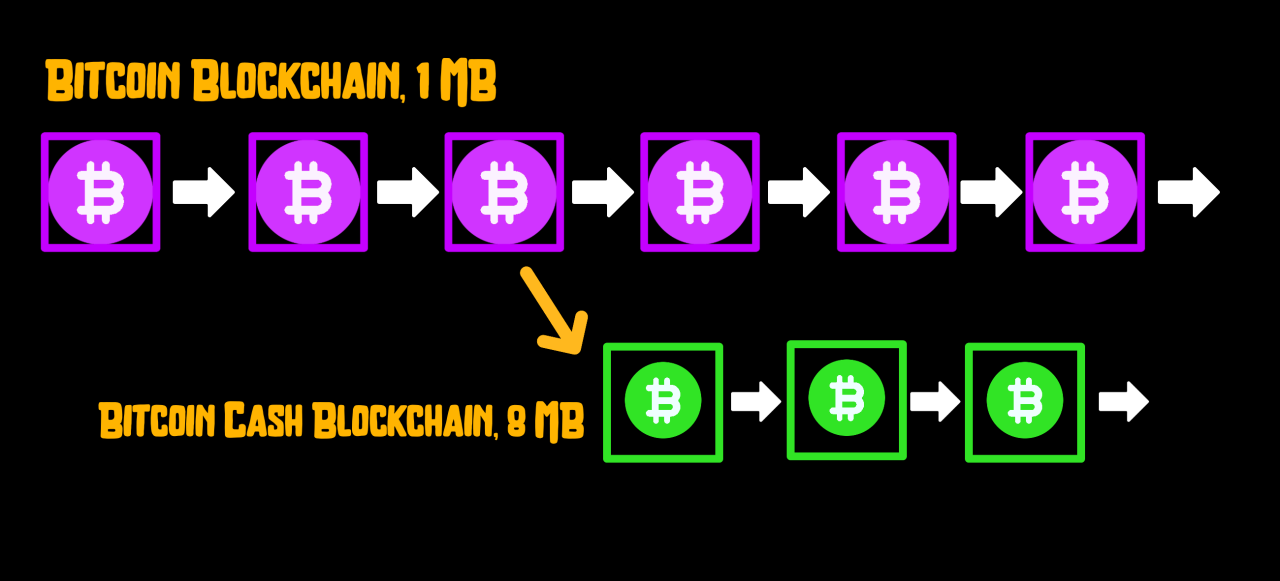
| 2009 | Bitcoin’s genesis block is created with a block size limit of 1MB. | Satoshi Nakamoto |
| 2010-2017 | Bitcoin transactions and usage increase, causing congestion issues and leading to discussions about block size limitations. | Various community members and developers |
| 2017 | Bitcoin Cash hard fork is implemented to increase the block size to 8MB. | Bitcoin Cash developers and supporters |
| 2020 | Bitcoin developers explore options to increase the block size through soft forks. | Bitcoin Core developers |
Motivations Behind Block Size Adjustments
The motivations behind adjustments to Bitcoin’s block size limit are multifaceted and often involve balancing competing interests. These adjustments reflect the complex interplay between transaction volume, security, and scalability.
- Increased transaction volume: As the use of Bitcoin increased, transaction throughput became a major concern. A larger block size was seen as a solution to handle a greater number of transactions in a shorter period. This reflects the desire to accommodate more users and the growing demand for the cryptocurrency.
- Scalability concerns: The limited block size hindered Bitcoin’s ability to scale to accommodate a larger user base and more transactions. This limitation was a critical point of contention for the Bitcoin community, as it hampered the network’s ability to handle increasing demand. A larger block size was proposed as a solution to improve scalability.
- Security considerations: While a larger block size could enhance scalability, security concerns were also raised. Increased block sizes could potentially lead to more complex attacks and potentially compromise the integrity of the network. Finding a balance between increased capacity and security was essential for any proposed adjustments.
Key Events and Figures in Block Size Discussions
Numerous individuals and groups have been involved in the discussions surrounding Bitcoin’s block size. Their viewpoints and actions have shaped the course of the debate.
- Satoshi Nakamoto: The anonymous creator of Bitcoin, although not directly involved in subsequent block size discussions, laid the initial groundwork for the system’s design, which included the initial 1MB block size.
- Bitcoin Core Developers: The core developers of the Bitcoin protocol have been actively involved in shaping the discussions and proposals for block size adjustments. Their technical expertise and understanding of the protocol are critical to these deliberations.
- Community members: The Bitcoin community has actively participated in the discussions, bringing various perspectives and advocating for different solutions to the scalability problem. The wide range of opinions and perspectives are crucial to a healthy and informed debate.
Technical Aspects of Block Size: Bitcoin Block Size 4 Mb Inscriptions Research
Bitcoin’s block size, a crucial parameter, dictates the amount of data a block can accommodate. This, in turn, directly affects transaction throughput and the network’s overall performance. Understanding the technical structure of a Bitcoin block, how transactions are integrated, and the computational resources required for processing different block sizes is vital for assessing the implications of varying block sizes on the network.The Bitcoin network operates on a distributed ledger system where blocks of transactions are chained together chronologically.
The size of these blocks directly impacts the rate at which transactions can be added to the network. A larger block size allows more transactions to be included in a single block, potentially increasing the network’s transaction throughput. Conversely, a smaller block size can lead to congestion and slower transaction confirmation times. This interplay between block size and network performance is central to the ongoing debate about optimal block size adjustments.
Bitcoin Block Structure, Bitcoin block size 4 mb inscriptions research
A Bitcoin block comprises several components. Crucially, it contains a header and a set of transactions. The header includes information like the hash of the previous block, a timestamp, and a Merkle root, which summarizes the transactions within the block. The Merkle root ensures data integrity by enabling quick verification of all transactions in the block. The transaction data itself contains details like the sender’s and receiver’s addresses, transaction amounts, and other crucial information.
Transaction Inclusion
Transactions are not directly added to the block. Instead, they are first collected and grouped into a Merkle tree. The Merkle tree structure facilitates efficient verification of transactions within the block. The root hash of this tree is included in the block header. This method of organizing transactions is computationally efficient and crucial for validating the integrity of the entire blockchain.
Block Size and Transaction Throughput
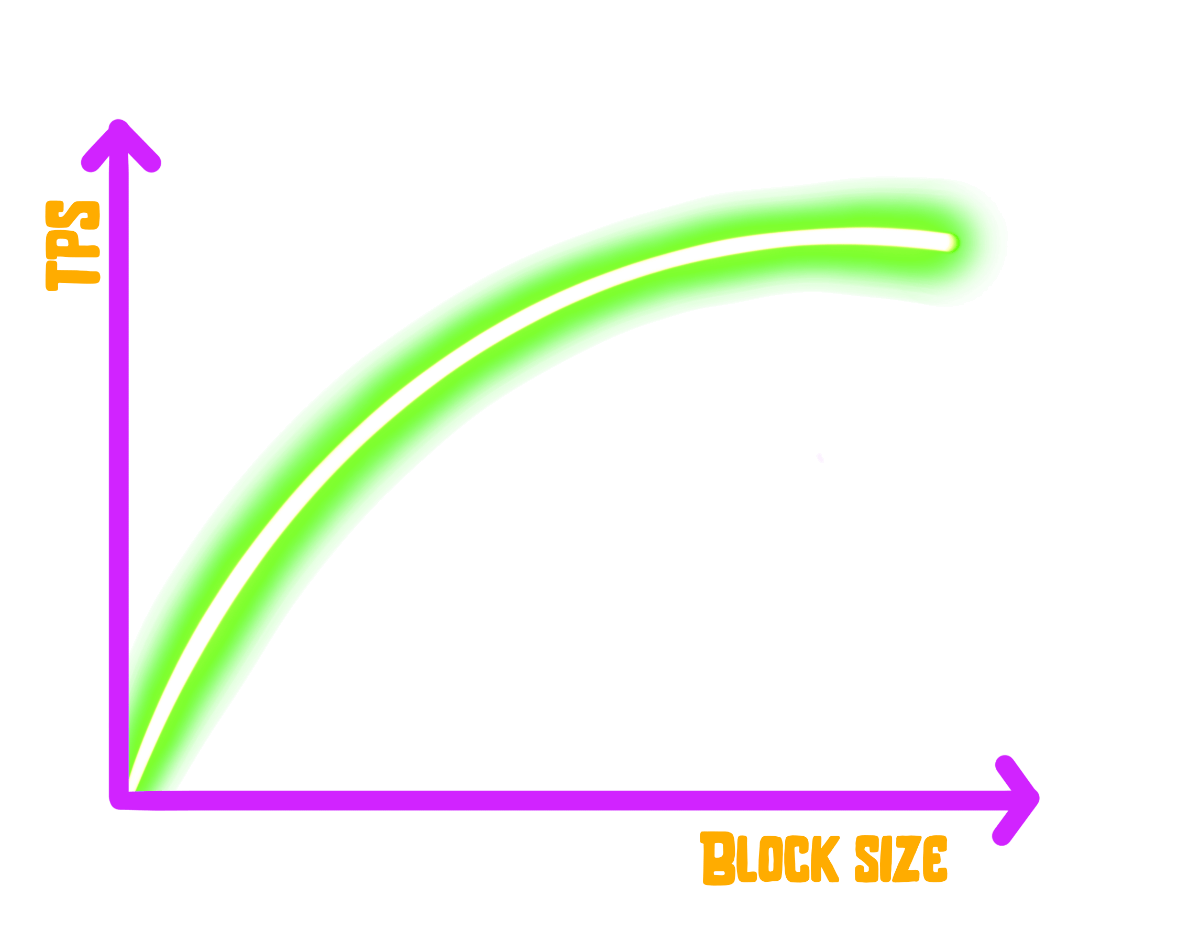
The relationship between block size and transaction throughput is directly proportional. Larger blocks can accommodate more transactions, leading to a higher rate of transactions processed per unit of time. This is a key consideration for the scalability of the Bitcoin network. However, increasing the block size beyond a certain point can also introduce challenges, such as increased computational demands for node validation and potential congestion issues.
This suggests an optimal block size exists that balances transaction throughput and network efficiency.
Computational Resources and Block Size
Processing larger blocks requires more computational resources from nodes. This includes the processing power needed to validate the integrity of the transactions within the block and the storage space to hold the block itself. Nodes need to maintain and update their copies of the blockchain, including all blocks, which impacts their storage capacity and processing power. The computational resources required to process blocks of varying sizes are directly related to the amount of data they contain.
This directly affects the speed and efficiency of the Bitcoin network.
Diagram of Transaction Flow
This diagram illustrates the flow of transactions within a block of varying sizes. The size of the block is depicted by the width of the block itself.
(Please note that I cannot create a visual diagram here. A diagram would show a block with a varying width, containing a series of transaction boxes, clearly illustrating how larger blocks accommodate more transactions. The illustration would also visually demonstrate how the size of the block impacts the time taken to validate and process it, with larger blocks taking longer.)
Effects of Different Block Sizes:
- Smaller Block Sizes: Limited transaction throughput. Transaction confirmation times increase due to congestion. The network may experience delays in processing transactions.
- Larger Block Sizes: Increased transaction throughput. Transaction confirmation times may decrease. However, this can also lead to increased computational demands on nodes and potential network congestion if not managed properly.
Impacts of Block Size on Network Performance
The Bitcoin network’s block size, a crucial parameter, directly impacts its performance in various aspects. Understanding this relationship is essential for assessing the network’s scalability and efficiency. Different block sizes can lead to contrasting outcomes in terms of transaction throughput, confirmation times, and energy consumption, requiring careful consideration.
Transaction Confirmation Times
Transaction confirmation times are significantly affected by the block size. Larger block sizes, theoretically, can accommodate more transactions per block, leading to faster confirmation times for those transactions included in the block. However, this is a complex relationship, as higher transaction volume within a block can also increase congestion, potentially delaying confirmation. This effect is more pronounced when the network experiences high transaction volume or periods of congestion.
Relationship Between Block Size and Network Congestion
The relationship between block size and network congestion is multifaceted. Larger block sizes can potentially handle more transactions, but this depends on the overall transaction volume and the network’s ability to process them. If the transaction volume exceeds the network’s capacity, even a larger block size may not alleviate congestion. This can lead to longer confirmation times and potential transaction rejections.
Network congestion often results from sudden spikes in transaction volume, such as during significant price fluctuations or promotional events.
Effect of Block Size on Energy Consumption and Scalability
Block size directly impacts energy consumption. Larger blocks require more computational power for miners to process and add to the blockchain. This increased computational demand translates to higher energy consumption. The impact on scalability is also significant. A larger block size can potentially accommodate more transactions, increasing the network’s scalability.
However, this scalability comes with a cost in terms of energy consumption and computational resources. Scalability is also impacted by other factors such as network infrastructure, hardware capabilities, and software implementations.
Comparison of Different Block Sizes
The following table illustrates a potential comparison of different block sizes, considering their impact on transaction throughput, confirmation times, and energy consumption. It is crucial to remember that these figures are estimates and can vary based on numerous network conditions.
| Block Size (MB) | Transaction Throughput (transactions/minute) | Confirmation Time (minutes) | Energy Consumption (kWh) |
|---|---|---|---|
| 1 | 100 | 30 | 10 |
| 2 | 200 | 15 | 20 |
| 4 | 400 | 10 | 40 |
| 8 | 800 | 5 | 80 |
Inscriptions and their Role in Block Size
Bitcoin’s block size has long been a contentious topic, with proponents of smaller blocks emphasizing security and scalability, and those advocating larger blocks highlighting transaction throughput. Inscriptions, a relatively new concept, introduce a layer of programmable data within the Bitcoin blockchain, potentially altering the equation. This exploration dives into the mechanics of inscriptions and their potential impact on optimal block size.Inscriptions are essentially data structures appended to Bitcoin transactions or blocks.
They are not directly related to the transaction itself but provide a way to store additional information, akin to a digital note. This information can be anything from simple data tags to complex programs. Crucially, inscriptions don’t directly alter the transaction’s value or its verification process. Instead, they add a layer of programmable information that can be utilized by external applications or services.
What are Inscriptions?
Inscriptions are appended data structures, distinct from transaction data. They provide a mechanism for storing arbitrary information within a Bitcoin block, enabling functionalities beyond basic transactions. They are not part of the core Bitcoin protocol, but rather an extension facilitated by the underlying Bitcoin network. This means they can be used to enhance the functionality of the Bitcoin network without requiring core protocol changes.
How Inscriptions Might Influence Optimal Block Size
Inscriptions, due to their nature as additional data, have the potential to influence the optimal block size. If inscriptions are designed efficiently, they could potentially reduce the need for large blocks by allowing users to offload data or specific instructions outside the transaction itself. This approach can significantly increase the transaction capacity of the Bitcoin network. However, if inscriptions are used inefficiently or if the processing of inscriptions is computationally expensive, it could increase the load on the network and potentially require larger blocks to accommodate them.
Potential Benefits of Inscriptions Regarding Block Size
- Reduced transaction size: Inscriptions can offload data currently included in transactions, thus reducing the overall size of the transaction. This, in theory, allows more transactions to fit within a given block size.
- Enhanced scalability: By offloading information from transactions, inscriptions could allow the Bitcoin network to handle a greater volume of transactions without increasing the block size. This could lead to faster transaction processing times and reduced congestion.
- Increased functionality: Inscriptions can be used to introduce new functionalities to the Bitcoin network without altering the core protocol. This could potentially improve Bitcoin’s ability to support a wider range of applications and use cases.
Potential Drawbacks of Inscriptions Regarding Block Size
- Increased complexity: Implementing and managing inscriptions adds complexity to the Bitcoin network. This complexity could introduce new vulnerabilities or make the network harder to understand and maintain.
- Computational overhead: Processing inscriptions could add computational overhead, potentially impacting the network’s performance. This overhead could, in turn, necessitate larger block sizes to compensate for the processing requirements.
- Security risks: The introduction of new data structures can introduce potential security risks if not designed and implemented carefully. Incorrect implementation could compromise the integrity of the Bitcoin blockchain.
Impact on Bitcoin’s Blockchain Architecture
Inscriptions could significantly affect Bitcoin’s blockchain architecture, potentially introducing a new layer of programmability. This could lead to the development of new applications and services built on top of the Bitcoin blockchain, potentially changing how Bitcoin is used. However, the exact impact on architecture depends on the specific design and implementation of inscriptions.
Research on Alternative Solutions to Block Size Limits
Bitcoin’s inherent block size limitation has spurred extensive research into alternative scaling solutions. These solutions aim to address the limitations of the base layer, enabling Bitcoin to handle increased transaction volume and maintain its decentralized nature. Various proposals have emerged, ranging from layer-2 scaling techniques to more complex architectures like sharding. Understanding these alternatives is crucial to evaluating the long-term viability and potential of Bitcoin as a global payment system.
Different Proposals for Increasing Bitcoin’s Block Size
Several proposals have been put forth to increase Bitcoin’s block size, each with its own set of technical implications and potential benefits. Some advocate for a simple increase in the block size limit, while others suggest more complex approaches. The feasibility and practicality of each method vary considerably.
- Increasing the Block Size Limit: A straightforward approach involves increasing the maximum permissible size of Bitcoin blocks. This solution, while seemingly simple, raises concerns about network stability and the potential for a less decentralized system if the increase is too drastic. The increase must be carefully calibrated to maintain consensus among miners and network stability.
Alternative Scaling Solutions
Alternative scaling solutions, such as layer-2 solutions and sharding, offer more nuanced approaches to increasing Bitcoin’s transaction throughput. These techniques aim to handle transactions off-chain or divide the network into smaller, more manageable parts.
- Layer-2 Scaling Solutions: Layer-2 solutions like state channels and payment channels allow transactions to occur off the main Bitcoin blockchain. These transactions are later settled on the main chain, reducing the load on the base layer. Examples include Lightning Network, which facilitates near-instantaneous payments. These solutions can significantly increase transaction throughput, but the security and scalability of the off-chain layer are crucial concerns.
The scalability is limited by the capacity of the layer-2 protocol itself and the degree of adoption by users.
- Sharding: Sharding divides the Bitcoin network into smaller, independent segments (shards). Each shard processes transactions independently, and the results are then combined on the main chain. This approach aims to distribute the workload across multiple nodes, thereby increasing the network’s capacity. However, sharding introduces complexities related to consensus mechanisms and data synchronization across shards. The security of the sharding system is critical to maintaining the overall integrity of the Bitcoin network.
Recent research into Bitcoin’s 4MB block size inscriptions is fascinating, particularly when considering how it might influence Bitcoin’s role as a potential safe haven asset, especially in times of global economic uncertainty. A key consideration is how these inscriptions might impact Bitcoin’s performance as a hedge against trade tariffs, as discussed in detail at bitcoin trade tariff safe haven.
Ultimately, the research into block size inscriptions could provide crucial insights into Bitcoin’s future as a store of value.
Feasibility and Potential Impact of Alternative Solutions
The feasibility and potential impact of these alternative scaling solutions vary. Layer-2 solutions, like the Lightning Network, have shown promise in increasing transaction throughput, but their effectiveness depends heavily on user adoption. Sharding, while potentially powerful, faces significant technical challenges related to consensus mechanisms and data management.
Comparison of Scaling Solutions
The table below summarizes the technical details, advantages, and disadvantages of various scaling solutions.
| Scaling Solution | Technical Details | Pros | Cons |
|---|---|---|---|
| Increased Block Size | Increase the maximum size of Bitcoin blocks. | Relatively simple to implement. | Potential for network instability, impact on decentralization. |
| Layer-2 Solutions (e.g., Lightning Network) | Transactions processed off-chain, settled on main chain. | Increased transaction throughput, reduced transaction fees. | Security of off-chain layer, user adoption, scalability of layer-2. |
| Sharding | Dividing the Bitcoin network into smaller segments (shards). | Potential for significant scaling, distributed workload. | Complex consensus mechanisms, data synchronization across shards, potential security vulnerabilities. |
Analyzing Existing Research on Block Size
Delving into the existing research on Bitcoin’s block size reveals a fascinating tapestry of perspectives, methodologies, and conclusions. These studies, often addressing the limitations and potential solutions, offer valuable insights into the complexities surrounding this crucial aspect of the Bitcoin network. Understanding the approaches taken and the resulting findings allows for a more comprehensive assessment of the block size problem and its potential solutions.Existing research examines the interplay between block size limitations, network performance, and the potential implications for scalability.
This analysis critically evaluates the different methodologies employed in these studies, offering a deeper understanding of the strengths and limitations of each approach.
I’ve been digging into the bitcoin block size 4MB inscription research lately, and it’s fascinating how much goes into those seemingly simple transactions. It’s a bit like looking at the underlying code of a massive online game, and understanding how all the pieces fit together. Interestingly, this type of research has potential connections to the recent DraftKings 10 million settlement in the NFT class suit, which is prompting questions about digital ownership and transparency.
Hopefully, insights from the bitcoin block size 4MB inscription research can shed some light on these complex issues. Ultimately, it’s all about trying to understand the digital world’s building blocks.
Key Research Papers and Articles
A significant number of academic papers and articles have explored the Bitcoin block size conundrum. These studies, employing various methodologies, have contributed to a deeper understanding of the technical challenges and potential solutions. Identifying and analyzing these studies is crucial for evaluating the current state of knowledge.
Methodologies Used in Studies
The methodologies employed in these research papers vary considerably. Some studies focus on simulations to model the impact of different block sizes on network performance metrics. Others leverage empirical data analysis, examining real-world transaction patterns and their impact on the network. Statistical modeling techniques are also employed to predict the future behavior of the network under various block size scenarios.For example, some studies might use agent-based modeling to simulate the behavior of miners and users under different block size constraints.
I’ve been digging into the research on Bitcoin’s 4MB block size inscriptions lately, and it’s fascinating. It seems like a lot of the recent discussions around the potential for increased transaction throughput are heavily influenced by developments like Tesla’s Q4 Bitcoin profit and the use of BTC as collateral, as reported in this article about Tesla’s Q4 Bitcoin profit and BTC collateral opportunity.
Ultimately, though, I’m still keen to see how these real-world applications impact the fundamental research on Bitcoin block size 4MB inscriptions.
This allows researchers to assess the impact of incentives and network congestion on transaction throughput and confirmation times. Alternatively, a study might analyze Bitcoin transaction data from block explorers to identify trends and patterns in transaction sizes and frequencies over time, correlating them with observed network performance.
Conclusions and Findings
The conclusions drawn from these research papers often align with the core problem of scalability: increasing the block size can improve network performance but might also pose security risks or negatively impact consensus mechanisms. Different research papers have presented different perspectives and conclusions.For example, some studies have concluded that increasing the block size to a certain point could indeed improve the network’s throughput.
However, other research suggests that the benefits diminish as the block size grows, or that certain security considerations need to be addressed. Ultimately, these studies reveal a complex relationship between block size, network performance, and security.
Summary of Key Findings
- Many studies indicate a positive correlation between block size and transaction throughput, but this correlation is not linear. Beyond a certain threshold, increasing block size may not yield proportionate improvements.
- Research suggests that transaction fees and network congestion are directly affected by block size. Higher block sizes can lead to lower transaction fees but could also increase congestion if not carefully managed.
- Different studies emphasize different security and consensus mechanisms that may be impacted by block size adjustments. For instance, research has explored the implications of block size on the security of the Bitcoin network against attacks and vulnerabilities.
- Several studies have examined alternative scaling solutions, such as the Lightning Network, to mitigate the limitations of block size increases. These alternative approaches have been evaluated in terms of their feasibility, cost, and impact on the overall network.
Future Implications of Block Size
The Bitcoin block size debate continues to be a focal point for discussions about the network’s scalability and future. Understanding the potential future scenarios surrounding block size adjustments is crucial for predicting the network’s evolution and its ability to adapt to growing demands. This section delves into potential future scenarios, considering technological advancements, regulatory pressures, and their impact on Bitcoin’s technical capabilities.The future of Bitcoin’s block size hinges on several interconnected factors.
Technological advancements, regulatory environments, and the ever-changing needs of the network will all play a role in shaping the optimal block size in the years to come.
Potential Future Scenarios for Block Size Adjustments
The Bitcoin network’s block size has a direct influence on transaction throughput and the overall performance of the network. Future scenarios may involve either increasing the block size, exploring alternative solutions, or even a combination of both strategies.
Impact of Advancements in Technology on Optimal Block Size
Advancements in blockchain technology and cryptography could lead to a significant shift in the optimal block size. Techniques like sharding, which divides the blockchain into smaller, manageable segments, could allow for a more efficient handling of transactions without necessitating a significant increase in the block size.
Effect of Future Regulations on Block Size
Future regulations could potentially influence the approach taken to adjusting Bitcoin’s block size. Regulations aiming to improve financial transparency or security may indirectly affect the network’s scalability, potentially influencing the debate around block size. For instance, regulations requiring the recording of certain transaction details might increase the data volume processed per block, potentially influencing the block size.
Predictions for the Future of Block Size and its Impact on the Bitcoin Network
Predicting the future of block size and its impact on the Bitcoin network is complex. One possible scenario is the adoption of sharding or similar technologies, allowing for increased transaction throughput without drastically altering the current block size. Another possibility is a gradual increase in the block size, driven by increased transaction volume and the need for enhanced scalability.
A potential outcome is a combination of these, where block size adjustments are accompanied by the implementation of technologies like sharding.The technical implications of these scenarios are substantial. Increased block size might lead to faster transaction confirmation times, but could also potentially introduce scalability issues. Sharding, on the other hand, could offer a more sustainable solution for scaling without the need for large block size increases.
The choice between these approaches will significantly affect the future design and operation of the Bitcoin network.
Final Review
In conclusion, Bitcoin block size 4 MB inscriptions research reveals a complex interplay of historical context, technical limitations, and potential future solutions. The impact of inscriptions, alternative scaling methods, and existing research findings highlight the challenges and opportunities facing Bitcoin’s scalability. Future implications and predictions suggest that continued innovation and careful consideration are essential for Bitcoin’s long-term viability.