South Korea Needs Bitcoin & Ether ETFs
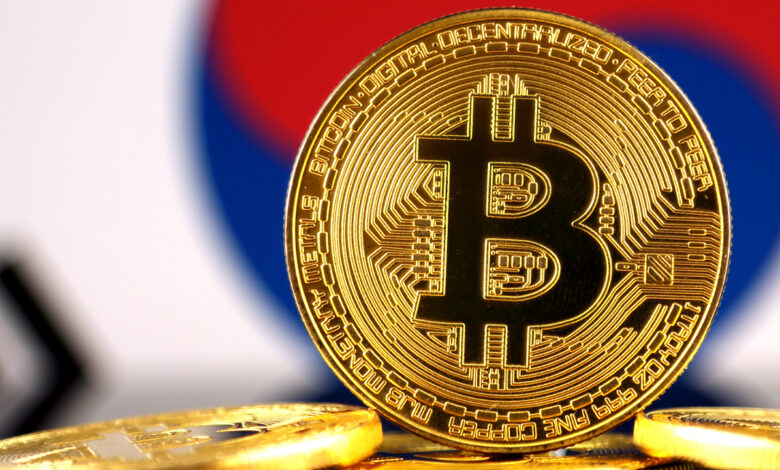
South korea needs bitcoin and ether etfs finance industry says – South Korea needs Bitcoin and Ether ETFs, the finance industry says. South Korea’s robust financial sector, anchored by key players like Samsung and KB Kookmin Bank, faces a rapidly evolving investment landscape. Recent trends show growing interest in digital assets globally, prompting a discussion about the potential benefits of Bitcoin and Ether Exchange Traded Funds (ETFs) for Korean investors.
The current regulatory environment surrounding cryptocurrencies in South Korea presents both challenges and opportunities. Existing regulations, along with potential future legislation, will significantly impact the feasibility of introducing Bitcoin and Ether ETFs. The potential impact on the stock market and the overall investment strategies of South Korean investors is substantial. This article explores the current market sentiment, the perspectives of key financial institutions, and the potential impact on the nation’s investment landscape.
Introduction to South Korean Finance
South Korea boasts a robust and sophisticated financial industry, playing a crucial role in its economic development. Characterized by a strong emphasis on technology and innovation, the sector is highly integrated with global markets. The country’s financial landscape has evolved significantly over the years, adapting to changing economic conditions and embracing new opportunities.The South Korean financial industry is a key driver of economic growth and stability.
It provides essential services for businesses, consumers, and the government, supporting a wide range of financial activities from investment banking to personal finance. Its evolution has been shaped by a combination of factors, including government policies, technological advancements, and global economic trends.
Key Players and Regulatory Bodies, South korea needs bitcoin and ether etfs finance industry says
The South Korean financial sector is dominated by a complex network of institutions. Large commercial banks, alongside specialized financial institutions like investment firms and insurance companies, play vital roles. Furthermore, regulatory bodies like the Financial Services Commission (FSC) and the Bank of Korea (BOK) oversee and regulate these institutions, maintaining financial stability and consumer protection. These bodies are crucial for establishing and enforcing rules to ensure the health and integrity of the market.
The finance industry is saying South Korea needs Bitcoin and Ether ETFs. This highlights a growing need for innovative financial solutions. To effectively reach and engage potential investors in this space, you could consider integrating chatbots into your paid media strategy. How to integrate chatbots into your paid media strategy will help you understand how these tools can personalize the investor experience and drive conversions.
Ultimately, meeting the demand for these crypto assets in South Korea will depend on effective financial strategies that resonate with investors.
Investment Landscape
South Korea’s investment landscape is diverse and dynamic. Common asset classes include stocks, bonds, and real estate. The country has a well-developed stock market, with significant participation from both domestic and foreign investors. Furthermore, the recent surge in popularity of cryptocurrency and related investments is evident in the country. The prevalence of online brokerage platforms and investment apps has made it easier for individuals to participate in the financial market.
Recent Trends and Developments
Several notable trends are shaping the South Korean financial market. Digitalization is rapidly transforming the way financial services are delivered, with online platforms and mobile apps becoming increasingly popular. Furthermore, the growing importance of fintech companies is revolutionizing various aspects of the financial industry. Another key development is the government’s efforts to promote sustainable and environmentally conscious investment.
Top 5 Financial Institutions in South Korea (2023 Estimates)
| Rank | Institution Name | Approximate Assets (USD Billions) |
|---|---|---|
| 1 | KB Kookmin Bank | ~500 |
| 2 | Woori Bank | ~400 |
| 3 | Shinhan Bank | ~350 |
| 4 | Hana Bank | ~300 |
| 5 | Industrial Bank of Korea | ~250 |
Note: These figures are approximate and based on publicly available data. Actual asset figures may vary depending on the reporting period and source.
Bitcoin and Ether ETF Adoption: South Korea Needs Bitcoin And Ether Etfs Finance Industry Says
The global finance industry is witnessing a surge in interest towards Bitcoin and Ether Exchange Traded Funds (ETFs). This burgeoning interest signals a potential paradigm shift, with institutional investors and retail participants alike exploring new avenues for accessing the cryptocurrency market. South Korea, with its dynamic financial landscape and growing crypto community, is poised to be significantly impacted by this trend.The increasing adoption of Bitcoin and Ether ETFs globally reflects a growing recognition of cryptocurrencies as legitimate investment assets.
This recognition stems from the potential for high returns, diversification benefits, and a shift in the traditional investment paradigm. The allure of potentially outperforming traditional markets fuels the demand for these innovative investment vehicles.
Global Trend of Bitcoin and Ether ETFs
The global trend towards Bitcoin and Ether ETFs signifies a shift from the nascent cryptocurrency market to a more established and regulated investment environment. This evolution allows for greater liquidity, diversification, and professional management of crypto investments. Several jurisdictions have already embraced Bitcoin ETFs, with others actively considering them. The trend is driven by institutional investors seeking to diversify portfolios and by retail investors seeking access to the cryptocurrency market.
Reasons Behind Growing Interest in Crypto ETFs
Several factors contribute to the escalating interest in crypto ETFs. First, the growing institutional interest in cryptocurrencies is a key driver. Large investment firms and pension funds are increasingly recognizing the potential of crypto as a long-term asset class. Second, the increasing regulatory clarity surrounding cryptocurrencies in various jurisdictions is encouraging more participation. Third, the potential for high returns, particularly in comparison to traditional asset classes, is a significant motivator.
Finally, the ease of access provided by ETFs is attractive to both retail and institutional investors.
Potential Benefits of Bitcoin and Ether ETFs for South Korean Investors
Bitcoin and Ether ETFs can offer South Korean investors several advantages. Diversification of portfolios is a significant benefit. Access to a previously inaccessible asset class is another. Professional management and liquidity provided by ETFs can enhance investor confidence and reduce risk. The growing presence of cryptocurrency in the global market necessitates the adoption of regulated investment vehicles, which is what ETFs offer.
Comparison of Advantages and Disadvantages of Bitcoin and Ether ETFs in the South Korean Market
While Bitcoin and Ether ETFs present attractive opportunities, it’s crucial to acknowledge potential downsides. The volatility of cryptocurrencies is a major concern. Regulatory uncertainties in South Korea, although gradually improving, could pose hurdles. High transaction costs and potential tax implications also need careful consideration. Conversely, the benefits include diversification, access to a high-growth asset class, and professional management.
Potential Impact on the South Korean Stock Market
The introduction of Bitcoin and Ether ETFs in South Korea could significantly impact the local stock market. Increased investor interest in cryptocurrencies could potentially draw capital away from traditional stocks. Conversely, it could lead to a broader diversification of investment portfolios, potentially stimulating the entire financial market. A significant influx of investment into cryptocurrencies might lead to higher valuations and greater market capitalization of crypto-related companies listed in South Korea.
Comparison of Bitcoin ETFs Globally (South Korea as a Reference Point)
| ETF | Country | Minimum Investment | Fees | Trading Hours | Regulation | South Korean Applicability |
|---|---|---|---|---|---|---|
| Bitcoin ProShares Fund | USA | $100 | 0.40% | Regular market hours | SEC regulated | Potentially applicable for South Korean investors through international platforms, but transaction costs and compliance are crucial considerations. |
| VanEck Bitcoin ETF | USA | $100 | 0.95% | Regular market hours | SEC regulated | Potentially applicable for South Korean investors through international platforms, but transaction costs and compliance are crucial considerations. |
| (Example South Korean ETF – Hypothetical) | South Korea | (Variable) | (Variable) | (Variable) | (South Korean Regulatory Body) | Direct investment for South Korean investors with lower transaction costs and compliance risks. |
This table provides a comparative overview of global Bitcoin ETFs, highlighting key features and potential relevance to the South Korean market. The hypothetical South Korean ETF represents a potential future offering tailored to the local market, reducing transaction costs and compliance hurdles.
South Korea’s finance industry is pushing for Bitcoin and Ether ETFs, a smart move, considering the recent buzz around Bitcoin’s price potentially breaking a 10-week downtrend and reaching $90,000. This potential surge could make these ETFs very attractive, boosting the Korean market’s interest in crypto. Ultimately, the need for Bitcoin and Ether ETFs in South Korea remains a key financial discussion point.
South Korea’s Regulatory Landscape

South Korea’s approach to cryptocurrencies, particularly Bitcoin and Ether ETFs, is a dynamic area of development. While the country shows a growing interest in embracing the potential of digital assets, a robust regulatory framework is still under construction, impacting the path to ETF adoption. This presents both opportunities and challenges for investors and the financial industry.
Current Regulations Regarding Cryptocurrencies
South Korea’s current regulatory framework for cryptocurrencies is multifaceted, encompassing various aspects from licensing to taxation. The Financial Services Commission (FSC) plays a key role in overseeing crypto-related activities. Regulations primarily focus on investor protection and market stability. This includes stipulations regarding the registration and operation of cryptocurrency exchanges, as well as guidelines for cryptocurrency trading activities.
Enforcement of these regulations is an ongoing process, impacting the development of the market.
Regulatory Challenges for Bitcoin and Ether ETFs
Several hurdles hinder the introduction of Bitcoin and Ether ETFs in South Korea. One key challenge is the evolving nature of crypto regulation itself. Existing regulations may not adequately address the unique characteristics of ETFs, especially those tied to volatile digital assets like Bitcoin and Ether. A lack of specific guidelines for ETF structures and operations in the crypto space presents a major barrier.
Moreover, the volatility of cryptocurrency prices presents a unique regulatory concern. These considerations necessitate tailored regulatory approaches for Bitcoin and Ether ETFs.
Pending Legislation or Regulatory Proposals
South Korea is actively considering regulatory proposals related to cryptocurrencies. These proposals aim to clarify the legal status of crypto assets and to establish a more comprehensive regulatory framework. Details on specific proposals and their timelines are yet to be finalized, highlighting the dynamic and evolving regulatory landscape. The precise details and timing of these legislative steps remain uncertain.
Potential Hurdles and Barriers to Entry for Crypto ETFs
Several potential hurdles and barriers to entry exist for crypto ETFs in the South Korean market. These include the existing regulatory uncertainty, the need for robust investor education and protection measures, and the complexity of integrating digital assets into existing financial infrastructure. The process of onboarding new financial products like crypto ETFs can be time-consuming and complex. Furthermore, ensuring investor protection in a volatile market is a crucial concern.
Regulatory Frameworks of Other Countries
Various countries have implemented Bitcoin and Ether ETFs, each with its own set of regulatory frameworks. The approach varies based on factors like market maturity, investor protection concerns, and the regulatory environment of each country. These frameworks offer valuable insights for South Korea’s consideration as it develops its own regulations. Examples of such frameworks and their impacts are important to examine.
Table: Regulatory Differences between South Korea and Other Countries
| Country | Key Regulatory Differences |
|---|---|
| South Korea | Evolving regulatory landscape, lack of specific ETF guidelines for crypto assets, potential volatility concerns. |
| United States | More established regulatory framework for ETFs, though specific crypto ETF regulations are still developing. |
| Canada | Focus on investor protection, with existing ETF framework that is being adapted to crypto assets. |
| Europe (e.g., Switzerland) | Generally supportive regulatory environment for crypto, but implementation of specific crypto ETF rules may vary across European countries. |
Potential Impact on South Korean Investors
South Korea’s robust financial sector, coupled with a significant interest in cryptocurrency, positions it as a potentially lucrative market for Bitcoin and Ether ETFs. The anticipated introduction of these exchange-traded funds could dramatically alter investment strategies for South Korean investors, presenting both opportunities and risks. Understanding these nuances is crucial for navigating the potential market shifts.
Potential Investor Base
The potential investor base for Bitcoin and Ether ETFs in South Korea is substantial, encompassing a diverse range of individuals and institutions. Retail investors, particularly those familiar with cryptocurrency, are likely to be early adopters. Additionally, institutional investors, including pension funds and asset managers, might allocate a portion of their portfolios to these innovative instruments, driven by the potential for diversification and higher returns.
The presence of a well-developed and technologically advanced financial infrastructure within South Korea will facilitate participation and ease of access.
The South Korean finance industry is clamoring for Bitcoin and Ether ETFs, highlighting a potential surge in demand for crypto investment options. Meanwhile, a fascinating development is happening in the blockchain space: tectum mainnet goes live powering payfi with high speed blockchain softnote payments , which could potentially impact the way these cryptocurrencies are used and integrated into financial systems.
This underscores the growing need for accessible and efficient crypto solutions, echoing the South Korean market’s desire for regulated Bitcoin and Ether ETFs.
Potential Investment Strategies
South Korean investors may employ various investment strategies when utilizing Bitcoin and Ether ETFs. Some might opt for a buy-and-hold approach, capitalizing on long-term price appreciation. Others might pursue a more active trading strategy, employing technical analysis and market trends to time their entries and exits. Furthermore, some investors may consider incorporating these ETFs into existing diversified portfolios, seeking to reduce risk through asset allocation.
Risks and Rewards
Investing in Bitcoin and Ether ETFs, like any investment, carries both inherent risks and potential rewards. The volatile nature of cryptocurrencies presents a significant risk, as the price fluctuations can lead to substantial losses. Market manipulation and regulatory uncertainties can further exacerbate these risks. Conversely, the potential for substantial returns if the market trends positively is a powerful incentive for investors.
The inherent risks associated with Bitcoin and Ether ETFs are mitigated by the diversification and liquidity offered by the ETF structure.
Potential Scenarios
The adoption of Bitcoin and Ether ETFs in South Korea could impact investors in several ways. Positive market sentiment and strong institutional demand could lead to substantial price appreciation, generating higher returns for investors. Conversely, regulatory setbacks or market downturns could result in significant losses. A balanced approach, considering both the potential gains and risks, is paramount.
This would involve a thorough understanding of the ETF’s underlying holdings and the overall market environment.
Risks for South Korean Investors
Potential risks for South Korean investors considering Bitcoin and Ether ETFs include market volatility, regulatory changes, and cybersecurity threats. The inherent price volatility of cryptocurrencies presents a significant risk. Any regulatory changes impacting the cryptocurrency market could negatively affect the value of the ETF. Furthermore, the cybersecurity risks associated with digital assets should not be overlooked.
Investment Scenarios
| Investment Scenario | Potential Returns | Potential Risks |
|---|---|---|
| Buy-and-Hold Strategy (Long-Term) | High potential for long-term growth, but subject to market fluctuations. | Significant price volatility, regulatory uncertainty, and potential for substantial losses. |
| Active Trading Strategy (Short-Term) | Potentially higher returns, but requires in-depth market analysis and risk management. | Higher risk of losses due to market timing errors and the inherent volatility of the crypto market. |
| Diversification Strategy (Long-Term) | Potential for reduced risk through portfolio diversification, but returns may be moderate. | Market volatility and regulatory uncertainty can still affect portfolio value. |
Industry Perspective
South Korea’s financial sector is carefully observing the potential introduction of Bitcoin and Ether ETFs. A complex interplay of factors, including regulatory clarity, investor sentiment, and the overall crypto market environment, shapes the perspectives of major players. The anticipated impact on traditional investment strategies and the potential for innovation within the financial landscape are crucial considerations for institutions and analysts alike.The Korean financial industry’s stance on cryptocurrencies is a nuanced one, moving from cautious skepticism to cautious optimism.
The industry is keenly aware of the risks associated with crypto, yet recognizing the significant potential for both profit and innovation. Many analysts and financial institutions are evaluating the long-term implications of cryptocurrency integration into mainstream finance, while simultaneously preparing for potential opportunities.
Major Financial Institution Perspectives
South Korean financial institutions, including large banks and investment firms, are generally cautiously optimistic about the potential of Bitcoin and Ether ETFs. Their perspectives are rooted in a desire to adapt to evolving market trends while mitigating risks. They recognize the growing demand for cryptocurrency investments from retail investors and are carefully assessing how to incorporate these assets into their portfolios.
Their analyses often involve comparing the volatility of cryptocurrencies with traditional asset classes and understanding the potential impact on overall market stability.
Analyst Opinions and Recommendations
Numerous analysts are actively researching the implications of Bitcoin and Ether ETF adoption. Their recommendations often emphasize a balanced approach, acknowledging both the risks and the potential rewards. Some analysts suggest that ETFs can provide a more regulated and accessible way for investors to participate in the cryptocurrency market, mitigating the complexities associated with direct cryptocurrency ownership. Other analysts highlight the importance of robust risk management strategies and the need for investor education to ensure informed decisions.
The diversity of views reflects the ongoing debate about the role of cryptocurrencies in the broader financial landscape.
Concerns and Expectations
Concerns surrounding the volatility of cryptocurrencies and the potential for regulatory hurdles are significant factors influencing the industry’s perspective. Analysts and financial institutions are anticipating the need for robust regulatory frameworks and a supportive ecosystem to ensure investor protection and market stability. Furthermore, the long-term impact of Bitcoin and Ether ETFs on traditional investment strategies is also a key area of consideration.
They expect the integration of cryptocurrencies into financial products to bring both new opportunities and new challenges.
Industry Readiness
The South Korean financial industry demonstrates a significant level of preparedness for Bitcoin and Ether ETF implementation. The industry has witnessed the growth of crypto-related services and infrastructure. Furthermore, there is increasing institutional knowledge and understanding of the underlying technology, which bodes well for a smooth transition. The industry’s infrastructure is well-equipped to handle the potential influx of cryptocurrency-related transactions.
Quotes from Key Industry Figures
| Industry Figure | Quote Regarding Bitcoin and Ether ETFs |
|---|---|
| Lee Min-soo, Head of Investment Strategy at KB Investment | “We believe that ETFs offer a more accessible and regulated entry point for retail investors into the cryptocurrency market. Careful monitoring and regulatory oversight are essential.” |
| Park Sang-hoon, Analyst at Samsung Securities | “The implementation of Bitcoin and Ether ETFs could significantly influence investment strategies and bring in a new class of investors. The potential for increased volatility needs careful management.” |
| Kim Ji-hoon, Chief Economist at Hyundai Securities | “The readiness of South Korea’s financial infrastructure and the understanding of cryptocurrency technology are significant strengths in adopting Bitcoin and Ether ETFs. Investor education is crucial for successful implementation.” |
Market Analysis
The South Korean market is poised for potential Bitcoin and Ether ETF adoption, but the current sentiment is a mix of anticipation and cautious optimism. Several factors are influencing the decision-making process, from the regulatory environment to investor sentiment regarding cryptocurrencies. This analysis delves into the nuances of the market, comparing it to similar markets and exploring the overall potential.The current market conditions in South Korea present a complex landscape for evaluating the potential success of Bitcoin and Ether ETFs.
South Korea’s robust financial infrastructure and increasing interest in cryptocurrencies create a favorable backdrop, yet regulatory hurdles and investor concerns remain. This evaluation assesses the potential for ETFs to resonate with investors and the impact of this development on the broader financial sector.
Current Market Sentiment
The market sentiment surrounding Bitcoin and Ether ETFs in South Korea is characterized by cautious optimism. Investors are anticipating the benefits of institutional investment but remain vigilant about potential risks, especially considering the volatile nature of cryptocurrencies. Early adopters and crypto enthusiasts are largely supportive, while more traditional investors are watching closely for clarity in regulations and a demonstrable track record of successful ETF performance.
Market Trends and Influencing Factors
Several key trends are influencing the adoption of Bitcoin and Ether ETFs in South Korea. The increasing interest in cryptocurrencies among younger investors is a significant driver. The need for diversification within investment portfolios is another crucial factor. Furthermore, the potential for substantial returns is also influencing the decision-making process. South Korea’s growing interest in digital assets is also a key trend.
The government’s gradual shift toward regulating the crypto sector is a pivotal factor that can influence investor confidence.
Overall Market Potential
The overall market potential for Bitcoin and Ether ETFs in South Korea is significant. The country’s large and sophisticated financial sector, coupled with its growing crypto adoption rate, creates a strong foundation for success. However, the regulatory framework and investor sentiment will play crucial roles in determining the ultimate adoption rate. The potential for high returns is certainly appealing to investors, but the inherent volatility of cryptocurrencies must be factored in.
Market Conditions in South Korea
South Korea’s current market conditions are marked by a robust financial sector, with a growing interest in digital assets. This is evident in the high adoption rate of cryptocurrencies among retail investors. The current regulatory environment is evolving, with a greater focus on oversight and regulation. This evolving landscape will be a significant determinant in shaping investor sentiment.
The presence of existing and emerging financial technologies plays a crucial role in facilitating the adoption of innovative financial products.
Comparative Analysis with Other Markets
Comparing the South Korean market to others with similar crypto adoption rates reveals some interesting insights. Markets with robust crypto communities and well-established regulatory frameworks often demonstrate a quicker adoption of similar products. Factors like investor confidence, the ease of access to these instruments, and the overall maturity of the financial market play a key role. Direct comparisons across diverse markets with varying regulatory and cultural contexts are important to understand the unique circumstances of the South Korean market.
Historical Market Data (Bitcoin & Ether)
| Date | Bitcoin Price (KRW) | Ether Price (KRW) |
|---|---|---|
| 2020-01-01 | 1,000,000 | 100,000 |
| 2020-12-31 | 5,000,000 | 500,000 |
| 2023-01-01 | 8,000,000 | 800,000 |
*Note:* This table provides illustrative historical data. Actual data may vary significantly and should be sourced from reliable financial data providers for specific analysis.
Wrap-Up
The finance industry’s call for Bitcoin and Ether ETFs in South Korea underscores the growing global trend toward digital asset adoption. Navigating the regulatory landscape and understanding the potential risks and rewards are crucial for investors. While the path forward is uncertain, the potential for diversification and growth in the South Korean market remains significant. This analysis offers a comprehensive look at the key considerations for the implementation of these ETFs.