Senator Warrens Crypto Debanking Hearing
Senator elizabeth warren crypto debanking hearing – Senator Elizabeth Warren’s crypto debanking hearing delves into the complex world of digital currencies and financial regulations. The hearing promises a detailed examination of the risks and opportunities presented by cryptocurrencies, potentially influencing the future of the industry and its relationship with traditional finance.
The hearing, featuring testimony from various experts and stakeholders, is expected to cover a broad spectrum of issues, including the potential for widespread debanking of crypto firms, specific concerns regarding crypto risks, and proposed policy changes to address those concerns. The context surrounding the hearing includes recent regulatory developments and ongoing debates about the role of crypto in the financial system.
Overview of the Hearing
The Senator Elizabeth Warren hearing on crypto debanking focused on the potential for financial institutions to restrict or cut off services to crypto companies and customers. This action, often termed “debanking,” raises concerns about the stability and accessibility of the cryptocurrency market. The hearing aimed to understand the motivations behind such actions and the potential consequences for consumers and the broader financial system.The hearing sought to explore the regulatory gaps and the need for clearer guidelines in the rapidly evolving crypto space.
It investigated whether current financial regulations adequately address the risks associated with crypto firms and the potential for widespread financial disruption. The hearing also considered the impact on innovation and financial inclusion.
Key Arguments Presented
The hearing involved arguments from various perspectives. Senators argued that the lack of regulatory clarity concerning cryptocurrencies contributed to uncertainty for financial institutions. They highlighted the potential for fraud and illicit activities in the crypto space, which could harm consumers and the broader financial system. The senators questioned whether current regulatory frameworks adequately addressed the risks associated with crypto companies.Witnesses representing crypto companies and financial institutions presented differing viewpoints.
Some witnesses argued that current regulations were sufficiently comprehensive to address the risks. Others argued that existing rules were inadequate and potentially discriminatory, potentially hindering innovation in the crypto space. Some witnesses stressed the importance of consumer protection in the crypto market.
Context Surrounding the Hearing
The hearing occurred against a backdrop of recent events in the cryptocurrency market, including significant price fluctuations and several high-profile bankruptcies of crypto companies. The hearing also considered the increasing regulatory scrutiny of the crypto industry, with various countries and jurisdictions proposing or implementing new regulations. This regulatory landscape is dynamic and poses challenges for both established financial institutions and innovative crypto firms.The growing popularity of decentralized finance (DeFi) and other crypto-related services prompted the need for a more nuanced understanding of their implications for the financial system.
Hearing Agenda
- Introduction and Opening Statements: The hearing commenced with opening remarks from Senator Warren and other senators, outlining the objectives and concerns of the hearing. Witnesses were given the opportunity to make introductory statements, providing their perspective on the issues at hand.
- Expert Testimony: This section featured testimony from financial experts and regulators. Their testimony shed light on the regulatory challenges associated with crypto firms, the potential risks of debanking, and the need for a robust regulatory framework.
- Discussion and Q&A: This segment involved questions from senators to witnesses, aiming to delve deeper into the concerns surrounding debanking and the potential impacts on the financial system. The senators sought clarification on the motivations behind financial institutions’ decisions to debank crypto firms and customers.
- Closing Statements: The hearing concluded with closing remarks from senators and witnesses, summarizing their key arguments and reiterating their concerns. The final remarks also addressed the potential solutions and next steps for the cryptocurrency industry.
Senator Warren’s Position
Senator Elizabeth Warren’s stance on cryptocurrencies is characterized by a cautious approach, highlighting the potential risks to consumers and the financial system. Her concerns extend beyond mere speculation, encompassing issues of consumer protection, regulatory oversight, and the stability of the broader financial market. This perspective aligns with her long-standing advocacy for consumer rights and financial regulation.Her scrutiny of cryptocurrencies stems from the perceived lack of adequate safeguards against fraud, market manipulation, and illicit activities.
She recognizes the disruptive potential of cryptocurrencies but emphasizes the need for robust regulations to ensure fairness and prevent harm to vulnerable investors.
Senator Warren’s Concerns Regarding Crypto Risks
Senator Warren’s primary concerns revolve around the inherent volatility and lack of transparency in the cryptocurrency market. She recognizes the potential for substantial losses for investors, particularly those with limited financial literacy. The decentralized nature of cryptocurrencies raises significant concerns about regulatory oversight, creating challenges in preventing money laundering and other criminal activities. The anonymity inherent in many crypto transactions exacerbates this risk.
These concerns have been consistently expressed in her public statements and legislative proposals.
Key Policy Proposals of Senator Warren
Senator Warren has consistently advocated for policies that strengthen consumer protection and regulatory oversight in the cryptocurrency sector. These proposals include:
- Enhanced consumer protections to safeguard investors from fraud and manipulation.
- Robust regulatory frameworks to ensure the safety and soundness of cryptocurrency exchanges and platforms.
- Clearer guidelines and regulations for stablecoins to prevent disruptions to financial markets.
- Improved mechanisms to detect and prevent illicit activities, such as money laundering, that may be facilitated by cryptocurrencies.
These proposed policies aim to strike a balance between fostering innovation and mitigating the risks associated with this emerging technology.
Comparison with Other Policymakers’ Views, Senator elizabeth warren crypto debanking hearing
Senator Warren’s approach to crypto regulation often differs from those who advocate for minimal government intervention. While some policymakers prioritize fostering innovation in the crypto space, Senator Warren emphasizes consumer protection and financial stability. For example, Senator Warren has criticized the lack of oversight in the stablecoin market, contrasting with other perspectives that emphasize the potential benefits of stablecoins in facilitating financial transactions.
Historical Context of Senator Warren’s Views on Financial Regulation
Senator Warren’s approach to financial regulation is rooted in her experience and advocacy for consumer protection. Her views on the need for robust oversight in the financial sector are deeply entrenched in her understanding of systemic risks and the importance of protecting vulnerable consumers. Throughout her career, Senator Warren has consistently championed consumer-focused regulations, including those related to predatory lending and financial institutions.
Senator Warren’s crypto debanking hearing is raising some serious questions about the future of the industry. While the focus is on regulatory oversight, recent events like the mev bot 180k loss access control exploit highlight the vulnerabilities inherent in decentralized finance. This underscores the need for robust security measures, something that Senator Warren’s hearing is likely to delve into further.
Her advocacy reflects a commitment to ensuring fair and transparent markets that protect ordinary individuals from financial exploitation.
Senator Warren’s View on Debanking
Senator Warren’s views on debanking are inextricably linked to her broader concerns about financial institutions’ potential to engage in discriminatory practices or to undermine financial inclusion. She has expressed concern about the potential for crypto firms to be used as vehicles for financial exclusion or to enable illicit activities. She has also expressed concern that crypto companies may be complicit in these activities.
Her focus on consumer protection and financial stability has driven her interest in these issues, particularly regarding the implications of debanking for vulnerable communities.
Witness Testimony and Expert Opinions
The Senator Warren hearing on crypto debanking delved into the complexities of the digital asset space, featuring testimony from various experts. Their insights, often contrasting, painted a picture of a nascent industry grappling with regulatory challenges and potential risks. This exploration of diverse perspectives provided crucial context for understanding the implications of crypto’s growth and the need for robust oversight.
Key Witness Arguments
The hearing showcased a spectrum of perspectives on the risks and opportunities within the crypto industry. Witnesses presented arguments ranging from concerns about consumer protection and financial stability to the potential benefits of innovation and financial inclusion. These varying viewpoints highlight the multifaceted nature of the crypto debate and the difficulty in reaching consensus.
- Financial Institutions and Regulatory Concerns: Several witnesses from traditional financial institutions expressed worries about the stability of the crypto market and its potential impact on the broader financial system. They highlighted the risks of illicit activities, money laundering, and the lack of consumer protections within the crypto ecosystem. Their arguments focused on the urgent need for regulatory frameworks to mitigate these risks, ensuring a level playing field, and protecting vulnerable investors.
- Crypto Industry Representatives and Innovation: Conversely, representatives from the crypto industry emphasized the potential for innovation and financial inclusion that cryptocurrencies offer. They argued that the technology has the potential to improve access to financial services, particularly for underserved populations. Their testimony focused on the potential benefits of decentralized finance (DeFi) and the need for a regulatory environment that fosters innovation without stifling progress.
- Consumer Protection Advocates: Advocates for consumer protection voiced concerns about the lack of consumer safeguards within the crypto market. They highlighted instances of scams, fraud, and the difficulty consumers face in navigating the complex landscape of digital assets. Their arguments stressed the importance of robust consumer protection measures, including clear disclosure requirements and investor education initiatives.
Comparison of Expert Opinions
The hearing revealed significant differences in expert opinions regarding the future of crypto. While some experts emphasized the need for stringent regulation to prevent illicit activities and protect consumers, others highlighted the potential for crypto to revolutionize finance. The conflicting perspectives underscored the lack of consensus on the optimal approach to regulating this rapidly evolving technology.
| Expert Group | Key Arguments | Potential Implications |
|---|---|---|
| Financial Institutions | Crypto poses risks to financial stability, and regulatory oversight is crucial. | Increased scrutiny and regulation could slow down adoption, potentially hindering innovation. |
| Crypto Industry | Crypto offers potential for financial inclusion and innovation. Regulation should encourage, not hinder, progress. | Lack of adequate regulation could lead to unchecked growth and potential for greater financial instability. |
| Consumer Advocates | Consumer protection is lacking in the crypto market; robust safeguards are necessary. | Implementing consumer protection measures could enhance investor confidence and potentially increase adoption. |
Potential Implications for the Future of Crypto
The varied witness testimonies suggest a future where crypto’s development is intertwined with robust regulatory frameworks. The implications of these testimonies extend beyond the immediate debate, potentially shaping the long-term trajectory of cryptocurrencies. The hearing’s outcomes could influence the development of comprehensive regulations, fostering a more secure and stable ecosystem. Examples from other industries, like the development of banking regulations in response to financial crises, demonstrate the importance of careful consideration when regulating emerging technologies.
Senator Warren’s crypto debanking hearing is definitely a hot topic right now, and it’s interesting to see how it might connect to other financial moves. For example, Robinhood’s recent launch of a betting markets hub ( robinhood launches betting markets hub ) raises some intriguing questions about the future of financial services and potentially the regulatory landscape. It’s a fascinating time to consider how these developments could influence the ongoing discussion surrounding crypto and financial institutions.
Such regulatory frameworks, designed with input from all stakeholders, could ensure that crypto benefits society while mitigating risks.
Potential Impacts on the Crypto Industry
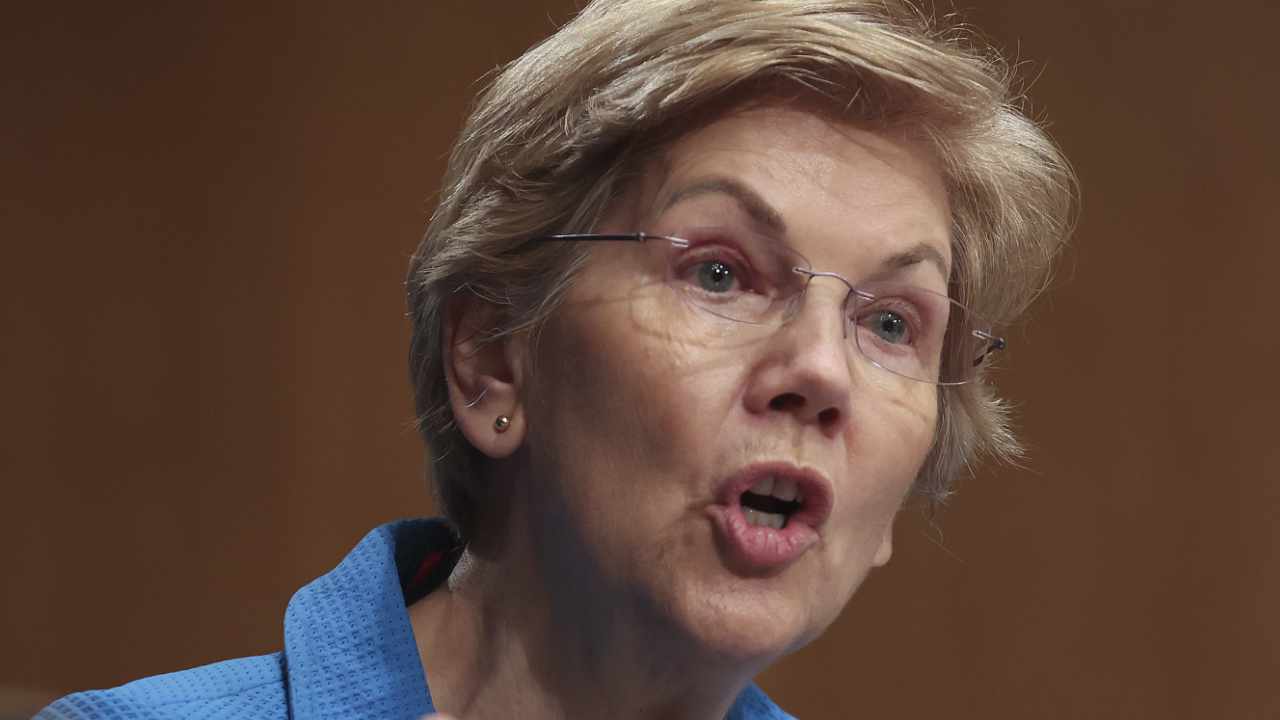
The Senator Warren hearing on crypto debanking represents a significant moment for the digital asset industry. This scrutiny, focusing on the potential risks and vulnerabilities within the sector, is poised to reshape the landscape, prompting both immediate and long-term consequences for businesses and investors alike. The hearing’s impact will reverberate across the entire ecosystem, affecting everything from the day-to-day operations of crypto companies to the broader regulatory framework surrounding the industry.
Impact on Specific Industry Segments
The hearing’s implications extend across numerous segments of the crypto industry, potentially affecting their operations and future prospects. The following table illustrates potential impacts on various segments:
| Segment | Potential Impact | Explanation |
|---|---|---|
| Crypto Exchanges | Increased Scrutiny and Regulatory Compliance | Exchanges face pressure to enhance security measures, implement robust Know Your Customer (KYC) protocols, and ensure compliance with evolving regulatory requirements. This might lead to increased operational costs and potential limitations on certain services. |
| DeFi Platforms | Potential for Restrictions and Increased Scrutiny | Decentralized finance (DeFi) platforms could face restrictions on their operations, especially if they are perceived as operating outside existing financial regulations. The risk of regulatory actions impacting their access to financial services and user base is significant. |
| Stablecoins | Increased Regulatory Oversight | Stablecoins, designed to maintain a pegged value to traditional currencies, are likely to face increased scrutiny and potential regulatory requirements regarding their backing and reserve mechanisms. This could impact their stability and user trust. |
| Crypto Companies Offering Lending Services | Potential for Increased Compliance Costs and Operational Changes | Companies offering crypto-based lending services may face heightened regulatory requirements, leading to increased compliance costs and operational changes. This could impact their profitability and ability to compete in the market. |
Short-Term and Long-Term Consequences for Crypto Companies
Short-term consequences might include immediate pressure to enhance security protocols and compliance measures. This could result in increased operational costs and potential delays in service rollouts. Long-term consequences are more multifaceted. The hearing’s findings could influence future regulatory frameworks, impacting the long-term viability of specific crypto business models and the overall regulatory landscape for the industry. For instance, companies operating in grey areas of regulation might face significant challenges in securing long-term viability.
Impact on Investor Confidence and Market Sentiment
The hearing’s potential impact on investor confidence is significant. Negative perceptions and increased regulatory uncertainty could lead to decreased investment in crypto assets. This could result in a decline in market capitalization and potentially affect the price volatility of cryptocurrencies. Conversely, a positive outcome, demonstrating responsible regulation, could bolster investor confidence and drive further investment. A notable example is the reaction to the SEC’s enforcement actions, which often lead to short-term market fluctuations.
Impact on the Regulatory Environment for Crypto
The hearing could significantly influence the regulatory environment for crypto. The potential for new regulations, stricter enforcement, or clarification of existing rules will shape the industry’s future. A crucial outcome is the level of clarity and consistency that emerges from this regulatory scrutiny. Increased clarity and a more defined regulatory framework, while potentially restricting some aspects of the crypto market, could ultimately foster greater trust and long-term stability.
Influence on the Development of Future Crypto Regulations
The hearing’s outcomes can directly shape the development of future crypto regulations. The specific issues raised, such as debanking concerns, could lead to new legislation targeting particular aspects of the crypto industry. The public discourse and expert opinions presented during the hearing will heavily influence the direction and approach of future regulatory efforts. Examples of this can be seen in how legislative responses to financial crises often shape future regulatory practices.
Public Response and Reactions
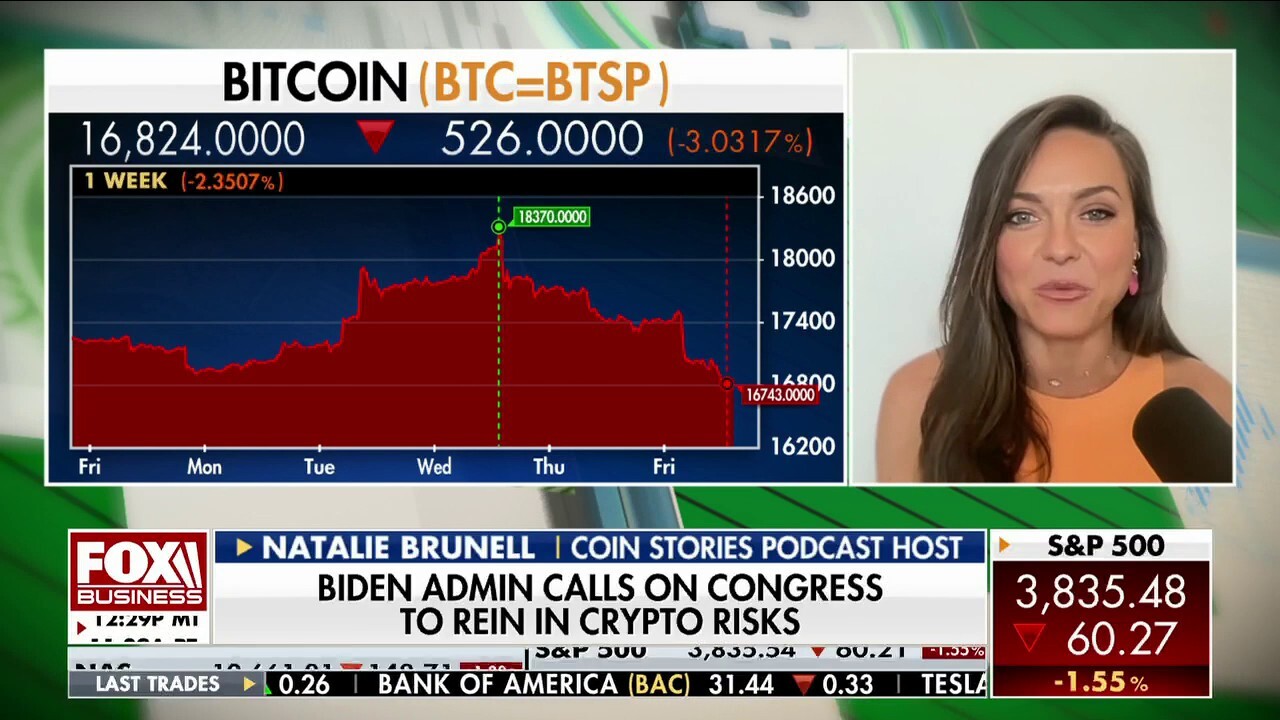
The Senator Warren hearing on crypto debanking generated significant public response, encompassing a wide spectrum of opinions. Public reaction to the hearing is crucial for understanding how the public perceives the crypto industry and its regulation. This diverse feedback, from financial experts to everyday investors, offers valuable insight into the ongoing debate surrounding the future of cryptocurrencies.The public’s reaction to the hearing reflects the complex and often polarized nature of the cryptocurrency debate.
Individuals, groups, and organizations expressed diverse views, often based on their perceived financial interests, knowledge of the subject matter, and their political leanings. Understanding these varied viewpoints is essential for analyzing the potential impact of the hearing on policy decisions.
Public Reaction Summary
The public’s reaction to the Senator Warren hearing on crypto debanking was diverse, encompassing both support for and criticism of the proposed regulatory measures. A significant portion of the public is engaged in ongoing discussions and debates about the implications of the hearing.
Senator Elizabeth Warren’s crypto debanking hearing is definitely raising some eyebrows. It’s all about the potential risks of crypto, but it also connects to the current market trends, like how USDT, a stablecoin, might be influencing Bitcoin’s price. Recent analysis shows that USDT mints bitcoin price , and that’s a key factor in the ongoing debate surrounding the industry’s future.
This is a crucial point to consider when discussing the overall regulatory framework for cryptocurrencies. The hearing will hopefully address these concerns and provide clarity for the future of crypto.
| Source | Reaction | Summary |
|---|---|---|
| Social Media (Twitter, Reddit, etc.) | Mixed | Social media platforms saw a surge in discussions, with both enthusiastic support for the hearing and criticism of its potential impact on the industry. Some users argued the hearing was necessary to protect consumers, while others worried about potential overregulation. |
| Crypto Enthusiasts | Negative | Many crypto enthusiasts voiced concern about the potential for stricter regulations to stifle innovation and growth in the cryptocurrency market. They highlighted the potential for reduced accessibility to financial services for crypto users. |
| Financial Institutions | Cautious | Financial institutions displayed a cautious stance, observing the hearing’s potential impact on their operations and potential risks to their customers’ investment portfolios. Their response often emphasized the need for clear regulatory frameworks to minimize uncertainty. |
| Traditional Investors | Mixed | Traditional investors displayed mixed reactions. Some viewed the hearing as a positive step towards greater financial stability in the cryptocurrency market, while others expressed concerns about potential market volatility and the impact on their investments. |
Different Viewpoints Expressed
Public opinion regarding the Senator Warren hearing encompassed various perspectives. Some saw the hearing as a necessary step towards protecting consumers from fraudulent schemes, while others perceived it as a potential impediment to innovation in the cryptocurrency market.
Media Coverage and Public Statements
Numerous news outlets covered the hearing, highlighting different viewpoints and potential consequences. Statements from prominent crypto advocates and industry figures were widely reported, reflecting the polarized nature of the discussion. For instance, articles highlighted statements from various crypto organizations and individuals who either supported or opposed the proposed regulations. The coverage showcased the diversity of public opinion.
Influence of Public Opinion on Policy Decisions
Public opinion plays a significant role in shaping policy decisions. The government often considers public sentiment when formulating regulations, as evidenced by numerous historical examples. The responses to the Senator Warren hearing may influence future legislative actions and regulatory approaches concerning cryptocurrencies. The government might choose to adjust its regulatory strategy in light of the public’s reaction.
Responses from Crypto Advocacy Groups
Crypto advocacy groups, like the Chamber of Digital Commerce, are likely to respond to the hearing by advocating for policies that protect the industry while addressing consumer concerns. Their responses might involve lobbying efforts to influence legislation, educational campaigns to inform the public, and collaborations with regulatory bodies to establish clear guidelines. These groups may also organize protests or rallies to advocate for their positions.
Regulatory Implications
The Senator Warren hearing on crypto debanking highlighted significant concerns about the lack of clear regulatory frameworks for cryptocurrencies. The potential for systemic risk, consumer protection issues, and the need for regulatory oversight were central themes. This hearing underscores the urgent need for a robust regulatory approach to cryptocurrencies, addressing the unique challenges posed by this rapidly evolving market.The cryptocurrency sector has witnessed unprecedented growth and innovation, but it has also been plagued by volatility and risks.
This necessitates a careful and considered regulatory response that balances innovation with consumer protection and financial stability. The hearing’s findings will undoubtedly shape future discussions and decisions regarding crypto regulations.
Potential Implications for Future Financial Regulations
The hearing’s focus on the regulatory gaps in the cryptocurrency sector will likely spur broader changes in financial regulations. Expect a stronger emphasis on transparency, consumer protection, and anti-money laundering (AML) measures within the broader financial ecosystem. Furthermore, there’s a high probability of stricter oversight for digital asset service providers. This includes scrutinizing their KYC/AML practices and their risk management strategies.
Proposed Changes in Regulation
| Current Regulation | Proposed Change | Rationale |
|---|---|---|
| Limited regulation for cryptocurrencies | Establishment of clear regulatory frameworks for different crypto activities (e.g., exchanges, stablecoins, lending platforms) | To mitigate systemic risks, protect consumers, and promote market integrity. |
| Varying state-level regulations for crypto | Harmonization of state and federal regulations | To avoid regulatory arbitrage and create a consistent regulatory environment across the country. |
| Lack of specific regulations for stablecoins | Specific regulations for stablecoins addressing their potential for use in illicit activities and their impact on financial stability. | To mitigate the risks associated with stablecoins and ensure their use is aligned with financial stability goals. |
Regulatory Frameworks for Cryptocurrencies
The hearing explored several regulatory frameworks for cryptocurrencies, including those based on existing securities laws, commodity laws, and potentially a dedicated crypto-specific framework. The discussion revolved around the appropriateness of each approach and the challenges in applying existing frameworks to the dynamic nature of the crypto market. The need for a comprehensive and adaptable framework that addresses evolving technologies and practices was highlighted.
Regulatory Approaches in Other Jurisdictions
| Jurisdiction | Approach | Key Characteristics |
|---|---|---|
| United States | Securities-based approach (SEC) and Commodity-based approach (CFTC) | Differing interpretations and enforcement by different agencies lead to uncertainty. |
| European Union | Harmonized approach emphasizing AML and consumer protection | A unified approach to regulate crypto assets across member states, but with ongoing debates and adaptations. |
| Switzerland | Licensing and registration-based approach | A more permissive approach, focusing on licensing and registration of crypto service providers. |
Challenges and Opportunities Associated with Regulatory Changes
The implementation of new regulations will face challenges such as balancing innovation with regulation, ensuring regulatory clarity, and adapting to the ever-evolving nature of the crypto market. The potential opportunities include fostering market integrity, protecting consumers, and reducing systemic risks. The need for collaboration between regulators, industry participants, and academics is crucial to navigate these complexities.
Illustrative Examples: Senator Elizabeth Warren Crypto Debanking Hearing
The recent Senate hearing on crypto debanking highlighted the complexities and risks inherent in the rapidly evolving digital asset space. Understanding specific examples of different cryptocurrencies, the firms facing scrutiny, and the impact on financial institutions is crucial for evaluating the potential ramifications of regulatory action. This section provides concrete illustrations to contextualize the discussion.
Cryptocurrency Types, Risks, and Benefits
Different cryptocurrencies have distinct characteristics, leading to varying degrees of risk and potential reward. This table categorizes some common types and their associated attributes.
| Cryptocurrency Type | Risk | Benefit |
|---|---|---|
| Bitcoin (BTC) | High volatility, regulatory uncertainty, potential for scams and hacks | Established market, widely accepted in some sectors, potential for high returns |
| Ethereum (ETH) | Dependence on the Ethereum network, smart contract vulnerabilities, high gas fees | Decentralized platform for applications, NFTs, and other decentralized finance (DeFi) services, large community support |
| Stablecoins | Risks associated with underlying assets, potential for insolvency, susceptibility to manipulation | Lower volatility compared to other cryptocurrencies, facilitate transactions and financial services |
| Non-Fungible Tokens (NFTs) | Speculative nature, lack of established secondary markets, potential for fraud | Unique ownership and verification, potential for investment and artistic expression, new revenue streams |
Examples of Crypto Firms Facing Scrutiny
Several crypto companies have faced regulatory challenges in recent years. These challenges often stem from issues related to compliance, market manipulation, and investor protection.
- Coinbase: The exchange has been under scrutiny for its compliance procedures and practices related to Know Your Customer (KYC) and Anti-Money Laundering (AML) regulations. The company’s handling of customer funds and security protocols have also been examined.
- FTX: The collapse of FTX in 2022 served as a stark reminder of the risks inherent in the crypto space, particularly regarding financial stability and customer trust. The event highlighted the need for robust regulatory oversight and sound risk management practices.
- Celsius Network: The company’s difficulties underscore the importance of maintaining sufficient reserves and managing liquidity in a volatile market. This case further emphasized the dangers of over-leveraging and poor financial practices in the crypto sector.
Instances of Crypto Debanking
Crypto debanking, the refusal of financial institutions to provide services to crypto companies or individuals, has become a significant issue.
- Specific instances are often not publicly disclosed due to legal and reputational concerns for banks involved. However, the pattern is clear: banks are increasingly cautious about their exposure to cryptocurrencies, especially in light of regulatory uncertainties and the risk of reputational damage.
Role of Financial Institutions in the Crypto Space
Financial institutions play a critical role in the crypto ecosystem, whether as providers of services or as potential targets for risks.
- Many banks provide traditional financial services to crypto companies, including custody services and payment processing. However, the recent regulatory climate has prompted a cautious approach.
- The evolving role of banks is influenced by regulatory pressures, the perceived risks of cryptocurrencies, and the need to maintain compliance and financial stability.
Financial Institution Reactions to the News
Financial institutions respond to news related to crypto debanking in various ways, ranging from immediate action to cautious observation.
- Some institutions may quickly limit or halt services to crypto-related businesses, driven by compliance concerns or a desire to avoid regulatory issues.
- Others might take a more measured approach, closely monitoring developments and adjusting their strategies as needed to navigate the evolving regulatory landscape.
Outcome Summary
Senator Elizabeth Warren’s crypto debanking hearing has ignited a crucial discussion about the future of cryptocurrencies and their integration with the traditional financial system. The testimonies and arguments presented will undoubtedly shape public opinion and potentially influence policy decisions regarding crypto regulation. The hearing’s potential impacts on the crypto industry, from investor confidence to regulatory frameworks, are significant and deserve careful consideration.