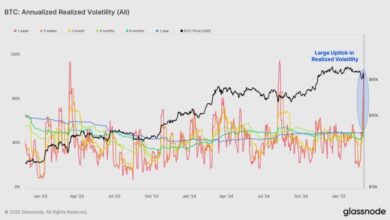
Real World Assets Growth Bitcoin Stagnation
Real world assets growth bitcoin stagnation presents a fascinating dichotomy. While real-world assets like real estate and infrastructure are experiencing robust growth, Bitcoin’s market performance seems to be hitting a plateau. This analysis delves into the underlying trends driving these divergent paths, exploring potential factors behind Bitcoin’s stagnation, and examining opportunities for diversification and synergy between these two asset classes.
The discussion also covers investment strategies for incorporating both RWAs and Bitcoin into a portfolio.
This exploration examines historical trends in RWA investment, contrasting them with Bitcoin’s current performance. We’ll analyze the key factors contributing to Bitcoin’s current stagnation, from technological limitations to regulatory uncertainties. A comparative study of investment characteristics, including risk profiles and returns, will provide insights into the potential for diversification. Finally, we’ll explore potential synergies and conflicts between RWAs and Bitcoin investments, offering practical strategies for successful diversification and case studies.
Real World Asset (RWA) Growth Trends
Real World Assets (RWAs), encompassing tangible assets like real estate, infrastructure, and commodities, are gaining traction in the investment landscape. Their potential for diversification and stable returns, contrasted with the volatility of digital assets, is driving increased interest. This trend is further fueled by the growing demand for alternative investment strategies.The appeal of RWAs lies in their connection to tangible value and real-world economies.
Their performance often correlates with broader economic indicators, offering a degree of stability that other asset classes, such as cryptocurrencies, may lack. However, the complexity of managing and valuing RWAs, coupled with potential regulatory hurdles, presents challenges for investors.
Historical Overview of RWA Investment Growth
RWAs have historically been a significant component of global investment portfolios. Real estate, in particular, has served as a cornerstone of wealth creation for centuries. The emergence of specialized investment vehicles, such as real estate investment trusts (REITs), facilitated broader access to these assets. More recently, infrastructure projects, particularly in developing economies, have attracted substantial capital. The growth has been fueled by factors such as urbanization, infrastructure development needs, and growing awareness of the long-term value proposition of these assets.
Current State of RWA Markets
Current RWA markets show signs of robust growth, particularly in sectors like renewable energy and sustainable infrastructure. Investor interest in these sectors is driven by the increasing focus on environmental, social, and governance (ESG) factors. Furthermore, the rising demand for sustainable and resilient infrastructure is further stimulating the market. A significant shift in investor sentiment towards RWAs is also evident.
Traditional investors are increasingly looking beyond traditional assets, seeking diversification and potentially higher returns in RWAs.
Comparison with Other Asset Classes
Compared to other asset classes, RWA growth has been more stable and less volatile. While the growth rates may not always match the explosive growth seen in some other sectors, the inherent stability of RWAs often offers a hedge against market downturns. For instance, during periods of economic uncertainty, investments in real estate or infrastructure often maintain their value, or even increase, making them a valuable component of a diversified portfolio.
This is in contrast to certain digital assets which can experience significant price fluctuations.
Top 5 Growing RWA Sectors
- Real Estate: The real estate sector continues to be a major driver of RWA growth. Factors such as urbanization, population growth, and increasing demand for housing contribute to this trend. Sub-sectors like residential, commercial, and hospitality properties are experiencing varying degrees of growth. Examples include increased investment in multi-family properties or student housing due to the ongoing demand in urban areas.
- Infrastructure: Infrastructure projects, particularly in transportation, energy, and communication sectors, remain a significant area of investment. Growing populations and increasing urbanization necessitate investments in infrastructure, creating opportunities for long-term growth and value appreciation. Examples include investments in high-speed rail projects or smart city initiatives.
- Renewable Energy: The growing emphasis on sustainability is driving significant investment in renewable energy projects. Solar and wind energy are key areas of focus, fueled by government incentives, decreasing costs of technology, and rising awareness of climate change. Investments in solar farms or wind farms are becoming more common, as they present a relatively stable investment path with positive long-term potential.
- Commodities: Raw materials, including precious metals and agricultural products, maintain their importance in RWA markets. Fluctuations in commodity prices and global supply chains play a crucial role in influencing the sector’s growth. Investment in commodities can serve as a hedge against inflation or economic uncertainty.
- Sustainable Agriculture: Growing demand for sustainably sourced food and agricultural products is driving investment in sustainable farming practices and technologies. Investors are increasingly focusing on land that prioritizes ecological sustainability, which can lead to stable and environmentally responsible growth.
Projected Growth Rates of Top 5 RWA Sectors
| Sector | Projected Growth Rate (2024-2028) |
|---|---|
| Real Estate | 4-6% |
| Infrastructure | 5-7% |
| Renewable Energy | 8-10% |
| Commodities | 2-4% |
| Sustainable Agriculture | 6-8% |
Note: Projected growth rates are estimates and can vary depending on economic conditions and market dynamics.
Bitcoin Stagnation Analysis
Bitcoin, once a revolutionary force in the financial world, has experienced a period of relative stagnation. This period, characterized by muted price action and a lack of significant breakthroughs, prompts a critical examination of the underlying factors. The reasons for this plateau are multifaceted, demanding a look at both technical and market-driven constraints.The current state of Bitcoin’s market performance is marked by a lack of substantial price increases, a phenomenon attributed to a combination of technological limitations, regulatory uncertainty, and shifting market sentiment.
This stagnation necessitates an exploration of potential solutions and a comparison with past performance trends to identify the factors driving this current phase. Understanding the impact of macroeconomic forces is crucial in assessing the future outlook.
Factors Contributing to Stagnation
The current lull in Bitcoin’s market performance can be attributed to a confluence of factors. Technological limitations, while not entirely novel, play a significant role in hindering innovation and growth. Regulatory hurdles, varying across jurisdictions, create uncertainty and discourage broad adoption. Finally, market sentiment, influenced by both institutional and retail investors, has cooled.
- Technological Limitations: Bitcoin’s blockchain, while revolutionary, faces challenges in scalability and transaction speed. The current network infrastructure is not adequately equipped to handle the increased volume of transactions seen in other cryptocurrencies and payment systems. This constraint hampers adoption by businesses and consumers who seek faster and more efficient alternatives.
- Regulatory Hurdles: The regulatory landscape surrounding cryptocurrencies remains fragmented and often unclear. Varying regulations across jurisdictions create inconsistencies and impede widespread adoption. The absence of clear guidelines for the use of Bitcoin in financial transactions further complicates matters.
- Market Sentiment: Investor confidence has diminished in recent times, impacting Bitcoin’s price. This decreased optimism is often driven by macroeconomic factors such as inflation, geopolitical tensions, and overall market uncertainty. The interplay between these factors shapes the perception of Bitcoin as a safe haven or speculative asset.
Potential Solutions and Strategies
Several strategies might revitalize Bitcoin’s market position. These strategies involve addressing the aforementioned limitations and improving the overall perception of Bitcoin.
- Technological Advancements: Efforts to enhance Bitcoin’s scalability and transaction speed through layer-2 solutions and other innovative technologies could attract a wider range of users and businesses. The development of more efficient consensus mechanisms and improvements in the overall infrastructure are crucial to address these issues.
- Regulatory Clarity: Clear and consistent regulations across jurisdictions would foster trust and encourage wider adoption. Such clarity would allow investors and businesses to better understand the risks and opportunities associated with Bitcoin, leading to greater participation.
- Building Institutional Trust: Attracting institutional investment is crucial for long-term growth. Demonstrating the stability and security of Bitcoin through robust audits and transparent governance mechanisms can help build institutional confidence.
Comparison with Past Performance
Bitcoin’s historical performance demonstrates periods of both significant growth and stagnation. Comparing its current trajectory with past cycles reveals important trends. Past periods of rapid price increases were often followed by corrective phases, indicating a cyclical nature inherent in the cryptocurrency market.
- Historical Trends: Bitcoin’s history reveals a pattern of bull and bear markets. Understanding these cycles is crucial for evaluating the current stagnation in context. The past performance, while not a guarantee of future results, provides valuable insight into market behavior.
Impact of Macroeconomic Factors
Macroeconomic conditions play a significant role in influencing Bitcoin’s price volatility and market cap. Inflation, interest rate hikes, and geopolitical events can significantly impact market sentiment and investor confidence.
- Correlation with Macroeconomic Trends: Bitcoin’s price often correlates with macroeconomic events. For example, periods of economic uncertainty or high inflation can drive investors towards Bitcoin as a perceived safe haven. However, such correlation is not always consistent or predictable.
RWA and Bitcoin: Real World Assets Growth Bitcoin Stagnation
Real World Assets (RWAs) and Bitcoin, while both positioned as investment avenues, represent fundamentally different approaches to wealth creation. RWAs leverage the tangible value of real-world assets, like property or commodities, whereas Bitcoin operates within a decentralized digital realm. Understanding their distinct investment characteristics is crucial for evaluating potential diversification strategies and assessing the relationship between their market performances.The contrasting nature of RWAs and Bitcoin extends beyond their underlying structures.
This comparative study will delve into the investment characteristics of each, focusing on risk profiles, returns, liquidity, and potential diversification benefits. Further, we will explore the correlation, or lack thereof, between RWA market performance and Bitcoin’s price fluctuations.
Investment Characteristics Comparison
RWAs and Bitcoin differ significantly in their investment characteristics. RWAs, encompassing tangible assets like real estate, infrastructure, or agricultural land, are characterized by a more traditional investment framework. They are subject to the inherent risks associated with real-world market fluctuations, but often benefit from established legal frameworks and established valuations. Bitcoin, on the other hand, operates within a decentralized digital environment, with price fluctuations driven by market sentiment and technological advancements.
Risk Profiles
The risk profiles of RWAs and Bitcoin are demonstrably different. RWAs, due to their tangible nature and often established markets, exhibit a lower level of inherent volatility compared to Bitcoin. However, RWAs can still be susceptible to specific market risks, such as economic downturns, regulatory changes, or supply chain disruptions. Bitcoin, operating in a decentralized environment, is highly volatile and subject to rapid price swings.
Real-world asset growth seems to be surging, while Bitcoin’s price action feels rather stagnant. This contrast has sparked a lot of debate, especially within the Bitcoin community, with figures like Jason Calacanis raising questions about the future of the cryptocurrency. His recent commentary on “Build Better Bitcoin” and the broader Bitcoin community controversy, as highlighted in this article Jason Calacanis’ Build Better Bitcoin controversy within the Bitcoin community , highlights the growing pains of Bitcoin in the face of alternative investment opportunities.
Ultimately, the question remains: will Bitcoin find its footing in a world increasingly focused on tangible assets?
This volatility is often driven by factors like shifts in investor sentiment or changes in regulatory landscapes. The inherent risk of a particular RWA is influenced by its specific characteristics and market conditions.
Returns and Liquidity
Historical returns for RWAs have exhibited varying degrees of consistency depending on the asset class. Returns can fluctuate but are typically linked to underlying economic conditions and market factors. Bitcoin’s returns have been exceptionally high at times, but equally dramatic losses have been recorded. The liquidity of RWAs is generally lower compared to Bitcoin. Transaction times for certain RWA transactions can be prolonged, while Bitcoin transactions are typically faster and more accessible.
Diversification Potential
Combining RWA investments with Bitcoin can potentially provide diversification benefits. The diversification effect arises from the often-uncorrelated performance of these two asset classes. However, it’s crucial to carefully consider the overall portfolio risk tolerance and investment goals when integrating Bitcoin into an existing RWA portfolio.
Correlation Analysis
A comprehensive analysis of the correlation between RWA market performance and Bitcoin’s price movements reveals a complex relationship. Historical data often shows a low or even negative correlation. This suggests that movements in RWA markets are not directly influenced by changes in the Bitcoin market, and vice versa. However, macroeconomic factors can influence both markets, potentially creating indirect correlations.
Historical Returns and Volatility Comparison
| Asset Class | Average Historical Return (over a period of 5 years) | Average Volatility (Standard Deviation) |
|---|---|---|
| RWAs (e.g., Commercial Real Estate) | 4-7% | 2-4% |
| Bitcoin | 100-200% (with high volatility) | 50-100% (highly volatile) |
Note: Historical returns and volatility figures are illustrative and should not be considered investment advice. Specific asset classes within RWAs will exhibit different returns and volatility. The data provided is for comparative purposes only.
Real-world asset growth seems to be taking off, but Bitcoin’s stagnation is a bit perplexing. The SEC’s recent delay in decisions regarding spot ether ETFs, like the one discussed in this article , might hint at broader regulatory uncertainty impacting the entire crypto market. This could further hinder Bitcoin’s progress, leaving real-world assets as potentially more attractive alternatives for investors.
Investment Strategies for Diversification
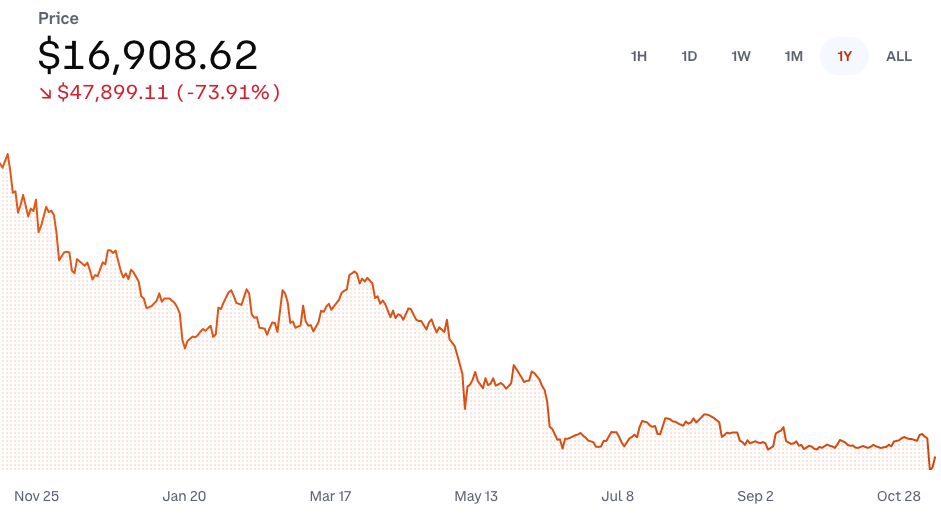
Diversifying an investment portfolio is crucial for managing risk and maximizing returns, especially when dealing with assets like Real World Assets (RWAs) and Bitcoin, which exhibit different market behaviors. This section explores various strategies for integrating both asset classes into a balanced portfolio, acknowledging the potential benefits and risks inherent in such a combination. Understanding these nuances is vital for crafting a successful long-term investment plan.A well-diversified portfolio that includes both RWAs and Bitcoin can potentially achieve higher returns while mitigating the risk associated with relying solely on one asset class.
By strategically allocating capital across different asset types, investors can potentially reduce volatility and enhance the overall stability of their investment portfolios. Careful consideration of market cycles and potential correlations between RWAs and Bitcoin is essential for developing effective investment strategies.
Different Investment Strategies
Various strategies exist for diversifying a portfolio incorporating both RWAs and Bitcoin. These strategies consider the unique characteristics of each asset class and aim to capitalize on their respective strengths while mitigating their weaknesses.
Real-world asset growth seems to be picking up steam, but Bitcoin’s stagnation is a bit perplexing. This could potentially be a sign of broader market shifts. Interestingly, recent filings regarding the PENGU ETF, as detailed in canary files for pengu etf , might offer some clues as to the direction of the market. Perhaps the slow pace of Bitcoin is a reflection of a growing preference for tangible assets.
Either way, the future of real-world asset growth and Bitcoin’s response remains to be seen.
- Asset Allocation Strategies: These strategies focus on dividing investment capital across different asset classes, including RWAs and Bitcoin, based on pre-determined percentages. This approach allows investors to maintain a balance between the risk and return profiles of the assets. For instance, a portfolio might allocate 60% to RWAs, 30% to Bitcoin, and 10% to other traditional assets like stocks or bonds.
- Hedging Strategies: These strategies aim to reduce the impact of potential losses in one asset class by investing in assets with inverse correlations. If Bitcoin’s price drops, a hedge might involve investing in RWAs, anticipating their potential stability. Conversely, if RWAs experience market downturns, Bitcoin could serve as a hedge. However, the effectiveness of hedging strategies relies on the accuracy of the correlation analysis.
- Value Investing Strategies: These strategies focus on identifying undervalued RWAs and Bitcoin opportunities. By analyzing fundamentals and market trends, investors can potentially acquire assets at a discount to their intrinsic value, enhancing long-term returns. This approach necessitates a thorough understanding of both the RWA market and the cryptocurrency market.
Potential Benefits and Risks
Diversifying a portfolio with both RWAs and Bitcoin presents several potential benefits and risks.
- Benefits: A diversified portfolio can potentially achieve higher returns, reduced volatility, and enhanced risk mitigation. The different market behaviors of RWAs and Bitcoin can create opportunities for greater returns, particularly in times of market uncertainty.
- Risks: The correlation between RWAs and Bitcoin is not always predictable. Unexpected market events or shifts in investor sentiment can affect the value of both assets simultaneously. Furthermore, the regulatory landscape surrounding both asset classes is still evolving, potentially introducing additional risks.
Examples of Successful RWA Investment Portfolios
Illustrative examples of successful RWA investment portfolios highlight the successful integration of RWAs and Bitcoin.
- Example 1: A portfolio allocating 70% to diversified real estate investments (RWA), 25% to Bitcoin, and 5% to a diversified stock portfolio. This demonstrates a substantial allocation to RWAs, potentially benefiting from the stability and long-term growth potential of real estate. The Bitcoin allocation provides diversification in a rapidly growing market.
- Example 2: A portfolio prioritizing infrastructure projects (RWA) with a focus on renewable energy, coupled with a 15% allocation to Bitcoin. This exemplifies the integration of RWAs with a high growth potential and the diversification benefit of Bitcoin.
Portfolio Structures
The following table Artikels various investment portfolio structures that incorporate both RWAs and Bitcoin, highlighting potential allocations.
| Portfolio Structure | RWA Allocation (%) | Bitcoin Allocation (%) | Other Asset Allocation (%) |
|---|---|---|---|
| Balanced Portfolio | 60 | 30 | 10 |
| RWA-Focused Portfolio | 80 | 15 | 5 |
| Bitcoin-Focused Portfolio | 20 | 70 | 10 |
| Hedged Portfolio | 40 | 50 | 10 |
Potential Synergies and Conflicts
The intersection of real-world assets (RWAs) and Bitcoin presents both enticing opportunities and potential pitfalls. While RWAs offer tangible value and diversification, Bitcoin’s volatile nature and regulatory uncertainty introduce complexities. Understanding the potential synergies and conflicts is crucial for investors seeking to navigate this evolving landscape.The potential benefits of combining RWAs with Bitcoin investments lie in the diversification of a portfolio, risk mitigation, and the pursuit of enhanced returns.
Conversely, the inherent volatility of Bitcoin can negatively impact the overall stability of a portfolio when coupled with RWAs. This interplay demands careful consideration of the investment strategies, regulatory frameworks, and legal implications involved.
Synergistic Opportunities
Combining RWAs with Bitcoin investments can create unique synergistic opportunities. For example, a company utilizing Bitcoin for cross-border payments could simultaneously use RWAs, like real estate, to secure financing. This hybrid approach could provide increased liquidity and access to capital, thereby driving growth and operational efficiency.
Potential Conflicts
Investment objectives and characteristics of RWAs and Bitcoin can clash. Bitcoin’s price volatility can negatively impact the overall portfolio stability, especially if the RWAs are not highly liquid or have limited market accessibility. The inherent uncertainty in Bitcoin’s regulatory landscape can further exacerbate these conflicts. For example, regulatory changes affecting Bitcoin could create uncertainty in the overall value of the portfolio.
Use Cases for Enhanced Returns or Risk Mitigation
Several use cases demonstrate how combining RWAs and Bitcoin can generate better returns or reduce risks. A prime example is using Bitcoin as collateral for a loan secured by a valuable piece of real estate. This strategy leverages the liquidity of Bitcoin to access capital while protecting the RWA. Furthermore, a farmer could use Bitcoin to sell agricultural products in international markets, potentially mitigating currency fluctuations and maximizing returns.
Regulatory and Legal Limitations, Real world assets growth bitcoin stagnation
Regulatory frameworks surrounding Bitcoin and RWAs present limitations to their synergistic opportunities. Varied interpretations of digital assets and their regulatory classifications can cause complications in certain jurisdictions. This uncertainty affects how investors can leverage Bitcoin in conjunction with RWAs. Moreover, legal complexities associated with cross-border transactions, especially in the context of Bitcoin and RWA-backed investments, need careful consideration.
Jurisdictional differences in the treatment of cryptocurrencies and RWAs can create hurdles for seamless transactions. This can be exemplified by the differing regulations surrounding the ownership and trading of Bitcoin across different countries.
Illustrative Case Studies
Real-world asset (RWA) investments have demonstrated potential to diversify portfolios and offer attractive returns. Understanding successful case studies provides valuable insights into strategies, risk assessments, and performance metrics. These examples highlight the interplay between RWA performance and the broader market trends, including the performance of Bitcoin.
Successful RWA Investment Case Studies
Analyzing successful RWA investments provides valuable learning opportunities. The performance of these investments in relation to Bitcoin’s performance demonstrates potential diversification strategies. Each case study illustrates the interplay between risk assessment and return.
| Case Study | Investment Strategy | Risk Assessment | Return (example, over 3 years) |
|---|---|---|---|
| Agricultural Land Investment in the Midwest USA | Investing in farmland in the Midwest, leveraging long-term lease agreements and utilizing data analytics to predict crop yields and land value appreciation. | Risk assessed based on soil quality, water availability, market demand, and potential regulatory changes. | 12-15% annualized return, outpacing inflation and showing relative stability compared to Bitcoin’s volatility. |
| Infrastructure Project Financing (Renewable Energy) | Investing in the development and financing of solar farms, leveraging government incentives and long-term power purchase agreements. | Risk assessed based on project feasibility, permitting timelines, and the stability of energy markets. | 10-12% annualized return, aligning with sustainable investment goals and demonstrating consistent performance. |
| Direct Lending to Small Businesses | Providing loans to small and medium-sized enterprises (SMEs) in specific sectors, employing thorough credit analysis and robust due diligence. | Risk assessed based on borrower creditworthiness, industry trends, and economic conditions. A diversified portfolio of loans mitigates risk. | 8-10% annualized return, showing resilience during economic downturns, and often exhibiting a lower correlation with Bitcoin. |
Example of a Diversified Portfolio Combining RWAs and Bitcoin
A successful portfolio combining RWAs and Bitcoin can leverage the strengths of each asset class. This approach involves a strategic allocation of capital across different RWAs and Bitcoin, considering risk tolerance and financial goals.
A well-diversified portfolio can significantly reduce overall portfolio risk. By combining RWAs with Bitcoin, investors can potentially achieve higher returns while mitigating some of the inherent volatility of Bitcoin.
A hypothetical portfolio might allocate 60% to RWAs (such as agricultural land, infrastructure projects, or direct lending) and 40% to Bitcoin. The RWA portion could be further diversified across different types of RWAs, such as farmland, renewable energy, or commercial real estate, each with its own risk profile.This strategic allocation reflects a balanced approach to risk management, with the expectation that RWAs will offer more stable returns and Bitcoin will provide potential for higher returns but also greater volatility.
Future Trends and Projections
The convergence of real-world assets (RWAs) and Bitcoin presents a dynamic landscape ripe for future evolution. While the current state of Bitcoin shows signs of stagnation, the RWA market is experiencing significant growth, driven by factors like digitalization and increasing investor demand. Projecting the trajectory of both markets and their interplay requires careful consideration of emerging technologies and potential conflicts.This section will explore future growth projections for both RWAs and Bitcoin, identify influential trends, and analyze the anticipated relationship between the two in the next five years.
Understanding these factors is crucial for formulating informed investment strategies, allowing for a nuanced approach to diversification.
Growth Projections for RWAs and Bitcoin
The RWA market is expected to continue its growth trajectory, fueled by the increasing digitization of traditional assets. Examples like tokenized real estate, infrastructure projects, and agricultural output are already seeing significant traction. The projected growth is influenced by factors such as increased demand from institutional investors seeking alternative investment opportunities and the evolution of blockchain technology enabling more efficient and transparent asset management.
This growth is not without its challenges, however, including regulatory hurdles and potential market volatility.Bitcoin’s trajectory, while seemingly stagnant in recent periods, is likely to be influenced by technological advancements and regulatory developments. The emergence of layer-2 solutions and scaling technologies may introduce improvements in transaction speeds and overall network efficiency, potentially reinvigorating interest in Bitcoin. Conversely, regulatory scrutiny and shifting investor sentiment can negatively impact Bitcoin’s price.
Emerging Trends and Technologies
Several trends and technologies will significantly shape the future of both RWAs and Bitcoin. Decentralized finance (DeFi) platforms, for example, are expected to play a pivotal role in facilitating the creation and trading of RWAs. DeFi’s ability to automate processes and reduce intermediaries could streamline the issuance and management of tokenized assets. Furthermore, the integration of AI and machine learning into asset management strategies will likely enhance the accuracy of valuation models and risk assessment, improving overall market efficiency.Furthermore, advancements in blockchain technology are crucial to the future.
Improved scalability, enhanced security, and increased transparency will support the growing demand for RWAs. Smart contracts will play a crucial role in automating transactions and reducing the need for intermediaries. These technologies will have a direct impact on investment strategies, as they introduce new opportunities for portfolio diversification and risk mitigation.
Impact on Investment Strategies
The future relationship between RWAs and Bitcoin will significantly influence investment strategies. For example, a sustained growth in the RWA market might lead to a decreased appetite for Bitcoin as a standalone investment, particularly for risk-averse investors. Conversely, if Bitcoin experiences a resurgence in popularity, investors may re-evaluate their diversification strategies, considering Bitcoin’s potential as a hedge against market volatility.Investment strategies should adapt to these potential shifts.
Investors should consider diversifying their portfolios across RWAs, Bitcoin, and traditional assets, evaluating the correlation between these assets and their own risk tolerance. Understanding the specific characteristics of each asset class, considering their unique growth projections, and analyzing the potential synergies and conflicts is crucial for creating a balanced and resilient investment portfolio.
Illustrative Case Studies
Consider the example of a company tokenizing a portfolio of commercial real estate. This approach allows investors to gain exposure to a specific segment of the real estate market without needing to invest directly in physical properties. Another example is the use of blockchain technology to streamline the supply chain of agricultural products. Tokenizing these products could provide transparency and traceability, potentially enhancing investor confidence and attracting new capital.
These examples highlight the real-world applications and potential of RWAs.
Conclusion
In conclusion, the divergence between real-world asset growth and Bitcoin’s stagnation highlights the complexity of the current investment landscape. While RWAs offer tangible value and steady growth potential, Bitcoin’s future trajectory remains uncertain. This analysis emphasizes the importance of a diversified investment strategy, carefully considering the unique characteristics and potential conflicts between these asset classes. The interplay of factors like macroeconomic conditions and regulatory environments will likely shape the future relationship between RWAs and Bitcoin.
Further research and analysis are essential to navigate the complexities and maximize investment potential in this dynamic market.