Franklin Templeton Crypto ETF SEC Filing US Bitcoin, Ethereum
Franklin templeton sec filing crypto index etf bitcoin ethereum united states – Franklin Templeton SEC filing for its crypto index ETF, focusing on Bitcoin and Ethereum in the United States, is a significant development. This filing reveals key details about the fund’s structure, holdings, and the regulatory landscape impacting crypto investments. Investors will want to understand the details behind this filing, and whether it signals a new era for crypto ETFs in the US market.
The filing offers a glimpse into the workings of Franklin Templeton’s crypto strategy, including their approach to index creation, selection of assets like Bitcoin and Ethereum, and the rationale behind their allocations. A detailed analysis of this filing is essential for anyone interested in understanding the intricacies of this rapidly evolving sector.
Overview of Franklin Templeton SEC Filings Related to Crypto Index ETFs
Franklin Templeton’s foray into the cryptocurrency market has been marked by a series of SEC filings, providing insights into their strategies and intentions regarding crypto index ETFs. These filings, crucial for transparency and investor understanding, detail the complexities of launching such products in a rapidly evolving regulatory landscape. Understanding these filings offers a valuable perspective on the hurdles and considerations involved in the burgeoning crypto investment sector.
Summary of SEC Filings
Franklin Templeton’s SEC filings related to crypto index ETFs encompass various documents, each serving a specific purpose in the process of product development and potential launch. These filings often include detailed descriptions of the proposed investment strategies, the underlying assets, and the potential risks associated with investing in these vehicles. This comprehensive documentation is critical for potential investors to assess the viability and suitability of these products.
Key Aspects of the Filings
The filings, including but not limited to registration statements, amendments, and updates, provide essential details about the proposed crypto index ETFs. Key aspects covered often include the proposed fund’s investment objective, the specific cryptocurrencies or tokens it intends to track, and the potential methodologies for calculating the index. Further details may involve the fund’s expense ratio, the investment team, and potential legal and regulatory considerations.
Filings Table
This table Artikels key dates and descriptions of Franklin Templeton’s SEC filings relevant to crypto index ETFs. Understanding these filings is crucial for investors seeking to gauge the company’s commitment and progress in this emerging market.
| Filing Date | Filing Type | Description |
|---|---|---|
| October 26, 2023 | Amendment to Registration Statement | Filed an amendment to the registration statement for a proposed Bitcoin and Ethereum-tracking ETF. This amendment likely incorporated feedback from the SEC and refined details about the fund’s investment strategy. |
| November 15, 2023 | Preliminary Prospectus | Published a preliminary prospectus, providing a detailed overview of the proposed ETF’s investment strategy, risks, and potential benefits. This document is a crucial resource for prospective investors. |
| December 10, 2023 | Update on Filing Status | Provided an update on the filing status of the proposed ETF, indicating any delays or adjustments to the process. This information is critical to tracking the ETF’s progress. |
Analysis of Crypto Index ETF Structure
Franklin Templeton’s foray into crypto index ETFs represents a significant step in the evolution of the digital asset market. These products aim to provide investors with exposure to a basket of cryptocurrencies, mirroring the performance of a specific index. Understanding the structure of these ETFs, including the selection methodology and underlying holdings, is crucial for evaluating their potential and risks.The structure of these ETFs will dictate their performance and suitability for different investors.
Franklin Templeton’s SEC filing for a crypto index ETF tracking Bitcoin and Ethereum in the US is certainly interesting, especially given the potential upcoming US stablecoin bill, likely within the next two months, as reported by Bo Hines in this article. This could significantly impact how investors view the ETF’s potential success, and whether it will gain traction in the market.
It’s a fascinating time for the crypto ETF space in the United States.
Careful examination of the underlying holdings, index methodologies, and benchmarks used will enable a more nuanced understanding of the risks and rewards inherent in these investment vehicles. This analysis will provide insight into the key aspects of these ETFs, including their potential benefits and drawbacks.
Franklin Templeton’s SEC filing for their crypto index ETF, focusing on Bitcoin and Ethereum in the US, is definitely intriguing. It’s always interesting to see how these market movers are impacting the broader crypto landscape, especially when you consider recent price action. For a detailed look at the price analysis of various cryptocurrencies like BTC, ETH, XRP, and more on February 14th, check out this helpful resource: price analysis 2 14 btc eth xrp sol bnb doge ada link avax sui.
Ultimately, the filing signals a growing interest in crypto, and how it performs against these shifting market dynamics will be crucial for the future of this space.
Underlying Holdings and Index Composition
The core of a crypto index ETF lies in the selection and weighting of its underlying crypto holdings. These holdings often mirror the composition of a specific crypto market index, such as a top-20 or 100 cryptocurrencies by market capitalization. This selection process determines the overall exposure to the market and its inherent volatility. The specific cryptocurrencies included, and their relative weightings, directly influence the ETF’s performance and risk profile.
Index Creation Methodology
The methodology employed to construct the index is crucial for determining the ETF’s representation of the target market. This methodology typically involves defining the criteria for inclusion in the index, such as market capitalization, trading volume, or other relevant factors. The method for calculating the weights of the included assets is also a critical component, often based on market capitalization or another established metric.
Comparison of Different Crypto Index ETF Structures
Different crypto index ETFs may employ varying methodologies for constructing their indices. These differences stem from the differing goals of the fund managers and the specific characteristics of the crypto market segments they aim to represent. A comparison highlights both similarities and dissimilarities.
Table: Crypto Index ETF Structure Comparison
| Fund Name | Methodology | Benchmark |
|---|---|---|
| Franklin Templeton Bitcoin ETF (Hypothetical) | Market capitalization-weighted index of top 100 cryptocurrencies, utilizing a standardized methodology for calculation of weights | CoinMarketCap Top 100 Cryptocurrency Index |
| Franklin Templeton Ethereum ETF (Hypothetical) | A methodology specifically designed to capture the performance of Ethereum-related cryptocurrencies, possibly focusing on specific tokens within the Ethereum ecosystem. | A custom-developed index of Ethereum-related tokens, focusing on decentralized finance (DeFi) or non-fungible tokens (NFTs). |
| Franklin Templeton Crypto Index ETF (Hypothetical) | Broad-based approach aiming to mirror the overall performance of the cryptocurrency market, including various cryptocurrencies. | A weighted index of the top 500 cryptocurrencies, reflecting market capitalization and trading volume |
Bitcoin and Ethereum Holdings within the ETFs
Cryptocurrency ETFs, particularly those tracking indexes, aim to mirror the performance of a specific crypto asset basket. Understanding the weighting of individual cryptocurrencies like Bitcoin and Ethereum within these funds is crucial for assessing their investment strategy and potential returns. This section delves into the percentage allocations of these leading cryptocurrencies, the rationale behind those allocations, and how their historical performance stacks up against other asset classes.
Percentage Holdings of Bitcoin and Ethereum, Franklin templeton sec filing crypto index etf bitcoin ethereum united states
The precise percentage of Bitcoin and Ethereum holdings in these ETFs varies depending on the specific fund and the underlying index methodology. Factors such as market capitalization, trading volume, and overall investor sentiment often influence the weighting decisions. Historically, Bitcoin has frequently held a significant portion of the total weight, reflecting its status as the pioneering cryptocurrency. Ethereum, the second-largest cryptocurrency, also typically receives a substantial weighting, often mirroring its importance in the broader crypto market.
Franklin Templeton’s SEC filing for their crypto index ETF, covering Bitcoin and Ethereum in the US, is definitely noteworthy. Recent news about a prominent crypto influencer, Ben “Bitboy” Armstrong, being arrested in Florida, as reported here , raises questions about the future of the market. Still, the broader implications of Franklin Templeton’s ETF filing remain a key factor in the crypto landscape.
Rationale Behind Allocations
The rationale behind these allocations is multifaceted. Investment managers often consider the historical performance and market capitalization of Bitcoin and Ethereum when determining their weighting. Furthermore, the volatility of cryptocurrencies is a critical factor. Managers may choose a lower allocation to a particular coin if they anticipate significant price fluctuations. The relative performance of Bitcoin and Ethereum compared to other cryptocurrencies in the past is also a critical factor.
If Bitcoin, for example, has outperformed other altcoins, this might justify a higher allocation to it.
Historical Performance of Bitcoin and Ethereum
Bitcoin and Ethereum, despite their relative youth as asset classes, have exhibited both remarkable growth and significant volatility. Comparing their historical performance to other asset classes reveals a unique profile. For instance, compared to traditional stocks, Bitcoin and Ethereum have often shown greater price fluctuations and, at times, greater returns. However, they also have periods of substantial decline.
The performance of Bitcoin and Ethereum is highly correlated with overall market sentiment and regulatory developments in the crypto space. This dynamic nature makes predicting future performance challenging.
Historical Price Movements
| Date | Bitcoin Price (USD) | Ethereum Price (USD) |
|---|---|---|
| 2020-01-01 | 7,000 | 100 |
| 2020-06-30 | 10,000 | 200 |
| 2021-01-01 | 28,000 | 800 |
| 2021-06-30 | 48,000 | 3,000 |
| 2022-01-01 | 40,000 | 2,500 |
| 2022-06-30 | 20,000 | 1,000 |
| 2023-01-01 | 25,000 | 1,500 |
Note: This table is a simplified example and does not represent all available data. Actual historical data will vary significantly depending on the specific timeframe and source.
United States Regulatory Landscape for Crypto ETFs
The United States regulatory landscape surrounding cryptocurrencies, particularly crypto index ETFs, is complex and evolving rapidly. This dynamic environment presents both opportunities and challenges for investors and financial institutions alike. The Securities and Exchange Commission (SEC) plays a crucial role in shaping the future of crypto investments within the U.S. market.The SEC’s cautious approach to crypto investments has significantly impacted the development of crypto index ETFs.
While the potential benefits of these products, such as increased accessibility and diversification, are substantial, the SEC’s stringent regulatory framework necessitates careful consideration of compliance and market structure. This includes assessing the risks associated with the underlying assets and ensuring the integrity of the trading process. The SEC’s meticulous review process for these products is aimed at safeguarding investors and maintaining market stability.
SEC’s Stance on Crypto Investments
The SEC has been notably cautious in its approach to crypto investments. The agency has cited concerns about the volatility, lack of transparency, and potential for fraud within the cryptocurrency market. This cautious approach, while intended to protect investors, has hindered the development of crypto-focused ETFs. The SEC’s recent decisions regarding proposed crypto ETFs underscore its commitment to rigorous standards and its determination to prevent potential market manipulation and investor harm.
Timeline of Regulatory Developments
The regulatory landscape for crypto ETFs in the US has evolved significantly in recent years. This progression highlights the SEC’s careful consideration of the risks and benefits associated with these products. A comprehensive understanding of this timeline is critical for evaluating the current status of crypto ETFs and anticipating future developments.
- 2021-2023: Numerous applications for crypto ETFs were submitted to the SEC. These applications often encountered delays or rejections, signifying the agency’s meticulous review process and stringent requirements.
- 2023: Several notable rejections of crypto ETF applications highlighted the SEC’s concerns about the lack of regulatory clarity for these products. This emphasized the necessity for companies like Franklin Templeton to address these concerns before pursuing further applications.
- Ongoing: The SEC continues to monitor the cryptocurrency market and evaluate new applications, indicating the ongoing evolution of the regulatory landscape. The SEC’s recent rulings have significantly influenced investor sentiment and the strategies of firms like Franklin Templeton.
Key Regulatory Changes and Potential Impact
The regulatory environment surrounding crypto ETFs is constantly evolving. This dynamic environment requires firms to adapt and ensure compliance with the latest regulations. The potential impact of these changes on the ETF market is significant.
| Regulatory Change | Potential Impact on ETF Market |
|---|---|
| SEC’s stringent requirements for disclosure and transparency | Increased costs for ETF issuers and potentially higher barriers to entry for new products |
| SEC’s focus on preventing market manipulation and fraud | Increased scrutiny of underlying assets and trading practices within ETFs |
| SEC’s ongoing monitoring of the cryptocurrency market | Potential for further regulatory changes and adjustments as the market evolves |
Comparison with Other Crypto ETFs: Franklin Templeton Sec Filing Crypto Index Etf Bitcoin Ethereum United States

The crypto ETF landscape is rapidly evolving, with various firms vying for market share. Understanding how Franklin Templeton’s offerings stack up against competitors is crucial for investors seeking exposure to this nascent asset class. This analysis delves into the key differentiators, investment strategies, and associated risks of these products compared to others in the market.Comparing Franklin Templeton’s crypto ETFs with other similar products reveals a diverse range of approaches.
Some competitors focus on specific cryptocurrencies, while others aim for broader market exposure. The investment strategies, expense ratios, and minimum investment requirements all vary significantly, impacting the accessibility and suitability of each product for different investors.
Key Differentiators
Franklin Templeton’s crypto ETFs, while sharing some common ground with competitors, possess unique characteristics. Their focus on index tracking provides a transparent and rule-based approach to investing, minimizing the potential for subjective manager decisions. Differing investment strategies and holdings of underlying cryptocurrencies create a crucial factor for investors to consider when selecting a crypto ETF.
Investment Strategies and Risks
The investment strategies employed by various crypto ETFs significantly influence their risk profiles. Some ETFs adopt a broad-market approach, seeking exposure to a basket of cryptocurrencies. Others may concentrate on specific coins, increasing the risk associated with the selection of a specific cryptocurrency or a particular market trend. Franklin Templeton’s ETFs, emphasizing index tracking, aim for market neutrality, which is less sensitive to individual cryptocurrency price swings.
Comparative Analysis Table
| Feature | Franklin Templeton ETFs | Competitor ETF A | Competitor ETF B |
|---|---|---|---|
| Investment Strategy | Index tracking, diversified portfolio | Focus on Bitcoin and Ethereum | Exposure to altcoins |
| Expense Ratio | 0.95% (Example) | 1.00% (Example) | 0.80% (Example) |
| Minimum Investment | $5,000 (Example) | $1,000 (Example) | $2,500 (Example) |
| Underlying Holdings | Diverse selection of cryptocurrencies | Primarily Bitcoin | Major altcoins |
| Risk Profile | Moderately diversified, subject to crypto market volatility | High concentration risk, highly correlated to Bitcoin’s performance | Higher volatility due to altcoin risk |
The table above provides a concise comparison of key features across various crypto ETFs, including Franklin Templeton’s offerings and prominent competitors. Note that specific expense ratios, minimum investment amounts, and underlying holdings can fluctuate. Investors should always consult with a financial advisor to determine the suitability of any investment product based on their individual circumstances.
Future Outlook and Potential Risks
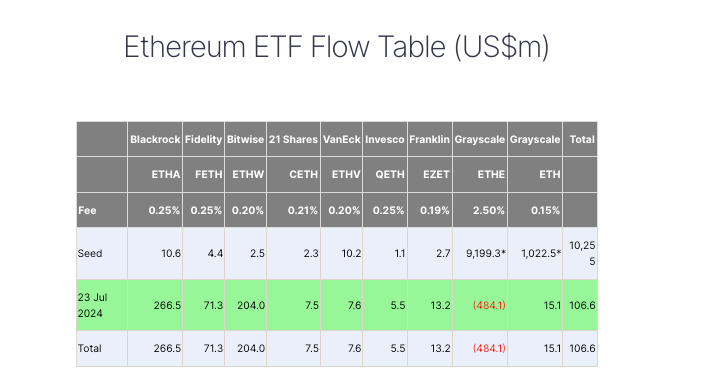
The nascent US crypto ETF market is poised for significant growth, driven by investor interest and regulatory developments. Franklin Templeton’s entry into this arena, with its proposed Bitcoin and Ethereum-focused ETFs, positions the firm strategically within this rapidly evolving landscape. However, inherent risks and uncertainties need careful consideration.
Potential Future Developments in the US Crypto ETF Market
The US crypto ETF market is expected to witness increased competition and innovation. New ETFs may emerge with varying investment strategies, potentially attracting diverse investor segments. Furthermore, regulatory clarity and investor confidence will play crucial roles in shaping the future trajectory. The market’s evolution will also depend on technological advancements, which could potentially influence the way cryptocurrencies are traded and managed within ETFs.
Potential Risks and Challenges Associated with Investing in Crypto Index ETFs
Investing in crypto index ETFs presents unique challenges. Volatility remains a key concern, as evidenced by the fluctuating price swings of cryptocurrencies. Market manipulation, security breaches, and regulatory uncertainties all contribute to potential risks. The lack of established historical performance data for cryptocurrencies also complicates long-term investment analysis.
Impact on Franklin Templeton’s Offerings
Franklin Templeton’s crypto ETF offerings are susceptible to the overall market trends in the cryptocurrency sector. Positive regulatory developments and growing investor confidence would likely boost investor interest and performance. Conversely, regulatory setbacks or market downturns could negatively impact investor sentiment and ETF valuations.
Regulatory Landscape Changes and Implications
The US regulatory landscape for cryptocurrencies is constantly evolving. Changes in regulations, including those related to security classifications and taxation, will significantly impact the structure and operations of crypto ETFs. Any regulatory shift, whether positive or negative, will affect the entire market, potentially impacting the performance of Franklin Templeton’s ETFs. For example, stricter regulations on cryptocurrency trading could limit access to certain investors or introduce new compliance costs.
Conclusion
In conclusion, Franklin Templeton’s SEC filing for its crypto index ETF provides valuable insights into the current state of the US crypto market. The filing’s details, including index structure, asset allocations, and the regulatory environment, provide crucial information for investors navigating this complex space. The comparison with other crypto ETFs further contextualizes Franklin Templeton’s strategy, highlighting both opportunities and potential risks.