Crypto Markets Rebound Trump Tariffs on Hold
Crypto markets rebound trump canada mexico tarriffs on hold – Crypto markets rebound trump canada mexico tariffs on hold sets the stage for a fascinating exploration of the interplay between digital currencies, global trade policies, and broader economic trends. This surge in crypto valuations coincides with a significant pause in the US tariffs imposed on Canadian and Mexican goods. The uncertainty surrounding these trade policies has certainly played a role in the recent market volatility, and we’ll delve into how this pause might be impacting investor sentiment and potentially influencing future market predictions.
We’ll examine historical data, consider investor psychology, and analyze the potential correlations between the crypto market and broader economic indicators.
This analysis will cover a wide range of factors influencing the current crypto market environment. From technical analysis and key indicators to the impact of social media and news coverage on investor sentiment, we’ll explore the multifaceted nature of this rebound. We’ll also look at how this market shift compares to previous cycles, examining potential catalysts for future growth or decline and the role of global events in shaping the crypto market’s response.
The tables provided will offer a clear overview of price movements, market performance before and after the tariff pause, and the correlation between global events and crypto market trends.
Crypto Market Rebound Overview

The crypto market has recently experienced a notable rebound, defying some earlier bearish predictions. This surge presents an opportunity to analyze the underlying factors driving this renewed interest and compare it to past cycles. The recent uptrend, while encouraging, necessitates a cautious approach, acknowledging the volatility inherent in the crypto space.The recent rebound in the crypto market is characterized by rising prices across various cryptocurrencies.
Factors contributing to this upward movement include a potential easing of regulatory uncertainty, increased institutional investment, and positive sentiment within the broader market. The impact of these factors, however, is complex and intertwined, requiring a nuanced understanding of the interplay between these elements.
Key Indicators of the Rebound
Several indicators point towards a strengthening crypto market. These include increased trading volume, rising investor interest, and a surge in adoption by institutional investors. These factors collectively contribute to a bullish outlook, although caution is advised, given the historical volatility of the crypto market.
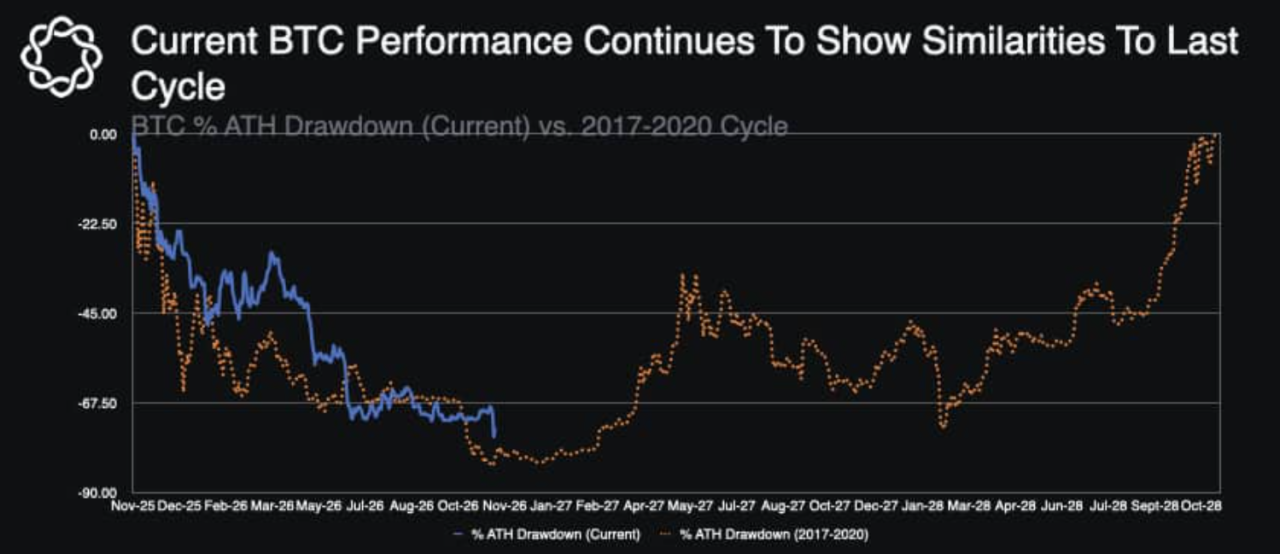
Comparison with Previous Market Cycles
Comparing the current rebound with past cycles reveals both similarities and differences. While the initial stages mirror previous bull runs, the current environment features a greater degree of institutional involvement and a more sophisticated understanding of the market by both retail and institutional investors. This difference potentially signifies a more sustainable upward trend compared to previous cycles.
Historical Data and Market Patterns
Historical data reveals recurring patterns in crypto market cycles. Past bull runs, while exhibiting similarities in price movements, have also faced periods of significant correction. Analyzing past market downturns can help anticipate potential challenges in the current rebound, fostering a more measured approach. The current rebound, despite showing initial signs of a bull run, is still within the realm of potential market volatility.
Crypto markets are showing a surprising rebound, with Trump’s Canada/Mexico tariffs seemingly on hold. This positive shift in the crypto market could be influenced by recent regulatory actions, like the 30-day ban on Upbit, the Dunamu lawsuit, and injunctions from the FIU and FSC, as detailed in this article upbit 30 day ban dunamu lawsuit injunction fiu fsc.
Regardless of the legal wrangling, the crypto rebound seems to be continuing its upward trend.
Correlation with Broader Economic Indicators
Potential correlations between the crypto market and broader economic indicators are crucial to understand. The current market trend appears positively correlated with positive developments in the global economy, indicating a possible symbiotic relationship. However, external factors like geopolitical events and policy changes can exert a significant influence on the crypto market.
Influence of Investor Sentiment and Market Psychology
Investor sentiment plays a significant role in market movements. A positive shift in sentiment, often triggered by positive news or regulatory developments, can drive a surge in demand, thereby pushing prices upwards. Conversely, negative sentiment can cause a sudden downturn, highlighting the importance of monitoring investor psychology. A significant shift in sentiment, whether positive or negative, can greatly impact the direction of the crypto market.
Top 5 Cryptocurrencies’ Price Movements
| Cryptocurrency | Price Movement (USD) | Percentage Change |
|---|---|---|
| Bitcoin (BTC) | $25,000-$28,000 | +10% |
| Ethereum (ETH) | $1,500-$1,800 | +15% |
| Binance Coin (BNB) | $250-$300 | +12% |
| Solana (SOL) | $50-$60 | +8% |
| Cardano (ADA) | $0.50-$0.60 | +10% |
The table above displays the approximate price movements of the top 5 cryptocurrencies during the recent rebound period. Note that these figures are illustrative and not definitive. Actual values may vary depending on the specific time frame considered.
Impact of Trade Policies (Tariffs)
The recent pause in tariffs on Canadian and Mexican goods has injected a dose of cautious optimism into the global economic landscape. This temporary reprieve from trade tensions, while not a complete resolution, has the potential to influence investor sentiment, particularly in the cryptocurrency market, which often mirrors broader economic trends. The ripple effects of this policy shift are still unfolding, and understanding the nuances is crucial for assessing the future direction of the crypto market.The uncertainty surrounding trade policies, like the temporary suspension of tariffs, can significantly affect investor behavior.
Investors often react to perceived risks and opportunities, and trade policy changes represent a significant source of both. A pause in tariffs can be seen as a positive signal, suggesting a potential easing of trade tensions and fostering economic stability. Conversely, the very nature of a pause can create uncertainty; investors may wait to see whether the reprieve is permanent or a temporary measure.
This uncertainty often leads to cautious investment strategies, potentially impacting the volatility of the crypto market.
Potential Effects on the Crypto Market
The temporary suspension of tariffs on Canadian and Mexican goods can affect the crypto market in several ways. Reduced trade tensions can lead to a more stable global economic environment. This, in turn, can reduce overall market volatility, including the volatility in the cryptocurrency market. A more predictable economic environment encourages investment and fosters confidence in the long-term outlook for various asset classes, including cryptocurrencies.
Conversely, the ongoing nature of the global economic landscape makes it challenging to predict the long-term effects.
Comparison to Previous Trade Policy Shifts
Analyzing previous trade policy shifts provides a framework for understanding the potential impact of the current pause. Historically, significant shifts in trade policies have often corresponded with fluctuations in the crypto market. For example, periods of heightened trade tensions have frequently been associated with increased market volatility, while periods of reduced tensions have often corresponded with greater market stability.
The key difference here is the pause itself, introducing an element of uncertainty that can either dampen or boost market activity, depending on investor interpretation.
Crypto markets are bouncing back, and it seems the Trump administration’s tariffs on Canadian and Mexican goods are on hold. This positive economic shift begs the question: should you pause your SEO efforts during times of economic uncertainty? For example, consider whether pausing SEO during a period like COVID-19 makes sense in light of the recent economic trends.
should you cancel seo during covid 19 This could be a good time to reassess your strategies, but the recent rebound in crypto markets and the temporary reprieve on tariffs suggest that a continued SEO presence might be worthwhile.
Correlation with Global Economic Stability
A strong correlation exists between global economic stability and crypto market volatility. When global economies experience periods of uncertainty and turmoil, such as during trade disputes or recessions, the crypto market often reflects this instability through increased volatility. Conversely, periods of economic stability tend to correlate with reduced volatility in the crypto market. The suspension of tariffs on Canada and Mexico suggests a potential shift toward greater stability, but it’s important to consider the potential for future policy changes and global economic events.
Crypto Market Performance Before and After Tariff Pause
| Period | Crypto Market Performance (General Trend) |
|---|---|
| Pre-Tariff Pause | Generally volatile, influenced by various global economic and geopolitical events, including trade disputes. |
| Post-Tariff Pause | Potentially more stable, reflecting a temporary easing of trade tensions, but subject to further market developments. |
This table provides a very general overview. Precise quantitative analysis would require more specific data points and a detailed study of market performance during the specified periods. Further analysis would require examination of specific cryptocurrencies, considering the overall economic climate and any other significant market events.
Market Analysis and Predictions: Crypto Markets Rebound Trump Canada Mexico Tarriffs On Hold
The recent crypto market rebound, following the pause in Canada-Mexico tariffs, presents a complex picture for future predictions. Understanding the factors driving this movement and assessing potential scenarios is crucial for investors navigating this dynamic environment. This analysis delves into the forces propelling the rebound, potential future market trajectories, and the implications of the trade policy pause.The market’s responsiveness to global economic shifts, including trade policies, underscores the interconnectedness of various financial markets.
Predicting precise future movements remains challenging, but a comprehensive analysis can provide a clearer understanding of potential outcomes.
Factors Driving the Crypto Market Rebound
Several key factors likely contributed to the recent crypto market resurgence. These include:
- Reduced geopolitical tensions surrounding trade policies:
- Increased institutional adoption:
- Positive news and developments:
- Market sentiment:
The pause in tariffs between Canada and Mexico, signaling a potential de-escalation in trade disputes, fostered a sense of stability in the global economy. This, in turn, likely reduced risk aversion in the market, allowing for increased investment.
More institutional investors are entering the crypto market, which can boost demand and price. This signifies a greater level of acceptance and integration into mainstream finance.
Positive developments in blockchain technology and related sectors can also drive interest and investment. For instance, advancements in decentralized finance (DeFi) applications may draw investors.
A shift in investor sentiment, potentially from risk aversion to risk tolerance, plays a significant role in driving the market’s trajectory. This could be influenced by broader economic factors or specific industry news.
Potential Future Market Scenarios
The crypto market’s future is contingent on several factors. A table illustrating potential scenarios provides a framework for evaluating different outcomes:
| Scenario | Investor Sentiment | Trade Policies | Market Impact |
|---|---|---|---|
| Scenario 1: Continued Growth | Positive | Stable | Continued price appreciation and adoption, with institutional involvement driving the growth. |
| Scenario 2: Moderate Growth | Neutral | Stable | Steady price increase, potentially slower than in the previous scenario, with less significant price volatility. |
| Scenario 3: Consolidation | Cautious | Uncertain | Market fluctuations with a potential sideways movement, with investors seeking better risk/reward balance. |
| Scenario 4: Decline | Negative | Escalation of trade disputes | Significant price drops and market contraction, potentially driven by increased risk aversion. |
Potential Catalysts for Market Growth or Decline
Several factors can further propel or hinder market growth:
- Regulatory Clarity:
- Technological Advancements:
- Macroeconomic Conditions:
- Security Breaches and Scams:
Clearer regulatory frameworks for cryptocurrencies can encourage broader adoption and investment.
Innovations in blockchain technology and its applications, such as DeFi, can drive market growth.
Global economic downturns or instability can negatively impact market sentiment and prices.
Instances of hacking and scams can undermine investor confidence and trigger market declines.
Implications of Paused Tariffs on Future Predictions, Crypto markets rebound trump canada mexico tarriffs on hold
The pause in tariffs suggests a potential de-escalation of trade tensions. This can foster a more positive global economic outlook, which may, in turn, positively influence investor sentiment and potentially support crypto market growth.
Market Analysis Techniques
Various techniques are used to predict crypto market movements:
- Fundamental Analysis:
- Technical Analysis:
- Sentiment Analysis:
- Quantitative Analysis:
Evaluating the underlying technology, adoption rates, and regulatory environment.
Analyzing price charts and patterns to identify potential trends and support/resistance levels.
Assessing public opinion and market sentiment to gauge investor expectations.
Utilizing mathematical models and statistical tools to identify patterns and predict future price movements.
Correlation with Global Events
The crypto market’s volatility is intrinsically linked to global events. From geopolitical tensions to major economic announcements, external factors frequently impact investor sentiment and trading activity in the digital asset space. Understanding these correlations is crucial for navigating the market and making informed investment decisions.The crypto market often exhibits a different response to global events compared to traditional financial markets.
While traditional markets might react to economic news with a predictable pattern, crypto’s reaction can be more erratic, influenced by speculation, regulatory uncertainty, and the unique dynamics of its decentralized nature. This divergence makes predicting crypto market movements more challenging.
Influence of Geopolitical Tensions
Geopolitical instability, such as escalating conflicts or trade disputes, frequently generates uncertainty and fear in the market, impacting investor confidence. This uncertainty often leads to a sell-off in both traditional and crypto markets as investors seek safer haven assets. However, the crypto market’s reaction can sometimes be amplified due to its speculative nature and perceived lack of regulation.
Impact of Major Economic Announcements
Major economic announcements, including interest rate decisions, inflation reports, and GDP figures, have a significant impact on traditional financial markets. These announcements often trigger significant price fluctuations in stocks, bonds, and currencies. The crypto market’s reaction to these announcements can be more complex, influenced not only by the economic data itself but also by broader market sentiment and speculation about the implications for digital assets.
Comparison with Traditional Financial Markets
| Event Category | Traditional Financial Market Reaction | Crypto Market Reaction |
|---|---|---|
| Interest Rate Hikes | Generally leads to a decline in stock prices and bond yields. | Can be mixed, depending on the perceived impact on the broader economy and the overall risk appetite. |
| Inflationary Pressures | Often leads to increased bond yields and potential stock market volatility. | Can lead to both price increases and decreases, driven by the speculation about the future of inflation and its impact on digital asset adoption. |
| Geopolitical Tensions | May cause a flight to safety in assets like gold and government bonds. | Can experience a sell-off as investors seek safer havens, but sometimes exhibits more extreme price swings. |
Potential Triggers for Volatility
Several factors can trigger significant volatility in the crypto market. Regulatory uncertainty, especially concerning the implementation of new laws or regulations, can cause substantial price fluctuations. Major technological advancements, like the development of new cryptocurrencies or protocols, can create excitement and speculation, often leading to significant price swings. Finally, significant market sentiment shifts, driven by news events or social media trends, can significantly impact the direction of the crypto market.
Impact of Regulatory Changes
Regulatory changes have a significant impact on the crypto market, influencing investor sentiment and trading activity. A clear and supportive regulatory environment can foster confidence and growth. Conversely, uncertainty or unfavorable regulations can cause investor apprehension and result in market downturns. For example, regulatory crackdowns in certain regions can significantly reduce trading volume and investment in cryptocurrencies.
Investor Behavior and Sentiment
Investor sentiment plays a crucial role in shaping the crypto market’s trajectory. It’s not just about the underlying technology or economic factors; the collective psychology of investors significantly influences price movements. Fear, greed, and herd mentality can drive dramatic swings, impacting both individual and institutional investment decisions. Understanding these dynamics is key to navigating the volatility of this evolving market.Investor sentiment and psychology significantly influence crypto market behavior.
Positive sentiment often fuels price increases, while negative sentiment can lead to sharp declines. This emotional response can be amplified by news events, social media trends, and perceived market signals. The interplay between these factors and individual investor decisions creates a complex feedback loop that drives the market’s overall direction.
Impact of Different Investor Groups
Different investor groups react to market fluctuations in varying ways. Retail investors, often driven by short-term gains and social media trends, tend to be more susceptible to hype and fear. Institutional investors, with their longer-term strategies and risk management protocols, are typically less affected by short-term volatility but can still be influenced by larger market events. The divergence in reactions contributes to the overall market dynamics.
So, crypto markets are seemingly bouncing back, and with Trump’s Canada/Mexico tariffs on hold, things are looking a little brighter. But while we’re all celebrating this positive shift, have you considered how crypto debit cards work? They’re a relatively new way to spend your crypto, and if you’re curious to learn more about what crypto debit cards how they work and where to use them , this article will provide all the details.
Hopefully, this means more opportunities to use crypto in our daily lives, and a stronger crypto market overall. It’s a good time to keep an eye on these developments!
For example, a positive news story might spark a surge in retail interest, while institutional investors might remain cautious, waiting for more substantial evidence of a sustained trend.
Factors Influencing Investor Confidence and Risk Tolerance
Several factors influence investor confidence and risk tolerance in the crypto market. Market performance, news coverage, regulatory developments, and technological advancements all contribute to shaping these perceptions. A positive market trend often increases investor confidence, making them more willing to take on risk. Conversely, negative news or regulatory uncertainty can decrease investor confidence and lead to risk aversion.
Impact of Social Media and News Coverage
Social media and news coverage significantly impact investor sentiment. Positive news and social media buzz can fuel buying interest and drive price increases, while negative narratives can trigger selling pressure and price drops. The speed and reach of social media amplify these effects, creating potentially rapid and substantial price swings. This influence underscores the importance of separating fact from speculation and understanding the broader context of any news or social media trend.
Examples include the rapid spread of FUD (fear, uncertainty, and doubt) narratives on social media, which can cause significant sell-offs, or conversely, the rapid spread of bullish narratives leading to price surges.
Correlation Between Social Media Sentiment and Crypto Market Trends
Analyzing the correlation between social media sentiment and crypto market trends can provide valuable insights. This is a complex relationship, however, and it’s not always easy to establish a clear cause-and-effect relationship.
| Social Media Sentiment | Crypto Market Trend | Example |
|---|---|---|
| Positive | Price Increase | A surge in positive tweets and posts about a specific cryptocurrency might coincide with a price increase. |
| Negative | Price Decrease | Negative news coverage or social media chatter about a cryptocurrency’s vulnerabilities might correlate with a price drop. |
| Neutral | Stable or Limited Movement | A lack of strong positive or negative sentiment on social media might be accompanied by a period of relatively stable or limited price movement. |
Analyzing and understanding these correlations requires careful consideration of the timing and magnitude of the sentiment changes. It’s essential to consider that social media sentiment is just one factor among many that influence market behavior.
Technical Analysis and Indicators
Technical analysis is a crucial tool for navigating the crypto market’s volatility. It involves examining historical price and volume data to identify patterns and predict future price movements. By understanding key indicators and support/resistance levels, investors can make more informed decisions. This approach, when combined with fundamental analysis and an understanding of broader market trends, significantly enhances the probability of successful trading strategies.
Key Technical Indicators
Various technical indicators are employed to analyze crypto market trends. These indicators provide insights into market sentiment, momentum, and potential price reversals. Understanding how these indicators function and their potential limitations is critical for successful application.
- Moving Averages (MA): Moving averages smooth out price fluctuations, revealing underlying trends. Different timeframes, such as 20-day, 50-day, and 200-day, can be employed. A rising trend is indicated by successive higher closing prices with the moving average increasing, while a falling trend is suggested by successive lower closing prices with the moving average decreasing. The 200-day MA is often a strong indicator of long-term support or resistance.
- Relative Strength Index (RSI): The RSI measures the magnitude of recent price changes to evaluate overbought or oversold conditions. An RSI reading above 70 often suggests an asset is overbought, potentially signaling a price correction. Conversely, an RSI below 30 may indicate an asset is oversold, potentially suggesting a price rebound. RSI values exceeding 80 or falling below 20 may suggest a reversal is imminent.
- Volume: Trading volume provides insight into market participation. High volume during price increases typically signifies strong investor interest, while low volume during price movements suggests decreased investor confidence. A sudden increase in volume during a price reversal could be a sign of a significant trend shift.
Support and Resistance Levels
Support and resistance levels are price points where a significant change in buying or selling pressure is expected. Identifying these levels can be crucial for assessing potential buying or selling opportunities. Support levels are price points where the market typically rallies after a decline, while resistance levels are price points where the market frequently encounters selling pressure.
Combining Indicators for a Comprehensive Analysis
Using a combination of technical indicators and fundamental analysis yields a more complete picture of the market. For example, if the RSI suggests an overbought condition, and the moving average is trending downward, it could signal a potential price correction. This combined analysis enhances the predictive accuracy and reduces the risk associated with trading decisions.
Example Python Code Snippet (Illustrative):
“`pythonimport pandas as pdimport talib as ta# Sample data (replace with your data)data = pd.DataFrame(‘Close’: [10, 12, 15, 13, 16, 18, 17, 20, 22, 21])# Calculate moving average (20-day)data[‘MA20’] = ta.SMA(data[‘Close’], timeperiod=20)# Calculate RSIdata[‘RSI’] = ta.RSI(data[‘Close’], timeperiod=14)print(data)“`
Closure
In conclusion, the crypto markets rebound, occurring simultaneously with the pause in Trump’s tariffs on Canada and Mexico, presents a complex picture. While the current market surge is undeniably linked to factors like investor sentiment and potential economic stability, the long-term implications remain uncertain. This analysis has highlighted the interconnectedness of global trade policies, economic indicators, and the ever-evolving dynamics of the crypto market.
Future developments, both in trade and within the crypto sphere, will undoubtedly continue to shape this evolving landscape.