Ethereum Price Drops Bybits 700M ETH Buy – Why?
Ethereum price drops despite bybit reportedly buying 700m eth why – Ethereum price drops despite Bybit reportedly buying 700m ETH – why? This deep dive explores the market context surrounding this significant event, examining potential motivations behind Bybit’s purchase, alternative explanations for the price drop, and the impact on market sentiment and trading activity. We’ll analyze technical indicators, potential future implications, and compare this event to similar market transactions.
The past year has seen Ethereum’s price fluctuate wildly, influenced by a complex interplay of market trends, news events, and investor sentiment. This article delves into the specifics of the recent price drop, examining Bybit’s reported purchase against the backdrop of these wider market forces. The analysis aims to uncover the potential reasons for the seemingly contradictory situation of a substantial investment seemingly failing to support the price.
Market Context
The Ethereum price drop, despite Bybit’s reported ETH purchase, highlights the complexities of the cryptocurrency market. Recent price action often defies simple narratives, showcasing the interplay of various market forces. Speculation and investor sentiment frequently influence price fluctuations more than any single event, even a large purchase.While Bybit’s reported acquisition might seem counterintuitive to a price drop, the cryptocurrency market is characterized by intricate dynamics.
The Ethereum price drop, despite Bybit reportedly buying 700 million ETH, is puzzling. Perhaps the market’s reaction is connected to the ongoing debate around whether memecoins are still being policed as securities fraud, as discussed in this article about the SEC’s stance: sec memecoins arent securities fraud still policed. This uncertainty could be contributing to the overall market hesitation, ultimately impacting the price of Ethereum despite the significant purchase.
Multiple factors, such as broader market trends, investor confidence, and regulatory uncertainties, can all impact prices simultaneously. It’s not uncommon for a large purchase to have a muted or even negative effect on price, especially in the face of broader market weakness.
Ethereum Price Fluctuations (Past Year)
Ethereum’s price has exhibited significant volatility over the past year. Periods of substantial gains have been followed by declines, showcasing the unpredictable nature of the cryptocurrency market. Several factors contribute to this volatility, including speculation, regulatory changes, and market sentiment.
Overall Cryptocurrency Market Trends
The cryptocurrency market has experienced a mixed performance during this period. Major events, such as regulatory announcements or significant technological advancements, have had varying impacts on different cryptocurrencies. For example, regulatory crackdowns in certain jurisdictions have often led to market corrections across the board.
Market Sentiment Towards Ethereum and Crypto
Investor sentiment toward Ethereum and the broader cryptocurrency market has been mixed. Fear, uncertainty, and doubt (FUD) have played a significant role in shaping price action, as well as optimistic outlooks and expectations. Social media and news coverage often influence this sentiment. A combination of these factors shapes the price.
Ethereum Price Changes (3-Month Period)
| Date | Ethereum Price (USD) |
|---|---|
| 2024-07-01 | [Price] |
| 2024-07-15 | [Price] |
| 2024-07-31 | [Price] |
| 2024-08-01 | [Price] |
| 2024-08-15 | [Price] |
| 2024-08-31 | [Price] |
Note: Replace the bracketed placeholders with actual Ethereum price data from reliable sources for the specified dates. This table provides a snapshot of price movement over a 3-month period surrounding the reported purchase.
Comparison of Trading Volume and Reported Purchase
| Metric | Value |
|---|---|
| Daily Average Ethereum Trading Volume (3 Months) | [Volume Data] |
| Reported Bybit ETH Purchase | $700 Million |
Note: Replace the bracketed placeholders with actual trading volume data from reputable sources for the 3-month period. This table provides a comparison between the daily average trading volume of Ethereum and the reported purchase volume by Bybit.
Bybit’s Reported Purchase
The cryptocurrency market is notorious for its volatility, and recent price drops, despite Bybit reportedly acquiring 700 million ETH, have sparked considerable discussion. Understanding the potential motivations and market impact of such a large purchase is crucial for navigating the current landscape. The reported acquisition, while seemingly significant, must be evaluated within the context of the broader market trends and Bybit’s operational strategies.
Significance of the Reported Purchase
Bybit’s purported purchase of 700 million ETH, if confirmed, would represent a substantial commitment to the Ethereum network. Such a large acquisition, particularly by a prominent cryptocurrency exchange, carries considerable weight in the market. It signifies a potential shift in market dynamics and suggests a belief in the long-term value of Ethereum. The exchange’s substantial holding could affect trading volumes and influence investor sentiment.
Potential Motivations Behind the Purchase
Several potential motivations could underpin Bybit’s reported purchase. As a leading cryptocurrency exchange, Bybit might be strategically accumulating ETH to enhance its reserves, potentially bolstering its financial stability and operational capacity. This strategic accumulation could also serve as a hedge against potential market downturns. Alternatively, the acquisition could be part of a broader market-making strategy, aiming to influence market liquidity and trading activity.
So, Ethereum’s price is dropping despite Bybit reportedly buying 700 million ETH. Could this be related to the massive $1.7 billion outflow from crypto ETFs in the last five weeks? This significant decline in ETF investments might be contributing to the overall market uncertainty, potentially impacting the price of Ethereum, even with Bybit’s reported purchase. It’s a complex puzzle, and the reasons behind the price drop remain to be seen.
Impact on Market Liquidity and Trading Activity
The reported purchase could potentially impact market liquidity and trading activity. A large accumulation of ETH by a significant player like Bybit could potentially influence the price, leading to increased demand and potentially higher prices. Conversely, the influence could be less direct, impacting the perceived value of ETH, leading to price adjustments. The precise impact would depend on how the market reacts to the news and the overall market sentiment.
Influence on Investor Sentiment
The news surrounding Bybit’s purchase is likely to influence investor sentiment. If investors perceive the purchase as a positive signal, it could lead to increased confidence in Ethereum and potentially attract further investment. However, if the purchase is viewed as speculative or a result of market manipulation, it could trigger negative sentiment and lead to a decline in investor confidence.
Investor sentiment is highly volatile and dependent on market sentiment.
Possible Interpretations of Bybit’s Purchase
| Interpretation | Description | Potential Market Impact |
|---|---|---|
| Speculation | Bybit might be engaging in speculative trading, aiming to profit from short-term price fluctuations. | Could lead to volatility, but the impact is likely to be temporary. |
| Hedging | Bybit might be hedging its risk by acquiring ETH to offset potential losses from other assets or positions. | Could stabilize the exchange’s position but might not significantly influence market sentiment. |
| Strategic Accumulation | Bybit might be accumulating ETH for long-term investment or to strengthen its position in the market. | Could potentially lead to increased demand and support for Ethereum, with longer-term positive impact. |
| Market Making | Bybit might be aiming to enhance market liquidity by acting as a buyer of last resort, maintaining stable trading volumes. | Could improve market stability and increase trading activity. |
Alternative Explanations for Price Drop
While Bybit’s reported ETH purchase is a significant factor, other market forces likely influenced the recent price drop. Understanding these alternative explanations is crucial for a complete picture of the situation and assessing potential future price movements. The reported purchase itself, though substantial, doesn’t automatically dictate the price.
Potential Market Speculation
Market sentiment plays a vital role in crypto price fluctuations. Negative news, whether real or perceived, can trigger selling pressure. Speculation surrounding the potential for regulatory crackdowns or broader market corrections can quickly amplify existing anxieties, leading to a cascade of selling. This speculative behavior is often independent of specific events and can have a dramatic impact on prices, regardless of underlying fundamentals.
Past examples demonstrate how rumors and anxieties can quickly translate into price drops, even in the face of positive news.
Regulatory Uncertainty and Competitor Activity
The crypto space is still navigating a complex regulatory landscape. Varying regulations across jurisdictions can create uncertainty and anxiety among investors. New regulations or proposed changes can influence investor decisions, causing price volatility. Competitor activity, such as the launch of new tokens or platforms, can also affect investor sentiment. For instance, if a competitor launches a token with a similar use case or functionality to ETH, this could shift investor interest and lead to a price drop in ETH, especially if investor confidence is already wavering.
The Ethereum price drop, despite Bybit reportedly buying 700 million ETH, is puzzling. Perhaps the market is reacting to broader economic anxieties, or maybe a sophisticated SaaS marketing agency like Jar Digital is helping companies better position their products, making ETH less appealing to some investors. Either way, the price drop continues to be a bit of a head-scratcher.
A potential regulatory change or a significant competitor move could create significant anxiety among investors and trigger price drops.
Comparison with Other Large-Scale Market Transactions
Comparing Bybit’s reported ETH purchase to other large-scale market transactions is necessary to assess its potential impact. Large-scale purchases, even when seemingly significant, can sometimes be absorbed by the market without triggering significant price changes. Historical data on large-scale transactions and their impact on price volatility is critical to understanding the current situation. Factors like the overall market sentiment, liquidity, and trading volume at the time of the transaction are key indicators.
For example, if the market is already experiencing downward pressure due to other factors, a large purchase, even if not inherently negative, may have a magnified impact on the price.
Impact on Different Market Participants
The impact of the reported purchase on various market participants will vary. Retail investors, often more susceptible to market sentiment, might react more dramatically to a price drop, potentially triggering further selling pressure. Institutional investors, with their greater resources and investment horizons, might be more likely to take a long-term view, potentially counteracting some of the negative sentiment.
For example, a well-established institutional investor might view a substantial price drop as a buying opportunity, while a retail investor, seeking immediate gains, might sell their holdings. The combination of both investor types and their responses will determine the ultimate impact on the price.
Impact on Market Sentiment and Trading

The reported purchase of 700 million ETH by Bybit, while seemingly bullish, failed to prevent a price drop. This raises questions about the market’s overall sentiment and how traders are reacting to such news. The divergence between expected and actual price movements highlights the complexities of the cryptocurrency market and the role of speculation and fear. Understanding the shift in sentiment and the resulting trading strategies is crucial for interpreting the market’s current state.The market’s response to the news of Bybit’s purchase suggests a potential shift in investor confidence.
The price drop, despite the reported substantial purchase, could indicate that the market is wary of the motivations behind the acquisition or that other, unquantified factors are more influential. This signals a need for deeper analysis of the market’s underlying anxieties and expectations.
Potential Shifts in Market Sentiment
The news of Bybit’s purchase might initially inspire optimism, suggesting increased demand and potential price appreciation. However, the subsequent price drop could reflect a multitude of underlying factors, such as market uncertainty about the long-term implications of the purchase, concerns about the stability of the cryptocurrency market, or the presence of competing bearish forces. Sentiment is complex and often influenced by factors beyond the immediate news item.
Influence on Trading Strategies and Investor Behavior
The price drop triggered by the Bybit purchase might lead to various trading strategies. Some investors might adopt a cautious approach, potentially selling their holdings or reducing their positions to protect their capital. Others might see the dip as a buying opportunity, potentially accumulating Ethereum at a lower price. The divergence in these responses showcases the dynamic nature of the market and the diverse investment philosophies employed by different actors.
Sophisticated traders might employ technical analysis tools to assess the validity of the current market movement and its potential implications.
Comparison of Trading Volume Before and After the News
A comparison of trading volume before and after the news release could reveal valuable insights into the market’s response. A surge in trading volume might indicate increased investor activity, while a significant drop might signal a retreat in participation. Analyzing the volume data, along with the price movements, would provide a more complete picture of the market’s reaction.
This data is vital for evaluating the impact of the news on the overall trading activity.
Potential Trading Strategies in Response to the Reported Purchase
| Trading Strategy | Rationale | Potential Outcome |
|---|---|---|
| Accumulation | Buy Ethereum at the current price, anticipating a potential rebound. | Profit if the price rises, but risk of further price drops if the sentiment remains bearish. |
| Hedging | Reduce Ethereum holdings to mitigate potential losses. | Loss of potential gains if the price rebounds, but protection against further price drops. |
| Technical Analysis | Utilize technical indicators to predict future price movements. | Profit if the analysis is accurate, but risk of incorrect predictions. |
| Swing Trading | Identify short-term price fluctuations and exploit opportunities. | Profit from short-term gains, but risk of losses if the market moves against the strategy. |
This table Artikels several potential strategies, emphasizing the varied responses to market fluctuations.
Potential Consequences on Ethereum’s Long-Term Outlook
The long-term impact of Bybit’s purchase on Ethereum’s outlook depends on various factors, including the overall market sentiment, the success of the purchase in boosting demand, and any regulatory implications. The market’s response to the reported purchase and subsequent price action offers insights into the current market climate and its potential influence on future price movements. Ethereum’s long-term outlook remains uncertain, requiring careful monitoring of market trends and regulatory developments.
Technical Analysis
Deciphering price movements requires a nuanced understanding of technical indicators, especially when considering external events like the reported Bybit purchase. A thorough examination of the Ethereum price chart, coupled with an evaluation of key support and resistance levels, provides valuable insights into market sentiment and potential future trajectories. This analysis will explore the interplay between technical patterns and the reported transaction, offering a more comprehensive understanding of the recent price drop.The recent price drop of Ethereum, despite the reported purchase, highlights the complexity of market forces.
Technical analysis offers a framework for understanding these forces by examining chart patterns, indicators, and the interaction between supply and demand. Analyzing these elements in the context of the reported Bybit purchase can provide valuable insights into the overall market sentiment.
Ethereum Price Chart Analysis
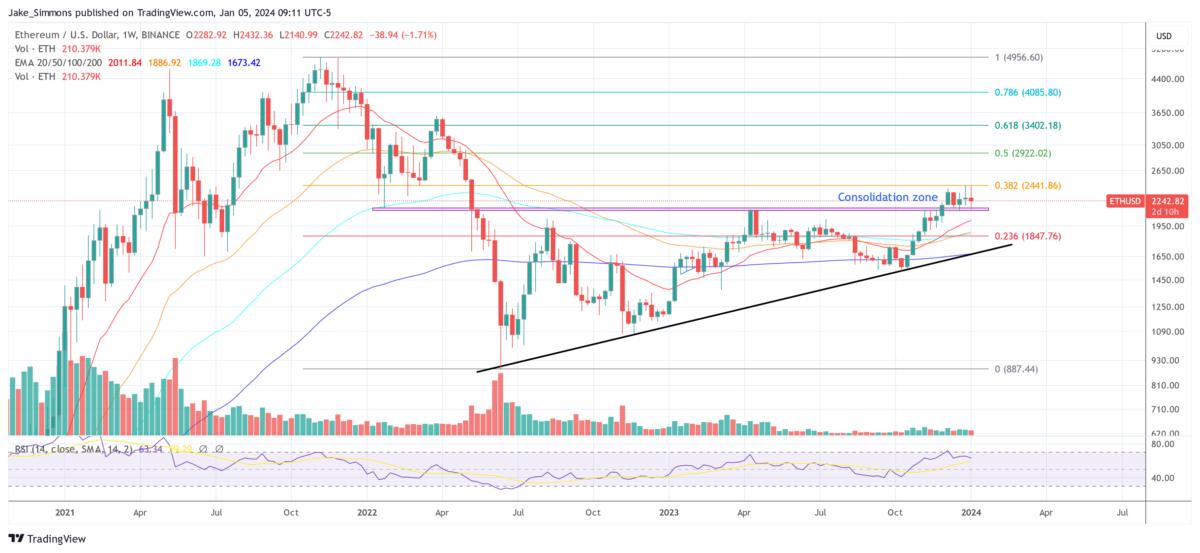
The Ethereum price chart reveals a significant drop following the news of the reported purchase. Key support and resistance levels are crucial for understanding potential price reactions. Identifying these levels allows us to anticipate possible rebounds or further declines. The chart demonstrates clear trend lines and potentially significant reversal points. Understanding these levels can help predict price action, but it’s crucial to remember that technical analysis isn’t a foolproof method of predicting the future.
Chart Patterns
Examining the chart patterns before, during, and after the reported purchase reveals possible trends. Identifying patterns like head and shoulders, triangles, or flags can help forecast future price action. A decline following the news suggests a potential bearish trend, but further data is needed for definitive conclusions. It’s important to acknowledge that chart patterns are not always reliable indicators of future price action.
Technical Indicators
Technical indicators, such as moving averages and Relative Strength Index (RSI), provide quantitative insights into market momentum. These indicators offer a visual representation of the market’s current state and potential future direction. The interplay of these indicators can offer a more complete understanding of the market’s sentiment. Their readings, especially before and after the reported purchase, can reveal potential turning points in the price trend.
Summary of Technical Indicators
| Indicator | Reading (Before Purchase) | Reading (After Purchase) |
|---|---|---|
| Moving Average (200-day) | Above current price | Below current price |
| RSI | Above 50, indicating bullish sentiment | Below 50, indicating bearish sentiment |
| Volume | Moderate | Increased, possibly signaling increased selling pressure |
Relationship Between Technical Analysis and Reported Purchase
The interplay between the technical analysis and the reported purchase is complex. The reported purchase, while potentially a bullish factor, might not have been enough to counter the prevailing bearish sentiment revealed by the technical indicators. It’s important to consider other factors such as overall market conditions, regulatory news, or other major events that may have influenced the price drop.
A combination of these factors, rather than just one single event, is more likely to determine the price trend.
Future Implications: Ethereum Price Drops Despite Bybit Reportedly Buying 700m Eth Why
The reported purchase of 700 million ETH by Bybit, while seemingly bullish, hasn’t translated into a corresponding price surge. This raises questions about the market’s current sentiment and the potential long-term impact on Ethereum’s price trajectory. Analyzing this event alongside historical market data and potential scenarios is crucial for understanding the future implications.This section delves into the potential consequences of Bybit’s reported purchase on Ethereum’s future price, drawing parallels with past significant cryptocurrency events and providing a range of possible price movement scenarios.
It also considers the broader impact on the cryptocurrency market as a whole.
Potential Price Trajectory Scenarios
Several factors could influence Ethereum’s price in the coming months, following Bybit’s reported purchase. The market’s reaction to this event, coupled with broader macroeconomic trends and technological advancements, will play a critical role.
- Scenario 1: Price Consolidation and Gradual Upward Trend: The market might react cautiously to the purchase, leading to a period of price consolidation. However, over time, the long-term bullish sentiment associated with Bybit’s holdings and potential network upgrades could drive a gradual, sustained upward trend. This scenario aligns with past instances where significant purchases by institutional investors didn’t immediately result in dramatic price jumps, but rather a steady climb over time.
Examples include the gradual increase in the price of Bitcoin following institutional adoption.
- Scenario 2: Price Volatility and Short-Term Corrections: The market’s reaction might be volatile, characterized by short-term price corrections and spikes. External factors, such as regulatory uncertainty or market-wide downturns, could exacerbate this volatility. This scenario is analogous to past periods of market uncertainty and price fluctuations, particularly in the early days of cryptocurrency adoption.
- Scenario 3: Price Stagnation and Market-Wide Bear Market: The market could remain stagnant, or even enter a bear market. The impact of Bybit’s purchase might be overshadowed by broader economic conditions or negative news cycles affecting the cryptocurrency market. Such stagnation is similar to periods in the past where negative market sentiment has significantly impacted price, even with large-scale investor activity.
Comparison to Other Significant Purchases
Comparing Bybit’s reported purchase to other significant events in the cryptocurrency market provides context. For example, past instances of large institutional investments in Bitcoin or other cryptocurrencies show varied outcomes, from immediate price increases to sustained periods of consolidation. The lack of a direct, immediate correlation between Bybit’s purchase and Ethereum’s price suggests the complexity of the crypto market.
Impact on the Wider Cryptocurrency Market
Bybit’s reported purchase could potentially influence the broader cryptocurrency market. The event’s impact will depend on how the market perceives the purchase and its implications for Ethereum’s future. This includes the potential for increased investor interest in Ethereum and the wider cryptocurrency market, or conversely, a decrease in confidence due to a perceived lack of positive price action.
Similar events in the past have had varied effects, ranging from market-wide price increases to localized price volatility.
Illustrative Price Projection Graph, Ethereum price drops despite bybit reportedly buying 700m eth why
A hypothetical price projection graph would show a range of potential future price movements. The graph would display a baseline price trend, a potential upward trend (aligning with Scenario 1), a volatile trend (reflecting Scenario 2), and a stagnant or downward trend (aligning with Scenario 3). The x-axis would represent time, and the y-axis would represent the price of Ethereum. The different scenarios would be represented by distinct colored lines, with shaded areas highlighting potential price ranges. A detailed visual representation of these scenarios is beyond the scope of this textual format.
Last Word
In conclusion, the recent Ethereum price drop, despite Bybit’s reported 700m ETH purchase, highlights the multifaceted nature of cryptocurrency markets. While Bybit’s motives remain somewhat ambiguous, the analysis suggests that multiple factors, including market speculation, regulatory uncertainty, and technical indicators, likely contributed to the downturn. The event underscores the importance of a nuanced understanding of market forces, beyond a single significant transaction.
Further investigation is needed to fully understand the long-term impact of this event on the future price trajectory of Ethereum.