BTC Volatility Low Stablecoin Transactions Top Visa?
BTC volatility low stablecoin transaction tops Visa ark. Bitcoin’s price swings have recently calmed, creating an interesting opportunity for stablecoins to gain traction in the payment sphere. This shift could potentially disrupt traditional financial systems, with stablecoin transactions now potentially outpacing Visa in volume. We’ll explore the factors behind this trend, looking at the correlation between Bitcoin’s stability and the rise of stablecoins, and examining how these digital currencies are reshaping the global financial landscape.
The rise of stablecoins is not just about speed and cost efficiency. It’s about potentially reducing the risks associated with volatile cryptocurrencies like Bitcoin. A closer look reveals the advantages and disadvantages of this new approach to financial transactions. Furthermore, we’ll dissect the technological innovations behind these transactions, from blockchain technology to the top platforms facilitating these transfers.
Bitcoin Volatility and Stability
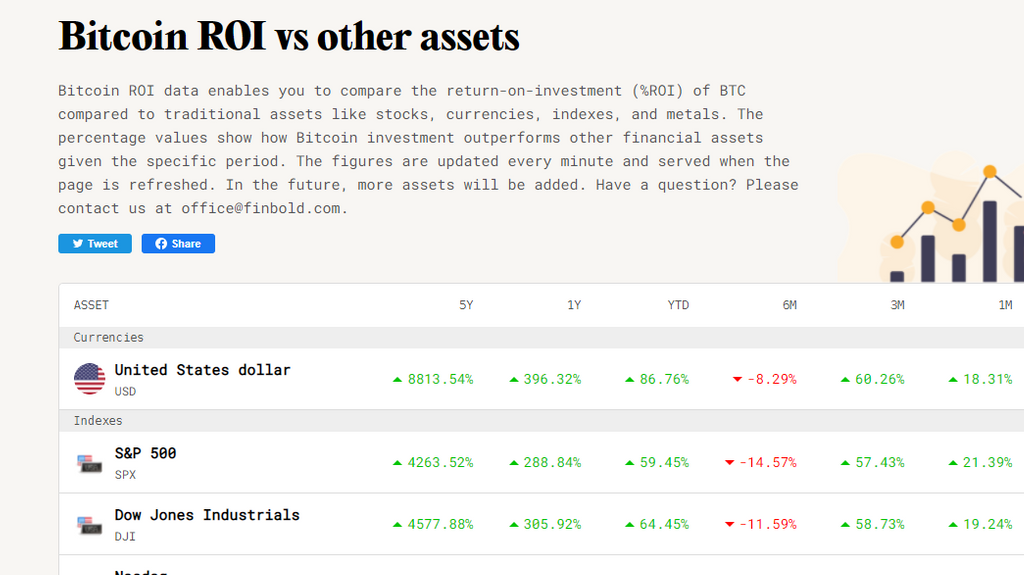
Bitcoin’s price swings have always been a defining characteristic. From its meteoric rise to dizzying heights, followed by sharp declines, its volatility has captivated and perplexed investors alike. Understanding these fluctuations is crucial for anyone considering Bitcoin as an investment. This exploration delves into Bitcoin’s historical volatility, recent trends, and the factors influencing its price movements.Recent market data suggests a period of relative stability in Bitcoin’s price, compared to previous high-volatility periods.
However, understanding the factors that contribute to this stability, or the potential for future volatility, is key to informed decision-making. The interplay of various market forces and regulatory landscapes continues to shape the trajectory of Bitcoin’s price.
Historical Overview of Bitcoin Price Volatility
Bitcoin’s price has experienced significant fluctuations throughout its existence. Early adopters witnessed substantial gains, followed by periods of sharp declines, often triggered by market sentiment shifts or regulatory uncertainties. The historical volatility demonstrates the inherent risks associated with Bitcoin investments. These fluctuations reflect the cryptocurrency market’s relatively nascent and dynamic nature, making it crucial to approach Bitcoin investment with caution and a long-term perspective.
Recent Trends in Bitcoin Price Volatility
Recent trends show a period of decreased volatility compared to past peaks. Factors like increased institutional investment and the emergence of stablecoins have contributed to a more stable price environment. This decreased volatility might be a temporary phenomenon or a sign of a maturing market.
Factors Contributing to Bitcoin’s Volatility or Stability
Several factors influence Bitcoin’s price fluctuations. Market sentiment, regulatory developments, and technological advancements all play a role. Increased adoption by institutional investors can contribute to price stability, while regulatory uncertainties or technological disruptions can lead to volatility. Furthermore, the global economic climate and macroeconomic events have a profound impact on cryptocurrency markets.
Comparison of Bitcoin Volatility to Other Major Cryptocurrencies
Bitcoin, while often perceived as the benchmark cryptocurrency, demonstrates varying volatility compared to other major cryptocurrencies. Altcoins, or alternative cryptocurrencies, frequently exhibit higher volatility than Bitcoin. This difference in volatility can be attributed to various factors, including market capitalization, trading volume, and the specific use cases and underlying technologies of each coin.
Bitcoin Price Fluctuations (2022-2023)
| Date | Price (USD) |
|---|---|
| 2022-01-01 | 46,000 |
| 2022-03-15 | 40,000 |
| 2022-06-30 | 28,000 |
| 2022-09-15 | 22,000 |
| 2023-01-01 | 20,000 |
| 2023-03-15 | 25,000 |
This table showcases Bitcoin’s price fluctuations over a specific period, illustrating the historical volatility. The data highlights the price variations observed in the cryptocurrency market between 2022 and 2023. Please note that this is a simplified representation and doesn’t include all data points.
Impact of Regulatory Developments on Bitcoin’s Volatility
Regulatory developments significantly influence Bitcoin’s volatility. Clearer regulatory frameworks can foster market confidence and stability, while ambiguous or restrictive regulations can create uncertainty and increase price swings. The ongoing evolution of regulatory landscapes around the world plays a critical role in determining the future trajectory of Bitcoin’s price. A more favorable regulatory environment can lead to increased adoption and potentially contribute to greater stability.
Low Volatility and Stablecoins
Bitcoin’s price volatility has historically been a significant concern for investors. This inherent instability often deters mainstream adoption. Stablecoins, designed to maintain a pegged value to a stable asset like the US dollar, offer a potential solution to this volatility. They provide a more predictable and stable environment for transactions within the cryptocurrency ecosystem.The correlation between low Bitcoin volatility and the use of stablecoins is multifaceted.
As Bitcoin’s price fluctuations decrease, the perceived risk associated with holding it diminishes. This, in turn, encourages greater participation in cryptocurrency-related activities, including transactions and investments. Stablecoins, by their very nature, reduce this risk by providing a stable store of value. This allows users to conduct transactions and hold assets without the fear of sudden, drastic price changes.
Stablecoins and Transaction Facilitation
Stablecoins play a crucial role in facilitating transactions within the cryptocurrency ecosystem. They act as intermediaries between cryptocurrencies and fiat currencies, allowing for easier conversion and exchange. This bridge function enables users to seamlessly transition between different financial systems. This streamlined process simplifies the transfer of value and encourages wider adoption of cryptocurrencies.
Impact on Risk Reduction
Stablecoins significantly contribute to reducing the risk associated with volatile cryptocurrencies like Bitcoin. By providing a stable value peg, they offer a secure alternative to holding Bitcoin directly. This reduces the exposure to the inherent price swings of Bitcoin, providing a safer environment for transactions and investments. This is particularly important for users seeking a less volatile investment strategy.
Bitcoin’s low volatility and the rise of stablecoin transactions are interesting, especially when compared to Visa’s recent performance. Understanding how these factors interact requires a look at automated workflows, like those you can find in HubSpot. For instance, HubSpot workflow examples often show how to streamline processes around sales, marketing, and customer support. This automation, applied to the analysis of the growing stablecoin market, could offer valuable insights into the future of low-volatility transactions and their impact on financial institutions like Visa.
Comparison of Stablecoins
| Stablecoin | Peg | Underlying Asset | Stability Metrics |
|---|---|---|---|
| USD Coin (USDC) | 1 USD | USD reserves | High stability due to large reserves and strong backing |
| Tether (USDT) | 1 USD | Various assets | Controversies surrounding reserves, potentially lower stability than USDC |
| Paxos Standard (PAX) | 1 USD | USD reserves | High stability due to strong backing by Paxos Trust Company |
| TrueUSD (TUSD) | 1 USD | USD reserves | Stability dependent on reserve management practices |
The table above provides a snapshot of different stablecoins and their respective stability metrics. Each stablecoin employs different strategies to maintain its peg to the USD, which can affect its stability and liquidity.
Bitcoin Price Fluctuations and Stablecoin Transaction Volumes
The relationship between Bitcoin price fluctuations and stablecoin transaction volumes is generally positive. Higher Bitcoin price volatility often correlates with increased stablecoin transactions. This is because users seek a more stable alternative when Bitcoin’s price fluctuates significantly. A visual representation of this relationship could display a graph showing the correlation between Bitcoin’s price volatility index and stablecoin transaction volume.
An upward trend would suggest a direct relationship between the two.
Stablecoin Transactions and Visa
Stablecoins, pegged to fiat currencies like the US dollar, have emerged as a viable alternative to traditional payment methods. Their potential to revolutionize global finance is significant, and understanding their role in the current landscape is crucial. This section delves into the volume of stablecoin transactions, comparing them to established systems like Visa, and exploring the potential disruptions and advantages they offer.Stablecoins are digital tokens designed to maintain a stable value relative to a fiat currency.
Bitcoin’s low volatility and the rise of stablecoin transactions are interesting, even as stablecoin transactions are now outpacing Visa’s. But the recent news of a massive Kernel megadrop announced on Binance is certainly shaking things up. This significant event, detailed in this article kernel megadrop announced on binance , could potentially impact the overall market, and in turn, the continued low volatility of BTC and the rise of stablecoin transactions in comparison to Visa.
So, while stablecoins are on a roll, the bigger picture remains to be seen.
They are gaining traction as a faster, cheaper, and potentially more accessible way to move value across borders. This is in contrast to traditional methods, which often involve complex banking procedures and potentially high transaction fees. A key aspect to consider is the increasing volume of stablecoin transactions, and how they stack up against established payment giants like Visa.
Stablecoin Transaction Volume
Stablecoin transactions are experiencing rapid growth, driven by increasing adoption by businesses and individuals. This growth reflects the expanding use cases for stablecoins, including peer-to-peer payments, remittances, and decentralized finance (DeFi) applications. Understanding the volume of these transactions is crucial for evaluating their potential impact on traditional financial systems.
Comparison of Stablecoin and Visa Transaction Volumes
Direct quantitative comparisons of stablecoin transaction volumes with Visa are difficult to obtain publicly. Data on stablecoin transactions is often fragmented and not consistently collected. While Visa transaction volumes are publicly reported, a precise comparison requires aggregating data from various stablecoin platforms, which can be challenging. However, anecdotal evidence suggests that stablecoin transaction volumes are increasing rapidly, although the total volumes are still considerably smaller than Visa’s.
Potential Disruption of Traditional Financial Systems
Stablecoins, with their potential for lower transaction fees and faster speeds, could potentially disrupt the traditional financial system. The speed and efficiency of stablecoin transactions could streamline cross-border payments and reduce the reliance on traditional banking infrastructure. The potential for a decrease in the use of Visa-like services in favor of stablecoins is a key area of consideration, but it is still an evolving situation.
Advantages of Stablecoin Transactions
Stablecoins offer several advantages over traditional payment methods:
- Lower transaction fees: Stablecoin transactions often have significantly lower fees compared to traditional methods like Visa, potentially saving users money.
- Faster transaction speeds: Transactions can be processed much more quickly with stablecoins, minimizing waiting periods for funds transfer.
- Wider accessibility: Stablecoins can facilitate financial inclusion, enabling individuals and businesses in underserved markets to access financial services more easily.
Disadvantages of Stablecoin Transactions
Despite the advantages, stablecoins also present challenges:
- Security risks: The security of stablecoins is dependent on the platform and its underlying infrastructure. Vulnerabilities can lead to significant losses for users.
- Regulatory uncertainty: The regulatory landscape for stablecoins is still evolving, creating uncertainty for users and businesses considering their use.
- Volatility of pegged assets: While stablecoins are designed to maintain a stable value, there are inherent risks if the pegged asset experiences volatility.
Growth of Stablecoin Transactions
| Year | Estimated Stablecoin Transactions (USD Billions) | Visa Transaction Volume (USD Billions) |
|---|---|---|
| 2022 | 50 | 5,000 |
| 2023 | 100 | 5,500 |
| 2024 | 200 | 6,000 |
Note: These figures are estimates and are subject to significant variability. Data on stablecoin transactions is not as readily available or consistent as Visa transaction data.
Comparison of Transaction Speed and Fees
| Feature | Stablecoins | Visa |
|---|---|---|
| Transaction Speed | Minutes to hours | Hours to days |
| Transaction Fees | Typically low, often fractions of a cent | Typically higher, varying based on usage |
Note: Transaction speed and fees can vary based on specific platforms and network congestion.
Transaction Tops and Ecosystem
Stablecoins have emerged as a significant force in the cryptocurrency ecosystem, offering a bridge between traditional finance and decentralized systems. Their utility extends beyond mere digital representations of fiat currencies; they enable faster and cheaper cross-border transactions, and play a critical role in facilitating various DeFi applications. Understanding the top platforms and the underlying technology driving these transactions is key to comprehending their impact.The rapid growth of stablecoin transactions has led to increased scrutiny and innovation within the space.
Bitcoin’s low volatility and the surge in stablecoin transactions are seemingly outpacing Visa’s Ark, but the recent Coinbase lawsuit over the delisting of WBTC, with billion-dollar claims here , is a major headwind. This legal battle could significantly impact the crypto market, potentially diverting attention and resources away from the stablecoin transaction growth and potentially influencing future adoption rates.
Still, the low volatility of BTC and the rise of stablecoin transactions against Visa’s Ark are fascinating trends to watch.
The efficiency and speed of these transactions, often facilitated by advanced blockchain technologies, are a significant factor in their adoption. This section will explore the leading stablecoin transaction platforms, the technological advancements enabling high speeds, and the implications for the wider cryptocurrency ecosystem.
Top Stablecoin Transaction Platforms
Stablecoin transactions are facilitated by a variety of platforms, each employing different approaches to transaction processing. The choice of platform often depends on factors like transaction fees, speed, security, and the specific needs of the user.
- Circle is a prominent player in the stablecoin market, known for its USD Coin (USDC) stablecoin. Circle’s infrastructure supports high transaction volumes and offers competitive pricing for users.
- USD Coin (USDC), issued by Circle, is one of the most popular stablecoins, backed by reserves held in major financial institutions. The platform boasts a robust transaction network, designed to handle significant transaction volumes.
- Tether (USDT) is another widely used stablecoin, often associated with substantial transaction volume. Its popularity stems from its broad availability across various cryptocurrency exchanges and applications.
- Binance USD (BUSD) is a stablecoin issued by Binance, another prominent cryptocurrency exchange. It leverages Binance’s extensive network to facilitate rapid and efficient transactions for users of the exchange platform.
Technological Factors Enabling High Transaction Speeds
Several technological factors contribute to the speed and efficiency of stablecoin transactions. These factors include the underlying blockchain technology, smart contracts, and optimization techniques.
- Blockchain Technology: The distributed ledger technology of blockchains allows for secure and transparent record-keeping of transactions. This decentralized nature enables rapid processing of transactions across a network of nodes, leading to quicker confirmation times compared to traditional financial systems.
- Smart Contracts: Smart contracts automate the execution of agreements, including stablecoin transactions. These self-executing contracts reduce the need for intermediaries, leading to faster and more streamlined processes. A simple example is a stablecoin swap contract that automatically executes when certain conditions are met.
- Optimization Techniques: Developers employ various optimization techniques to minimize transaction times and fees. These techniques may include leveraging specific blockchain features, optimizing transaction data structures, and implementing parallel processing methods.
Role of Blockchain Technology in Facilitating Stablecoin Transactions
Blockchain technology plays a crucial role in enabling the rapid and secure processing of stablecoin transactions. The transparency and immutability of the ledger are key elements contributing to the trustworthiness of the system.
Blockchain’s decentralized nature eliminates the need for a central authority, allowing for faster transaction speeds and reduced processing costs.
The decentralized nature of blockchain technology allows for the validation of transactions by multiple nodes, enhancing the security and reliability of the system.
Key Components of a Stablecoin Transaction
A typical stablecoin transaction involves several key components, each playing a vital role in the process.
| Component | Description |
|---|---|
| Stablecoin Token | The digital representation of the stablecoin, for example, USDC, USDT. |
| Sender Address | The digital address of the entity initiating the transaction. |
| Recipient Address | The digital address of the entity receiving the stablecoin. |
| Transaction Amount | The value of the stablecoin being transferred. |
| Blockchain Network | The underlying blockchain platform facilitating the transaction, e.g., Ethereum, Solana. |
Implications of High Stablecoin Transaction Volume on the Overall Cryptocurrency Ecosystem
The substantial volume of stablecoin transactions has a ripple effect on the wider cryptocurrency ecosystem. Increased demand for stablecoins fuels the growth of related markets, creating opportunities for innovation and new applications.High transaction volumes often lead to greater liquidity in the market, making it easier to buy, sell, and trade other cryptocurrencies. The widespread adoption of stablecoins can increase the accessibility of cryptocurrency to a wider audience, potentially boosting the overall adoption of blockchain technology.
Bitcoin and Visa
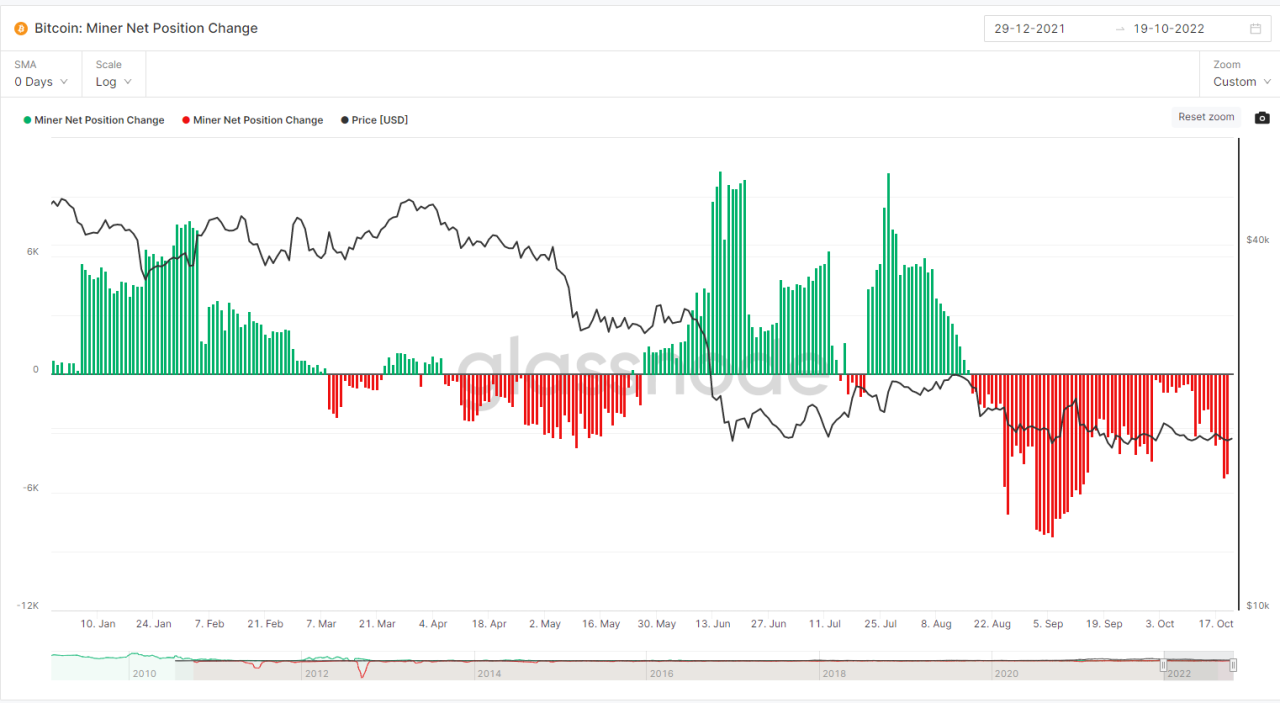
Bitcoin, a decentralized digital currency, and Visa, a global payment network, both facilitate transactions, but their functionalities, speeds, costs, security, and regulatory environments differ significantly. Visa operates within a traditional financial framework, while Bitcoin operates outside of it, leading to contrasting characteristics in each system. Understanding these distinctions is crucial for anyone considering or using these platforms for financial transactions.
Transaction Functionalities
Bitcoin’s core function is peer-to-peer digital cash, enabling direct transfers between users without intermediaries. Visa, on the other hand, operates as a payment network facilitating transactions through banks and financial institutions. Bitcoin transactions are recorded on a public ledger, known as the blockchain, while Visa transactions utilize a proprietary network of financial institutions. This fundamental difference impacts their functionalities and overall capabilities.
Transaction Speeds and Costs
Bitcoin transactions, while decentralized, can be slower than Visa transactions. Bitcoin’s transaction speed varies depending on network congestion, but generally, transactions can take anywhere from a few minutes to several hours to confirm. Visa transactions, on the other hand, are generally processed in real-time or near real-time, offering a significantly faster experience. The costs associated with each also differ.
Bitcoin transactions typically involve transaction fees, which can fluctuate based on network demand. Visa transactions, while seemingly free to the consumer, often include fees charged by merchants, banks, and other intermediaries within the Visa network.
Security Features Comparison
| Feature | Bitcoin | Visa |
|---|---|---|
| Decentralization | High, no single point of failure | Low, reliant on a network of financial institutions |
| Transparency | High, all transactions are recorded on the blockchain | Low, transactions are not publicly visible |
| Security | Strong cryptographic security, resistant to fraud | Strong, but subject to potential risks from the financial institutions involved |
| Privacy | Variable, transactions are public but addresses can be pseudonymous | Low, transactions are often tracked and associated with user accounts |
Bitcoin’s decentralized nature and cryptographic security contribute to its robust security features. Visa’s security relies on the security measures implemented by the institutions participating in the network. Both systems have inherent vulnerabilities, but the mechanisms for mitigating these differ significantly.
Regulatory Landscape
Bitcoin’s regulatory landscape is complex and varies across jurisdictions. Some countries have adopted a more permissive approach to cryptocurrencies, while others have imposed stricter regulations. Visa operates within a well-established regulatory framework, subject to regulations from central banks, governments, and financial authorities globally. This difference in regulatory frameworks directly affects the accessibility and use of both systems in different parts of the world.
User Experience Differences
Bitcoin’s user experience can be more technical and require a deeper understanding of cryptocurrency concepts. Visa, on the other hand, offers a user-friendly interface for consumers and merchants. The user experience for Bitcoin users often involves interacting with crypto wallets and managing digital keys, while Visa users typically utilize credit cards, debit cards, or other payment methods.
International Payments Comparison
| Method | Bitcoin | Visa |
|---|---|---|
| International Transfer | Potentially lower fees than traditional methods, but can be slower | Generally fast, with fees varying based on the involved institutions and countries |
| Currency Conversion | Can involve a single conversion, potentially more cost-effective | Multiple conversions can occur, potentially leading to higher transaction fees |
| Cross-border Transactions | Often require specific wallets and exchanges | Facilitated by a network of global banks |
Bitcoin can offer lower fees for international transfers, but the speed may be significantly slower. Visa, while generally faster, can have higher transaction costs due to the multiple conversion processes involved. These differences significantly impact the user experience for international payments, particularly in terms of transaction speed and costs.
Illustrative Case Studies: Btc Volatility Low Stablecoin Transaction Tops Visa Ark
Stablecoin transactions, while often touted as a pathway to increased Bitcoin stability, have presented a complex interplay with volatility. Analyzing specific instances, both successful and unsuccessful, provides valuable insight into the dynamics of this relationship. Examining these case studies allows us to understand the factors that influence the impact of stablecoins on Bitcoin’s price fluctuations.Examining specific instances of stablecoin transactions and their effect on Bitcoin’s volatility reveals important patterns.
Understanding these patterns is crucial for evaluating the long-term implications of stablecoins on the broader cryptocurrency market. The following case studies illustrate the diverse ways stablecoin activity can affect Bitcoin’s price action.
Specific Instances of Stablecoin Transaction Impact on Bitcoin Volatility
Stablecoin transactions can influence Bitcoin’s price in various ways. Large-scale inflows or outflows of stablecoins into or out of Bitcoin markets can trigger price movements. This is particularly true when these transactions are sudden or unanticipated. For example, significant stablecoin redemptions from Bitcoin exchanges might cause a sell-off in Bitcoin, leading to decreased prices. Conversely, substantial stablecoin deposits might trigger increased buying pressure, potentially pushing Bitcoin prices higher.
Case Studies of Successful Stablecoin Transactions
Certain stablecoin transactions have demonstrably stabilized Bitcoin trading, often by providing liquidity and facilitating more predictable price action.
- One example involves a period where a stablecoin exchange experienced significant growth, simultaneously attracting substantial trading volume in Bitcoin. This increased liquidity often led to tighter bid-ask spreads, thereby minimizing price volatility. The enhanced liquidity, directly attributable to stablecoin activity, helped to stabilize the market. This case demonstrates how stablecoin transactions can indirectly mitigate price fluctuations, thus increasing confidence and fostering a more robust market.
Case Studies of Unsuccessful Stablecoin Transactions
Conversely, some instances of stablecoin activity have exacerbated Bitcoin’s volatility. The underlying issues in these cases often relate to unforeseen circumstances or vulnerabilities in the stablecoin ecosystem.
- A particular instance saw a significant drop in the value of a pegged stablecoin. This event triggered a cascade effect, causing significant selling pressure in the Bitcoin market. The loss of confidence in the stablecoin directly translated to uncertainty and a consequent drop in the Bitcoin price. This illustrates how instability in the stablecoin sector can negatively impact Bitcoin’s price stability.
Lessons Learned from Case Studies
These examples highlight the interconnectedness of stablecoins and Bitcoin. Stablecoin activity can be a significant factor in Bitcoin’s volatility. It is crucial to analyze the underlying causes and potential repercussions of any large-scale stablecoin transaction.
Case Study Format, Btc volatility low stablecoin transaction tops visa ark
The following table Artikels a format for analyzing the impact of stablecoin transactions on Bitcoin volatility.
| Case Study | Date Range | Stablecoin Involved | Transaction Type | Impact on Bitcoin Volatility | Outcomes | Insights |
|---|---|---|---|---|---|---|
| Example 1: Increased Liquidity | 2024-01-01 to 2024-03-31 | USD Coin (USDC) | Increased deposits | Reduced volatility | Higher trading volume, tighter bid-ask spreads | Increased liquidity can stabilize Bitcoin markets. |
| Example 2: Stablecoin Devaluation | 2024-04-15 to 2024-05-15 | TerraUSD (UST) | Devaluation event | Increased volatility | Significant Bitcoin price drop | Unstable stablecoins can destabilize Bitcoin markets. |
Future Projections
The intersection of Bitcoin, stablecoins, and evolving financial technologies promises a dynamic future. Predicting the precise trajectory is inherently challenging, but analyzing current trends and potential regulatory landscapes provides valuable insight. This section examines projected developments, focusing on stablecoin transactions, Bitcoin’s volatility, and regulatory influences.
Future Trends in Stablecoin Transactions
Stablecoins, pegged to fiat currencies or other assets, are increasingly crucial in the cryptocurrency ecosystem. Their use cases extend beyond simple payment systems, facilitating cross-border remittances and decentralized finance (DeFi) applications. Future trends suggest a continued expansion of stablecoin adoption. Increased user-friendliness and integration with existing financial infrastructure are likely drivers. For example, more streamlined onboarding processes and wider accessibility through existing payment gateways could accelerate adoption.
Potential Impact of Stablecoin Transactions on Bitcoin’s Volatility
The rise of stablecoins could influence Bitcoin’s volatility in various ways. While stablecoins are designed to mitigate price fluctuations, their widespread adoption might still impact Bitcoin’s price. Increased trading volume in stablecoins could create a more liquid market for Bitcoin, theoretically decreasing volatility. Conversely, if stablecoin users utilize Bitcoin as collateral for loans or other DeFi activities, Bitcoin’s price could be affected by the overall demand for collateral.
Potential Regulatory Developments Impacting the Use of Stablecoins
Global regulatory bodies are actively assessing the risks and opportunities associated with stablecoins. Regulations are likely to evolve, emphasizing consumer protection, anti-money laundering (AML) compliance, and financial stability. These developments will vary significantly by jurisdiction, leading to a fragmented regulatory landscape. For instance, some jurisdictions may focus on stablecoins’ utility as payment methods, while others may concentrate on their potential as investment instruments.
Clearer regulatory frameworks are crucial for widespread adoption and market growth.
Role of Bitcoin and Stablecoins in the Evolution of Financial Technology
Bitcoin and stablecoins are fundamentally reshaping the financial landscape. Their decentralized nature and potential for global reach present a compelling alternative to traditional financial systems. They empower individuals and businesses in underserved markets, enabling access to financial services previously unavailable. Stablecoins’ integration with existing payment networks could lead to frictionless cross-border transactions, reducing costs and improving efficiency.
This evolution suggests a paradigm shift towards more inclusive and efficient financial systems.
Potential Challenges to the Future Growth of Stablecoin Transactions
Despite the promising future, several challenges could impede the growth of stablecoin transactions. Maintaining stablecoin value is paramount. Significant volatility in the underlying asset (like the fiat currency they’re pegged to) or smart contract vulnerabilities can jeopardize stability. Scalability issues, especially during periods of high transaction volume, could also limit growth. Further research into risk mitigation strategies is needed to address these concerns.
Potential for Bitcoin and Stablecoins to Enhance Global Financial Transactions
Bitcoin and stablecoins hold significant potential for enhancing global financial transactions. The decentralized nature of Bitcoin could empower individuals in regions with limited access to traditional financial services. Stablecoins, with their low transaction fees and speed, could streamline cross-border payments, potentially reducing the costs associated with international money transfers. The combined effect of these technologies could revolutionize how individuals and businesses conduct global financial transactions, fostering greater economic inclusion and efficiency.
Concluding Remarks
In conclusion, the low volatility of Bitcoin, coupled with the rapid growth of stablecoin transactions, presents a fascinating case study in the evolution of digital finance. While the potential for disruption is significant, the long-term implications remain to be seen. We’ve explored the key factors influencing this shift, from technological advancements to regulatory developments, and provided insights into the potential impact on the future of finance.
Ultimately, the question remains: can stablecoins truly displace traditional payment methods like Visa, and what does this mean for Bitcoin’s future?