Bridging the Global Education Gap: How TED-Ed Student Talks and TED Summer School Empower the Next Generation of Visionaries

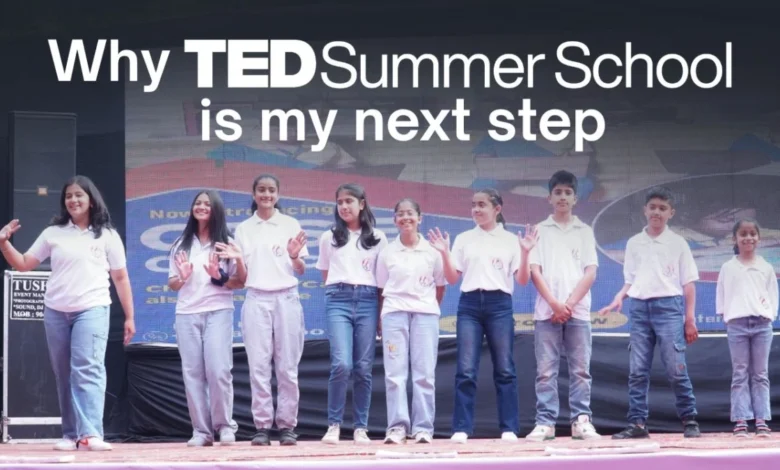
The global educational landscape is undergoing a significant transformation, shifting from traditional rote memorization toward the cultivation of "soft skills" such as public speaking, critical thinking, and social advocacy. At the forefront of this movement is a decade-long initiative by TED-Ed Student Talks, which has recently expanded its reach through a strategic partnership with Immerse Education to launch the TED Summer School. This initiative, designed for motivated students aged 15 to 18, aims to bridge the gap between academic theory and real-world impact. The program’s mission was recently personified by the success of Samya Gupta, a student from a small town in India who emerged as one of the top 11 winners out of more than 2,000 global entries in the "Learning to be Heard" challenge, earning a prestigious scholarship to the upcoming TED Summer School in Singapore.
The Evolution of TED-Ed and the Rise of TED Summer School
For over ten years, the TED-Ed Student Talks program has served as a global incubator for young minds, providing a platform for millions of students to articulate their ideas. The program is built on the philosophy that ideas worth spreading can come from any age group and any geographic location. By providing a structured framework for students to discover, research, and present their passions, TED-Ed has moved beyond the classroom to influence global conversations on education, mental health, and social justice.
In 2024, TED took this mission a step further by partnering with Immerse Education, a renowned organization known for providing elite academic programs at top-tier university locations. This partnership birthed the TED Summer School, a transformative two-week residential and virtual program. The curriculum is meticulously designed to move participants through core theory and practical sessions, supplemented by guest speakers and personal coaching from expert tutors. The goal is not merely to teach students how to speak, but to teach them how to lead through storytelling mastery.
The "Learning to be Heard" Challenge: A Global Search for Talent
To promote accessibility and identify the world’s most promising young voices, TED and Immerse Education launched the "Learning to be Heard" challenge. The competition asked a singular, profound question: "If the whole world is listening to you for a minute, what would you say?"
The response was overwhelming, with over 2,000 students from various continents submitting one-minute video messages. The entries covered a vast array of topics, from climate change and poverty to technological ethics. However, the selection committee sought voices that offered a unique perspective and personal authenticity. Among the top 11 winners was Samya Gupta, whose entry stood out for its focus on the "geographic destiny" of students in developing nations. Her win highlights a critical aspect of the TED-Ed mission: democratizing the platform for those outside of major metropolitan hubs.
A Case Study in Leadership: Samya Gupta’s Journey
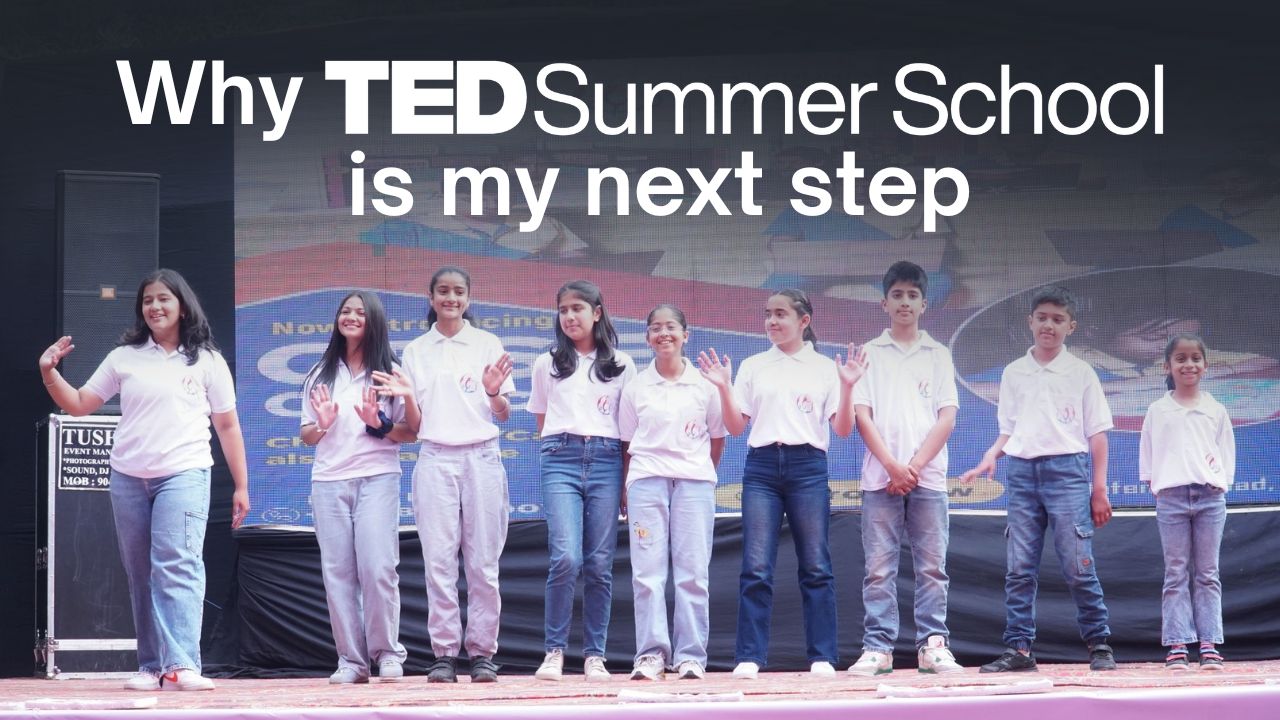
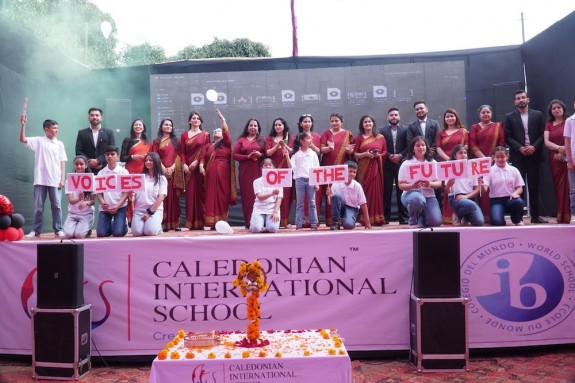
Samya Gupta’s trajectory illustrates the cumulative impact of the TED-Ed ecosystem. Her journey began within her local school environment in India, which hosted two TEDx events and a TED-Ed Student Talks program. Gupta’s involvement was not limited to the stage; she took on the role of student coordinator, managing the complex logistics of speaker schedules, presentations, and event flow.
"That first TEDx taught me how to actually organize things, take up leadership, focus on deadlines, and make the event work," Gupta noted in a recent discussion with TED-Ed Program Manager Shraya Sharma. This hands-on experience in event management provided her with a pragmatic understanding of how intellectual discourse is curated and delivered.
When she eventually stepped onto the stage as a speaker, Gupta chose to address the mental health struggles of Indian teenagers, specifically targeting parents as her primary audience. By utilizing the TED-Ed framework, she was able to condense a broad, complex issue into a high-impact narrative—a skill she credits with increasing her confidence and sense of responsibility.
Overcoming the Small-Town Narrative
A central theme in Gupta’s successful scholarship bid was the challenge of being a student from a small town in a country with massive urban-rural divides. In her winning video, she addressed the feeling of "lagging behind" when compared to peers in major cities like Delhi or Mumbai.
"I was made fun of for being from a small town, and it affected me deeply," Gupta shared. "I wanted my video to convey that your town is not your destiny."
This sentiment resonates with a growing global movement to equalize educational opportunities. According to data from various international education NGOs, students in non-metropolitan areas often lack access to the mentorship and "global exposure" necessary to compete for international scholarships and university placements. By awarding scholarships to students like Gupta, TED Summer School is actively working to dismantle these barriers.
The Curriculum: Mastery Through Mentorship
The TED Summer School program in Singapore, New York, and London is built on a foundation of intensive mentorship. Unlike traditional summer camps, the program focuses on a "TED-style" talk as the final capstone project.
- Core Theory: Students study the mechanics of narrative structure, learning how to hook an audience and build a persuasive argument.
- Practical Sessions: Participants engage in vocal coaching, body language workshops, and stagecraft.
- Expert Coaching: Tutors provide one-on-one feedback, helping students refine their "one big idea."
- University Mentorship: A unique feature of the program is the involvement of mentors from leading global universities. These mentors provide insights into higher education, helping students navigate the transition from high school to university life.
For Gupta, the decision to attend the Singapore cohort was strategic. As she considers her future academic path, the opportunity to interact with university students in one of the world’s leading educational hubs provides both personal and professional advantages.
Data and Implications: The Value of Public Speaking in the 21st Century
The emphasis on public speaking and storytelling is backed by economic and educational data. A study by the National Association of Colleges and Employers (NACE) consistently ranks "communication skills" as one of the top three qualities sought by employers, often exceeding technical proficiency. Furthermore, the World Economic Forum’s "Future of Jobs Report" identifies analytical thinking and social influence as the most critical skills for the 2025 labor market.
Programs like TED Summer School are effectively addressing a gap in the traditional curriculum. While schools excel at teaching math and science, they often struggle to provide a platform for "social impact" learning. The TED-Ed model encourages students to look at their communities, identify problems, and propose solutions, thereby fostering a generation of "changemakers."
Broader Impact and Official Responses
The partnership between TED and Immerse Education has been met with positive responses from educators and parents alike. Samya’s father, who serves as a curator for local TEDx events, noted that the scholarship provided a sense of validation. "For me, the scholarship was a kind of confirmation that despite where I come from, I can do what I set my heart to," Samya stated.
The accessibility of the program via scholarships is a critical component of its success. Without financial aid, many high-potential students from developing economies would be excluded from such prestigious global platforms. By providing 11 full scholarships in this round alone, the program is setting a precedent for corporate and non-profit responsibility in the education sector.
Looking Forward: A Global Community of Changemakers
As the summer program approaches, the focus remains on the long-term impact on the participants. The goal of TED Summer School is not just to produce a single talk, but to instill a lifelong capacity for effective communication.
"The end goal is not just to be heard, but to actually say things that matter," Gupta emphasized. This philosophy underscores the entire TED-Ed mission. As students from around the world gather in Singapore, London, and New York, they are not just learning to speak; they are learning to think more deeply about the world’s most pressing issues.
The results of this year’s cohorts will be closely watched by educational analysts. As Samya Gupta prepares for her journey to Singapore, she carries with her the hopes of other small-town students who previously felt sidelined by the global educational elite. Her story serves as a powerful reminder that when given the right platform and mentorship, the next "idea worth spreading" can come from anywhere. TED-Ed plans to follow up with Samya after the program to share the final version of her TED-style talk, providing a blueprint for other aspiring young speakers to follow.