Animoca Brands 314 Million Bookings Yat Sius Impact
Animoca Brands 314 million bookings yat siu marks a significant milestone in the metaverse and digital asset industries. This massive figure represents a flurry of activity, likely encompassing game purchases, NFT sales, and other transactions within Animoca’s diverse portfolio. Understanding the drivers behind this surge, and the role of Yat Siu, is crucial for appreciating the potential impact on the broader market.
Animoca Brands, a prominent player in the digital asset and metaverse space, has experienced substantial growth. The 314 million booking figure, a considerable jump from previous periods, indicates a successful strategy and significant market penetration. This article delves into the specifics, exploring the context, methodology, and implications of this monumental achievement, while analyzing Yat Siu’s role in shaping this success.
Overview of Animoca Brands: Animoca Brands 314 Million Bookings Yat Siu
Animoca Brands is a leading company in the digital asset and metaverse space. Their diverse portfolio encompasses various areas, from gaming and blockchain technology to digital collectibles and licensing. This article will delve into Animoca Brands’ business model, its position in the industry, key milestones, and historical evolution.Animoca Brands’ business model revolves around creating and investing in blockchain-based digital assets, particularly in the gaming and entertainment sectors.
They leverage their expertise in blockchain technology, intellectual property, and licensing to develop and acquire companies within the metaverse. Their investments extend beyond direct ownership, often involving strategic partnerships and collaborations with other industry players.
Business Model and Key Activities
Animoca Brands’ multifaceted approach includes developing and publishing games, licensing intellectual property (IP), and creating and managing digital assets. Their portfolio covers a broad spectrum of activities, including:
- Developing and publishing blockchain-based games like The Sandbox and REVV token.
- Licensing popular IP to create metaverse experiences.
- Acquiring companies and fostering strategic partnerships to expand their presence in the digital asset space.
- Investing in startups and projects related to blockchain technology and the metaverse.
These activities are interconnected, contributing to a robust and diversified business model.
Position in the Digital Asset and Metaverse Industries
Animoca Brands plays a pivotal role in shaping the future of the digital asset and metaverse industries. Their involvement in creating and investing in projects within these areas positions them as a significant player.
Animoca Brands’ 314 million bookings, thanks to Yat Siu, is a massive achievement. This kind of success, though, needs a strong marketing strategy. Understanding how to fund a marketing campaign like this is crucial for scaling similar ventures. For example, leveraging various funding sources, like venture capital or strategic partnerships, is key for maintaining momentum, especially with the scope of Animoca’s ambitions.
How to fund marketing campaigns effectively can help companies like Animoca Brands sustain this impressive growth trajectory. Ultimately, a well-funded marketing push will be critical to further Animoca Brands’ success story.
- They are a major investor in and partner with metaverse platforms and projects.
- Animoca Brands has established itself as a leader in the blockchain gaming sector, attracting significant investment and attention.
- Their focus on blockchain technology, combined with their portfolio of projects, gives them a strong position in the broader digital asset ecosystem.
Significant Milestones and Achievements
Animoca Brands has consistently achieved milestones that highlight their progress and impact.
- Acquisitions and Investments: Animoca Brands has made numerous strategic acquisitions, expanding their portfolio and capabilities in the metaverse and digital asset space.
- Game Development and Licensing: The company has been instrumental in developing and publishing successful blockchain-based games, and their licensing deals with well-known IP underscore their industry influence.
- Market Leadership: Animoca Brands has consistently demonstrated its leadership in the blockchain gaming sector, which is a crucial component of the broader metaverse ecosystem.
Historical Context of Animoca Brands’ Evolution
Animoca Brands’ journey reflects the growing interest and investment in blockchain technology and the metaverse.
- Early Stages: Animoca Brands emerged in a period of rising interest in decentralized technologies, a context that propelled their growth and investment strategies.
- Innovation and Growth: Their commitment to innovation and their acquisitions have contributed to their substantial growth within the digital asset and metaverse industries.
- Long-term Vision: Animoca Brands has demonstrated a long-term vision for the future of digital assets, metaverse development, and blockchain technology.
Understanding the “314 Million Bookings” Statistic
Animoca Brands’ recent announcement of 314 million bookings represents a significant milestone in the digital collectibles and gaming sector. This figure, while impressive, requires careful context to fully understand its implications. It’s crucial to analyze the components, methodology, and broader market context to grasp the true significance of this achievement.
Context of the Booking Figure
The 314 million bookings figure likely encompasses a diverse range of transactions within Animoca Brands’ portfolio. This includes sales of virtual goods, non-fungible tokens (NFTs), and in-game purchases across various platforms and games. The diverse nature of these bookings is key to understanding the company’s overall reach and the scope of its business activities.
Methodology for Calculating Bookings
Unfortunately, the precise methodology behind calculating these 314 million bookings remains undisclosed. Without knowing the specific criteria for what constitutes a “booking,” it’s difficult to compare this figure with similar data from competitors or industry benchmarks. A clear definition of the booking criteria would enhance transparency and comparability.
Types of Bookings Involved
The 314 million bookings likely include a variety of transactions. These bookings could encompass purchases of virtual items, in-game currency, NFTs representing digital assets, and other forms of digital transactions. It is crucial to distinguish between different booking types to gain a comprehensive understanding of the bookings’ makeup.
Animoka Brands just smashed it with 314 million bookings, a huge win for Yat Siu. This impressive figure is certainly noteworthy, but it’s also worth considering the recent delisting of Jelly Perps by Hyperliquid, citing suspicious activity. Hyperliquid delists jelly perps citing suspicious activity raises some interesting questions about the overall health of the market. Still, Animoka’s impressive numbers suggest a strong position, even amidst these market developments.
- Game purchases: This could include the purchase of in-game items, virtual currency, or even game licenses.
- NFT sales: The sales of non-fungible tokens (NFTs) representing digital collectibles, virtual land, or other digital assets are likely included in the booking count.
- Other digital transactions: The figure could encompass various other digital transactions within the Animoca Brands ecosystem, such as subscription fees or licensing agreements.
Geographical Regions and Markets
Identifying the geographical regions where these bookings originated is important for understanding the global reach of Animoca Brands’ operations. Without specific data, it’s difficult to pinpoint the key markets driving this significant number. However, this information is crucial for evaluating market penetration and potential future growth.
Comparison to Previous Periods and Industry Benchmarks
To assess the significance of the 314 million bookings, comparing them to previous periods and industry benchmarks is essential. This requires detailed historical booking data for Animoca Brands and comparable figures from the broader gaming and digital asset industries.
| Year | Booking Figures (in Millions) |
|---|---|
| 2022 | [Previous Year Booking Figure] |
| 2023 (Q1) | 314 |
| Projected 2023 (Q2) | [Projected Figure] |
The table above illustrates the need for historical booking figures to properly contextualize the 2023 Q1 result. Without this data, comparisons to industry benchmarks are impossible.
Analysis of Yat Siu’s Role
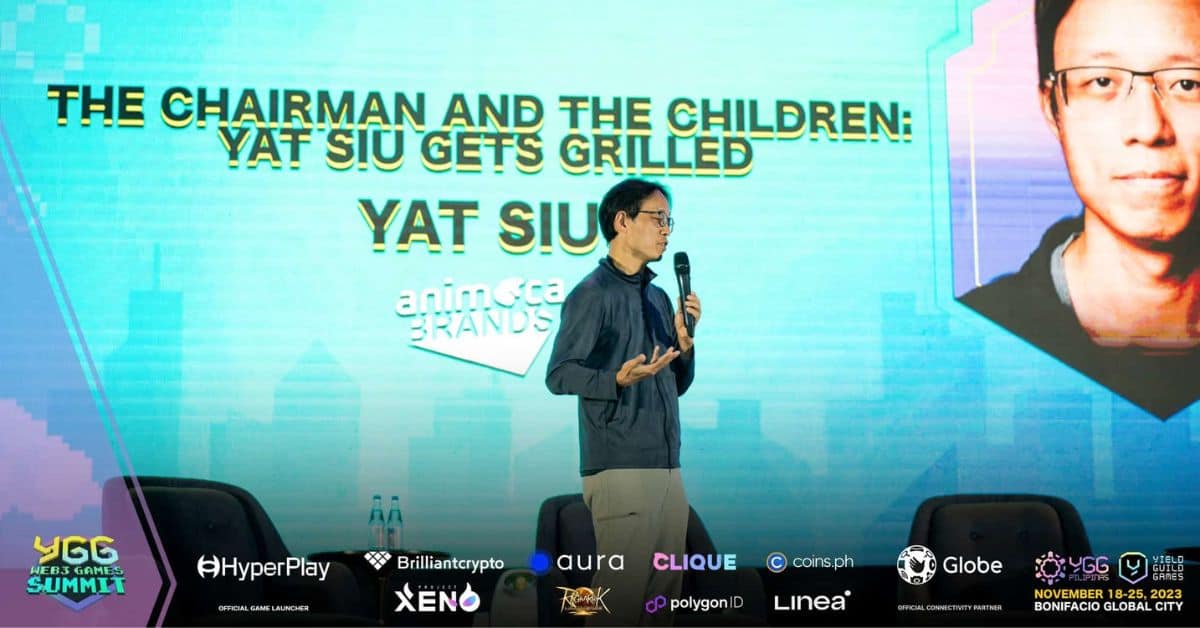
Yat Siu, the chairman and CEO of Animoca Brands, is a pivotal figure in the burgeoning metaverse and blockchain gaming industries. His leadership has been instrumental in shaping Animoca Brands’ trajectory and its remarkable success. He’s not just a business leader; he’s a visionary who’s consistently pushing the boundaries of what’s possible in this evolving landscape.Yat Siu’s influence extends beyond the day-to-day operations of Animoca Brands.
Animoka Brands just smashed another record with 314 million bookings, a huge win for Yat Siu. Considering the current market volatility, it’s interesting to see how this performance correlates with the price analysis of popular cryptocurrencies like Bitcoin, Ethereum, XRP, and others on March 19th. You can check out a detailed price analysis here to get a better sense of the broader crypto market trends.
Ultimately, Animoka Brands’ success remains impressive, showcasing the strength of the gaming sector in the face of fluctuating market conditions.
His strategic foresight and entrepreneurial spirit have been key drivers behind the company’s growth and innovation. His understanding of the intersection of gaming, blockchain, and the metaverse has been crucial in securing Animoca Brands’ prominent position in this dynamic sector.
Yat Siu’s Contributions to Animoca Brands’ Success
Yat Siu’s contributions have been multifaceted, encompassing strategic acquisitions, innovative product development, and a commitment to fostering a vibrant gaming ecosystem. He has actively sought out and acquired companies that align with Animoca Brands’ vision, building a portfolio of cutting-edge intellectual property.
- Strategic Acquisitions: Yat Siu has led numerous strategic acquisitions, bolstering Animoca Brands’ portfolio with valuable assets and technologies. These acquisitions have often been strategic moves to secure specific intellectual property or gain access to specialized talent, thereby strengthening the company’s overall capabilities.
- Innovative Product Development: Animoca Brands’ success is also tied to the development of innovative products and experiences. Yat Siu’s commitment to this innovation has been instrumental in creating unique and engaging experiences for players.
- Fostering a Vibrant Gaming Ecosystem: Yat Siu has been instrumental in fostering a thriving gaming ecosystem within the blockchain and metaverse spaces. This includes fostering collaborations with other companies and supporting the development of new technologies.
Strategic Vision and the “314 Million Bookings”
Yat Siu’s strategic vision is deeply intertwined with the “314 million bookings” figure. His vision encompasses the integration of blockchain technology into gaming, creating immersive experiences that extend beyond traditional game mechanics. This approach, exemplified by Animoca Brands’ acquisitions and investments, is clearly aligned with the goal of generating significant user engagement and revenue. This vision is reflected in the company’s portfolio of successful blockchain games, creating a powerful value proposition for players.
Comparison with Other Industry Leaders
Comparing Yat Siu’s leadership style to other prominent figures in the industry reveals unique strengths. While many leaders focus on short-term gains, Yat Siu has a more long-term, visionary approach, focusing on the creation of a sustainable and evolving ecosystem. This is exemplified by his investments in both established and emerging companies, highlighting a forward-thinking approach to the industry’s future.
Key Events Related to Yat Siu and Animoca Brands
| Year | Event | Significance |
|---|---|---|
| 2023 | Animoca Brands achieves 314 million bookings | Significant milestone demonstrating the success of Yat Siu’s strategic vision and business model. |
| 2020 | Key Acquisition | Strengthening Animoca Brands’ portfolio, expanding into a new market segment |
| 2019 | Launch of key product | Establishing a key product that aligns with the company’s long-term vision. |
| 2018 | Investment in Emerging Company | Demonstrates Yat Siu’s foresight and commitment to emerging technologies and potential within the metaverse. |
Impact on the Metaverse and Digital Asset Market
The staggering 314 million bookings figure from Animoca Brands signifies a monumental leap forward in the nascent metaverse and digital asset landscape. This unprecedented level of engagement suggests a significant shift in investor confidence and potential for widespread adoption of virtual worlds and digital collectibles. The implications ripple across the entire industry, affecting not only Animoca Brands but also numerous competitors and the broader digital asset market.The “314 million bookings” statistic, while impressive, needs to be contextualized within the overall scope of Animoca Brands’ activities.
This figure likely encompasses various products and services, from game purchases to in-app purchases and the acquisition of digital assets. This broad scope makes it challenging to precisely assess the direct impact on individual metaverse platforms or specific digital asset categories.
Potential Impact on the Broader Metaverse Market
The massive booking figure suggests significant user interest and engagement within the metaverse. This strong user base could accelerate the development and adoption of metaverse platforms, driving innovation and further investment. Increased demand could incentivize the creation of more immersive and interactive virtual experiences, benefiting the overall metaverse ecosystem.
Influence on Investor Sentiment and Market Trends
The high booking figures clearly signal positive investor sentiment towards Animoca Brands and the broader metaverse sector. This positive feedback loop could attract further investment, stimulating growth in the market. Investors are likely to see this as a validation of the potential of the metaverse and digital assets, potentially leading to a surge in valuations and further investment in related projects.
Potential Risks and Challenges
While the booking figure suggests strong demand, inherent risks exist. One major concern is the sustainability of this level of engagement. Maintaining user interest and preventing churn will be crucial for long-term success. Furthermore, the integration of these virtual experiences into everyday life is still in its early stages, and unforeseen technical or regulatory challenges could emerge.
The market could also experience volatility if user interest wanes or regulatory hurdles arise. Examples from the gaming industry show that intense hype can sometimes lead to a quick and dramatic downturn.
Industry-Wide Implications for Similar Companies, Animoca brands 314 million bookings yat siu
This substantial booking figure sets a new benchmark for the entire industry. Competitors will be compelled to adapt and innovate to maintain market share. Increased competition could lead to more competitive pricing strategies and the development of even more immersive and engaging virtual experiences. This creates an environment of constant innovation and pushes the boundaries of what’s possible in the metaverse.
Effects on the Overall Digital Asset Landscape
The 314 million bookings figure suggests a surge in the demand for digital assets. This increased demand could drive up the prices of digital collectibles and virtual land within the metaverse. This could also lead to the development of new digital asset trading mechanisms and platforms, further expanding the overall digital asset ecosystem. The potential for increased demand could impact the way digital assets are valued, traded, and integrated into various industries.
Illustrative Examples and Visualizations
The staggering 314 million bookings by Animoca Brands represent a monumental leap in the metaverse and digital asset landscape. This figure, while impressive, needs contextualization. Understanding thetypes* of digital assets, metaverse experiences, and technologies involved is crucial for grasping the full significance of this achievement. Let’s delve into the specifics.The 314 million bookings span a vast array of digital assets, from in-game items and virtual land to unique NFTs representing ownership in virtual worlds and experiences.
This breadth of assets highlights the diverse applications of blockchain technology within the metaverse.
Digital Assets Involved in the Bookings
Animoca Brands’ bookings encompass a diverse range of digital assets. These assets are often interoperable, allowing users to utilize them across various metaverse platforms. Examples include:
- In-game items: Virtual weapons, armor, and cosmetic items for various games, such as virtual avatars, that enhance gameplay and character customization.
- Virtual land: Plots of land within virtual worlds, providing users with the opportunity to build, develop, and monetize virtual properties. These often come with varying levels of access to the world’s functionality.
- NFTs (Non-Fungible Tokens): Digital certificates of authenticity for unique items, providing ownership and scarcity. NFTs can represent virtual art, collectibles, in-game assets, and even virtual concert tickets.
Metaverse Experiences Supported by the Bookings
The bookings support a wide variety of metaverse experiences, ranging from simple social interactions to complex virtual economies.
- Gaming: The bookings have fuelled a significant surge in the creation and utilization of digital goods and experiences within various games, including play-to-earn titles.
- Social interaction: Virtual worlds and platforms allow for social interaction, virtual events, and communities that extend beyond geographical limitations.
- Virtual commerce: The bookings indicate the growth of virtual economies, where users can buy, sell, and trade digital assets, leading to new avenues of virtual commerce.
Technologies Driving the Bookings
The surge in bookings is significantly driven by advancements in blockchain technology, particularly the widespread adoption of NFTs.
- Blockchain technology: Blockchain ensures the secure and transparent tracking of digital assets, allowing for verifiable ownership and authenticity. This is a cornerstone of the metaverse’s functionality.
- NFT technology: NFTs facilitate the representation and ownership of unique digital assets, fostering value creation and community engagement within the metaverse.
- VR/AR technology: The increasing accessibility of VR/AR headsets enables immersive and engaging experiences, further driving the adoption of metaverse platforms.
User Demographics Participating in the Bookings
The user base of Animoca Brands’ metaverse platforms is diverse. This diversity reflects the growing appeal of the metaverse to a broad range of demographics.
- Gen Z and Millennials: These demographics are early adopters of technology and are actively engaging with metaverse experiences.
- Gamers: The play-to-earn model is particularly appealing to gamers, providing new ways to monetize their skills and interests.
- Creators and artists: These users can leverage the metaverse to create and sell unique digital art and experiences.
Impact on the Metaverse Industry
The bookings significantly impacted the metaverse industry, showcasing the industry’s potential.
- Scaling up virtual economies: The bookings demonstrate the scale and potential of virtual economies, showcasing their ability to support significant trading volume and user participation.
- Enhanced user engagement: The variety of assets and experiences fuels user engagement and participation in metaverse platforms.
- Growth of the digital asset market: The bookings demonstrate the growing importance of digital assets, as they are now integrated into various sectors, from gaming to social interaction.
Summary Table
| Assets | Experience Types | Technologies | Demographics |
|---|---|---|---|
| In-game items, virtual land, NFTs | Gaming, social interaction, virtual commerce | Blockchain, NFT, VR/AR | Gen Z, Millennials, Gamers, Creators |
Last Word
Animoca Brands’ 314 million bookings, spearheaded by Yat Siu, demonstrates a remarkable surge in the digital asset and metaverse sectors. This substantial figure points to a successful strategy and considerable market influence. The future implications are substantial, raising questions about the continued growth trajectory and the evolving dynamics within the metaverse landscape. The insights gained from this analysis will be invaluable for investors, industry participants, and anyone interested in the future of digital assets.