A Melancholy Farewell to a Community Pillar
The atmosphere inside the store during its final week is one of quiet mourning. Longtime members and casual shoppers alike have descended upon the location not just for potential deals, but to pay their respects to a space that offered more than just merchandise. Glen Nison, a retired Sanitation Department worker and a member of the cooperative since 1975, has been a fixture at the Soho flagship since its inception. Known to the staff for his homemade banana bread and his deep knowledge of snowshoeing gear, Nison’s daily visits to the "ReSupply" section—where used and returned gear is sold at a steep discount—have become a personal ritual.
"I might have to get a job to have something to do," Nison remarked during a final visit, his arms laden with a discounted North Face parka and a Grayl sling bag. His sentiment is echoed by many who viewed the REI Soho location as a "third space"—a location outside of home and work where community members could gather. The loss of the store also means the loss of practical amenities, including a reliably clean public bathroom and a full-service bike repair shop that had become a lifeline for downtown commuters.
The History and Architecture of the Soho Flagship
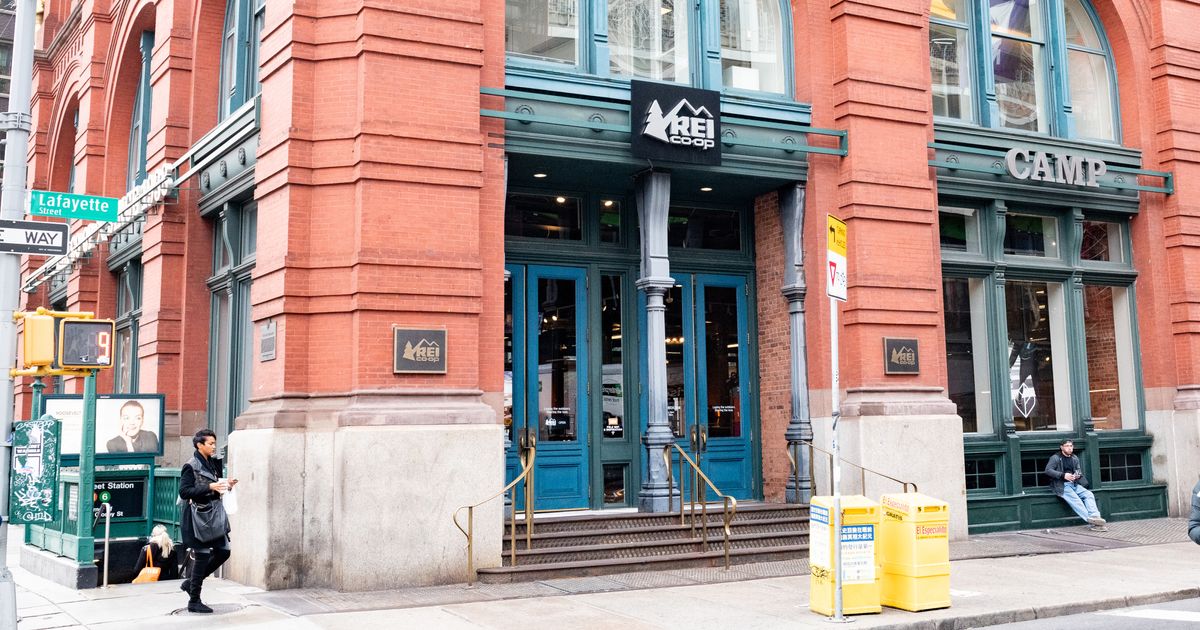
When REI (Recreational Equipment, Inc.) first announced its move into Manhattan in 2011, industry analysts were skeptical. The Seattle-based cooperative was known for its sprawling suburban locations, and many wondered if its "granola" ethos could survive in the high-rent, fast-paced environment of Soho. However, the retailer chose a location with deep historical roots: the Puck Building.
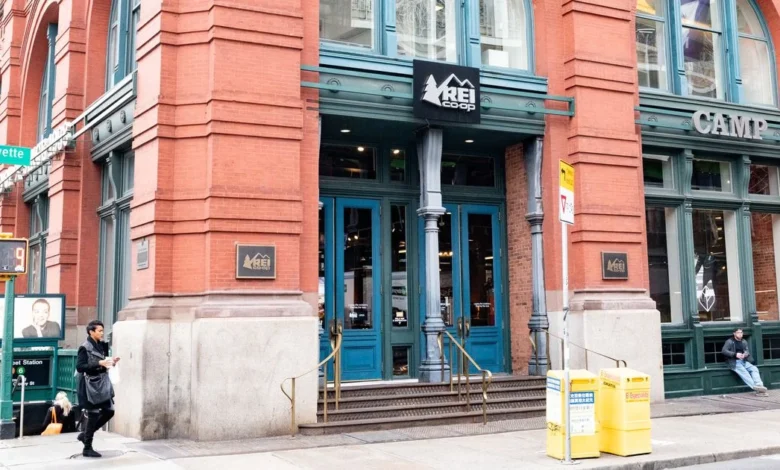
Constructed between 1885 and 1893, the Puck Building is a landmark of Romanesque Revival architecture. It originally served as the headquarters for Puck magazine and housed a massive printing-press operation. When REI moved in, they collaborated with the architecture firm Callison to execute a sensitive restoration that honored the building’s industrial past. The design team exposed late-19th-century brick walls, restored original chandeliers, and even integrated the building’s history into the retail experience by displaying the massive steam flywheels that once powered the printing presses.
The store was designed to be a "retail theme park" for the outdoors. It featured repurposed wood for cashier counters, 14-foot ceilings, and a cellar level that felt more like a subterranean adventure hub than a basement. For over a decade, it successfully bridged the gap between the rugged wilderness and the concrete jungle, offering rock-climbing lessons in local parks and lectures from world-renowned mountaineers within its brick walls.
The Economic and Operational Context of the Closure
The decision to close the Soho flagship did not happen in a vacuum. Several factors, ranging from real estate disputes to shifting corporate strategies, contributed to the exit.
Real Estate and Lease Negotiations
The Puck Building is owned by Kushner Companies. Reports suggest that the decision to close was precipitated by a failure to reach a mutually agreeable lease renewal. In the high-stakes world of Manhattan real estate, the transition from traditional retail to high-tech office space has become increasingly common. Upstairs from the REI, the tech giant OpenAI recently secured 90,000 square feet of office space, a move that many local observers see as a harbinger of the neighborhood’s future.
Financial Performance and Strategy
While REI reported record revenues of nearly $3.76 billion in 2023, the cooperative also faced a net loss of approximately $311 million that same year. This financial pressure has led the company to scrutinize its high-overhead locations. The Soho flagship, with its massive footprint and premium rent, likely became a target for cost-cutting measures. Furthermore, REI has signaled a strategic pivot toward smaller, more specialized stores and an expansion into suburban markets where the cost of operation is significantly lower.
Labor Relations
The Soho location also became a flashpoint for labor issues within the company. In 2022, employees at the Soho store voted 88 to 14 to become the first REI location in the country to unionize, joining the Retail, Wholesale and Department Store Union (RWDSU). The relationship between the union and REI corporate has been strained, with the union filing numerous unfair labor practice charges, alleging that the company engaged in "union-busting" tactics. While REI has officially cited lease issues and economic viability as the reasons for the closure, union advocates have frequently questioned if the store’s labor activism played a role in the decision to vacate.
The Shift in New York City’s Outdoor Retail Landscape
The departure of REI leaves a significant void in the Manhattan outdoor market. While other retailers like Patagonia, Arc’teryx, and The North Face maintain a presence in the area, they often focus on apparel rather than the technical hardware—tents, stoves, and climbing gear—that REI was known for.
For many years, the "Big Three" of New York outdoor retail consisted of REI, Eastern Mountain Sports (EMS), and Paragon Sports. EMS has significantly reduced its footprint in the city, leaving Paragon Sports in Union Square as one of the few remaining independent giants. However, some shoppers find the transition difficult. Eric Swick, a local interior horticulturalist, noted that Paragon’s "smoke-shop vibes" and intense lighting differ greatly from the airy, historical atmosphere of the REI flagship.

REI’s exit from Manhattan does not mean an exit from the region entirely. The company continues to direct customers toward its locations in Huntington Station on Long Island, East Hanover in New Jersey, and its digital storefront. However, for the car-less Manhattanite, these locations are often inaccessible, forcing a reliance on e-commerce—a shift that many outdoor enthusiasts find frustrating when trying to fit technical gear like hiking boots or backpacks.
Broader Implications for Soho and Urban Retail
The closure of the Soho REI is a case study in the evolving nature of urban retail. The "flagship" model, once considered essential for brand prestige, is increasingly under threat from rising rents and the efficiency of online shopping. Soho, in particular, is transitioning from a shopping destination for locals into a mix of high-end luxury boutiques and tech-sector offices.
The arrival of OpenAI in the Puck Building is perhaps the most symbolic element of this transition. As a company at the forefront of the artificial intelligence revolution, OpenAI represents the "new economy," which prioritizes digital infrastructure over physical goods. The contrast is stark: where there were once rows of sleeping bags and kayaks, there will now be servers and software engineers.
Chronology of the REI Soho Flagship
- November 2011: REI opens its first Manhattan flagship in the Puck Building to much fanfare and long lines.
- 2012–2019: The store thrives as a community hub, hosting hundreds of outdoor classes and events.
- 2020: The COVID-19 pandemic forces temporary closures and a shift in consumer behavior toward more localized outdoor activities.
- March 2022: Soho employees make history by voting to unionize, the first such move in REI’s history.
- 2023: REI reports a significant net loss despite high revenue, prompting a review of its physical store portfolio.
- Late 2024: News breaks that REI will not renew its lease at the Puck Building.
- July 23, 2026: The Soho flagship officially closes its doors.
Final Observations from the Floor
In the final days, the store has become a site of "melancholy shopping." There are no grand closeout sales; an employee confirmed that most remaining inventory will be shipped to other regional stores rather than sold at a discount. The shelves are mostly bare, and the "AREA CLOSED" signs have proliferated.
For the loyalists like Glen Nison, the loss is personal. On his final visit, he planned to bring three loaves of banana bread—an increase from his usual one—to ensure every remaining staff member had a piece of his farewell gift. "You learn a lot about a culture from how they treat public bathrooms," remarked Juan Pablo Baene, another shopper, while reflecting on the loss of the store’s amenities. "It’s sad."
As the lights dim on the Soho REI for the last time, the city loses more than just a retailer; it loses a gateway to the wilderness that stood firmly in the heart of the urban sprawl. The legacy of the store will remain in the memories of the thousands of New Yorkers who bought their first pair of hiking boots or planned their first Adirondack trip within its historic brick walls, but the corner of East Houston and Lafayette will never quite be the same.