Blue Origin’s New Glenn Rocket Achieves Reusability Milestone Amidst Payload Deployment Anomaly


Blue Origin, the ambitious aerospace company founded by Jeff Bezos, has achieved a significant milestone with the successful recovery of its first reused orbital-class rocket. However, the mission, celebrated for its reusability breakthrough, encountered a setback as the payload it carried into space was deployed into an unintended orbit. This development marks a complex chapter for the New Glenn program, highlighting both its engineering prowess and the inherent challenges of complex space missions.
A Historic Launch and Recovery
The New Glenn rocket, a behemoth designed for heavy-lift capabilities, embarked on its third-ever mission on Sunday, April 19th. Liftoff occurred precisely at 7:25 a.m. EDT (1125 GMT) from Launch Complex 36 at Cape Canaveral Space Force Station in Florida. The initial ascent appeared to proceed flawlessly, a testament to the rigorous testing and development that underpins Blue Origin’s operations.
Following its ascent, the rocket’s first stage, christened "Never Tell Me The Odds" and making its historic debut as a reused component, executed a propulsive landing. Approximately six minutes after launch, the booster successfully touched down on Blue Origin’s "Jacklyn" droneship, positioned in the vast expanse of the Atlantic Ocean. This recovery marks a pivotal moment for Blue Origin, demonstrating their commitment to reusability, a critical factor in reducing the cost and increasing the cadence of space access. Reusability is a cornerstone of modern spaceflight economics, enabling more frequent launches and potentially opening up new avenues for space exploration and commerce.
Payload Deployment: A Deviation from the Plan
While the rocket’s performance and recovery were a resounding success, the mission’s payload, the BlueBird 7 satellite belonging to AST SpaceMobile, faced an unexpected trajectory deviation. Shortly after payload separation, Blue Origin issued a statement acknowledging the anomaly. "We have confirmed payload separation. AST SpaceMobile has confirmed the satellite has powered on. The payload was placed into an off-nominal orbit. We are currently assessing and will update when we have more detailed information," the company communicated via its official channels.
This early report indicated that while the satellite was functional and had powered on, its orbital parameters were not as intended. The term "off-nominal orbit" suggests that the satellite was not placed into the precise orbital path required for its operational mission. Such deviations can arise from a multitude of factors, including subtle variations in engine performance, atmospheric conditions during ascent, or even minor inaccuracies in the final orbital insertion burn.
AST SpaceMobile Confirms Satellite’s Fate
Later on Sunday, AST SpaceMobile provided a more definitive, albeit disappointing, update regarding the status of BlueBird 7. The company confirmed that despite the satellite successfully separating from the launch vehicle and powering on, its operational altitude was insufficient. "While the satellite separated from the launch vehicle and powered on, the altitude is too low to sustain operations with its on-board thruster technology and will [be] de-orbited," AST SpaceMobile stated. This indicates that the satellite’s current orbit is not sustainable for its intended long-term operation and will likely result in its controlled descent back into Earth’s atmosphere.
The financial implications of this outcome are partially mitigated by AST SpaceMobile’s foresight. "The cost of the satellite is expected to be recovered under the company’s insurance policy," the company further clarified, a standard practice in the satellite industry to safeguard against such eventualities.
The Vision Behind BlueBird 7 and AST SpaceMobile
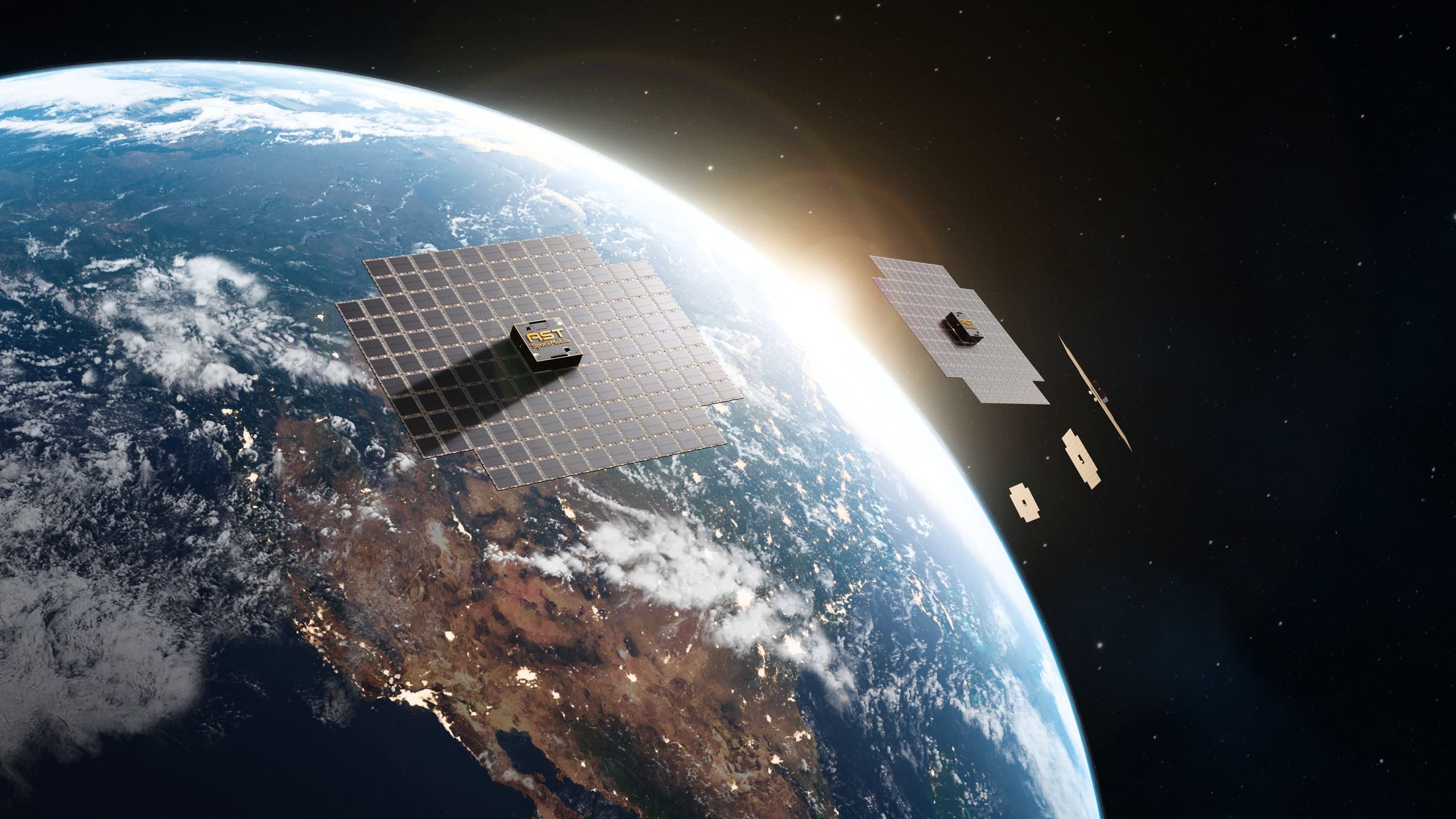
The BlueBird 7 satellite was a crucial component of AST SpaceMobile’s ambitious plan to establish the world’s first and only space-based cellular broadband network. Its primary objective was to augment the network’s capacity, enabling direct-to-smartphone connectivity for consumers globally. This technology aims to bridge the digital divide by providing mobile broadband services in remote and underserved areas where terrestrial infrastructure is either absent or cost-prohibitive.
BlueBird 7 itself is a substantial piece of technology. It is designed to be one of the largest satellites deployed in low Earth orbit, boasting an impressive antenna array spanning 2,400 square feet (223 square meters). This massive antenna is key to its functionality, allowing for direct communication with standard mobile phones without the need for specialized satellite dishes. The successful deployment of a constellation of such satellites is intended to create the largest commercial communications array ever assembled in orbit.
Timeline of Events: From Launch to De-orbit
Sunday, April 19, 2026:
- 7:25 a.m. EDT (1125 GMT): Blue Origin’s New Glenn rocket, carrying the BlueBird 7 satellite, lifts off from Launch Complex 36 at Cape Canaveral Space Force Station, Florida.
- Approximately 7:31 a.m. EDT: The first stage of the New Glenn rocket, "Never Tell Me The Odds," successfully completes its propulsive landing on the "Jacklyn" droneship in the Atlantic Ocean.
- Post-Launch: Blue Origin confirms payload separation and that the BlueBird 7 satellite has powered on, but notes it was placed into an "off-nominal orbit."
- Later Sunday: AST SpaceMobile issues an update confirming that while the satellite powered on, its current altitude is too low for sustained operations and it will be de-orbited.
Analysis of the Payload Anomaly
The "off-nominal orbit" deployment of BlueBird 7 is a significant event, not just for AST SpaceMobile but also for Blue Origin’s New Glenn program. While the successful reuse of the first stage is a monumental achievement, the inability to precisely place the payload into its designated orbit raises questions about the upper stage performance or the integration of the payload with the upper stage.
Several factors could have contributed to this outcome:
- Upper Stage Engine Performance: The upper stage of the New Glenn rocket is responsible for the final orbital insertion. Any slight underperformance, overperformance, or unexpected throttling could lead to a deviation in the final orbit.
- Payload Separation Timing: The exact moment and method of payload separation can influence the final orbital parameters.
- Environmental Factors: While less common for orbital insertion, extreme atmospheric conditions or unexpected gravitational anomalies could theoretically play a minor role.
- Software or Guidance Errors: Complex guidance, navigation, and control (GNC) systems are involved. A subtle error in the programming or real-time adjustments could lead to the observed deviation.
For AST SpaceMobile, the loss of a single satellite, while costly, is unlikely to derail their broader mission, especially given their insurance coverage. However, it does represent a setback in their timeline for deploying their full constellation and achieving widespread service. Each satellite represents a significant investment and a step towards their ambitious connectivity goals. The company has previously launched and deployed satellites, including the large Bluewalker-3, which demonstrated the capabilities of their proposed network.
Implications for Blue Origin’s New Glenn Program
The success of the first stage recovery is a resounding victory for Blue Origin, validating their investment in reusable rocket technology. This milestone is crucial for establishing New Glenn as a reliable and cost-effective launch vehicle for a variety of missions, including commercial satellite deployments, scientific payloads, and potentially future crewed missions.
However, the payload deployment issue cannot be ignored. It underscores the complexity of space launches and the intricate dance of variables that must align perfectly for mission success. For Blue Origin, this incident will likely trigger a thorough investigation into the upper stage’s performance and the payload integration process. Identifying and rectifying the root cause is paramount to ensuring the success of future New Glenn missions.
The implications for Blue Origin’s upcoming lunar ambitions are also noteworthy. The company is slated to utilize the New Glenn rocket for its planned uncrewed moon landing later this year, employing its prototype MK1 "Endurance" lander. This lander serves as a precursor to the larger MK2, designed to support NASA’s Artemis missions. While the current payload anomaly does not directly involve the lunar lander, it highlights the importance of absolute precision and reliability in every stage of the New Glenn program. A comprehensive understanding and resolution of the current issue will build confidence for these more critical future endeavors.
Broader Context and Future Outlook
The space industry is increasingly driven by reusability and the quest for lower launch costs. Blue Origin’s New Glenn, alongside SpaceX’s Falcon Heavy and Starship, represents the next generation of super heavy-lift rockets designed to service a growing demand for space-based services and exploration. The successful reuse of "Never Tell Me The Odds" positions Blue Origin as a strong contender in this competitive landscape.
The incident with BlueBird 7 serves as a stark reminder that even with technological advancements, space missions remain inherently challenging. The journey from liftoff to successful payload deployment is a multi-stage, high-stakes operation where every component and every second matters.
For AST SpaceMobile, the path forward involves continued satellite deployments, likely with enhanced scrutiny on the launch vehicle’s orbital insertion capabilities. Their vision of ubiquitous cellular connectivity from space remains a compelling prospect, and this setback, while unfortunate, is a hurdle they are equipped to overcome, especially with their robust insurance framework.
Blue Origin, on the other hand, will be focused on dissecting the data from this mission to refine its systems. The company’s long-term vision, extending to lunar missions and beyond, relies on the consistent and reliable performance of the New Glenn rocket. This mission, despite its mixed results, has provided invaluable data points that will undoubtedly contribute to the evolution and maturation of their orbital launch capabilities. The space race is not just about reaching orbit; it’s about doing so with precision, reliability, and increasing efficiency. This recent mission encapsulates both the triumphs and the ongoing challenges of that endeavor.