How to Securely Store Crypto in Software Wallets
How to securely store crypto in software wallets is a crucial topic for anyone holding digital assets. This guide delves into the complexities of safeguarding your crypto, from understanding different wallet types and security best practices to the role of hardware security modules and even UI/UX design considerations. We’ll cover everything from choosing a reliable wallet to troubleshooting common issues, equipping you with the knowledge to protect your digital wealth.
From the basics of software wallets to advanced security measures, this comprehensive guide explores the key aspects of secure crypto storage. We’ll examine various types of wallets, emphasizing their strengths and weaknesses, and provide actionable steps for implementing robust security protocols.
Introduction to Software Wallets
Software wallets are crucial for securely storing and managing your cryptocurrency holdings. They act as digital repositories, allowing you to control your private keys and access your assets. Unlike centralized exchanges, software wallets offer greater control and security, but understanding the different types and their associated security implications is vital.Software wallets provide a secure and convenient method for managing digital assets, enabling users to send, receive, and store cryptocurrencies like Bitcoin, Ethereum, and others.
They function as digital vaults, holding the private keys necessary for accessing and controlling your cryptocurrency.
Types of Software Wallets
Software wallets come in various forms, each with unique characteristics. Understanding these differences is essential for selecting the most appropriate wallet for your needs. Different types cater to diverse user preferences and technical proclivities.
- Desktop Wallets: These wallets are installed on your computer and provide a secure environment for storing your private keys. They offer a high level of security due to the isolation of the wallet software from potential online threats. Examples include Exodus and Electrum. Desktop wallets often provide advanced features, like transaction history and detailed asset tracking.
- Mobile Wallets: Mobile wallets are designed for use on smartphones and tablets. They offer portability and accessibility, allowing you to manage your cryptocurrencies on the go. However, security relies heavily on the device’s security measures and the wallet’s implementation. A crucial aspect is the security of the device itself and ensuring it is protected against unauthorized access.
- Browser-Based Wallets: These wallets operate entirely within your web browser, eliminating the need for separate installations. This ease of access can be a significant advantage, but security depends on the trustworthiness of the wallet provider and the browser’s security measures. Browser wallets typically offer a streamlined user interface, focusing on ease of use and quick access to transactions.
Security Considerations for Software Wallets
Security is paramount when using any software wallet. Compromising your private keys can lead to irreversible loss of your cryptocurrency. Thorough understanding and implementation of security measures are critical.
Protecting your crypto in software wallets involves robust security measures, like strong passwords and two-factor authentication. Recent news about the SEC delaying options on Ethereum ETFs, like the one discussed in this article sec delays options ethereum etfs , highlights the importance of staying informed about market trends. Ultimately, diligent research and secure practices remain crucial for safe crypto storage in any software wallet.
- Strong Passwords: Use strong, unique passwords for your wallets and never reuse passwords across different accounts. This is fundamental to protecting against unauthorized access. A strong password should be long, complex, and include a mix of uppercase and lowercase letters, numbers, and symbols.
- Two-Factor Authentication (2FA): Enable 2FA whenever possible to add an extra layer of security. This adds a second verification step, requiring a code from an authenticator app or SMS, making unauthorized access significantly harder.
- Regular Updates: Keep your wallet software updated to the latest version. Updates often include crucial security patches that address vulnerabilities. Regular updates are essential for mitigating potential security risks.
- Secure Storage: If you are using a physical device like a USB drive, store it securely. Ensure your device is protected against theft or loss. Proper physical security is vital for protecting your private keys.
Comparison of Wallet Types
The table below highlights the advantages and disadvantages of each wallet type.
| Wallet Type | Advantages | Disadvantages |
|---|---|---|
| Desktop | High security, advanced features, offline access possible. | Requires computer installation, potentially slower transactions. |
| Mobile | Portability, accessibility, easy to use. | Device security is critical, potential for malware, sometimes limited functionality. |
| Browser-Based | Ease of use, no installation required, convenient access. | Relies on browser security, potential security vulnerabilities, less control over private keys. |
Security Best Practices for Software Wallets
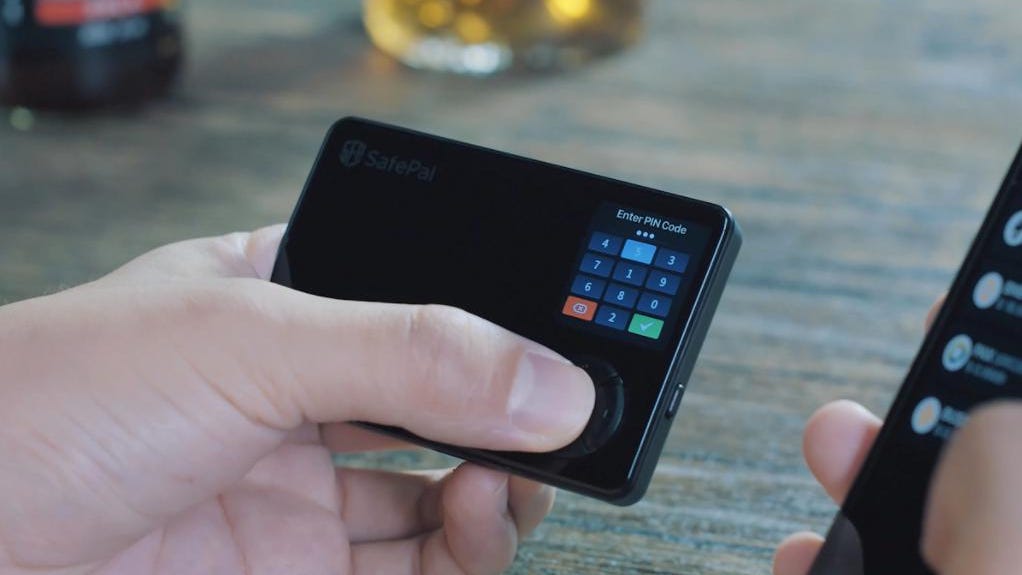
Protecting your cryptocurrency holdings requires a multi-faceted approach, focusing on both software security and user vigilance. Software wallets, while convenient, can be vulnerable to attacks if not handled with care. Understanding and implementing strong security measures is paramount to safeguarding your digital assets.Implementing robust security practices within software wallets is essential for mitigating risks and preserving your cryptocurrency.
This involves more than just choosing a wallet; it necessitates a proactive and informed approach to security. It’s not enough to simply download a wallet; you must understand how to use it securely.
Strong Passwords and Multi-Factor Authentication
Strong passwords are the first line of defense against unauthorized access. Use a unique, complex password for your wallet and never reuse it for other online accounts. Incorporate a mix of uppercase and lowercase letters, numbers, and symbols. Consider a password manager to generate and store strong, unique passwords. Multi-factor authentication (MFA) adds an extra layer of security by requiring a second verification method, such as a code sent to your phone, in addition to your password.
Enable MFA whenever possible to significantly enhance the protection of your wallet.
Proper Wallet Backups and Recovery
Regularly backing up your wallet is crucial for recovering your funds in case of loss or corruption. Always follow the wallet’s specific backup instructions. Offline backups are preferable, stored in a secure location separate from your computer. Ensure the backup is verifiable and easily accessible for recovery. Different wallets offer various backup methods, from simple file exports to more complex recovery phrases.
Backup Strategies and Effectiveness
Several backup strategies exist for software wallets. Some wallets use a simple file export, where the wallet’s entire state is saved to a file. Others employ a recovery phrase, a series of words that allows complete restoration of the wallet. The effectiveness of a backup strategy depends on its security and accessibility. Using a recovery phrase is generally more secure as it doesn’t rely on a single file that could be compromised.
A critical consideration is the security of the backup location.
Avoiding Phishing and Social Engineering
Phishing scams and social engineering attempts are prevalent online. Be wary of unsolicited emails or messages requesting your wallet credentials. Never click links in suspicious emails or messages, and verify the legitimacy of any requests for information. Be skeptical of any websites or individuals claiming to offer assistance with your wallet. Avoid sharing your recovery phrase or private keys with anyone.
Common Security Vulnerabilities in Software Wallets
Software wallets, like any software, can contain vulnerabilities. These vulnerabilities can be exploited by malicious actors to gain unauthorized access to your funds. Common vulnerabilities include insecure storage of private keys, weak encryption algorithms, and outdated software versions. Keeping your wallet software up-to-date with the latest security patches is vital to mitigating potential risks.
Potential Threats and Mitigation Strategies
| Threat | Mitigation Strategy |
|---|---|
| Malware infections | Use reputable antivirus software, avoid downloading from untrusted sources, and regularly update software. |
| Phishing attacks | Verify the authenticity of any email or message requesting personal information. |
| Weak passwords | Use strong, unique passwords for each online account, and consider using a password manager. |
| Compromised devices | Secure your devices with strong passwords, MFA, and antivirus software. |
| Outdated software | Keep your software wallets updated with the latest security patches. |
Hardware Security Modules (HSMs) and Software Wallets
Hardware Security Modules (HSMs) are specialized devices designed to enhance security in various applications, including software wallets. They provide a dedicated, isolated environment for cryptographic operations, making them an essential component for safeguarding sensitive data like private keys. This dedicated hardware approach significantly strengthens the security posture of software wallets, making them less vulnerable to attacks that exploit software vulnerabilities.Integrating HSMs with software wallets adds a crucial layer of security.
This integration allows the software wallet to delegate cryptographic operations to the HSM, effectively removing the sensitive data from the software’s environment. This separation minimizes the attack surface and improves the overall security posture. The software wallet acts as a user interface and intermediary, communicating with the HSM to perform cryptographic tasks.
Role of HSMs in Enhancing Software Wallet Security
HSMs provide a secure enclave for cryptographic operations, isolating them from the operating system and the software wallet itself. This isolation is critical because attackers often target vulnerabilities in software to gain access to sensitive data. HSMs prevent unauthorized access by physically isolating the cryptographic keys. They also typically employ tamper-resistant hardware, preventing attackers from directly accessing or modifying the HSM’s internal state.
Integration of HSMs with Software Wallets
The integration process typically involves the software wallet communicating with the HSM through a secure communication channel. This channel could be a dedicated network interface or a secure API. The software wallet initiates the cryptographic operation, and the HSM performs the calculation securely, returning the result to the wallet. The critical aspect is maintaining the integrity and confidentiality of the communication channel between the wallet and the HSM.
Comparison of HSM Solutions for Software Wallet Security, How to securely store crypto in software wallets
Various HSM solutions cater to different needs and budgets. Some are cloud-based, offering scalability and flexibility, while others are on-premise solutions, providing more control over the security environment. A crucial factor to consider is the HSM’s cryptographic capabilities and the specific algorithms it supports. Different solutions may support varying algorithms, which is crucial when choosing a solution for specific cryptocurrencies.
Summary of HSM Solutions for Software Wallet Security
| HSM Solution | Features | Benefits |
|---|---|---|
| Cloud-based HSM | Scalability, flexibility, remote management, cost-effectiveness for smaller businesses | Ease of deployment, reduced capital expenditure, no need for dedicated hardware infrastructure |
| On-premise HSM | Enhanced control over security environment, customization options, better compliance for highly regulated industries | Greater security and control, data residency options, no vendor lock-in risk (within limits) |
| Hardware-based HSM | High security and physical protection, often with tamper-evident seals and monitoring | Strongest security guarantees, resilient against physical attacks |
How HSMs Protect Against Various Attacks
HSMs are designed to protect against various attacks, including:
- Man-in-the-middle attacks: The secure communication channel between the wallet and the HSM prevents attackers from intercepting or modifying the communication.
- Software vulnerabilities: By offloading cryptographic operations to the HSM, the software wallet’s attack surface is minimized, making it less susceptible to exploits targeting software vulnerabilities.
- Side-channel attacks: HSMs often use techniques to mitigate side-channel attacks, which exploit timing or power consumption patterns to extract information.
- Physical attacks: Tamper-resistant hardware and security measures in the HSM design provide physical protection against theft or tampering.
Wallet Software Development and Security
Building secure cryptocurrency wallets requires a meticulous approach, encompassing every stage from design to deployment. A robust security framework ensures user funds are protected from malicious actors and vulnerabilities. This involves understanding the potential risks, implementing strong security measures, and conducting thorough testing throughout the development lifecycle.A crucial aspect of secure wallet development is anticipating potential exploits and implementing preventative measures.
This proactive approach minimizes the impact of vulnerabilities and ensures the long-term security of the platform. By adhering to secure coding practices and employing robust encryption, developers can significantly enhance the security posture of their wallets.
Secure Coding Practices in Wallet Software
Adherence to secure coding practices is paramount in preventing vulnerabilities that malicious actors can exploit. This involves identifying and mitigating potential threats at the earliest stages of development. Careful attention to input validation, data sanitization, and error handling is critical. Developers should use established coding standards and best practices to minimize risks. Implementing code reviews and employing static analysis tools are essential for detecting potential issues early on.
Encryption Algorithms and Protocols for Wallet Software
Cryptographic algorithms are fundamental to securing wallet software. Choosing appropriate encryption algorithms and protocols is critical for protecting sensitive data. Advanced encryption standards (AES) and elliptic curve cryptography (ECC) are frequently used for secure key management and data encryption. The selection of these algorithms should consider factors like key size, computational efficiency, and resistance to known attacks.
Implementing secure key generation, storage, and management procedures is essential.
Security Testing Procedures for Wallet Software
Thorough testing is essential to identify and address vulnerabilities before deployment. This ensures the wallet’s resilience against potential attacks. A comprehensive testing strategy should include various types of security tests.
| Test Type | Description | Purpose |
|---|---|---|
| Penetration Testing | Simulates real-world attacks to identify vulnerabilities. | Uncovers weaknesses in the wallet’s security posture. |
| Fuzz Testing | Provides input data with unusual or unexpected values to detect unexpected behavior. | Highlights potential issues in input handling and validation. |
| Code Reviews | Experts review the source code to detect potential flaws. | Uncovers logical errors and vulnerabilities. |
| Security Audits | Comprehensive analysis of the entire system’s security architecture. | Identifies potential vulnerabilities in the system’s design and implementation. |
| Static Analysis | Automated analysis of the source code without executing it. | Detects potential vulnerabilities and security issues in the code. |
Common Vulnerabilities in Wallet Software
Common vulnerabilities in wallet software often arise from inadequate input validation, insecure storage of private keys, and lack of proper error handling. Buffer overflows, SQL injection, and cross-site scripting (XSS) attacks are examples of vulnerabilities that can compromise user funds.
Potential Vulnerabilities Related to Software Updates
Software updates, while essential for patching vulnerabilities, can introduce new ones if not handled properly. Developers should thoroughly test updates to ensure they do not compromise existing security features or introduce new weaknesses. A robust update process with rollback mechanisms is essential for managing potential risks.
Strategies for Software Wallet Security Audits
Security audits are critical for identifying vulnerabilities and ensuring compliance with security standards. Regular audits, involving both internal and external assessments, are crucial for proactive security management. This process involves examining the entire system architecture and design, including the codebase, database structures, and user interface. The use of automated tools can accelerate the audit process and increase its efficiency.
User Interface (UI) and User Experience (UX) in Secure Wallets: How To Securely Store Crypto In Software Wallets
A strong software wallet isn’t just about robust security measures; it’s also about providing a seamless and intuitive user experience. A well-designed UI/UX can significantly reduce user errors, improve adoption rates, and instill greater trust in the platform. This is crucial, as a complicated or confusing interface can inadvertently lead to security vulnerabilities, such as accidental key loss or susceptibility to phishing attacks.A user-friendly interface acts as a strong first line of defense against user mistakes.
Clear instructions, intuitive navigation, and aesthetically pleasing design elements can drastically reduce the likelihood of users making critical errors, like accidentally confirming a transaction or revealing sensitive information.
Importance of a User-Friendly Interface
A user-friendly interface is paramount in maintaining security. A well-designed UI fosters user trust and encourages responsible interaction with the wallet. A confusing or overwhelming interface can lead to mistakes, increasing the risk of security breaches.
Reducing User Errors Through Good UI/UX
A well-designed UI/UX minimizes the potential for user errors. Clear visual cues, intuitive navigation, and straightforward instructions can drastically reduce the risk of accidental transactions or data input mistakes. For example, visually highlighting important information, such as confirmation prompts for sensitive actions, can significantly reduce accidental errors. Employing a multi-factor authentication (MFA) system within a well-designed interface, where users are guided through the process, can also improve security.
Design Principles for Intuitive and Secure Wallet Interfaces
Security and usability go hand-in-hand. Design principles should prioritize both. Clear visual hierarchy, concise language, and consistent design elements across the platform contribute to a seamless user experience. Using strong visual cues to distinguish between different actions (e.g., sending vs. receiving funds) can also help prevent errors.
Furthermore, the use of progress bars and feedback mechanisms throughout the transaction process can enhance user confidence and reduce confusion. Avoid complex or ambiguous terminology, and ensure all interactions are easily understood.
Examples of Secure and User-Friendly Wallet Interfaces
Several successful wallet interfaces prioritize security while maintaining a smooth user experience. For example, a wallet with a clear visual separation between sending and receiving funds, along with distinct confirmation prompts, can significantly reduce the risk of mistakes. Furthermore, wallets employing a step-by-step guide for complex transactions, such as multi-signature setups, can ensure that users complete the process correctly.
A user-friendly interface that clearly displays the transaction history and balances in a digestible format can enhance user confidence.
Best Practices for UI Design to Avoid Phishing Attempts
Preventing phishing attacks is a crucial aspect of UI design. Wallet interfaces should incorporate measures to detect and prevent malicious links or suspicious requests. For instance, implementing a system that verifies the authenticity of URLs before allowing users to navigate to them can significantly mitigate the risk of phishing attacks. Employing a clear visual distinction between legitimate and potentially malicious requests is essential.
Users should be clearly informed if they are navigating to a website that does not match the wallet’s domain.
Importance of Clear Instructions for Recovery Procedures
Clear and concise instructions for recovery procedures are critical. These procedures should be easily accessible and understandable, even during moments of stress. Wallets should provide multiple methods for recovery, such as using a backup seed phrase or recovery email, with clear visual guides for each method. Furthermore, wallets should provide a mechanism for users to test their recovery process, allowing them to practice accessing their funds in a safe environment.
UI/UX Design Elements for Software Wallets
| Design Element | Description | Example |
|---|---|---|
| Visual Cues | Use clear indicators to distinguish between actions (e.g., sending vs. receiving). | Different colors for sending and receiving transactions. |
| Intuitive Navigation | Ensure easy movement between different sections of the wallet. | Clear menu structure, intuitive tabs. |
| Concise Language | Use simple, straightforward language to avoid confusion. | Avoid jargon or technical terms. |
| Security Warnings | Highlight potential risks and dangers. | Visual cues for transactions requiring extra confirmation. |
| Confirmation Prompts | Provide clear prompts before critical actions. | Double confirmation for sending funds. |
Choosing a Secure Software Wallet
Selecting a secure software wallet for storing your cryptocurrencies is crucial. The digital landscape is rife with scams and vulnerabilities, making informed decision-making paramount. This section details factors to consider when choosing a software wallet, emphasizing reputation, security audits, and feature evaluation.Choosing a software wallet is not simply about downloading the first one you see. Thorough research and understanding of security features are vital to safeguarding your digital assets.
A compromised wallet can lead to significant financial losses, highlighting the need for meticulous evaluation before adoption.
Wallet Reputation and Security Audits
Wallet reputation and security audits are essential components in evaluating the trustworthiness of a software wallet. A strong reputation, built on positive user feedback and a history of responsible development, suggests a greater likelihood of security. Security audits, conducted by independent security experts, provide objective assessments of the wallet’s vulnerabilities and strengths. These audits often uncover potential weaknesses, allowing developers to address them before exploitation.
Evaluating Security Features
Evaluating security features is critical for determining a wallet’s robustness. Consider the wallet’s encryption methods, which should employ industry-standard algorithms to protect your private keys. Multi-factor authentication (MFA) adds another layer of security, requiring additional verification steps beyond a simple password. Features like cold storage, where private keys are stored offline, enhance security by mitigating the risk of online breaches.
The wallet’s update policy and community support are also critical factors. Active development and responsive support indicate ongoing efforts to address vulnerabilities and provide assistance to users.
Protecting your crypto in software wallets is crucial, especially with recent headlines like Elon Musk’s Dogecoin targeting the Securities and Exchange Commission, which highlights the ever-changing regulatory landscape. Strong passwords, two-factor authentication, and regular security audits are vital steps. Always choose reputable wallet providers and regularly back up your private keys for ultimate peace of mind.
Reliable and Secure Software Wallets
Several reputable software wallets offer robust security features. Examples include Exodus, which provides a user-friendly interface and employs strong encryption. Atomic Wallet is another popular option known for its multi-cryptocurrency support and strong security practices. Trust Wallet is a widely used wallet recognized for its ease of use and security features. These wallets have garnered positive feedback and undergo regular security audits, contributing to their reliability.
Protecting your crypto in software wallets is crucial, especially with the recent developments in crypto regulation. For example, Turkey’s Central Bank (CMB) recently released two documents outlining crypto regulations, which you can check out here: turkey regulator cmb two docs crypto regulation. These regulations highlight the importance of secure storage practices. Using strong passwords, multi-factor authentication, and reputable wallets are all essential steps in keeping your digital assets safe.
Comparing Wallet Providers
Different wallet providers offer varying levels of security and features. Some prioritize ease of use, while others focus on advanced functionalities. Understanding the specific needs and preferences of the user is crucial when choosing between various providers. Thorough comparison of security features, including encryption protocols, storage mechanisms, and security audits, helps users make informed decisions. A comprehensive comparison table is provided below.
Questions to Ask Before Downloading
Asking the right questions before downloading a software wallet is crucial. Inquire about the wallet’s encryption methods, the security audit process, and the developer’s track record. Understanding the wallet’s community support and update policy is essential. Specific questions to consider include:
- What encryption algorithms are used to protect private keys?
- Has the wallet undergone independent security audits?
- What is the wallet’s update policy and how often are security updates released?
- What is the wallet’s community support structure?
Comparison Table of Wallet Platforms
The following table provides a comparison of various wallet platforms based on key security features. This comparison should be used as a guide for making informed decisions.
| Wallet Platform | Encryption | Audits | Multi-Factor Authentication | Cold Storage |
|---|---|---|---|---|
| Exodus | Strong, industry-standard | Regularly audited | Yes | Limited |
| Atomic Wallet | Strong, industry-standard | Regularly audited | Yes | Available |
| Trust Wallet | Strong, industry-standard | Regularly audited | Yes | Limited |
| MetaMask | Strong, industry-standard | Regularly audited | Yes | No |
Recovery and Troubleshooting
Navigating the digital landscape of cryptocurrency involves inherent risks, including the potential loss or compromise of your digital assets. Understanding the recovery process and troubleshooting common issues is crucial for maintaining control and minimizing potential damage. This section details various recovery scenarios and troubleshooting steps for software wallets.Recovery and troubleshooting are vital for mitigating the risks associated with crypto wallet security.
Knowing the steps involved in recovering lost or compromised wallets, and the procedures for handling account recovery, can significantly increase the likelihood of regaining access to your assets.
Wallet Recovery Procedures
Effective wallet recovery depends on proactive measures like establishing strong passwords and utilizing robust backup strategies. These procedures can dramatically improve your ability to regain access to your funds in case of an emergency.
- Backup Strategies: Regularly backing up your wallet’s private keys or seed phrases is paramount. These backups can be stored offline, in secure cloud services, or using a combination of both. Using multiple methods and keeping backups in different locations is highly recommended. This approach acts as a safeguard against data loss from a single point of failure.
For example, backing up to a physical hard drive and a cloud storage service simultaneously ensures a higher level of protection.
- Seed Phrase Recovery: If you’ve lost access to your wallet, recovering from your seed phrase is often the most common approach. The seed phrase is a set of randomly generated words that uniquely identify your wallet. Using a secure method to store and retrieve your seed phrase is crucial for recovery. This involves understanding the correct format and using a reliable backup method.
For instance, jotting down the seed phrase on a piece of paper and storing it in a safe location is a basic but effective method. Using a dedicated hardware wallet for storing the seed phrase offers another layer of protection.
- Password Recovery: Many software wallets require passwords to access. If you forget or lose your password, recovery procedures may vary based on the wallet provider. Usually, these wallets provide a password recovery option via email or a similar method. Contacting the wallet provider’s support is vital if you encounter issues.
Common Wallet Recovery Scenarios
Numerous scenarios can lead to wallet recovery issues. Understanding these situations will help you better prepare for potential challenges.
- Lost Seed Phrase: Losing the seed phrase is a critical concern, as it’s the foundation for wallet access. Implementing robust backup strategies and securing your seed phrase is paramount to mitigating this risk. Losing the seed phrase usually means the wallet’s private keys are unavailable, making recovery challenging. However, some wallets may offer limited recovery options if backups are available.
- Compromised Account: A compromised account can result in unauthorized access to your funds. Implementing multi-factor authentication and regular security audits can reduce the likelihood of this occurrence. If your account is compromised, immediate action is crucial. This includes changing your password, monitoring transactions, and reporting the incident to the wallet provider.
- Device Loss or Damage: Losing or damaging the device where the wallet is stored can lead to data loss. Regular backups are essential to mitigate the risk of losing your cryptocurrency. Consider backing up your wallet regularly to a different location. For example, you could backup your wallet data to a physical hard drive and another cloud storage service.
Troubleshooting Common Wallet Issues
Addressing wallet issues promptly can minimize financial loss. Effective troubleshooting requires careful attention to details and a proactive approach.
- Connection Errors: If your wallet is unable to connect, it’s essential to verify your internet connection and ensure the wallet is up-to-date. This can be caused by a variety of issues, including network problems, firewall restrictions, or compatibility issues. Reviewing your wallet’s support documentation can provide further assistance in troubleshooting these issues.
- Transaction Errors: Common transaction errors include insufficient funds, incorrect recipient addresses, or network congestion. Double-checking transaction details, ensuring adequate balances, and confirming recipient addresses are vital to preventing errors. Thoroughly checking the details of your transaction is crucial.
- Wallet Corruption: Wallet corruption can result from various factors, including software bugs or malicious activity. Using a trusted wallet provider and regularly backing up your wallet is essential to prevent such issues. If you suspect corruption, consider contacting the wallet provider for assistance.
Role of Support Resources
Support resources play a critical role in resolving wallet issues. Prompt and effective communication with support teams can significantly improve the outcome.
- Support Channels: Most reputable wallet providers offer multiple support channels, including email, phone, and online forums. Utilize the appropriate channels for your specific needs, and ensure you provide clear and concise information. This helps the support team to resolve your issue quickly and effectively.
- Contacting Support: When contacting support, provide relevant details about your wallet, the specific issue, and any error messages. This information is critical for providing accurate and timely assistance. Clearly documenting the problem helps to ensure effective communication.
Importance of Keeping Good Records
Maintaining accurate records is crucial for managing your cryptocurrency investments.
- Transaction Logs: Maintaining transaction logs is vital for tracking your cryptocurrency activity. This includes details like date, time, transaction amount, and recipient addresses. Regularly reviewing transaction logs allows you to identify any unusual activity.
- Backup Information: Keeping a record of backup information, such as seed phrases, passwords, and backup locations, is essential for wallet recovery. This documentation should be kept in a secure and accessible location.
Future Trends in Software Wallet Security
Software wallets, while offering convenience for crypto transactions, are vulnerable to evolving threats. Understanding and adapting to these future challenges is crucial for maintaining user trust and safeguarding digital assets. This exploration delves into emerging threats, cryptographic advancements, the quantum computing threat, and proactive strategies to ensure the long-term security of software wallets.
Emerging Threats and Vulnerabilities
Software wallets are increasingly sophisticated targets for malicious actors. These threats include sophisticated phishing campaigns exploiting social engineering tactics, zero-day exploits leveraging newly discovered vulnerabilities in wallet software, and advanced malware designed to steal private keys or compromise user accounts. The rise of decentralized finance (DeFi) and the increasing complexity of smart contracts introduces new avenues for attack, necessitating a proactive defense strategy.
Advancements in Cryptography and Security Protocols
Cryptography continues to evolve with the emergence of post-quantum cryptography (PQC) algorithms. These algorithms are designed to resist attacks from quantum computers, a significant development in the fight against future cryptographic vulnerabilities. The integration of more robust cryptographic primitives, such as elliptic curve cryptography (ECC) and hash functions, enhances the security of wallets. Furthermore, the development of zero-knowledge proofs (ZKPs) is gaining traction, offering a means to verify transactions without revealing sensitive data.
Potential Impact of Quantum Computing
Quantum computing poses a significant threat to current cryptographic systems. Classic encryption methods, such as RSA and ECC, are vulnerable to attacks by sufficiently powerful quantum computers. This necessitates a transition to quantum-resistant cryptographic algorithms and protocols. The development and adoption of post-quantum cryptography (PQC) is crucial for safeguarding wallets in the future. The transition will be gradual, and careful consideration must be given to the implications for existing systems and infrastructure.
For example, the transition to quantum-resistant cryptography could require software updates and hardware upgrades for users to maintain the security of their assets.
Preparing for Future Security Challenges
The evolving landscape of cryptocurrencies and the increasing sophistication of cyberattacks necessitate proactive measures. Security audits, rigorous penetration testing, and continuous monitoring of wallet software are critical to identify and address potential vulnerabilities. The use of security best practices and standards, such as OWASP guidelines, helps to mitigate risk.
Recommended Actions to Enhance Wallet Security
To prepare for future threats, users should take proactive steps to safeguard their crypto assets:
- Regularly update wallet software to patch known vulnerabilities. Outdated software is a primary entry point for malicious actors. For example, the 2017 WannaCry ransomware attack demonstrated the devastating consequences of neglecting software updates.
- Employ strong, unique passwords and enable two-factor authentication (2FA) to protect against unauthorized access. Implementing 2FA significantly reduces the risk of account compromise.
- Be cautious of phishing attempts and suspicious emails or messages. Phishing attacks are a significant threat in the digital age. Avoid clicking on links or downloading attachments from unknown sources.
- Avoid using public Wi-Fi networks for sensitive transactions. Public Wi-Fi networks are vulnerable to eavesdropping, making them unsafe for accessing crypto wallets or performing transactions.
- Regularly back up wallet data to a secure, offline location. Regular backups protect against data loss or theft.
Adapting to Future Changes in Crypto Technology
The crypto space is constantly evolving. Staying informed about new technologies and security best practices is essential. This includes learning about emerging cryptocurrencies, security protocols, and the latest threat intelligence. Continuous learning and adaptation are crucial for navigating the future of crypto security.
Last Word
In conclusion, securely storing crypto in software wallets demands a multi-faceted approach. Understanding the different wallet types, implementing strong security measures, and choosing reputable providers are essential. By applying the strategies Artikeld in this guide, you can significantly enhance the security of your crypto holdings and navigate the ever-evolving landscape of digital asset management. This guide acts as your roadmap to a safer and more informed crypto journey.