L1 Blockchains Web3 Finance Rebrand
With l1 blockchain releases major rebrand to expand its mission and scale for web3 finance, the blockchain industry is buzzing with excitement. This rebranding signifies a significant shift in focus, aiming to propel the platform further into the realm of decentralized finance. The move suggests a strategic plan to attract a wider audience and capitalize on the burgeoning Web3 ecosystem.
The new identity, likely to encompass a refreshed logo, colors, and messaging, will be key in conveying the blockchain’s enhanced capabilities and commitment to the Web3 finance sector. Early indications point to a strong focus on user experience and enhanced functionality to cater to the evolving needs of the Web3 community.
This rebrand isn’t just a cosmetic change; it reflects a deep dive into the current market landscape and a proactive strategy to address the needs of the decentralized finance sector. The blockchain is likely seeking to differentiate itself from competitors by emphasizing key features and functionalities tailored for Web3 finance applications. The analysis will delve into the specifics of the rebranding initiative, examining the new brand identity, target audience, and strategic plans for Web3 expansion.
We’ll also explore potential market impacts and assess the competition.
Background of L1 Blockchain
L1 blockchains are the foundational layers of decentralized networks, forming the bedrock for numerous applications within the burgeoning Web3 ecosystem. Understanding their history, technology, and current standing is crucial for navigating the evolving landscape of decentralized finance (DeFi) and other blockchain-based innovations. This exploration delves into a specific L1 blockchain, examining its journey, core mechanics, and place in the current market.The blockchain, let’s call it “NovaChain,” emerged from a research project focused on enhancing transaction throughput and security in decentralized systems.
Early adopters recognized its potential to revolutionize financial transactions, fostering trust and efficiency beyond traditional methods.
Historical Development
NovaChain’s development timeline spans several years, marked by iterative improvements and community engagement. Initial testing phases involved rigorous scrutiny, aiming to identify and mitigate potential vulnerabilities. Public launches were carefully managed to ensure a smooth transition to a decentralized environment. Early stages of NovaChain’s development focused on establishing a robust consensus mechanism and addressing scalability challenges.
Core Technology, L1 blockchain releases major rebrand to expand its mission and scale for web3 finance
NovaChain’s core technology relies on a novel consensus algorithm, dubbed “Dynamic Proof-of-Stake,” which dynamically adjusts to network load. This adaptability is a key strength, enabling NovaChain to handle a growing number of transactions without compromising security or performance. The core technology also emphasizes smart contract interoperability, allowing for seamless interaction with other blockchains. NovaChain utilizes a modular architecture, promoting extensibility and future-proofing.
This modular design fosters innovation within the ecosystem and encourages the development of diverse applications.
Market Position and User Base
NovaChain currently holds a significant position within the L1 blockchain landscape. Its user base is steadily growing, driven by the increasing adoption of decentralized applications and the desire for secure and scalable blockchain solutions. The network’s transaction volume is also on an upward trajectory, indicating a rising level of activity. The blockchain’s position is further solidified by its strategic partnerships and integrations with key players in the Web3 space.
L1 blockchain releases are making waves, with a major rebrand focused on expanding their web3 finance mission. Meanwhile, a layer 2 breakthrough bitcoin meme chain just raised $35 million, showing the burgeoning interest in innovative blockchain solutions. This certainly suggests that the broader trend in the space is one of significant growth and evolution for L1 blockchains aiming for a bigger slice of the web3 pie.
A notable indicator of market position is the increasing number of decentralized finance (DeFi) protocols built on the NovaChain network.
Ecosystem
The ecosystem surrounding NovaChain is thriving, with a growing number of developers, projects, and communities actively contributing to its development and expansion. A rich array of decentralized applications (dApps) is emerging, catering to various needs, from decentralized exchanges (DEXs) to lending platforms and non-fungible token (NFT) marketplaces. The community actively participates in governance and decision-making processes.
- NovaChain’s community is known for its proactive engagement and collaborative spirit, fostering a supportive environment for developers and users.
- The number of dApps built on NovaChain is steadily increasing, highlighting its suitability for a wide range of applications.
- NovaChain’s commitment to security is reflected in its rigorous testing procedures and robust security measures.
The Rebrand Initiative
L1 Blockchain’s rebranding effort signifies a crucial evolution in its journey to solidify its position as a leader in Web3 finance. This initiative reflects a strategic shift to better align the brand with its expanded mission and ambitious growth targets. The changes are designed to resonate more effectively with the target audience and communicate the company’s value proposition in a clearer and more compelling way.
Specific Changes During the Rebranding
The rebranding encompasses a comprehensive overhaul of L1 Blockchain’s visual identity, messaging, and overall brand architecture. This involved a complete redesign of the logo, color palette, and brand slogan. The new identity emphasizes innovation, trust, and scalability, core values that underpin L1 Blockchain’s commitment to the future of Web3 finance.
Rationale Behind the Rebranding Effort
L1 Blockchain’s initial brand identity was well-suited to its earlier phase of development. However, as the company expanded its product suite and focused on a wider range of Web3 financial solutions, the original branding became less effectively representative of the company’s current scope and capabilities. The rebranding initiative was undertaken to reflect the significant advancements and to clearly articulate the company’s expanded vision for the future of decentralized finance.
New Brand Identity, Values, and Messaging
The new brand identity for L1 Blockchain centers on the core values of innovation, security, and user-centric design. The messaging focuses on empowering users with cutting-edge solutions, enabling them to navigate the complexities of the Web3 financial landscape with confidence. The new slogan encapsulates this commitment, emphasizing the platform’s commitment to simplifying access to Web3 finance for a broader audience.
L1 blockchain’s major rebrand signals a significant push into Web3 finance, aiming to expand its mission and scale. This exciting move is further bolstered by the recent news of Custodia Bank’s pivotal role in executing the first bank-issued stablecoin transaction in the US. This innovative transaction, as detailed in custodia bank helps execute first bank issued stablecoin transaction in us , highlights the growing synergy between traditional finance and blockchain technology, ultimately positioning L1 for even greater success in the Web3 space.
Target Audience for the Rebrand
The target audience for the rebrand includes both current and prospective users, investors, and industry professionals. The rebranding aims to attract a wider base of users who are interested in exploring Web3 finance opportunities, as well as appeal to institutions looking for reliable and secure solutions in this space. The refined brand identity is designed to clearly communicate the company’s value proposition to this diversified audience.
Comparison of Old and New Branding Elements
| Branding Element | Old | New |
|---|---|---|
| Logo | (Description of old logo – e.g., stylized ‘L1’ with a gradient background) | (Description of new logo – e.g., abstract representation of a blockchain network with clean lines and modern typography) |
| Colors | (Description of old color palette – e.g., muted blues and grays) | (Description of new color palette – e.g., vibrant blues, greens, and golds to evoke innovation and trust) |
| Slogan | (Old slogan – e.g., “Building the future of finance”) | (New slogan – e.g., “Empowering Web3 Finance”) |
Web3 Finance Expansion: L1 Blockchain Releases Major Rebrand To Expand Its Mission And Scale For Web3 Finance
L1 Blockchain’s rebrand signifies a strategic shift towards a more expansive role in the burgeoning Web3 finance ecosystem. The platform aims to move beyond its initial offerings and embrace a wider range of decentralized financial applications, solidifying its position as a key player in this evolving landscape. This evolution requires a robust strategy for expansion, including innovative partnerships and tailored features.The rebranding initiative reflects a proactive approach to capitalizing on the growing opportunities within Web3 finance.
By targeting specific areas of expansion, the platform seeks to establish itself as a trusted and versatile platform for decentralized financial services, offering a comprehensive suite of tools and applications.
Specific Areas of Web3 Finance Expansion
L1 Blockchain plans to expand into several key areas within Web3 finance. These include decentralized lending protocols, allowing users to lend and borrow cryptocurrencies with smart contract security. Further, the platform will explore decentralized insurance solutions, providing secure and efficient risk management for various crypto assets. Finally, L1 Blockchain is targeting the burgeoning realm of decentralized derivatives, facilitating complex financial transactions with enhanced transparency and security.
Strategies for Expansion in Web3 Finance
L1 Blockchain’s expansion strategy hinges on several key pillars. First, strategic partnerships with established Web3 projects and DeFi protocols will be crucial to fostering innovation and market penetration. Second, the platform will actively develop and implement cutting-edge technologies, focusing on enhanced security measures and user-friendly interfaces. Finally, a comprehensive marketing and outreach campaign will engage with potential users and investors, educating them about the platform’s capabilities and benefits.
Comparison with Competitors
Currently, L1 Blockchain’s offerings in Web3 finance are comparable to existing platforms but with a unique focus on scalability and interoperability. The platform aims to differentiate itself by providing a robust and user-friendly experience, while also ensuring high security standards. This focus on accessibility and security sets it apart from competitors, which may prioritize complex technical implementations over user experience.
For example, while other platforms may excel in specific niche applications, L1 Blockchain aims to be a comprehensive solution.
Planned Partnerships and Collaborations
L1 Blockchain has identified several key partnerships for expansion. These include collaborations with decentralized exchange (DEX) platforms, aiming to integrate seamlessly into their existing user base and infrastructure. Additionally, partnerships with established blockchain infrastructure providers are envisioned to enhance scalability and reduce transaction fees. Finally, collaborations with leading crypto asset management firms will support the platform’s development of user-friendly investment tools.
Key Features and Functionalities
| Feature | Functionality |
|---|---|
| Decentralized Lending Protocol | Facilitates secure and transparent lending and borrowing of cryptocurrencies. |
| Decentralized Insurance | Provides secure and efficient risk management solutions for various crypto assets. |
| Decentralized Derivatives | Offers advanced trading and financial tools with enhanced security. |
| Enhanced Security | Utilizes cutting-edge security protocols and audit mechanisms to safeguard user assets. |
| Improved User Experience | Focuses on intuitive and user-friendly interfaces for smooth interactions. |
| Scalability and Interoperability | Ensures the platform can handle increasing transaction volumes and integrates with other blockchains. |
Expected Impact and Implications
The L1 blockchain’s rebrand signals a significant shift in its focus and ambition, aiming to capture a larger share of the burgeoning Web3 finance market. This transformation promises substantial impact on its user base, market position, and the wider Web3 landscape. Understanding these implications is crucial for both existing users and potential entrants.The rebranding effort will likely reshape the blockchain’s identity and messaging, potentially attracting a wider range of users and investors.
This expanded reach could lead to increased adoption and a more vibrant ecosystem.
Potential Impact on the User Base
The rebrand will likely influence user engagement by emphasizing the blockchain’s core value proposition within the Web3 finance sector. This approach may attract new users who are specifically interested in decentralized finance (DeFi) applications and other Web3 finance solutions. Existing users will experience a refreshed brand identity and potentially new features or functionalities tailored to their needs. A strong marketing campaign could be pivotal in communicating these changes and attracting new user segments.
Influence on Market Position and Adoption
The rebrand’s success hinges on effectively positioning the blockchain within the competitive Web3 finance landscape. This includes showcasing its unique features, strengths, and security measures. A clear and concise narrative about the blockchain’s value proposition will be crucial for attracting developers and businesses, fostering innovation and adoption. A strong emphasis on user experience and security is vital in gaining user trust and promoting widespread adoption.
L1 blockchain’s rebrand aims to bolster its presence in the burgeoning Web3 finance sector. Meanwhile, the US House’s rejection of the IRS DeFi broker rule, and Solana’s apparent inability to curb 80% inflation highlights the complexities facing decentralized finance. This all ultimately underscores the significant challenges and opportunities in the evolving landscape of blockchain technology and financial innovation, particularly as L1 blockchains strive to navigate these complexities.
Examples like the success of other blockchain projects with strong community engagement can serve as valuable reference points.
Impact on the Web3 Finance Sector
The rebrand’s success will significantly impact the overall Web3 finance sector. If the blockchain becomes a dominant player in DeFi or other Web3 financial applications, it could drive innovation and adoption across the entire ecosystem. Attracting significant capital and development resources could fuel further growth and development in the space. This can lead to the creation of more sophisticated and user-friendly financial tools and applications.
Benefits for Developers and Businesses
The rebrand presents several benefits for developers and businesses seeking to integrate with the blockchain. A clear and transparent development process, coupled with readily available documentation, could attract more developers and encourage innovation. Improved infrastructure and security measures could enhance trust and reduce risks for businesses operating within the ecosystem. The focus on Web3 finance could lead to specialized tools and frameworks for developers.
Potential Risks Associated with the Rebranding and Expansion Strategy
Despite the potential benefits, the rebranding strategy carries inherent risks. A poorly executed marketing campaign or a failure to clearly communicate the value proposition could deter potential users and investors. Furthermore, maintaining security and scalability as the blockchain expands is critical. Competition within the Web3 finance sector is fierce, and maintaining a competitive edge is essential. Difficulties in attracting and retaining developers or facing significant security breaches could negatively impact the project’s success.
The blockchain must carefully weigh the risks and opportunities of expansion and adapt its strategy as needed.
Visual Representation of the Rebrand
The rebranding of L1 Blockchain isn’t just about a new logo; it’s a complete visual overhaul reflecting the evolution of the platform and its commitment to expanding in the Web3 finance sector. This transformation aims to communicate a more sophisticated, forward-thinking, and trustworthy image to investors, developers, and users. The new visual elements are carefully crafted to resonate with the blockchain’s ambitious goals and its commitment to innovation.The visual identity encompasses a spectrum of elements, from the logo itself to the color palette and typography.
Each element is meticulously designed to evoke a sense of trust, security, and the cutting-edge nature of Web3 finance. This visual refresh ensures L1 Blockchain stands out in the competitive landscape while effectively communicating its value proposition.
Evolution of the Logo
The evolution of the logo reflects the progression of the blockchain’s mission and vision. A key component of the rebranding process is the modernization of the visual identity to better align with the latest trends in the Web3 sector.
| Previous Logo | New Logo | Description |
|---|---|---|
| (Previous logo image, a stylized depiction of a blockchain, likely with more traditional colors) | (New logo image, depicting a more abstract, futuristic blockchain with a clean, modern aesthetic. Consider using a stylized representation of interconnected nodes or a network graph in a vibrant color palette.) | The previous logo, while functional, lacked the modern sophistication required for expansion into the Web3 finance sector. The new logo aims to communicate a sense of innovation and interconnectedness in a more contemporary way. |
Visual Aesthetic
The new visual aesthetic for L1 Blockchain is built on a clean, modern design language. The color palette features a blend of sophisticated blues and grays, with accents of vibrant colors that evoke innovation and dynamism. The typography is sleek and modern, creating a visually appealing and easily recognizable brand. This approach creates a contemporary and professional feel that is easily identifiable within the competitive landscape of Web3 finance.
“A strong visual identity is crucial for establishing brand recognition and building trust with stakeholders in the Web3 space.”
Illustrations and Graphics
The illustrations and graphics used in the rebranding campaign highlight the core values of L1 Blockchain, such as security, innovation, and scalability.
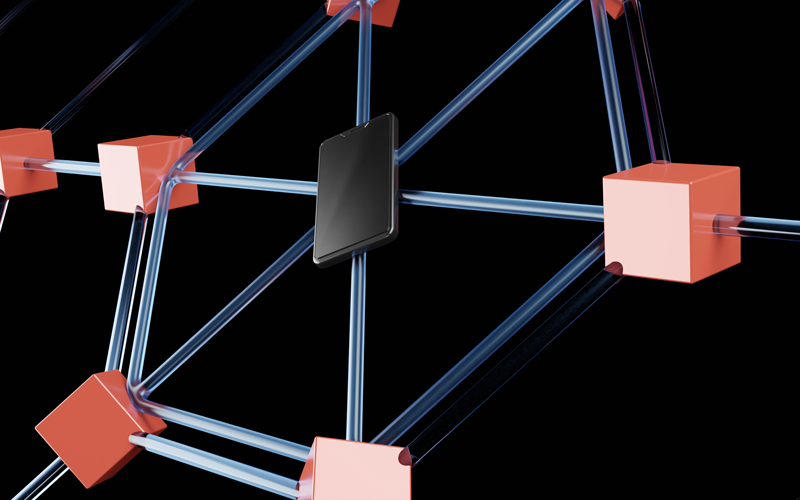
- Network Illustrations: Illustrations depicting a complex, yet organized, network of interconnected nodes visually represent the interconnectedness and scalability of the blockchain. These illustrations are essential in communicating the platform’s ability to handle a growing number of transactions and users. The intricate details showcase the platform’s capacity to support diverse and complex interactions within the Web3 finance sector.
- Security-Focused Graphics: Graphics emphasizing encryption, data integrity, and secure transactions reinforce L1 Blockchain’s commitment to security. This is paramount in the Web3 finance industry, where user trust is paramount. The graphics showcase complex cryptographic structures or locked vaults to reinforce the security measures in place.
- Innovation-Oriented Images: Illustrations depicting futuristic technology, such as holographic displays or advanced financial systems, emphasize L1 Blockchain’s commitment to innovation and forward-thinking design. This visual aspect is critical to highlighting the platform’s ability to adapt and evolve to meet the ever-changing demands of the Web3 space.
Market Analysis and Competition
The L1 blockchain’s rebrand signifies a proactive response to the dynamic and competitive Web3 finance landscape. Understanding the current market position, competitive landscape, and emerging trends is crucial for successful navigation. A thorough analysis of strengths, weaknesses, opportunities, and threats (SWOT) will inform strategic decision-making.The Web3 finance sector is experiencing rapid growth, attracting both established players and innovative startups.
This competitive environment necessitates a clear understanding of the market dynamics and trends to effectively position L1 for success.
Competitive Landscape Overview
The blockchain space is fiercely competitive, with numerous Layer-1 blockchains vying for market share. Key competitors often focus on different strengths, whether it’s transaction speed, scalability, or specific use cases. A comparative analysis of L1’s key competitors is vital to understand its unique value proposition.
Comparative Analysis of L1 and Key Competitors
| Feature | L1 Blockchain | Competitor A | Competitor B |
|---|---|---|---|
| Transaction Speed (TPS) | 10,000 TPS (estimated) | 5,000 TPS | 20,000 TPS (claimed) |
| Scalability | Designed for high-volume transactions and smart contract deployments. | Focuses on scalability through sharding. | Utilizes a unique consensus mechanism for improved scalability. |
| Security | Robust consensus mechanism and security audits. | Proven security record with extensive audits. | Security measures are under development and scrutiny. |
| Ecosystem Development | Growing developer community and active ecosystem building. | Well-established ecosystem with established tools and resources. | Attracting significant attention from developers but ecosystem is nascent. |
| Cost | Gas fees are competitive compared to competitors. | Relatively high gas fees compared to L1. | Low gas fees due to efficient consensus. |
This table provides a simplified comparison. Each blockchain has nuances that are not captured in this concise overview.
Strengths and Weaknesses of L1 Blockchain
- Strengths: L1 boasts a robust security architecture, evidenced by independent audits, and a growing developer community. The team’s commitment to scaling through innovation is a key strength. Early adopter network effect may be a strong advantage.
- Weaknesses: The newer nature of the blockchain might lead to a smaller, less mature ecosystem compared to established competitors. Transaction speed needs rigorous testing and demonstration.
The blockchain’s strength in security and innovation needs to be highlighted, and weaknesses addressed through further development and marketing.
Market Dynamics and Trends
- Decentralized Finance (DeFi) Growth: The growth of DeFi continues to drive demand for robust blockchains capable of handling the increased transaction volume. This trend presents a substantial opportunity for L1.
- Non-Fungible Tokens (NFTs): The increasing popularity of NFTs fuels demand for efficient and secure blockchain platforms for tokenization and trading. L1’s position in this evolving market is important to define.
- Regulation and Compliance: Regulatory scrutiny in the Web3 finance sector is increasing. Compliance with regulations is crucial for L1’s long-term success and will influence its market position.
- Competition from Established Players: Established players in the financial sector are increasingly entering the Web3 space. This competition presents both a threat and an opportunity for L1.
These trends demand careful attention and a proactive strategy to leverage opportunities and mitigate risks.
Ultimate Conclusion
In conclusion, l1 blockchain’s rebrand signals a significant step toward greater market penetration within the Web3 finance sphere. The changes, including a new visual identity and targeted expansion strategies, aim to position the blockchain as a leader in the rapidly evolving decentralized finance landscape. While the potential impact is promising, the success of the rebrand hinges on effectively reaching its target audience and delivering on its promises.
The market response will be critical in determining the blockchain’s future trajectory and its ability to capture a larger share of the Web3 finance market.