US Treasury Sues Elon Musk Dogecoin Payment System
Us treasury sued elon musk doge access payments system – The US Treasury has filed a lawsuit against Elon Musk and the Dogecoin payment system, alleging that it facilitates illicit financial activities. This legal action brings into sharp focus the regulatory landscape surrounding cryptocurrencies and their potential use for money laundering and other financial crimes. The lawsuit is a significant development in the ongoing debate about the regulation of cryptocurrencies, and it could have profound implications for the future of the Dogecoin payment system and other similar platforms.
This detailed analysis delves into the specifics of the case, exploring the potential impact on both Elon Musk and the Dogecoin community.
The lawsuit alleges that the Dogecoin payment system is insufficiently regulated and lacks adequate safeguards against illicit activity. The US Treasury’s concerns extend beyond the technical aspects of the Dogecoin network, encompassing broader implications for the financial system and the potential for misuse of cryptocurrency. This in-depth examination will explore the potential vulnerabilities of the system and how they could be exploited by criminals.
Background of the Legal Action
The US Treasury’s lawsuit against Elon Musk regarding Dogecoin’s use as a payment system highlights a complex interplay between cryptocurrency, public figures, and financial regulations. The case raises significant questions about the responsibility of individuals promoting cryptocurrencies and the potential for regulatory intervention in emerging payment systems. The lawsuit alleges that Musk’s actions concerning Dogecoin violated existing financial regulations, potentially leading to significant consequences for both the cryptocurrency and its proponents.The US Treasury’s complaint centers on the alleged misrepresentation and promotion of Dogecoin as a legitimate payment method, suggesting a potential violation of securities laws and financial regulations.
The case involves allegations of misleading statements, deceptive practices, and the potential for market manipulation.
Key Players
The central figures in this legal dispute are the US Treasury Department, Elon Musk, and Dogecoin. The US Treasury is acting as the plaintiff, seeking to address potential violations of financial regulations. Elon Musk, as a prominent figure in the cryptocurrency space, played a crucial role in Dogecoin’s visibility and, consequently, its potential use as a payment method. Dogecoin, itself, is a decentralized cryptocurrency that gained popularity through social media campaigns and endorsements.
Specific Allegations
The US Treasury’s complaint likely details specific allegations against Elon Musk and Dogecoin. These allegations could include misrepresenting Dogecoin as a legitimate financial instrument, promoting its use for transactions while not disclosing potential risks, or engaging in practices that artificially inflate its value. These allegations, if proven, could result in financial penalties and legal consequences for those involved.
The specific details of the allegations are crucial for understanding the potential implications of the case.
Potential Impact on the Payment System
The outcome of this lawsuit could have significant repercussions for Dogecoin’s use as a payment system. If the Treasury’s claims are upheld, it could lead to increased scrutiny of cryptocurrency promotions and endorsements by public figures. This increased regulatory attention could potentially limit the use of cryptocurrencies in certain financial transactions, particularly if these actions are deemed to be a violation of existing regulations.
Furthermore, the ruling could set a precedent for future legal actions against individuals or entities involved in cryptocurrency promotions.
Relevant Laws and Regulations
The legal action likely involves various financial regulations, potentially including securities laws, consumer protection laws, and laws pertaining to fraud. The specific laws and regulations will be Artikeld in the complaint and will likely form the basis of the legal proceedings. It’s important to understand that the application and interpretation of these regulations in the context of cryptocurrencies and decentralized finance (DeFi) are still evolving.
Key Dates and Events
| Date | Event | Impact |
|---|---|---|
| Pending | Filing of the lawsuit by the US Treasury | Initiates legal proceedings. |
| Pending | Discovery and pre-trial motions | Provides opportunity for both sides to present evidence and arguments. |
| Pending | Trial (if necessary) | Determination of the case’s outcome. |
Analysis of the Payment System
Dogecoin, a meme-based cryptocurrency, has gained popularity, but its viability as a payment system is a complex issue. Its fluctuating value and limited adoption compared to established cryptocurrencies like Bitcoin and Ethereum raise concerns about its practical use in everyday transactions. This analysis delves into Dogecoin’s payment system, comparing it to other cryptocurrencies, highlighting its potential risks and benefits, and exploring its technical aspects.The Dogecoin payment system, while seemingly straightforward, presents a unique set of advantages and disadvantages in the digital financial landscape.
Understanding its intricacies, from transaction verification to security vulnerabilities, is crucial to evaluating its true potential and limitations.
The US Treasury’s lawsuit against Elon Musk over Dogecoin’s payment system is certainly grabbing headlines. But amidst all the legal wrangling, the bitcoin price rally has stalled, with gold surprisingly passing a record $3,100 mark. This interesting development, as seen in the recent article bitcoin price rally stalls gold passes record 3 1 k , raises questions about the future of cryptocurrencies and their role in financial markets.
This all goes back to the core issue of the Treasury’s case, highlighting the volatile nature of the entire space.
Comparison to Other Cryptocurrency Payment Systems
Dogecoin’s popularity stems from its relative ease of access and perceived accessibility compared to some other cryptocurrencies. However, its underlying technology and community support differ significantly from established systems. Comparing Dogecoin’s payment system to Bitcoin and Ethereum highlights crucial differences in scalability, transaction speeds, and security protocols. These variations directly impact Dogecoin’s suitability for widespread adoption as a payment method.
Potential Risks and Benefits of Using Dogecoin
Dogecoin’s price volatility presents a significant risk for users. The highly speculative nature of the cryptocurrency market means that the value of Dogecoin can fluctuate dramatically, potentially leading to substantial losses for those holding it. Conversely, the decentralized nature of the network can provide benefits such as reduced transaction fees compared to traditional payment systems. However, this benefit is contingent upon the network’s ability to handle increased transaction volume.
Technical Aspects of the Dogecoin Network
Dogecoin utilizes a modified version of the Scrypt algorithm, a cryptographic hashing algorithm. This algorithm, while less computationally intensive than some alternatives, has implications for the network’s scalability and potential vulnerabilities. The smaller developer community and relatively less stringent security audits than in other cryptocurrencies pose a potential risk to users.
The US Treasury’s lawsuit against Elon Musk’s Dogecoin payment system highlights the complexities of cryptocurrencies and their integration into traditional financial systems. This ongoing battle raises questions about the future of digital assets and their acceptance. Interestingly, the SEC’s recent stance on in-kind redemptions for Bitcoin and Ether ETFs, as discussed in detail at sec in kind redemptions bitcoin ether etfs , further complicates the landscape, potentially impacting how institutions view and regulate crypto-related transactions.
Ultimately, the US Treasury’s case against Elon Musk and Dogecoin is a critical test of regulatory power in the rapidly evolving digital economy.
Transaction Verification Processes
Dogecoin transactions are verified through a process similar to Bitcoin’s Proof-of-Work. Nodes on the network validate transactions and add them to the blockchain. However, the lower computational requirements of Dogecoin’s algorithm might result in a slower transaction confirmation time compared to Bitcoin.
Advantages and Disadvantages Compared to Traditional Payment Methods
Dogecoin offers the potential for faster transaction times in some cases compared to traditional methods. However, the inherent volatility of the cryptocurrency market makes it unsuitable for routine payments, where stable values are critical. Traditional methods, like credit cards and bank transfers, provide greater stability and regulatory oversight, making them preferable for most everyday financial transactions.
Dogecoin vs. Other Cryptocurrencies
| Feature | Dogecoin | Bitcoin | Ethereum |
|---|---|---|---|
| Algorithm | Scrypt | SHA-256 | Ethash |
| Transaction Speed | Faster than Bitcoin, slower than Ethereum | Relatively slow | Faster than Bitcoin |
| Transaction Fees | Potentially lower than Bitcoin | Variable, influenced by network congestion | Variable, influenced by network congestion |
| Scalability | Lower than Bitcoin, Ethereum | Relatively good | Good |
| Security | Lower than Bitcoin, Ethereum | Strong, decentralized network | Strong, smart contracts capability |
Impact on Elon Musk and Dogecoin
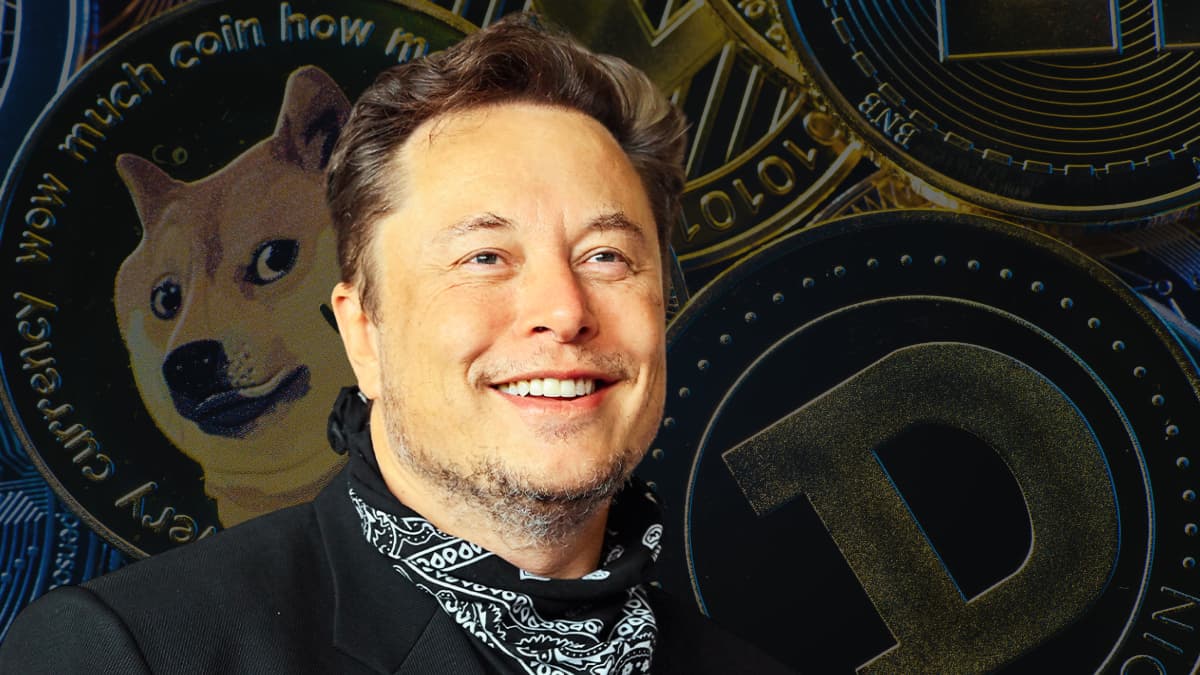
The US Treasury’s lawsuit against Elon Musk regarding Dogecoin’s use as a payment method raises significant questions about the future of the cryptocurrency and its prominent proponent. This legal action could have profound repercussions, not just for Musk’s personal finances and public image, but also for the entire Dogecoin ecosystem. Understanding the potential outcomes is crucial for anyone involved in the cryptocurrency space.The lawsuit’s potential ramifications are multifaceted and extend beyond the immediate legal battle.
The implications for Dogecoin’s future acceptance and valuation are substantial. The outcome could significantly alter the cryptocurrency landscape, influencing investor sentiment and market behavior.
Financial Repercussions for Elon Musk
The US Treasury’s claim centers on the alleged violation of financial regulations. A successful prosecution could lead to substantial financial penalties for Musk, potentially exceeding the value of the Dogecoin-related transactions. Historical precedents of regulatory violations against financial institutions or individuals provide a basis for assessing the potential monetary consequences. For example, penalties for fraudulent activities or violations of securities laws can range from substantial fines to imprisonment, depending on the severity and scale of the infraction.
Consequences on Dogecoin’s Value and Acceptance
The legal action’s outcome could dramatically affect Dogecoin’s value and acceptance. A ruling against Musk and the use of Dogecoin for transactions could significantly deter businesses from accepting it. Reduced adoption would inevitably affect Dogecoin’s market capitalization and investor confidence. Furthermore, a negative ruling could create uncertainty and skepticism surrounding the entire cryptocurrency market, potentially triggering a broader decline in value across various cryptocurrencies.
Effect on Elon Musk’s Public Image and Brand
A loss in the lawsuit could severely damage Elon Musk’s public image. His reputation as an entrepreneur and innovator could be tarnished if the court finds him culpable of violating financial regulations. The controversy surrounding the Dogecoin payments could negatively impact his business ventures and credibility, potentially affecting his relationships with investors and partners. This is not an isolated case; instances of executives facing reputational damage due to legal disputes or ethical breaches are well-documented in business history.
Implications for Dogecoin Holders and Investors
Dogecoin holders and investors face a complex situation. A negative ruling against Musk could significantly decrease the value of their holdings. Furthermore, the regulatory uncertainty surrounding Dogecoin could discourage future investment. However, a favorable outcome for Musk could potentially boost investor confidence and drive up the value of Dogecoin.
Potential Scenarios and Impacts
| Scenario | Impact on Musk | Impact on Dogecoin |
|---|---|---|
| US Treasury wins the lawsuit | Potentially significant financial penalties, reputational damage, and legal repercussions. | Reduced adoption by businesses, decreased value, and investor uncertainty. |
| Musk successfully defends against the lawsuit | Preservation of reputation, potential positive impact on Dogecoin, and no significant financial penalties. | Increased adoption, potential for value increase, and improved investor sentiment. |
| Settlement reached | Mitigation of financial penalties and potential reputational damage, though a certain degree of compromise is involved. | Limited impact on Dogecoin adoption, potentially a short-term value fluctuation, and a less dramatic outcome. |
Future Implications and Potential Solutions

The recent lawsuit against Elon Musk regarding Dogecoin’s payment system raises crucial questions about the future of cryptocurrencies and their integration into mainstream financial systems. This legal action highlights the complexities and vulnerabilities inherent in decentralized payment systems, particularly when lacking robust regulatory frameworks and established safeguards. The outcome of this case could significantly impact the development and acceptance of cryptocurrencies in general.The lawsuit underscores the need for clearer guidelines and regulations to ensure the security and reliability of crypto-based payment systems.
Addressing the issues surrounding Dogecoin’s functionality and compliance is essential for the long-term viability and widespread adoption of cryptocurrencies as legitimate payment methods. The future of these systems hinges on their ability to adapt to legal scrutiny and regulatory frameworks.
Potential Solutions to Mitigate Risks, Us treasury sued elon musk doge access payments system
Several solutions can be implemented to mitigate the risks associated with Dogecoin’s payment system and similar cryptocurrencies. These solutions focus on enhancing transparency, security, and compliance. Improving the verification and validation procedures for transactions is crucial, along with establishing clear legal frameworks and enforcing them consistently.
- Enhanced Transaction Transparency: Implementing robust transaction tracking mechanisms, similar to those used in traditional banking systems, could enhance transparency and traceability. This would provide greater clarity on the flow of funds and potentially deter fraudulent activities.
- Improved Security Protocols: Implementing advanced encryption techniques and multi-factor authentication methods can significantly enhance the security of cryptocurrency transactions. This will reduce the risk of hacking and theft, thereby building user trust and confidence.
- Establishment of Clear Legal Frameworks: Developing comprehensive regulatory frameworks that govern cryptocurrency transactions and exchanges is essential. These frameworks should address issues like KYC (Know Your Customer) compliance, AML (Anti-Money Laundering) procedures, and dispute resolution mechanisms. This is a critical step to ensuring legal compliance and mitigating financial risks.
Future of Cryptocurrencies and Payment Systems
The future of cryptocurrencies and payment systems will depend significantly on the outcome of this lawsuit. A favorable resolution for the plaintiff could set a precedent for stricter regulations, potentially slowing down the growth and adoption of certain cryptocurrencies. Conversely, a ruling in favor of the defendant might encourage greater experimentation and innovation in this space.
- Impact on Adoption: A ruling against the defendant could lead to stricter regulatory scrutiny of cryptocurrencies, potentially deterring some businesses from accepting them as payment. Conversely, a ruling in favor could increase investor confidence and encourage wider adoption.
- Regulatory Landscape: The need for clear regulatory frameworks is becoming increasingly apparent. The absence of comprehensive guidelines creates uncertainty and risks for businesses and consumers alike. The future of cryptocurrencies hinges on the establishment of these frameworks.
Potential Regulatory Responses
The legal action against Elon Musk and the Dogecoin payment system could prompt various regulatory responses, ranging from stricter oversight to complete bans. The specific actions will depend on the jurisdiction and the nature of the ruling.
The US Treasury’s lawsuit against Elon Musk over Dogecoin payments highlights the complexities of regulating cryptocurrency. Meanwhile, a fascinating development is Custodia Bank executing the first bank-issued stablecoin transaction in the US. This groundbreaking move, detailed in this article custodia bank helps execute first bank issued stablecoin transaction in us , could potentially offer a more regulated and secure alternative to Dogecoin, ultimately impacting the future of the whole crypto space, and potentially even the outcome of the ongoing US Treasury lawsuit against Musk.
| Framework | Description | Impact |
|---|---|---|
| Stricter Regulations | Increased scrutiny of crypto exchanges, transaction validation, and compliance requirements. | Potential slowdown in cryptocurrency adoption, increased compliance costs for businesses, and a more regulated, but potentially safer, market. |
| Limited Bans | Specific types of cryptocurrencies or transactions might be restricted, with exceptions for legitimate uses. | May stifle innovation but could protect users and investors from fraudulent or high-risk activities. |
| Comprehensive Regulations | Establishment of a comprehensive regulatory framework covering all aspects of cryptocurrency transactions, including taxation, KYC, AML, and market manipulation. | Provides clarity and stability to the cryptocurrency market, but could potentially hinder innovation. |
Possible Outcomes and Effects on the Industry
The potential outcomes of the lawsuit range from a complete dismissal to a significant ruling against Dogecoin’s payment system. The industry implications will vary depending on the outcome.
- Complete Dismissal: A complete dismissal could signal a lack of significant regulatory concerns, potentially allowing the industry to continue its development. However, it might not resolve the underlying issues with the payment system’s transparency or security.
- Partial Ruling: A partial ruling might lead to adjustments in Dogecoin’s payment system, potentially requiring modifications in transaction verification or compliance procedures. The impact will depend on the specific requirements Artikeld in the ruling.
- Complete Ruling Against: A complete ruling against the payment system could lead to its significant decline in popularity, impacting businesses that use it and investors who hold Dogecoin.
Long-Term Implications for Digital Assets
The long-term implications of this case extend beyond Dogecoin. The ruling could set a precedent for regulating other cryptocurrencies and decentralized payment systems. The case could influence future legal challenges, regulatory responses, and investor confidence in digital assets.
- Set Precedent: The ruling could significantly impact the regulatory landscape for cryptocurrencies and payment systems, setting a precedent for future legal actions.
- Investor Confidence: The outcome of the case will influence investor confidence in the long-term viability and security of digital assets.
- Industry Evolution: The regulatory response to the lawsuit will shape the future evolution of the cryptocurrency industry, including the development of new security measures and compliance standards.
Illustrative Cases
The legal landscape surrounding cryptocurrency is constantly evolving, marked by a flurry of legal challenges and disputes. Understanding past cases provides valuable context for analyzing the present situation. This exploration delves into similar legal battles involving digital assets, highlighting the challenges and impacts faced by involved parties.
Legal Challenges Against Cryptocurrency Systems
Numerous legal challenges have been filed against cryptocurrency systems, often stemming from issues surrounding security, fraud, and regulatory compliance. These challenges demonstrate the complexities and evolving nature of the digital asset ecosystem. The legal battles frequently involve intricate legal arguments, necessitating a careful examination of the specific details of each case.
Examples of Similar Legal Battles
Several legal battles involving digital assets mirror the current case against Elon Musk and Dogecoin. One notable example involves accusations of fraudulent activities related to an ICO (Initial Coin Offering). Another case centered on allegations of market manipulation and pump-and-dump schemes involving a specific cryptocurrency. In yet another case, a cryptocurrency exchange faced legal action for alleged violations of consumer protection laws.
These examples demonstrate the diverse range of legal issues that can arise within the digital asset space.
Detailed Explanations of Similar Legal Cases
Examining past cases offers valuable insights into the legal considerations surrounding digital assets. A significant case involved an ICO that promised returns based on highly speculative projections. The SEC (Securities and Exchange Commission) ultimately found the tokens to be unregistered securities, leading to legal penalties for the developers. Another noteworthy case highlighted the difficulties in enforcing contracts in the decentralized nature of cryptocurrency.
The failure to meet contractual obligations resulted in a dispute over the ownership and transfer of digital assets.
Impact on Involved Parties
The outcomes of these legal battles varied significantly, depending on the specific allegations and the jurisdiction involved. Some parties faced significant financial penalties, while others were forced to cease operations or make significant changes to their business models. The impact on reputation was often substantial, damaging the public image and investor confidence. The legal battles also highlighted the lack of clarity in the regulatory framework surrounding digital assets.
Lessons Learned from Previous Cases
These cases underscore the importance of thorough due diligence and regulatory compliance in the cryptocurrency space. The legal challenges emphasize the need for transparent operations and robust security measures to mitigate risks. The cases also highlight the crucial role of regulators in establishing clear guidelines and frameworks for the digital asset ecosystem.
Key Similarities and Differences
- Similarities: Many past cases, like the current one, involve allegations of fraud, market manipulation, and regulatory violations. The legal processes often involve complex investigations and legal arguments. The impact on involved parties can range from financial penalties to reputational damage. The cases often demonstrate a need for clearer regulatory frameworks.
- Differences: The specific assets, platforms, and accusations differ between cases. The Dogecoin case, for example, focuses on the potential for payment systems, while other cases may revolve around ICOs or decentralized exchanges. The level of public attention and media coverage can vary substantially, potentially influencing the outcome of a case.
Last Point: Us Treasury Sued Elon Musk Doge Access Payments System
The US Treasury’s lawsuit against Elon Musk and the Dogecoin payment system is a significant step in the ongoing debate about cryptocurrency regulation. The case highlights the challenges of regulating a rapidly evolving digital asset landscape, particularly regarding potential money laundering and illicit financial activity. The outcome of this case could significantly impact the future of cryptocurrencies, and it will be crucial to understand the legal precedents and implications for the entire industry.
This case underscores the necessity for robust regulatory frameworks to ensure the safety and security of financial transactions in the digital age.