Trump Administration Stablecoin Regulation US Dollar Impact
Trump administration stablecoin regulation US dollar sets the stage for a deep dive into the complex relationship between digital assets and the US financial system. This regulation directly impacts the design and function of stablecoins pegged to the US dollar, influencing their potential impact on financial innovation and consumer behavior. We’ll explore the historical context, the administration’s stance on digital assets, the crucial role of the US dollar, and the potential economic repercussions of various regulatory approaches.
The regulation’s effects will be examined through the lens of historical US financial regulations and global comparisons. A timeline of key events and policy shifts will highlight how stablecoin concepts have evolved. We’ll also analyze the Trump administration’s approach, comparing it to the stances of other countries and evaluating the impact on financial innovation, consumer confidence, and the global dominance of the US dollar.
Historical Context of Stablecoin Regulation in the US: Trump Administration Stablecoin Regulation Us Dollar
The US regulatory landscape for stablecoins is still evolving, reflecting the nascent nature of this technology. While the concept of stablecoins is relatively recent, the historical context of financial regulations in the US, particularly those pertaining to cryptocurrencies and digital assets, provides valuable insight into potential future approaches to stablecoin regulation. Understanding this history is crucial to anticipating the likely trajectory of policy and its potential impacts.The US has a long history of adapting its financial regulations to emerging technologies.
This iterative approach often involves a period of uncertainty and experimentation, as regulators grapple with the complexities of new financial instruments and their potential risks. The approach to stablecoins is no different, and the historical context provides a useful framework for understanding the challenges and potential solutions.
Historical Timeline of US Financial Regulations Related to Cryptocurrencies
The US regulatory approach to cryptocurrencies has been characterized by a blend of cautious observation and piecemeal responses. Initially, cryptocurrencies were largely treated as unregulated digital assets. Over time, however, various agencies have issued statements and guidance on their treatment, particularly as their potential impacts on the financial system have become more apparent. Key events and policy shifts have marked this evolution.
- Early 2010s: Limited regulatory scrutiny on Bitcoin and other cryptocurrencies. Many cryptocurrencies were seen as outside the existing financial regulatory framework. This period saw a rapid rise in cryptocurrency trading volumes and market capitalization, creating an environment of uncertainty regarding regulatory oversight.
- Mid-2010s to Present: Increased scrutiny and regulatory activity. The SEC and CFTC have begun to articulate their views on the classification of cryptocurrencies and associated activities, like trading and exchanges. The 2017 tax law designated certain cryptocurrencies as property for tax purposes. This period also saw a rise in the number of regulatory enforcement actions against crypto businesses.
Evolution of Stablecoin Concepts and Their Potential Impact on the US Financial System
Stablecoins, designed to maintain a stable value pegged to a fiat currency like the US dollar, have the potential to significantly impact the US financial system. Their impact depends on their adoption rate and the specific characteristics of the stablecoin design. Their potential impacts include:
- Increased access to financial services. Stablecoins could provide more accessible and affordable ways for individuals and businesses to engage in financial transactions, particularly in underserved markets.
- Enhanced cross-border transactions. Stablecoins could facilitate more efficient and cost-effective cross-border payments, potentially boosting international trade and commerce.
- New forms of lending and borrowing. Stablecoins could create new opportunities for lending and borrowing, potentially changing the dynamics of traditional financial markets.
- Potential for systemic risk. The potential for widespread use of stablecoins also introduces concerns about systemic risk, especially if the underlying assets of a stablecoin are not robustly managed or if a significant number of users lose confidence in a stablecoin’s ability to maintain its pegged value.
Different Approaches to Regulating Stablecoins
Various approaches to regulating stablecoins have been considered and discussed. The key considerations include determining whether stablecoins should be regulated as securities, commodities, or something else entirely. Furthermore, the regulatory approach needs to consider the specific risks associated with the stablecoin’s underlying asset.
- Treating stablecoins as securities. This approach focuses on whether the stablecoin represents an investment contract under the Howey Test, potentially subject to SEC regulation.
- Treating stablecoins as commodities. This approach, advocated by some, suggests that stablecoins with underlying assets that qualify as commodities should fall under CFTC jurisdiction.
- Developing a dedicated framework. A separate regulatory framework tailored to stablecoins could provide a comprehensive approach that addresses the specific challenges of this emerging technology.
Regulatory Approaches of Other Countries to Stablecoin Regulation
International comparisons offer insights into the diverse regulatory approaches to stablecoins. Countries have varying levels of experience with cryptocurrency regulation, and this influences their perspectives on stablecoin regulation.
| Country | Regulatory Approach |
|---|---|
| United Kingdom | Taking a broad approach to financial services regulation, including cryptoassets, but with specific considerations for stablecoins. |
| European Union | Developing a harmonized approach to regulating cryptoassets, including stablecoins, with a focus on investor protection. |
| Switzerland | Taking a technology-neutral approach, seeking to balance innovation with risk management in stablecoin regulation. |
Examples of Existing Regulations that May Influence How Stablecoins Are Treated
Existing financial regulations could influence how stablecoins are treated in the US. These regulations include those that govern money transmission, banking, and securities. The specifics of how these regulations apply to stablecoins are still being debated and developed.
- Bank Secrecy Act (BSA): The BSA mandates reporting and record-keeping requirements for financial institutions, potentially impacting the way stablecoin providers are regulated.
- Bank Holding Company Act: This act may affect the ways in which stablecoin issuers interact with banks or other financial institutions.
- Reserve Backing: Some stablecoins maintain reserves of US dollars, holding a 1:1 ratio or a percentage of the stablecoin’s circulating supply. This ensures that holders can redeem their stablecoins for the equivalent dollar value.
- Algorithmic Stablecoins: These stablecoins use algorithms to maintain the peg. They rely on smart contracts and automated market makers to adjust the supply of the stablecoin based on demand and market conditions. For example, if the stablecoin’s value rises above the dollar peg, the algorithm might release more stablecoins into circulation to lower the price, and vice versa.
- Collateralization: Some stablecoins use assets as collateral to back their value. This collateral can be a variety of assets, but it is crucial to understand the quality and liquidity of these assets, as the value of the collateral will directly affect the stability of the stablecoin.
- Fully-backed stablecoins are pegged directly to the US dollar. They maintain a precise dollar-to-stablecoin ratio through reserves held in US dollar accounts.
- Algorithmic stablecoins aim to maintain the peg through the use of smart contracts and market-making protocols. The extent of their reliance on the US dollar may vary, depending on the specific algorithm.
- The United States: While the US has not yet implemented a comprehensive stablecoin-specific framework, regulatory agencies are closely monitoring the sector. The approach tends to be more reactive than proactive, with existing regulations applied to stablecoin operations as appropriate. This has led to situations where stablecoin issuers have faced scrutiny under existing securities, banking, and money transmission laws.
Examples include investigations into the operational structure and backing of stablecoins to ensure compliance with existing banking regulations. This reactive approach can create uncertainty for stablecoin businesses, potentially impacting their operations and expansion plans. The lack of a dedicated regulatory framework can hinder innovation and limit the development of a robust and transparent stablecoin market.
- Europe: The European Union is exploring regulatory approaches for crypto assets, including stablecoins. The EU’s focus is often on aligning stablecoin regulation with existing financial regulations, to mitigate risks and ensure consumer protection. This includes considerations of how stablecoins might affect the financial system and how to maintain the integrity of the Euro. Initial discussions and proposals focus on the alignment of stablecoin structures with existing financial regulations.
- China: China’s approach to digital assets, including stablecoins, has been significantly more restrictive. In 2021, China banned cryptocurrency trading and the issuance of stablecoins, effectively creating a regulatory environment where the development and use of stablecoins are largely curtailed. This drastic measure reflects a specific government policy, and this strong stance has had a substantial impact on the Chinese market.
The consequences for stablecoin businesses and innovators have been significant, impacting their ability to operate and grow in that market.
- Singapore: Singapore has been relatively supportive of the crypto sector and has introduced specific regulatory guidelines for stablecoins, fostering a favorable environment for stablecoin innovation and adoption. This includes clear guidance on the requirements for licensing and operational compliance. The focus is on balancing the potential benefits of stablecoins with the need to mitigate risks, demonstrating a proactive and balanced regulatory approach.
The Trump Administration’s Stance on Digital Assets
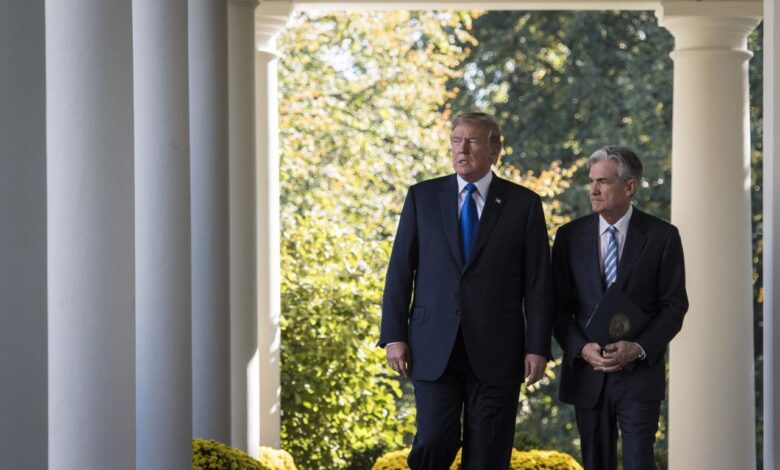
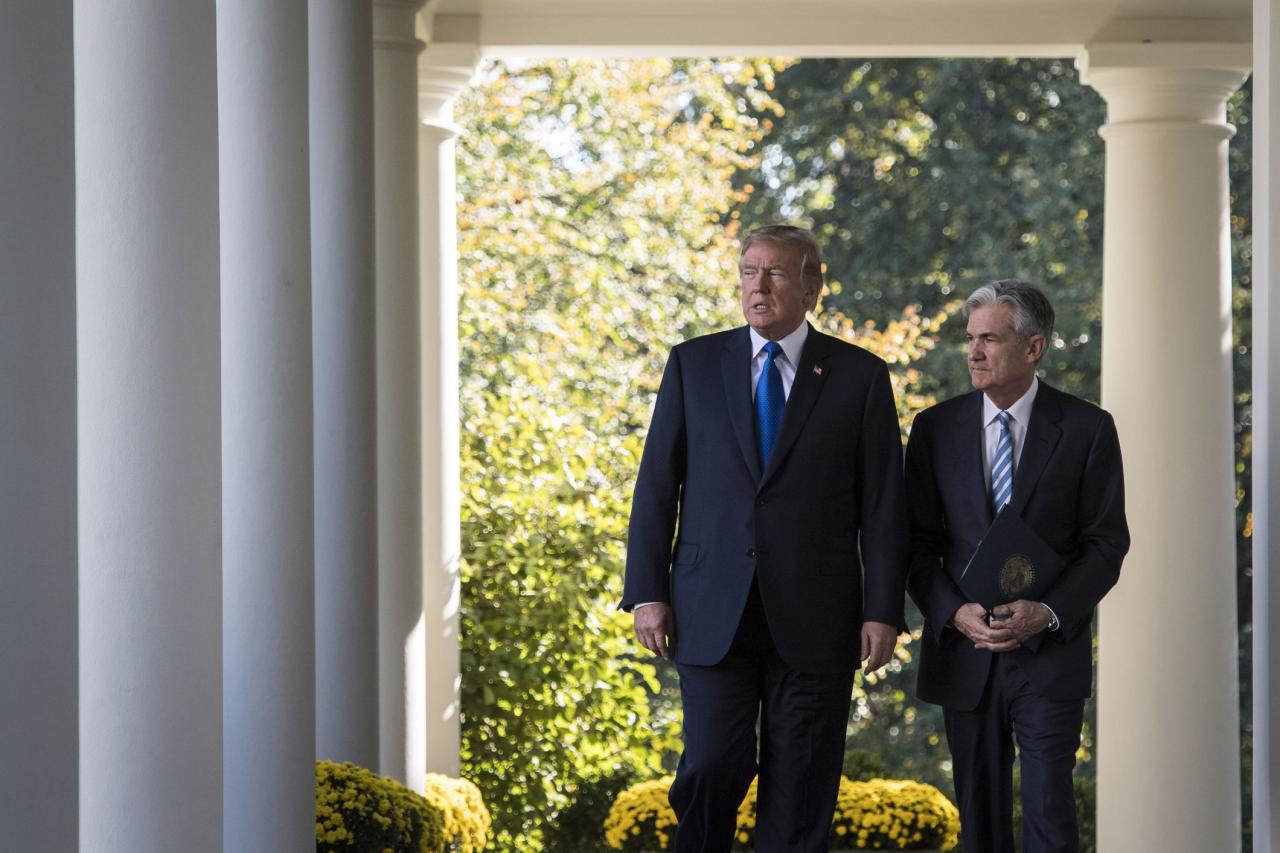
The Trump administration’s approach to digital assets, including stablecoins, was largely characterized by a cautious and somewhat ambivalent stance. While recognizing the potential of blockchain technology, the administration also expressed concerns about the associated risks, particularly regarding financial stability and consumer protection. This approach manifested in a series of pronouncements and actions that reflected a desire for regulation, but without a clear, comprehensive regulatory framework.
This often resulted in uncertainty for businesses and investors operating in the digital asset space.The Trump administration’s stance on digital assets was a mix of regulatory pronouncements, but lacking a fully developed, cohesive strategy. They sought to balance the potential benefits of innovation with the need to mitigate potential risks. This often resulted in a reactive approach to emerging challenges rather than a proactive, forward-looking regulatory framework.
Public Statements and Actions
The Trump administration engaged in a series of public pronouncements and actions concerning digital assets. These included statements by administration officials, participation in relevant forums, and consideration of potential regulatory measures. Their approach reflected a focus on consumer protection and financial stability, though specific measures were not always clearly articulated.
Official Reports, Executive Orders, and Proposed Legislation, Trump administration stablecoin regulation us dollar
The Trump administration did not issue any major reports, executive orders, or proposed legislation specifically addressing stablecoins. While there were statements and discussions about the need for regulating digital assets, these were not translated into concrete regulatory actions. This lack of concrete regulatory actions left the regulatory landscape for stablecoins somewhat ambiguous during the Trump administration.
Tone and Approach
The Trump administration’s overall tone toward digital currency regulation was characterized by a cautious approach, marked by a recognition of the potential of innovation but also a concern for financial stability and consumer protection. This approach often resulted in a wait-and-see attitude rather than a proactive, forward-looking regulatory strategy.
Motivations and Influences
Several potential motivations and influences likely shaped the Trump administration’s position on digital assets. Concerns about financial stability, the potential for fraud and abuse, and the need to protect consumers were likely important considerations. Also, the desire to maintain a stable financial system and ensure the integrity of the US dollar was a key factor.
Key Dates, Events, and Actions
| Date | Event | Description | Impact on Stablecoins |
|---|---|---|---|
| 2018 | Statements by Treasury Department officials | Officials expressed concerns about the potential risks associated with cryptocurrencies and the need for regulation. | While not directly targeting stablecoins, these statements created a regulatory environment that was uncertain for stablecoin projects. |
| 2020 | Executive Order on Maintaining American Leadership in the Digital Economy | The order encouraged innovation while acknowledging the need for responsible development and regulation. | The order did not include specific regulations regarding stablecoins but created a broader framework for considering digital asset regulation. |
| Throughout the Administration | Lack of Specific Stablecoin Legislation | No significant legislation was proposed or passed specifically addressing stablecoins. | This lack of specific legislation resulted in uncertainty for stablecoin issuers and investors. |
The US Dollar’s Role in Stablecoin Structures
Stablecoins, designed to maintain a fixed value pegged to a fiat currency like the US dollar, have become increasingly prevalent in the cryptocurrency market. Understanding their relationship with the US dollar is crucial to assessing their potential impact on the global financial landscape and the very nature of money. Their design, function, and dependence on the US dollar’s stability and credibility, will be examined in the following sections.The US dollar’s role in stablecoins is multifaceted.
The Trump administration’s plans for stablecoin regulation, tied to the US dollar, are definitely interesting. Given the recent Bitcoin price drop to $83,000, should BTC traders expect a swift recovery , it’s worth considering how these regulatory efforts might impact the crypto market. Ultimately, the Trump administration’s approach to stablecoin regulation will likely have far-reaching effects on the overall financial landscape.
It acts as the bedrock of value for these cryptocurrencies, influencing their design, mechanisms, and the trust placed in them. The relationship is not just about mirroring the dollar’s value; it’s about harnessing the benefits of both the crypto and fiat worlds, while simultaneously managing inherent risks. This reliance shapes the market dynamics and the future of financial transactions.
Stablecoin Design and the Dollar Peg
Stablecoins are designed to maintain a stable price relative to a specific currency, typically the US dollar. This is achieved through various mechanisms, ranging from holding reserves of US dollars to employing more complex algorithms. These mechanisms are fundamental to maintaining trust and ensuring stable exchange rates.
The Trump administration’s attempts to regulate stablecoins pegged to the US dollar are interesting, but frankly, a bit outdated in today’s digital landscape. Recent developments in decentralized AI and media are rapidly reshaping the future of Web3, as discussed in a fascinating interview with AIOZ Network. This insightful piece highlights how these technologies could potentially bypass some of the hurdles faced by traditional financial regulations, ultimately impacting the future of stablecoin regulation in the US as well.
It’s a complex issue, but one that requires a more forward-thinking approach.
Mechanisms for Maintaining the Dollar Peg
Stablecoins utilize a variety of mechanisms to maintain their dollar peg. These mechanisms are designed to counteract any market fluctuations that could destabilize the stablecoin’s value. The most common mechanisms include:
Implications for US Dollar Dominance
The proliferation of stablecoins raises questions about the US dollar’s global reserve currency status. While stablecoins provide a convenient alternative for international transactions and potentially reduce reliance on US dollar reserves, their success could also challenge the dollar’s dominance. This challenge depends on the degree of trust and acceptance that stablecoins garner and the extent to which they integrate into existing financial systems.
The Trump administration’s stance on stablecoin regulation within the US dollar system is a complex issue. While the exact details of future regulations remain unclear, understanding how to navigate the world of cryptocurrency investment is key, especially if you’re looking to buy bitcoin in South Africa. How to buy bitcoin in South Africa is a helpful resource for anyone interested in exploring cryptocurrency investments, and this knowledge ultimately informs the broader discussion on stablecoin regulation in the US dollar.
The ripple effects of these regulations will undoubtedly impact the future of digital currencies.
Comparison of Stablecoin Models
Different stablecoin models have varying degrees of reliance on the US dollar. Some are fully backed by US dollars, while others utilize a mix of reserves and algorithms. The level of reliance often influences the perceived stability and risk profile of the stablecoin.
Pros and Cons of Using the US Dollar in Stablecoin Design
The use of the US dollar in stablecoin design presents several advantages and disadvantages:
| Pros | Cons |
|---|---|
| Stability and Trust: The US dollar’s long history and widespread acceptance create a high degree of trust, making it an attractive backing for stablecoins. | Potential for US Dollar Volatility: While the US dollar is generally considered stable, periods of volatility can impact the value of stablecoins backed by it. |
| Liquidity and Accessibility: The US dollar is highly liquid and accessible globally, facilitating transactions and market access. | Regulatory Uncertainty: The evolving regulatory landscape for stablecoins and cryptocurrencies creates uncertainty, potentially affecting stablecoin issuers that rely on the US dollar. |
| Widely Accepted: The US dollar is widely recognized and accepted globally, making it a familiar choice for stablecoin issuers. | Dependence on US Economic Conditions: Stablecoins backed by the US dollar are indirectly exposed to US economic conditions, which could affect their value if conditions change. |
Potential Impacts of Stablecoin Regulation on the US Economy
Stablecoin regulation in the US is a critical juncture for the digital asset landscape. The potential ramifications for financial innovation, consumer access, and the overall stability of the US dollar are significant. This discussion explores the multifaceted impacts of various regulatory frameworks on the US economy.
Impact on Financial Innovation and Competition
Stablecoin regulation can either foster or stifle innovation. A light-touch regulatory approach, allowing for experimentation and competition, could lead to the development of more robust and efficient financial instruments. This could potentially lower transaction costs, increase access to financial services, and expand financial inclusion. Conversely, overly strict regulations might discourage innovation, potentially limiting the development of novel financial products and services.
Existing financial institutions might be more likely to enter the stablecoin market with a less burdensome regulatory environment, potentially hindering the growth of new fintech companies.
Impact on Consumers and Investors
The consumer and investor experience will be deeply affected by the regulatory environment. Clear and transparent regulations can increase consumer confidence and foster trust in stablecoins, thereby encouraging adoption. Conversely, stringent regulations could create barriers to entry, making stablecoins less accessible to retail investors. The regulatory approach must balance the need for consumer protection with the desire to promote financial innovation.
A well-defined regulatory framework that addresses the specific risks and benefits associated with stablecoins is essential for creating a balanced approach. The risk of fraud, scams, and market manipulation must be considered in the regulatory framework to protect consumers and investors.
Potential Impact on the US Dollar
The role of the US dollar in stablecoin structures is crucial. The stability of the US dollar is inextricably linked to the stability of stablecoins. Regulations that promote the integrity and reliability of stablecoins, while preserving the dominance of the US dollar, will be essential. Stablecoins that are pegged to the US dollar and backed by a strong reserve could bolster the US dollar’s global prominence.
Conversely, if stablecoins are not well-regulated, they might undermine the US dollar’s role as a global reserve currency. A thoughtful regulatory approach can safeguard the US dollar’s position while simultaneously fostering the development of innovative financial technologies.
Table of Potential Scenarios
| Regulatory Framework | Impact on Innovation | Impact on Consumers | Impact on US Dollar |
|---|---|---|---|
| Strict Regulation | Limited innovation; existing financial institutions gain an advantage; potentially slower adoption of stablecoins; reduced competition | Increased protection against scams and fraud; higher barriers to entry for consumers; potentially limited access to innovative financial services | Potentially strengthens the US dollar’s position by mitigating risk; may face challenges from other stablecoins pegged to alternative currencies |
| Moderate Regulation | Balanced innovation; allows for experimentation and competition; encourages growth of new fintech companies | Increased consumer protection with clear guidelines; reasonable barriers to entry; greater access to new financial tools | Maintains the US dollar’s global position while allowing for competition in the digital asset space; opportunities for international use of stablecoins pegged to the US dollar |
| Light Regulation | High innovation; rapid adoption of stablecoins; significant competition; potential for disruption | Increased access to financial services; lower barriers to entry for consumers; risk of scams and fraud, requiring greater consumer vigilance | Potentially challenges the US dollar’s global dominance if other currencies or stablecoins gain significant traction; opportunities for innovative financial instruments pegged to the US dollar |
Benefits and Risks of Various Regulatory Approaches
A strict regulatory approach prioritizes consumer protection and financial stability. However, it might stifle innovation and competition, potentially hindering the growth of new financial technologies. A moderate approach attempts to strike a balance between innovation and protection. It encourages experimentation while maintaining safeguards against significant risks. A light-touch approach allows for rapid innovation and adoption, but could also lead to higher levels of risk and consumer vulnerability.
Careful consideration of these trade-offs is necessary to develop a regulatory framework that promotes the benefits of stablecoins while mitigating their risks.
Future Implications of Stablecoin Regulation
The ongoing development and increasing adoption of stablecoins necessitates a clear regulatory framework. The Trump administration’s initial efforts, while incomplete, set a precedent for the US approach to digital assets. The future of stablecoin regulation will be shaped by evolving technological advancements, economic conditions, and political priorities. Understanding potential future scenarios is crucial for both investors and businesses operating in this burgeoning space.The current regulatory landscape is characterized by a cautious approach, reflecting the need to balance innovation with financial stability.
This careful consideration of potential risks and benefits will continue to influence future legislative actions and industry practices. The future will likely see a more nuanced and sophisticated regulatory framework tailored to the specific characteristics of various stablecoin types and their applications.
Potential Future Regulatory Scenarios
The future of stablecoin regulation in the US will likely see a multifaceted approach, moving beyond simple prohibitions or outright approvals. Expect a range of potential regulatory scenarios to emerge, based on factors like the stability of the underlying assets, the extent of user protections, and the overall impact on the financial system. These scenarios may involve different regulatory bodies or combinations thereof.
For example, the SEC may take the lead on certain types of stablecoins while the Federal Reserve or the Treasury Department focus on others.
Legislative Actions
Future legislative actions regarding stablecoins are likely to be driven by a combination of factors, including public discourse, technological advancements, and evolving financial risks. These actions will likely focus on defining stablecoin classifications, specifying reserve requirements for stablecoins pegged to the US dollar, and establishing clear guidelines for the oversight and enforcement of stablecoin issuers.
Emerging Technologies and Their Influence
Emerging technologies like decentralized finance (DeFi) and blockchain technology will play a significant role in shaping the future of stablecoin regulation. The integration of smart contracts, decentralized exchanges, and other DeFi protocols into stablecoin structures may necessitate adjustments to existing regulations. The evolution of these technologies necessitates an agile and adaptable regulatory approach to ensure the stability of the financial system without hindering innovation.
A future regulatory framework must anticipate these developments and adapt to changing conditions.
Potential Trajectory of Stablecoin Regulation in the US
 This graphic illustrates a potential trajectory for stablecoin regulation in the US. The initial phase, characterized by uncertainty and a cautious approach, is followed by a period of evolving regulations tailored to specific stablecoin types. The graphic highlights the potential for legislative action, particularly concerning reserve requirements, oversight of issuers, and potential interplay between various regulatory bodies. The future trajectory is contingent on several factors, including the evolution of technology, market trends, and regulatory responses.
Illustrative Examples of Stablecoin Regulation
Stablecoin regulation is a complex and evolving landscape, shaped by the unique characteristics of each jurisdiction and the specific concerns surrounding these digital assets. Different countries are adopting varying approaches, reflecting differing priorities and regulatory philosophies. This section will explore real-world examples, highlighting the diverse ways stablecoins are being addressed globally. From successful frameworks to challenges faced by issuers, the examination provides insights into the potential impact of regulation on the future of stablecoins.
Real-World Examples of Stablecoin Regulation
Various jurisdictions are actively engaging with stablecoins, adopting different approaches to regulation. These approaches range from light-touch oversight to comprehensive frameworks. The examples presented below illustrate the spectrum of regulatory responses.
Comparative Table of Countries’ Approaches
The following table summarizes the approaches to stablecoin regulation in different jurisdictions.
| Country | Regulatory Approach | Key Focus Areas | Impact on Stablecoin Issuers |
|---|---|---|---|
| United States | Reactive, applying existing regulations | Compliance with securities, banking, and money transmission laws | Uncertainty, potential for enforcement actions |
| Europe (EU) | Alignment with existing financial regulations | Financial system integrity, consumer protection | Need to comply with evolving regulations |
| China | Ban on cryptocurrency trading and stablecoin issuance | Maintaining financial stability | Significant restrictions on operations |
| Singapore | Specific regulatory guidelines | Balancing benefits and risks | Favorable environment for innovation |
Specific Cases of Stablecoin Issuers Facing Regulatory Scrutiny
Regulatory scrutiny of stablecoin issuers has varied in intensity. Some issuers have faced challenges due to insufficient disclosure of their reserve backing or operational procedures. This highlights the need for transparency and compliance with regulatory requirements.
Examples of Successful and Unsuccessful Stablecoin Regulation
Successful regulation fosters innovation and mitigates risks, while unsuccessful regulation can stifle development and create uncertainty. The regulatory responses in various jurisdictions offer a mixed bag of examples.
Potential Impact on Stablecoin Design and Use
Regulatory frameworks influence the design and use of stablecoins. Regulations that emphasize transparency and reserve backing can lead to more stable and trustworthy stablecoins. Conversely, restrictive regulations may limit the functionality and widespread adoption of stablecoins.
Final Summary
In conclusion, the Trump administration’s approach to stablecoin regulation, intertwined with the US dollar’s position, paints a complex picture for the future of digital finance. The regulation’s influence on financial innovation, consumer behavior, and the global standing of the US dollar is profound and multi-faceted. This analysis underscores the critical need for thoughtful consideration of regulatory frameworks to balance innovation with financial stability in the evolving digital economy.