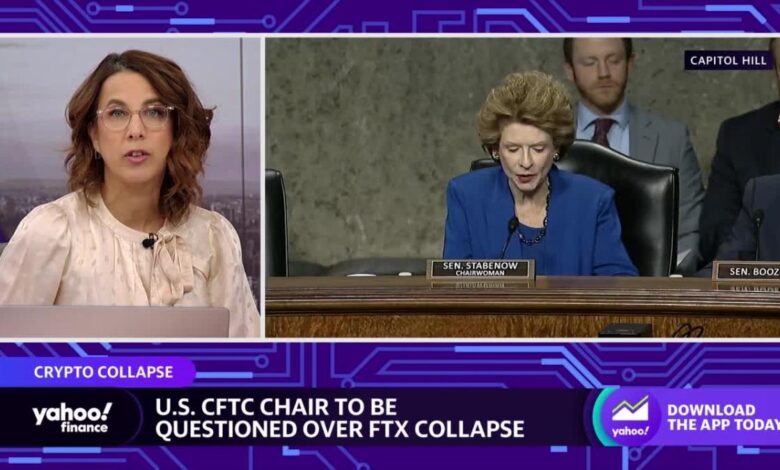
CFTC Acting Chair Ending Regulation Enforcement
CFTC acting chair ending regulation enforcement is a significant development with potential ripple effects throughout commodity markets. This move raises crucial questions about the future of market integrity, consumer protection, and the overall regulatory landscape. Understanding the background of the acting chair, the potential impacts on various market segments, and the motivations behind this decision is paramount for stakeholders.
This article delves into the historical context of CFTC leadership, examining previous enforcement actions and regulatory environments. It will analyze the potential consequences of altered enforcement strategies, exploring concerns about market integrity and consumer protection. We’ll also examine possible motivations behind this decision, considering perspectives from industry groups and advocacy organizations.
Background on CFTC Acting Chair
The Commodity Futures Trading Commission (CFTC) has seen a number of acting chairs in recent years, each with their own regulatory and enforcement priorities. Understanding the evolution of these leadership changes and the resulting regulatory environment is crucial for assessing the agency’s current direction and impact on the commodity markets. This overview explores the recent history of acting chairs, highlighting key regulatory actions and the prevailing market context.
Recent Acting Chairs and Their Tenure
The CFTC has experienced a series of acting chairs, each inheriting a complex regulatory landscape. These temporary leadership positions often reflect transitions or vacancies, leading to a focus on managing existing responsibilities rather than initiating sweeping policy changes. The tenure of acting chairs is usually defined by the timeframe during which they held the position, and their influence is often evaluated by the actions taken during their period of leadership.
Regulatory Actions and Enforcement Activities
The CFTC’s enforcement efforts under acting chairs often focus on existing regulations and ongoing investigations. This includes investigations into market manipulation, fraud, and compliance issues. The specifics of enforcement actions vary depending on the particular acting chair’s focus and the prevalent market conditions. These actions often target entities or individuals suspected of violating existing regulations.
Regulatory Environment During Acting Chair Tenures
The commodity market landscape during these periods has been characterized by various factors. Economic conditions, including interest rates and commodity prices, play a significant role in the regulatory environment. Technological advancements also shape the market, requiring regulatory adaptation to address emerging issues. Market volatility and global events can further influence the regulatory response and enforcement activities. For example, during periods of high market volatility, the CFTC might focus on maintaining market integrity and preventing undue speculation.
Policy Shifts and Enforcement Strategy Changes
Significant policy shifts during acting chair tenures are less common. However, certain enforcement strategies might be emphasized or de-emphasized depending on the chair’s priorities. Changes in enforcement priorities could reflect shifts in market conditions or a response to emerging risks. This might include adjustments to the focus of investigations, the types of violations targeted, or the resources allocated to specific enforcement actions.
For instance, an increase in cyber security risks could lead to a shift in enforcement towards protecting digital commodity markets. These shifts, while often incremental, are significant because they shape the regulatory environment and set the tone for future actions.
Impact of Ending Regulation Enforcement
The potential ramifications of altering the CFTC’s regulatory enforcement structure are significant and multifaceted. A shift in enforcement strategies could dramatically alter the landscape of the commodity futures market, impacting market participants, consumer protection, and market integrity in unforeseen ways. Analyzing these potential effects is crucial for understanding the long-term implications and mitigating any negative consequences.This analysis delves into the potential consequences for market participants, the areas of concern for market integrity and consumer protection, and contrasting scenarios for market behavior following changes in enforcement.
A comprehensive framework for evaluating the potential effects on different market segments is also presented.
Potential Consequences for Market Participants
Changes in regulatory enforcement can significantly impact market participants’ behavior and risk profiles. A less rigorous enforcement approach could incentivize riskier trading strategies and potentially lead to increased market volatility. Conversely, a more lenient approach might diminish the deterrent effect against illegal activities, increasing the likelihood of fraud and manipulation.
- Increased Market Volatility: Reduced enforcement could embolden market manipulation, potentially triggering unexpected price swings and significant losses for investors. Historical examples of regulatory lapses in commodity markets demonstrate the devastating impact on market stability and participant confidence.
- Diminished Confidence: A perceived lack of enforcement could erode investor confidence in the market’s integrity, leading to reduced participation and capital flight. This decline in confidence has a cascading effect, potentially leading to reduced liquidity and increased trading costs for all participants.
- Increased Fraudulent Activities: A less robust enforcement regime might encourage fraudulent activities such as market manipulation, false reporting, and unregistered trading, all of which have detrimental consequences for market participants and consumer protection.
Areas of Concern for Market Integrity and Consumer Protection
The potential impact on market integrity and consumer protection is a critical concern. Reduced enforcement could undermine the trust and confidence essential for a healthy and functioning market. This lack of oversight could also lead to exploitation of vulnerable market participants.
- Erosion of Trust: A diminished regulatory presence can erode public trust in the fairness and transparency of the market. This erosion of trust is a significant risk, as it can lead to reduced market participation, decreased liquidity, and a general decline in the market’s overall health.
- Increased Consumer Vulnerability: Without robust enforcement, vulnerable market participants, particularly those unfamiliar with the intricacies of the commodity markets, are more likely to become victims of fraud and manipulation. This exposes them to significant financial risks.
- Weakening of Market Transparency: Less oversight can lead to a decline in market transparency, potentially allowing for undisclosed trading practices and the concealment of illegal activities. This reduced transparency significantly hinders effective market monitoring and detection of irregularities.
Comparison of Scenarios for Market Behavior
Different scenarios of enforcement changes will yield varying market responses. A strong enforcement regime will likely maintain market stability and participant confidence, whereas a weakened regime could lead to increased volatility and reduced market integrity.
- Scenario 1: Robust Enforcement – Maintaining the current enforcement structure will likely deter illicit activities and maintain market stability. Historical data from periods of strong regulatory oversight in commodity markets demonstrate the positive impact on market integrity and consumer protection.
- Scenario 2: Reduced Enforcement – A shift towards reduced enforcement could result in increased market volatility and greater risk for market participants. Potential examples of this include increased instances of market manipulation and fraudulent activities.
Framework for Evaluating Potential Effects on Market Segments, Cftc acting chair ending regulation enforcement
A comprehensive framework is necessary to assess the impact on different market segments. This framework should consider factors like market size, participant type, and the nature of the commodity.
| Market Segment | Potential Impacts | Mitigation Strategies |
|---|---|---|
| Retail Investors | Increased vulnerability to fraud and manipulation | Enhanced educational resources and investor protection programs |
| Institutional Investors | Reduced confidence and increased risk assessment | Increased due diligence and robust risk management procedures |
| Market Makers | Increased volatility and potential for losses | Hedging strategies and enhanced market surveillance |
Potential Reasons for Ending Regulation Enforcement: Cftc Acting Chair Ending Regulation Enforcement
The recent decision by the CFTC Acting Chair to alter or potentially end certain regulatory enforcement efforts has sparked considerable debate. This shift raises crucial questions about the future of market oversight and the potential implications for various stakeholders. Understanding the motivations behind this decision is vital to assessing the long-term impact on the commodities markets.The rationale behind this change likely involves a complex interplay of factors, ranging from budgetary constraints to perceived inefficiencies in the current enforcement framework.
Different stakeholders, from industry players to advocacy groups, have varying perspectives on the justification and potential consequences of these adjustments.
Potential Motivations for the Change
The CFTC Acting Chair’s motivations for altering or ending regulation enforcement are multifaceted and not easily summarized. Several possible factors could be at play. Budgetary constraints, a perceived lack of effectiveness in current enforcement strategies, or a shift in the perceived risk level of certain activities within the commodities markets could all contribute to this decision. Furthermore, political pressures or a desire to foster a more business-friendly environment may also play a role.
Stakeholder Perspectives on the Change
Stakeholder perspectives on the proposed change vary significantly. Industry groups, often seeking reduced regulatory burdens, may view the change as beneficial. They might argue that existing regulations are overly complex or costly, hindering innovation and market growth. Conversely, advocacy organizations dedicated to consumer protection or market integrity may strongly oppose the changes, highlighting potential risks to market stability and consumer welfare.
These organizations often emphasize the importance of robust oversight to prevent fraud and manipulation.
Factors Influencing the Decision-Making Process
Several factors likely influenced the decision-making process surrounding the changes in regulatory enforcement. These include:
- Budgetary constraints:
- Perceived inefficiencies:
- Shift in perceived risk:
- Political pressures:
- Public opinion and media scrutiny:
The current economic climate and potential for reduced government funding might necessitate a re-evaluation of priorities. This could lead to a reduction in regulatory resources and staff.
The CFTC acting chair’s decision to end certain regulatory enforcement actions is certainly intriguing. It might seem disconnected from, say, Elon Musk’s X (formerly Twitter) potentially eyeing a capital raise at a $44 billion valuation, as reported here. However, the ripple effects of such actions on market stability and investor confidence are definitely worth considering in the context of the CFTC’s recent moves.
Ultimately, the impact of the chair’s decisions on the overall regulatory landscape remains to be seen.
The CFTC might have concluded that certain enforcement strategies are ineffective or inefficient in addressing current market challenges. This might involve a review of prior enforcement actions and a determination of the effectiveness of specific regulations.
Changes in market dynamics or the emergence of new trading methods could alter the risk profile of certain activities. This shift might necessitate a re-evaluation of the enforcement priorities. The emergence of cryptocurrencies and decentralized finance, for example, could alter the perceived risk level in the commodities markets.
Political considerations and lobbying efforts from industry groups could influence the decision.
Public perception and media coverage of specific regulatory actions could also contribute to the decision-making process.
Potential Conflicts of Interest or Biases
Potential conflicts of interest or biases could influence the decision to alter or end regulation enforcement. For instance, close ties or prior employment relationships between the Acting Chair and industry representatives might raise concerns about objectivity. Furthermore, a perceived bias towards industry interests could lead to changes in enforcement that favor corporations over consumers.
Alternative Approaches to Enforcement
The recent discussion surrounding the CFTC’s enforcement actions highlights the need for a nuanced approach to regulating commodity markets. Simply ending enforcement efforts risks creating a regulatory vacuum, potentially leading to increased market volatility and illicit activity. Alternative approaches must balance robust oversight with practical considerations. This section explores various strategies for enforcing commodity market regulations.
Alternative Enforcement Methods
A variety of strategies can supplement or replace traditional enforcement methods, each with its own strengths and weaknesses. These alternatives aim to deter illicit behavior while fostering market integrity. The effectiveness of these methods often depends on the specific market conditions and the nature of the violations.
The CFTC acting chair’s move to end certain regulatory enforcement actions is definitely raising eyebrows. It’s a pretty significant shift, and the impact on the market remains to be seen. Meanwhile, exciting developments are happening in the crypto space, with the Hivellos HVLO token now live on the Raydium DEX, opening up new possibilities for investors. This news, coupled with the CFTC’s regulatory changes, is making for an interesting dynamic in the financial landscape.
Hivellos HVLO token live on Raydium DEX Ultimately, the long-term implications of the CFTC’s actions are still a bit hazy, but it’s certainly a topic worth keeping an eye on.
Increased Surveillance
Enhanced surveillance technologies and data analysis can help identify potential violations earlier. Real-time monitoring of market activity can detect unusual patterns and suspicious trading activities. This proactive approach can help prevent fraudulent schemes and manipulation attempts before significant harm occurs. However, increased surveillance requires substantial investment in technology and personnel, potentially placing a strain on regulatory resources.
Moreover, concerns about data privacy and the potential for over-surveillance must be addressed.
Focus on Prevention
A strong preventative approach involves educating market participants about regulatory requirements and best practices. Training programs, clear guidelines, and educational materials can empower market participants to identify and avoid potential violations. This proactive strategy can reduce the likelihood of violations and minimize the need for costly enforcement actions. However, it requires consistent communication and engagement with market participants, potentially demanding significant resources and effort.
Industry Self-Regulation
Self-regulatory organizations (SROs) within the commodity markets can play a crucial role in fostering compliance. These organizations can develop and enforce their own standards, potentially complementing or even replacing some aspects of government oversight. This approach can be more responsive to the specific needs and nuances of the market. However, concerns about conflicts of interest and the lack of independent oversight need careful consideration.
The effectiveness of self-regulation often hinges on the credibility and integrity of the SRO and the willingness of market participants to adhere to its rules.
International Regulatory Frameworks
Examining international regulatory frameworks provides valuable insights into alternative approaches. For instance, the European Union’s regulatory structure for agricultural commodities often emphasizes a combination of government oversight and industry self-regulation. Similarly, the regulatory landscape in Asian markets often features a more integrated approach combining surveillance and preventative measures. Comparing these frameworks can offer valuable lessons in balancing different enforcement strategies.
Comparison of Enforcement Strategies
| Enforcement Strategy | Strengths | Weaknesses | Potential Impacts |
|---|---|---|---|
| Increased Surveillance | Early detection of potential violations, proactive identification of fraudulent schemes, potentially reducing market manipulation. | Significant investment in technology and personnel, potential for over-surveillance, concerns about data privacy. | Reduced illicit activities, increased market transparency, potentially higher market confidence. |
| Focus on Prevention | Reduced likelihood of violations, minimized need for costly enforcement actions, fostering market integrity through education and awareness. | Requires sustained communication and engagement with market participants, potentially demanding significant resources and effort. | Enhanced market confidence, decreased market volatility, potentially reducing financial losses. |
| Industry Self-Regulation | More responsive to market nuances, potentially more efficient and cost-effective, fostering a sense of ownership and accountability. | Potential for conflicts of interest, lack of independent oversight, potential for inconsistent enforcement across different markets. | Increased market efficiency, potential reduction in regulatory burdens on government agencies, potentially improved market confidence. |
Illustrative Cases of Enforcement

The CFTC’s enforcement arm plays a critical role in maintaining market integrity and investor confidence. By investigating and prosecuting violations of commodity and financial futures laws, the agency strives to deter unlawful activity and hold accountable those who engage in fraudulent or manipulative practices. Understanding how these enforcement actions impact market participants is crucial to evaluating the agency’s effectiveness and the overall health of the financial markets.Enforcement actions by the CFTC can have a profound effect on market participants, ranging from minor fines for technical violations to significant penalties and injunctions for serious offenses.
These actions can impact market confidence, alter trading strategies, and ultimately shape market behavior in the long run. Analyzing successful and unsuccessful cases provides valuable insights into the effectiveness of enforcement strategies and the challenges faced by regulators.
The CFTC acting chair’s decision to scale back regulation enforcement is definitely raising some eyebrows. It’s interesting to consider this alongside recent developments in Turkey’s crypto scene, like the bankpozitif project and its crypto development efforts with Taurus turkey bankpozitif crypto development taurus. Could this be a shift in the global approach to crypto regulation, potentially influenced by emerging markets like Turkey?
The CFTC’s actions certainly warrant further observation.
Successful Enforcement Actions
These cases often serve as a deterrent to future misconduct, demonstrating the consequences of violating CFTC regulations. They underscore the agency’s commitment to protecting market integrity and safeguarding investors.
- A significant example of a successful enforcement action involved a firm found to have engaged in manipulative trading practices. The CFTC imposed substantial penalties and mandated remedial measures to restore market integrity. This action not only held the firm accountable but also sent a clear message to other market participants about the potential repercussions of such behavior.
The result was a noticeable decrease in similar manipulative trading activities in the subsequent period.
- Another successful case focused on a sophisticated scheme involving the fraudulent misappropriation of customer funds. The CFTC’s investigation uncovered the fraudulent activity and led to the recovery of substantial amounts for defrauded investors. The subsequent criminal charges and hefty fines levied against the perpetrators demonstrated the CFTC’s commitment to prosecuting individuals who defraud investors in commodity and financial markets.
Unsuccessful Enforcement Actions
While the CFTC has a strong track record of successful enforcement, there are instances where actions have not yielded the desired outcomes. These cases highlight areas where the agency might need to refine its strategies or enhance its procedures.
- In certain instances, the complexity of the underlying financial instruments or the difficulty in gathering sufficient evidence to prove a violation may lead to an unsuccessful enforcement action. Such challenges underscore the need for the agency to continuously adapt to evolving market practices and develop effective investigative techniques to address emerging complexities.
- Sometimes, appeals by defendants or legal challenges to the CFTC’s findings may lead to the dismissal or modification of the initial enforcement action. These outcomes often involve intricate legal arguments and demonstrate the complexities inherent in the regulatory process.
Consequences for Individuals and Companies
The consequences of CFTC enforcement actions can vary widely depending on the severity of the violation. They can range from monetary penalties to injunctions prohibiting future participation in the commodity markets.
- Individuals or companies found to have violated CFTC regulations may face significant monetary penalties, potentially impacting their financial well-being and future business opportunities. The penalties can include substantial fines, ranging from hundreds of thousands to millions of dollars, depending on the nature and extent of the violation.
- Injunctions prohibiting future participation in the commodity markets can have severe repercussions, especially for firms heavily reliant on trading activities. These actions can significantly limit their operational flexibility and market access.
Impact on Market Behavior and Investor Confidence
CFTC enforcement actions play a vital role in shaping market behavior and fostering investor confidence. By holding violators accountable, the agency discourages unlawful activities and reinforces the importance of adhering to regulatory standards.
- Successful enforcement actions generally lead to a decrease in similar unlawful activities in the future. The threat of penalties and sanctions acts as a powerful deterrent for potential violators, ultimately improving market integrity.
- Investors are more likely to trust the market when they see the CFTC actively enforcing regulations and holding accountable those who engage in fraudulent or manipulative practices. This heightened confidence can contribute to greater market liquidity and participation.
Future Outlook and Implications
The cessation of regulatory enforcement by the CFTC Acting Chair presents a complex and uncertain future for commodity markets. The potential impact on market integrity, participant behavior, and overall risk management strategies necessitates careful consideration of the potential challenges and opportunities that lie ahead. The removal of a key regulatory oversight body could have cascading effects across various market segments.The absence of robust enforcement mechanisms could embolden unscrupulous actors and incentivize risky trading practices.
This, in turn, could lead to increased volatility, potentially impacting market stability and investor confidence. Conversely, the lack of enforcement could also lead to a period of reduced regulatory burden, potentially fostering innovation and market efficiency.
Potential Challenges for Commodity Markets
The lack of regulatory oversight could create an environment ripe for manipulation and fraud. Historical examples of market manipulation, such as the 2008 energy market price spikes, demonstrate the devastating consequences of unregulated markets. The absence of enforcement could encourage the resurgence of such activities, leading to significant financial losses for market participants. Reduced transparency and accountability are further concerns.
Opportunities for Commodity Markets
The potential for innovation and efficiency gains exists, albeit with inherent risks. Reduced regulatory hurdles could spur the development of new trading strategies and technologies. However, this is contingent on the responsible adoption of these innovations by market participants.
Role of Market Participants in Maintaining Market Integrity
Market participants bear a crucial responsibility in upholding market integrity. Self-regulation, through robust internal controls and ethical conduct, is vital to mitigating the potential risks associated with reduced external oversight. Developing and implementing comprehensive compliance programs will be essential for maintaining market trust and stability.
Predicted Shifts in Market Trends
The absence of active enforcement could lead to a shift towards more opaque and less transparent trading practices. Market participants may increasingly rely on private arbitration and alternative dispute resolution mechanisms, potentially creating a less equitable playing field. This could lead to a significant increase in the occurrence of regulatory arbitrage.
Possible Adjustments in Risk Management Strategies
Market participants must proactively adapt their risk management strategies to the evolving enforcement landscape. This necessitates a heightened focus on identifying and mitigating potential risks associated with the absence of regulatory oversight. Market participants will need to incorporate more sophisticated fraud detection mechanisms and invest in robust compliance systems. Enhanced due diligence procedures and rigorous KYC/AML processes will also become paramount.
This could include the establishment of independent oversight committees to monitor market behavior.
Closing Notes
The CFTC acting chair’s decision to end regulation enforcement presents a complex and multifaceted challenge for commodity markets. Alternative approaches to enforcement, such as increased surveillance, a focus on prevention, or industry self-regulation, are explored, along with their potential strengths and weaknesses. Illustrative cases of past enforcement actions will be examined to understand their impact on market participants and investor confidence.
Finally, the future outlook and potential adjustments in risk management strategies will be considered in light of these changes.