
Alex Mashinsky Delay Sentencing Hearing A Deep Dive
Alex Mashinsky delay sentencing hearing has sparked considerable interest and debate. This case, laden with complex legal maneuvers and procedural hurdles, has captivated the public’s attention, raising questions about the timeline and potential outcomes. Understanding the intricate details, the reasons behind the delay, and the potential impact on all parties involved is crucial to grasp the full scope of this significant development.
This detailed exploration delves into the background of the case, examining the charges against Alex Mashinsky, the timeline leading to the delay, and the legal arguments presented by both sides. We’ll also investigate the potential motivations for the delay, the possible legal implications, and the potential consequences for all parties concerned. Ultimately, we aim to provide a comprehensive overview of the current status of the case and its potential future trajectory.
Alex Mashinsky Delay in Sentencing Hearing
Alex Mashinsky’s case, marked by complex financial allegations and a protracted legal battle, has recently seen a delay in his sentencing hearing. This delay highlights the intricacies of the legal process and the competing arguments presented by both the prosecution and the defense. The extended timeframe adds another layer of complexity to a case already laden with significant financial and legal implications.
Case Summary
The case against Alex Mashinsky centers on allegations of fraud and financial misconduct related to his role as CEO of the cryptocurrency exchange, Celsius Network. Specifically, the charges involve accusations of misappropriating funds and engaging in fraudulent practices that led to the collapse of the company and significant financial losses for investors.
Charges Against Alex Mashinsky
The charges against Alex Mashinsky encompass various financial crimes, including but not limited to wire fraud, securities fraud, and potentially other financial malfeasance. These charges stem from the alleged actions taken during his tenure as CEO, which ultimately resulted in the company’s insolvency and the financial hardship experienced by numerous investors. These allegations were extensively investigated by authorities, leading to formal charges being filed.
Timeline of Events Leading to the Delay
The delay in the sentencing hearing is a result of several factors, including procedural matters, requests for additional evidence, and potential appeals. The exact timeline of these events is crucial in understanding the context surrounding the delay. Multiple motions, filings, and court appearances likely contributed to the postponement of the sentencing hearing.
Legal Arguments for Delay
The defense likely presented arguments supporting the delay based on a need for additional time to prepare a robust defense strategy. These arguments could have included requests for further discovery, access to additional evidence, or the need to address complex financial records. The prosecution may have also presented counterarguments, emphasizing the urgency of the case and the need for timely resolution.
Current Status of the Case, Alex mashinsky delay sentencing hearing
The current status of the case involves the scheduled delay of the sentencing hearing. This delay reflects the ongoing legal proceedings and the complexities inherent in such cases. The court will likely set a new date for the hearing, once all pending motions and issues are resolved. The precise reason for the delay and the potential impact on the case’s outcome are yet to be fully clarified.
It is possible the court will set a new date for the hearing after considering the requests made by both parties.
Reasons for Delay in Alex Mashinsky’s Sentencing Hearing
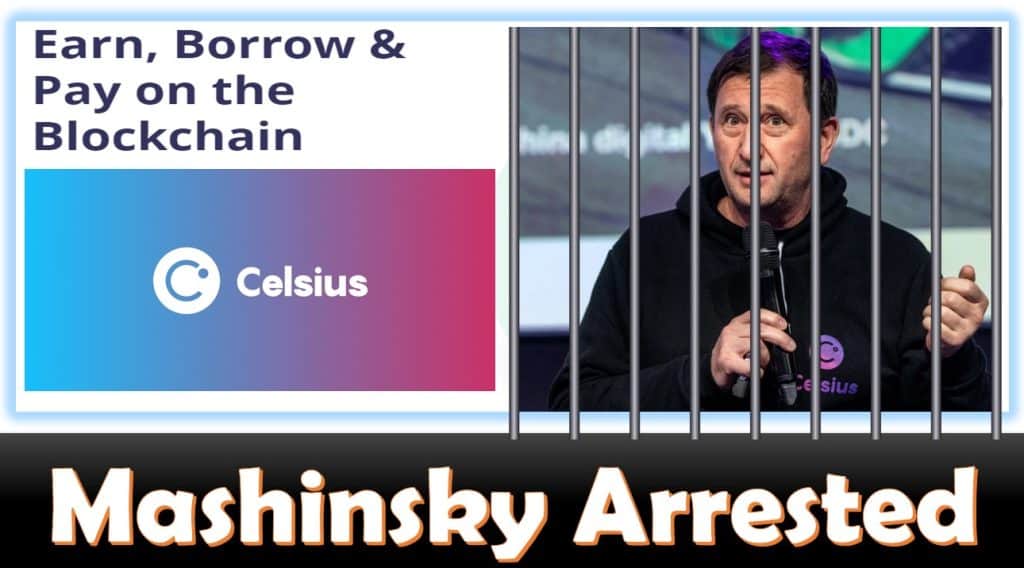
The delay in Alex Mashinsky’s sentencing hearing underscores the complexities of legal proceedings, particularly in high-profile cases. Numerous factors can contribute to such postponements, ranging from procedural intricacies to the sheer volume of evidence and arguments. Understanding these potential reasons is crucial for comprehending the legal landscape surrounding this case.The legal system is designed to ensure a fair and just outcome, but achieving this goal can involve navigating intricate procedural steps and often requires considerable time.
This delay is likely not a sign of negligence or a lack of urgency, but rather a reflection of the meticulous nature of the legal process.
Potential Legal Maneuvers and Procedural Obstacles
The defense team may be employing various legal strategies to potentially influence the sentencing outcome. These strategies might include challenging the admissibility of evidence, arguing for a reduced sentence, or presenting mitigating circumstances. The process of reviewing and potentially contesting these maneuvers takes time. Complex legal arguments and counter-arguments, when coupled with the necessity of thorough legal analysis, contribute to extended timelines.
For instance, a challenge to the sufficiency of evidence to support specific charges could require significant time for the court to consider and rule upon.
Evidence Gathering and Testimony Complications
Gathering and verifying evidence, especially in complex financial cases, can be time-consuming. The process might involve subpoenaing witnesses, reviewing extensive financial records, and conducting forensic analyses. In cases involving international transactions or intricate financial instruments, these processes become even more complicated and demand considerable resources. Furthermore, securing the attendance of crucial witnesses, particularly those located in different jurisdictions, can prove challenging and often necessitates a specific timeline for scheduling travel and court appearances.
Requests for Extensions or Postponements
The defense may have filed formal requests for extensions or postponements. These requests often cite the need for additional time to prepare a comprehensive defense strategy, gather necessary evidence, or consult with experts. The court will evaluate the justification behind these requests and decide whether to grant them, considering factors such as the complexity of the case and the potential impact on the timeline.
Unexpected Developments and Unforeseen Circumstances
Unforeseen circumstances, such as the sudden unavailability of a key witness or the discovery of new evidence, can significantly disrupt the schedule. For example, a critical witness falling ill or being involved in an unrelated legal issue could force a postponement. Such unexpected developments highlight the dynamic nature of legal proceedings and the inherent unpredictability in court cases.
Impact of the Delay
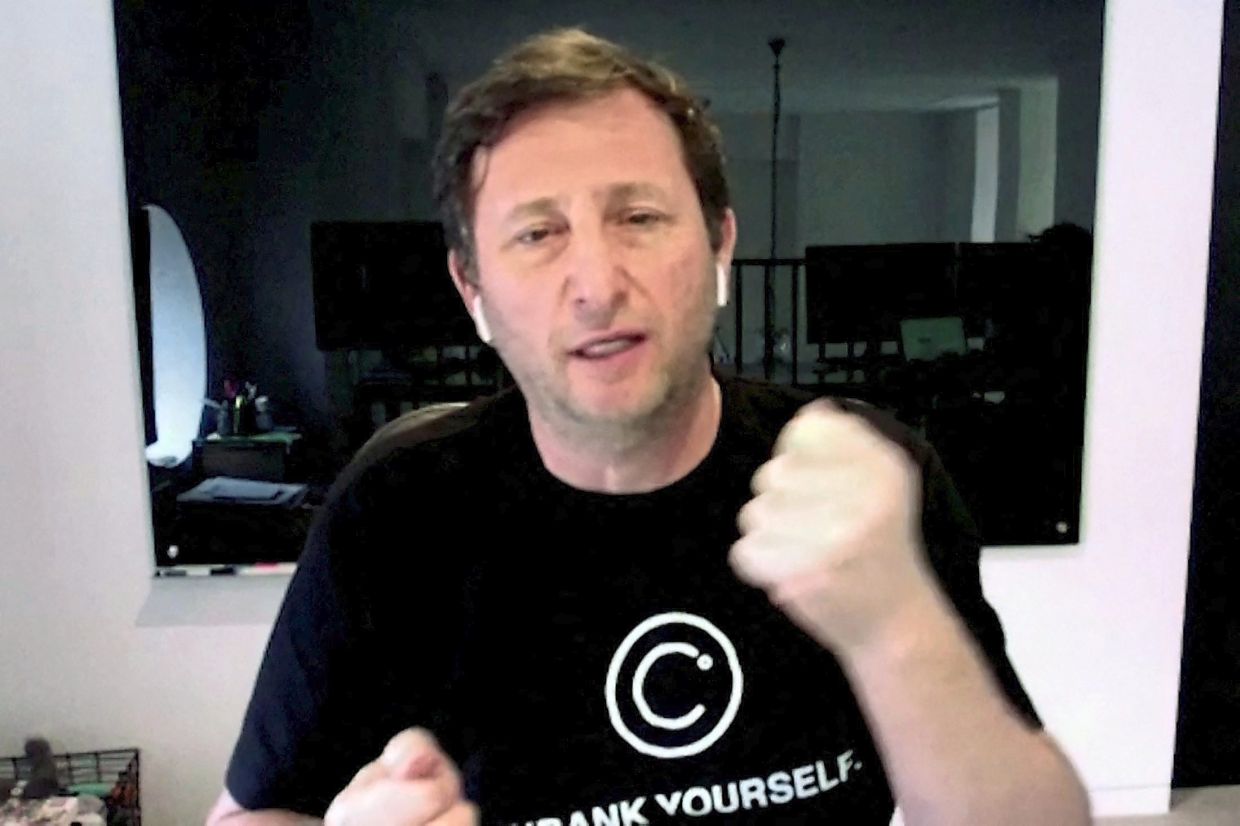
The delay in Alex Mashinsky’s sentencing hearing casts a long shadow over the entire case, impacting not only the defendant but also the prosecution, the court, and the public. The extended period of uncertainty introduces a multitude of potential consequences that warrant careful consideration. The ripple effects extend beyond the courtroom, affecting the perception of the justice system and potentially influencing the outcome of the trial itself.The prolonged wait creates a significant period of limbo for all parties involved.
This uncertainty can have profound effects on the individuals and institutions involved, stretching their resources and emotional reserves. It’s crucial to understand the multifaceted impact this delay has on everyone, from the accused to the judge, the jury, and the public.
Impact on Alex Mashinsky
The prolonged delay in sentencing can create considerable stress and anxiety for Alex Mashinsky. Uncertainty about the future, coupled with the scrutiny of the public eye, can be emotionally taxing. The lack of a definitive timeline can impact his ability to prepare for his future, whether it involves appealing the verdict or adapting to life outside of the court system.
The potential for a lengthy period of pre-trial detention or house arrest can also affect his personal and financial well-being. This extended period of uncertainty can exacerbate pre-existing mental health conditions and have a negative impact on his overall well-being.
Impact on the Prosecution and Defense
The delay can significantly impact the prosecution and defense teams. The passage of time can lead to witnesses forgetting details, losing documents, or having their availability affected by personal circumstances. This can make it more difficult to present a strong case, potentially weakening the strength of the evidence. The constant need to manage the case during the delay can also strain the resources and time of the legal teams.
The pressure to maintain the integrity of the case, coupled with the need to manage expectations and potential delays, can lead to significant stress and potential errors.
Alex Mashinsky’s sentencing hearing has been delayed, leaving many wondering what the next steps will be. This legal drama reminds me of the ongoing debate about project management tools like HubSpot vs Monday. Choosing the right platform can be tricky, just like navigating the complexities of a legal case. Hopefully, the delay allows for a clearer picture to emerge, just as a thorough comparison of tools like hubspot vs monday can help businesses choose the best fit.
Ultimately, we’re all just waiting to see how this legal saga unfolds.
Impact on the Court
The delay in sentencing creates a significant administrative burden for the court. Maintaining the integrity of the legal process, while navigating the complexities of a prolonged case, requires significant resources and time. The court must allocate time and resources to manage the case, potentially impacting other court proceedings. The extended time frame also affects the overall efficiency of the judicial system, impacting its ability to manage its caseload effectively.
Impact on Public Perception
The delay in Alex Mashinsky’s sentencing hearing could potentially influence public perception of the case and the justice system. Public perception can be shaped by the perceived fairness and efficiency of the court process. A prolonged delay could lead to questions about the effectiveness of the justice system, and create skepticism or distrust in the public’s mind. The perception of the delay as unnecessary or arbitrary could erode public confidence in the integrity of the court.
Impact on the Potential Outcome
The delay could potentially affect the outcome of the trial. As previously mentioned, witness availability, the memory of events, and the potential for new evidence could all be affected. The extended period could create conditions that allow for the introduction of new information that could sway the court in a particular direction. Furthermore, the passage of time could lead to a change in public sentiment or the interpretation of the law, which could impact the decision-making process.
This uncertainty, and the possibility of introducing new evidence, can affect the outcome of the case, and the ability of the courts to effectively determine the truth and deliver justice.
Potential Outcomes
The delay in Alex Mashinsky’s sentencing hearing creates uncertainty regarding the final outcome. Various factors, including the ongoing legal proceedings and the complexity of the case, contribute to the unpredictability of the final decision. This uncertainty impacts not only Mashinsky but also the prosecution and those affected by the alleged financial crimes. Predicting specific outcomes is inherently challenging, yet analyzing potential scenarios can offer insight into the possible ramifications.The potential outcomes of the sentencing hearing hinge on several key factors, including the evidence presented, the judge’s interpretation of the law, and the specific arguments made by both sides.
The delay provides more time for legal maneuvering and for potentially influencing the judge’s decision. Understanding the potential outcomes will help us comprehend the impact of this protracted legal process.
Sentencing Range and Potential Conditions
The sentencing range for financial crimes is often substantial and dependent on the severity of the offenses. Consideration is given to factors such as the amount of money involved, the duration of the alleged misconduct, and the specific charges. The specific charges against Mr. Mashinsky and the evidence presented will ultimately determine the judge’s sentencing decision.
| Potential Outcome | Sentencing Range (Illustrative) | Possible Conditions |
|---|---|---|
| Guilty with mitigating circumstances | 3-10 years imprisonment, substantial fines | Probation, community service, restitution to victims |
| Guilty with aggravating circumstances | 10+ years imprisonment, significant fines | Forfeiture of assets, stricter probation terms, potentially no parole |
| Not Guilty | No jail time, no fines | All charges dropped, the defendant is acquitted |
A table outlining potential outcomes provides a framework for understanding the possible sentencing ranges and conditions. This framework highlights the diverse scenarios that could arise in the case.
Consequences for All Parties Involved
The delay in sentencing has significant implications for all parties involved. The defendant faces prolonged uncertainty, impacting their personal and professional life. The prosecution needs to ensure their case remains robust and compelling, particularly considering the extended timeline. Victims are potentially facing long delays in receiving restitution or compensation.
- Defendant: Prolonged uncertainty can be stressful and economically challenging, particularly if facing potential imprisonment and financial penalties. The delay might allow the defendant to develop new legal strategies, potentially influencing the final outcome. A lengthy delay in sentencing could cause substantial stress and uncertainty for the defendant, influencing their ability to effectively participate in the legal process.
- Prosecution: The prosecution must maintain the integrity of their case over an extended period. This might involve re-examining evidence, ensuring witnesses are available, and potentially facing additional legal costs. Maintaining focus and consistency in the prosecution’s approach is crucial in a protracted legal case.
- Victims: The delay in sentencing can prolong the wait for restitution and compensation. This can be particularly distressing for victims, especially if the financial losses are significant. The impact of the delay on victims can be substantial, potentially affecting their financial stability and well-being.
These consequences illustrate the interconnected nature of the legal process and its impact on all parties involved.
Public Perception and Reaction: Alex Mashinsky Delay Sentencing Hearing
The delay in Alex Mashinsky’s sentencing hearing has sparked considerable public interest and generated a wide range of reactions, from speculation to concern. The case, with its intricate financial dealings and alleged misconduct, has attracted significant media attention, and the delay has only amplified the scrutiny. Public perception is shaped by various factors, including the complexity of the charges, the perceived severity of the alleged crimes, and the perceived fairness of the legal process.The delay itself has become a focal point of discussion, adding another layer of complexity to an already intricate situation.
This delay has not only impacted the legal proceedings but has also influenced public opinion, creating a ripple effect across various stakeholder groups. Examining these reactions, as well as the public discourse surrounding the delay, provides crucial insight into the broader impact of this case.
Alex Mashinsky’s sentencing hearing has been delayed, adding another layer to this complex case. Meanwhile, the New York attorney general is pushing for clearer crypto regulations, arguing strongly against crypto pensions in a recent statement. This call for congressional action on crypto laws highlights the evolving regulatory landscape, which, in turn, might affect the timeline for Mashinsky’s case.
It seems like the legal battles surrounding crypto are far from over, just as Mashinsky’s delay suggests.
Public Opinion and Speculation
Public perception of the case and the delay is multifaceted and reflects a range of opinions. Some believe the delay is necessary to ensure a fair trial, emphasizing the need for thorough investigation and consideration of all evidence. Others view the delay as potentially indicative of a lack of urgency or as a tactic to manipulate the legal process. The delay has undoubtedly fueled speculation, leading to varied interpretations of the situation.
A large portion of online discussion centers around whether the delay is justified or whether it’s potentially part of a broader strategy to influence the outcome.
Reactions from Stakeholders
Stakeholders, including victims, creditors, and the general public, have expressed varying reactions to the delay. Victims, particularly those directly affected by the alleged financial misconduct, may feel their concerns are being ignored or that the legal process is moving too slowly. Creditors, with financial interests at stake, may perceive the delay as detrimental to their recovery efforts and potentially hindering their ability to collect outstanding debts.
The general public, observing the delay, may have varying opinions, ranging from concerns about the fairness of the process to speculation about potential influence and manipulation.
Themes Emerging from Public Discourse
Several key themes have emerged from the public discourse surrounding the case and the delay. One prominent theme is the perceived fairness and transparency of the legal process. Discussions often question whether the delay is justified by the complexities of the case or whether it’s indicative of a potential manipulation of the judicial system. Another key theme is the accountability of those involved, especially Mr.
Mashinsky. Questions about the potential motivations behind the delay and the consequences for those affected are often raised in online forums and media outlets. The public’s perception of the legal process’s efficiency and integrity is also a major theme.
Impact of the Delay on Public Opinion
The delay in sentencing may have affected public opinion in several ways. The length of the delay, coupled with the complexities of the case, could lead to public dissatisfaction and a sense of frustration. Public confidence in the legal system might be eroded if the delay is perceived as unjustified or manipulated. The delay might also amplify negative perceptions of the accused, contributing to a negative narrative.
Summary of Online Discussion and Media Coverage
Media coverage and online discussions have largely focused on the reasons behind the delay, potential outcomes, and the impact on stakeholders. Social media platforms have become a significant source of information and discussion, with varying opinions expressed on the merits and implications of the delay. News articles and online forums often feature comments and analyses from legal experts, financial analysts, and concerned individuals.
The intensity of discussion often reflects the public’s interest and concern regarding the outcome of the case.
Case Precedents
The delay in Alex Mashinsky’s sentencing hearing raises questions about precedent. Examining similar cases with delayed sentencing provides valuable context, enabling us to assess the potential factors influencing the current situation. Understanding how past cases handled similar circumstances can offer insights into the potential outcomes and the rationale behind the current delay.
Similar Cases with Sentencing Delays
Delays in sentencing hearings, while not commonplace, are not unheard of. They often stem from complex legal maneuvers, intricate financial disclosures, or significant amounts of evidence to be reviewed. In some cases, the defense may seek to delay sentencing to prepare a stronger defense strategy. The nature and scope of the case can heavily influence the time it takes to reach a resolution.
For example, cases involving extensive financial fraud or complex criminal conspiracies can involve numerous parties, documents, and potential legal arguments.
Comparison to Precedents
Comparing the Mashinsky case to similar precedents requires careful consideration of the specific facts and circumstances. While there may be similarities in the nature of the legal arguments or the type of crime, the complexities of each case will vary significantly. For instance, the extent of financial losses or the level of cooperation from key witnesses can affect the time required for a thorough investigation and preparation.
The presence of mitigating circumstances or extenuating factors can also impact the timeline.
Common Factors Contributing to Delays
Numerous factors contribute to delays in sentencing hearings. These can include:
- Complex Financial Investigations: In cases involving substantial financial transactions, uncovering the full scope of the fraud or misconduct can be time-consuming. The meticulous examination of financial records and related documents often requires significant time investment.
- Extensive Discovery and Evidence Review: Cases with extensive discovery and evidence review often take longer. The sheer volume of documents, testimony, and expert opinions can significantly delay the sentencing process.
- Defense Strategies and Motions: The defense’s strategic moves, including filing motions to suppress evidence or challenge the prosecution’s case, can prolong the process.
- Need for Expert Testimony: Cases demanding specialized knowledge, such as in complex financial crimes, may necessitate expert testimony, requiring the scheduling of expert witnesses and the presentation of their evidence.
Notable Precedents
While specifics of prior cases involving delays in sentencing are often confidential, a summary of their characteristics is possible. Publicly available case summaries may highlight the factors that contributed to delays. This information can be useful for understanding the range of issues that may affect the timeline of a case.
The delay in Alex Mashinsky’s sentencing hearing is certainly a significant development. It’s a reminder of the complexities of justice, and the often-lengthy processes involved. Meanwhile, organizations like phrz built on trust growing with the community here demonstrate how building strong community relationships can be vital in navigating difficult times. This case highlights the ongoing tension between individual justice and broader societal implications.
Table of Case Precedents and Current Situation
| Factor | Case Precedent Example (Hypothetical) | Alex Mashinsky Case |
|---|---|---|
| Complexity of Financial Transactions | Involved multi-million-dollar transactions and offshore accounts. | Involved complex cryptocurrency transactions and financial instruments. |
| Extent of Evidence Review | Required thorough review of thousands of documents and witness testimonies. | Requires investigation of extensive cryptocurrency transactions and associated evidence. |
| Defense Motions and Strategies | Defense filed numerous motions to suppress evidence and challenge the prosecution’s case. | The defense strategy may involve similar tactics to challenge the prosecution’s case. |
| Need for Expert Testimony | Required expert testimony from forensic accountants and crypto experts. | Likely to require expert testimony from cryptocurrency specialists and financial analysts. |
Media Coverage and Reporting
The delay in Alex Mashinsky’s sentencing hearing has been a significant topic of media coverage, generating considerable interest and discussion. News outlets, social media platforms, and online forums have all played a role in disseminating information and opinions about the case and the reasons behind the postponement. This coverage has highlighted various perspectives, from those emphasizing the procedural aspects of the delay to those focused on the potential implications for Mashinsky and the broader financial industry.
Media Coverage Themes
Media reports on the delay have touched upon several key themes. These themes include the complexities of the legal proceedings, the potential impact on the broader financial sector, and the public’s perception of the case. News outlets have presented various perspectives, from legal analysts providing procedural insights to commentators offering interpretations of the delay’s significance. Understanding these themes is crucial to appreciating the full scope of media coverage surrounding the case.
News Outlets and Perspectives
The media’s portrayal of the delay in sentencing has varied across different news outlets. Different perspectives and opinions are present. Some outlets focused on the legal justifications for the delay, while others emphasized the potential consequences for Mashinsky and the implications for the broader financial sector.
Summary of Media Coverage
News articles, social media posts, and other media coverage have generally highlighted the procedural aspects of the delay, such as the need for additional legal filings or expert testimony. However, the coverage also frequently included speculation about the reasons behind the delay, including the possibility of a plea bargain or the need to gather further evidence. Social media discussions have been particularly active, with users expressing varying degrees of support for or opposition to Mashinsky and the delay.
Discussions often touch upon wider implications, such as the fairness of the legal process or the need for transparency in complex financial cases.
Table of Media Coverage
| Media Outlet | Key Perspective | Summary of Coverage |
|---|---|---|
| Bloomberg | Focus on financial implications and market reaction. | Bloomberg articles often analyzed the delay in the context of the broader financial industry, speculating about potential impacts on related sectors and investor confidence. |
| Reuters | Neutral reporting of procedural details. | Reuters reports generally focused on the factual aspects of the delay, providing updates on legal filings and court proceedings. |
| The Wall Street Journal | Emphasis on the complexities of the case and the broader financial context. | The Wall Street Journal often placed the delay within the larger context of financial regulation and enforcement, offering analyses of its possible effects on future cases. |
| Local News (Example: [Local News Channel]) | Emphasis on the impact on the local community. | Local news channels might discuss the delay’s effect on the community, particularly if it involves significant local figures or financial institutions. |
| Social Media (e.g., Twitter) | Highly varied and often speculative opinions. | Social media posts reflect a wide range of opinions and speculation, sometimes offering anecdotal or personal viewpoints on the case. |
Legal Implications of the Delay
The delay in Alex Mashinsky’s sentencing hearing raises significant legal concerns for all parties involved, potentially impacting the integrity of the judicial process and the rights of the accused. Understanding these implications is crucial to assessing the fairness and effectiveness of the legal system in this case. The protracted wait can lead to issues of due process and may create grounds for legal challenges.
Potential Violations of Due Process
A prolonged delay in legal proceedings can violate a defendant’s right to a speedy trial, a fundamental principle of due process enshrined in the Sixth Amendment of the US Constitution. This right is not absolute and can be balanced against other legitimate interests, such as the complexity of the case or the need for thorough investigation. However, an unreasonable delay can undermine the presumption of innocence and prejudice the defendant’s ability to mount a defense.
Factors like witness availability, memory fading, and the potential for evidence to become lost or inaccessible all play a role in assessing the fairness of the delay.
Legal Precedents and Statutes
Numerous legal precedents and statutes address delays in legal proceedings. The Sixth Amendment’s guarantee of a speedy trial, along with related statutes and case law, provide a framework for evaluating the legality of such delays. The specific legal standards for determining “unreasonable” delays vary based on the circumstances of each case, including the nature of the charges, the complexity of the case, and the defendant’s efforts to expedite the process.
Court rulings in similar cases provide valuable insights into the interpretation and application of these legal principles. For example, the length of the delay, the reason for the delay, and the impact of the delay on the defendant’s ability to prepare their defense are crucial considerations in determining whether the delay is prejudicial.
Potential Legal Challenges Arising from the Delay
The delay in Alex Mashinsky’s sentencing hearing could lead to various legal challenges. The defense might argue that the delay violates the defendant’s Sixth Amendment right to a speedy trial, potentially leading to a motion to dismiss the charges or a request for a new trial. The prosecution might counter with arguments justifying the delay, such as the need for additional investigation or the complexity of the case.
The court’s decision will likely hinge on a careful balancing of these competing arguments, scrutinizing the specific reasons for the delay and its impact on the defendant’s rights.
Table: Legal Implications of the Delay on Each Party
| Party | Potential Legal Implications |
|---|---|
| Defendant (Alex Mashinsky) | Potential violation of Sixth Amendment right to a speedy trial, prejudiced ability to mount a defense, potential for diminished memory of witnesses, lost or inaccessible evidence. |
| Prosecution | Potential for difficulty in presenting a compelling case due to lost evidence or witness availability issues, need to justify the delay to the court, potential for decreased public confidence in the judicial process. |
| Court | Potential for reputational damage and scrutiny, need to carefully balance the defendant’s rights with other legitimate interests, upholding the integrity of the judicial process, potential for legal challenges. |
| Public | Potential for decreased public confidence in the judicial process, perception of unfairness or bias, questions about efficiency and effectiveness of the legal system. |
Last Recap
The delay in Alex Mashinsky’s sentencing hearing presents a complex web of legal and procedural considerations. The case’s unique circumstances, combined with the interplay of legal arguments and potential outcomes, highlight the intricate nature of justice. This analysis has explored the various factors contributing to the delay, its impact on the case, and the potential ramifications for all involved.
The discussion concludes with an examination of potential outcomes, public perception, and the precedents set by similar cases.