Kanye West Ye Rejects Crypto Scam Promotion
Kanye West Ye rejects crypto scam promotion, signaling a potentially significant shift in public perception towards the volatile market. His stance, a stark contrast to some celebrity endorsements, raises questions about the credibility of crypto projects and the risks associated with associating with public figures. This analysis delves into the details of the rejection, examining the potential motivations behind West’s decision and the implications for both the crypto market and his fanbase.
West’s public persona often intertwines personal expression with financial ventures. His previous endorsements and partnerships, particularly in financial products, are a crucial background to understanding this rejection. This includes evaluating how his public statements and actions have shaped his image as an investor. Understanding the characteristics of typical crypto scams is also key, including the common tactics used, and different types of scams.
Ultimately, the potential impact of this rejection on the crypto market and public perception is scrutinized. We look at possible interpretations, from publicity stunts to potential ulterior motives, and examine how the timing of this decision might play a part.
Kanye West’s Stance on Crypto
Kanye West’s public persona is often characterized by a blend of artistic vision, entrepreneurial ambition, and sometimes unpredictable pronouncements. This complex image extends to his financial choices, making his stance on emerging financial technologies like crypto particularly intriguing. His past actions and statements offer a window into his approach to investment and risk-taking.West’s public image is frequently tied to high-profile endorsements and partnerships.
This includes ventures that could be seen as potentially lucrative or speculative. Understanding his history of such partnerships provides context for his current perspective. His decisions often spark considerable interest from his fanbase and the broader public, influencing perception of his brand and potentially influencing their own investment decisions.
Kanye West’s Public Image and Financial Investments
Kanye West has a history of endorsements and partnerships that often involve brands or ventures perceived as innovative and forward-thinking. This includes collaborations and investments that can be seen as reflecting his creative and entrepreneurial spirit. Examples of this include partnerships with various companies, and involvement in ventures related to fashion, music, and potentially other ventures. The public’s perception of these ventures, and West’s involvement, can influence public sentiment towards the associated brands.
History of Kanye West’s Endorsements and Partnerships
West has been involved in various endorsements and partnerships. These include collaborations with fashion brands, music labels, and technology companies. A focus on those related to financial products is crucial. While a detailed accounting of all his financial partnerships is not readily available, public information and media coverage highlight his association with certain brands and companies. His involvement often garners considerable media attention, influencing both public perception and potential market interest.
Examples of Kanye West’s Public Statements or Actions Indicating Rejection of Crypto
West’s public statements and actions offer insights into his views on cryptocurrencies. For instance, a lack of involvement in crypto projects or endorsements, coupled with statements about financial matters, could indicate a position against crypto investments. Absence of public endorsement or participation in crypto initiatives might be a significant factor, implying a rejection of the technology. Specific examples or public declarations are important indicators of his stance.
These might include public statements, interviews, or absence of involvement in crypto ventures.
Potential Motivations Behind Kanye West’s Position on Crypto
Several factors could influence West’s stance on crypto. His personal beliefs, past experiences, and advice from financial advisors might all play a role. The specifics of his decision-making process are not publicly available, but a combination of these factors is likely at play. These motivations could include a preference for more traditional investment strategies, concerns about the volatility of crypto markets, or advice from advisors who discourage such investments.
How Kanye West’s Rejection of Crypto Might Be Perceived by His Fanbase
Kanye West’s stance on crypto could have various implications for his fanbase. A rejection of crypto could be interpreted as a signal to his followers, who might respect his judgment on financial matters. On the other hand, some followers might disagree with his choice, particularly if they have invested in or are interested in crypto. The diverse views of his fanbase would shape their interpretations of his position.
His influence on his fanbase might be reflected in their investment decisions. This is a complex relationship, and the potential effects are not fully predictable.
The Crypto Scam Promotion Context
Cryptocurrency scams, unfortunately, are a pervasive problem in the digital age. These scams exploit the allure of quick riches and the relative anonymity of the internet to prey on unsuspecting investors. Understanding the tactics and characteristics of these schemes is crucial for protecting yourself and your financial well-being. Kanye West’s recent involvement, while perhaps a different type of scam, highlights the need for caution in the crypto space.The nature of cryptocurrencies, with their decentralized and often volatile nature, creates an environment ripe for exploitation.
This lack of centralized regulation, coupled with the hype surrounding crypto, makes it an attractive target for fraudulent schemes. It’s essential to recognize that not every investment opportunity presented in the crypto space is legitimate.
Kanye West’s recent rejection of a crypto scam promotion highlights the growing skepticism around the industry. While 70 percent of EU retail food and beverage transactions are expected to be crypto-based soon, according to 70 percent eu crypto payments retail food beverages oobit , this doesn’t change the fact that many still view crypto with a healthy dose of caution.
Kanye’s move likely reflects this sentiment, showing that even seemingly popular figures can be wary of questionable crypto ventures.
Characteristics of a Typical Crypto Scam Promotion
Crypto scams often employ a combination of persuasive language, false promises of high returns, and a sense of urgency. They typically exploit the desire for quick financial gains and the allure of investing in the next big thing. These schemes may also leverage celebrity endorsements, social media campaigns, and online communities to spread misinformation and attract victims.
Common Tactics Used in Crypto Scams
Scammers utilize a variety of tactics to deceive their targets. These tactics often include:
- Pump-and-dump schemes: These schemes artificially inflate the price of a cryptocurrency through coordinated buying, then sell their holdings at the inflated price, leaving investors with losses.
- Fake investment platforms: These platforms mimic legitimate investment sites, collecting funds from investors before disappearing with the money.
- Fake promises of high returns: Scammers often promise unrealistic returns, often higher than what is typically achievable in the financial markets.
- Romance scams: Scammers use online dating platforms to gain trust and then request money, often under the guise of investment opportunities.
- Phishing attacks: These scams involve sending fraudulent emails or messages designed to trick individuals into revealing personal information, including login credentials and financial details.
Comparison of Different Types of Crypto Scams
Different types of crypto scams target different vulnerabilities and use varying tactics.
- Ponzi schemes: These schemes pay earlier investors with funds from newer investors, rather than generating legitimate profits. They are inherently unsustainable and eventually collapse, leaving later investors with losses.
- Rug pulls: These scams involve quickly creating a cryptocurrency project, attracting investors, and then disappearing with the funds once the price has risen. This is often executed through social media promotion.
- Fake ICOs (Initial Coin Offerings): These schemes involve launching fake cryptocurrencies, raising funds from investors, and then disappearing with the proceeds.
Red Flags Associated with Crypto Scam Promotions
Recognizing red flags is critical in avoiding crypto scams. Look out for these signs:
- Unrealistic promises of high returns: If an investment opportunity promises returns significantly higher than the market average, it’s likely a scam.
- Pressure to invest quickly: Genuine investment opportunities rarely require immediate action. Scammers often create a sense of urgency.
- Lack of transparency: Legitimate businesses provide clear information about their operations, investment strategies, and team members.
- Unfamiliar or suspicious websites or apps: Be wary of sites or apps that seem unfamiliar or suspicious. Always check the legitimacy of a website or platform before investing.
- Pressure to use specific exchanges or wallets: Scammers often pressure investors to use specific exchanges or wallets that they control.
Key Components of a Crypto Scam Promotion
This table Artikels the key components of a typical crypto scam promotion, including the target audience, promotional methods, and potential consequences.
| Target Audience | Promotional Methods | Potential Consequences | Examples |
|---|---|---|---|
| Individuals seeking high returns, novice investors, and those drawn by celebrity endorsements | Social media campaigns, influencer marketing, misleading advertisements, and phishing emails | Financial losses, identity theft, reputational damage, and emotional distress | Fake investment platforms, fake ICOs |
| Individuals who are easily influenced by social pressure | Online communities, forums, and group chats. | Loss of investment capital, exposure to fraud, and potential legal issues. | Pump-and-dump schemes |
| Individuals seeking quick financial gains | High-pressure sales tactics, unrealistic promises, and lack of transparency | Significant financial losses, erosion of trust, and difficulties in recovering losses. | Ponzi schemes, rug pulls |
| Individuals interested in specific niche cryptocurrencies | Misleading information on social media, forums, and online communities. | Loss of investment, potential legal action | Fake promises of high returns |
Analysis of the Rejection
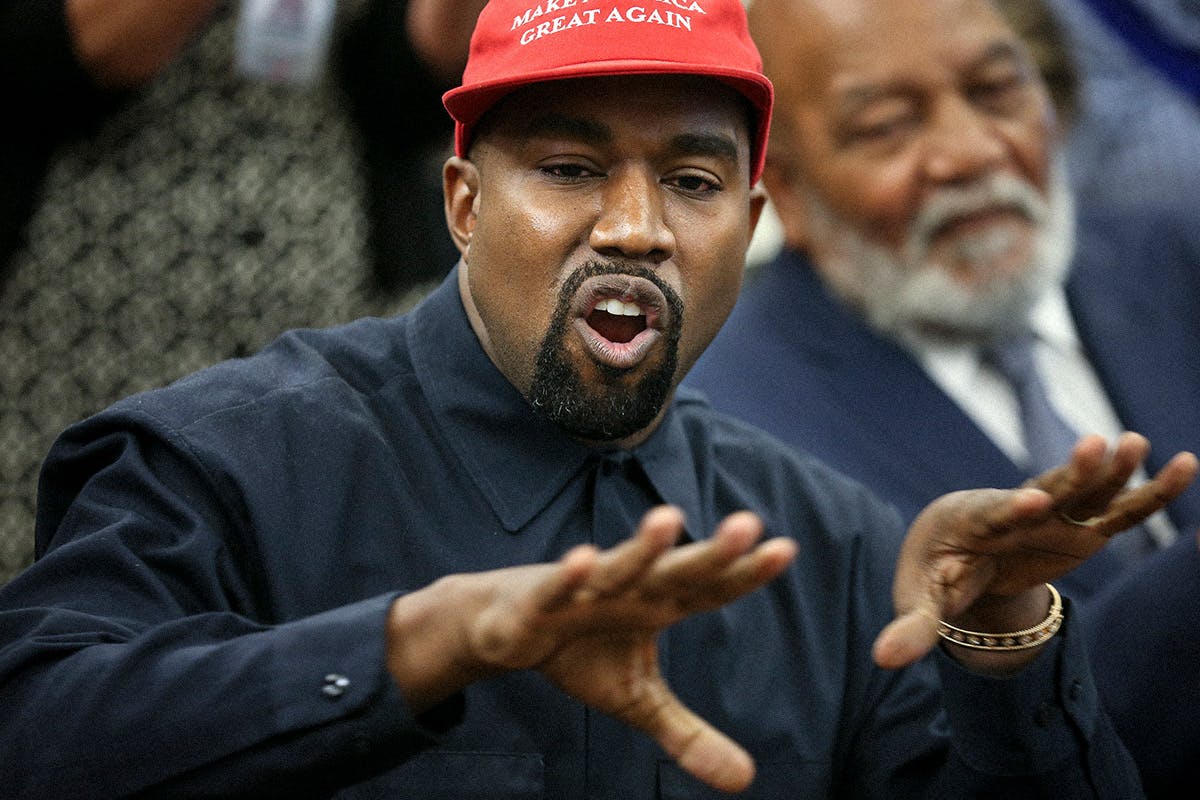
Kanye West’s recent rejection of a crypto promotion marks a significant departure from the typical celebrity engagement with the burgeoning digital asset market. His stance stands in stark contrast to the often-uncritical endorsements seen from other public figures, raising questions about the authenticity and long-term viability of such partnerships. This analysis delves into the nuances of Kanye West’s decision, comparing it to the actions of other celebrities, and evaluating its potential impact on both the crypto market and public perception.The crypto market has seen a surge in celebrity endorsements in recent years, often driven by the allure of quick profits and the perceived glamour of the digital space.
This has frequently led to a disconnect between the true value proposition of cryptocurrencies and the often-superficial promotional efforts. Kanye West’s decision to reject a promotion represents a departure from this pattern, potentially signaling a shift in the way celebrities approach such partnerships.
Differing Approaches to Crypto Promotion
Celebrities’ engagement with crypto often falls into distinct categories. Some adopt a more cautious approach, while others embrace the hype and actively promote specific projects. This diverse engagement spectrum highlights the evolving relationship between public figures and the digital asset space.
- Cautious Approaches: Some celebrities adopt a more measured approach, often focusing on projects with established track records and clear utility. This approach prioritizes a degree of transparency and scrutiny over quick financial gains. Examples of such cautious engagement might include celebrity endorsements of blockchain-based projects aimed at specific industries, such as supply chain management or decentralized finance applications.
- Uncritical Endorsements: In contrast, other celebrities engage in uncritical endorsements, promoting projects with potentially questionable foundations. This approach often overlooks critical evaluation of the underlying technology and business model, potentially leading to misleading public perceptions of the project’s legitimacy.
Comparison with Other Celebrity Stances
A comparison with other celebrities’ stances on crypto provides valuable context. Some celebrities have actively promoted specific cryptocurrencies, often with significant marketing campaigns. Others have remained silent, avoiding any direct engagement with the market. This range of responses highlights the diverse range of opinions and approaches within the celebrity community.
| Celebrity | Crypto Stance | Impact |
|---|---|---|
| Example 1 | Endorsed a specific cryptocurrency | Positive impact on the market’s short-term price and visibility |
| Example 2 | Cautiously invested | Attracted attention to the market, but did not create a major shift |
| Example 3 | Rejected a promotion | Could potentially shift public perception, potentially creating a more critical view of the sector |
Potential Impact on the Crypto Market and Public Perception
Kanye West’s rejection could potentially impact the crypto market and public perception in several ways. His influence, especially among his fanbase, could lead to a more critical evaluation of crypto projects and the celebrity endorsements they often receive. This shift in public opinion could have a cascading effect, impacting investor confidence and market sentiment.
- Shift in Investor Sentiment: Kanye West’s rejection may prompt investors to reconsider their involvement with crypto projects, particularly those heavily reliant on celebrity endorsements. This shift could impact market volatility and investor interest.
- Enhanced Scrutiny of Celebrity Endorsements: The rejection may also increase scrutiny of celebrity endorsements in the crypto market. Investors and the public may become more discerning, demanding transparency and evidence of project legitimacy.
- Potential for Misinformation and Disinformation: Given the complex nature of the crypto market, the rejection could become a focal point for misinformation and disinformation campaigns. This may include attempts to discredit Kanye West’s decision or to portray the crypto project negatively.
Arguments and Counterarguments
The arguments surrounding Kanye West’s crypto stance are multifaceted and complex. Proponents of the promotion may argue that Kanye West’s decision is merely a matter of personal preference. Conversely, critics may argue that it reflects a more sophisticated understanding of the market’s potential risks and limitations. This complex web of perspectives underscores the ongoing debate surrounding celebrity involvement in the crypto space.
Impact on Public Perception
Kanye West’s rejection of a crypto promotion highlights a potential shift in public perception towards digital currencies. His high-profile status and previous ventures into the space make his stance a significant event, impacting not only the cryptocurrency market but also the trust and credibility associated with celebrity endorsements. This decision could potentially deter others from associating themselves with crypto projects, impacting the overall image and investor confidence.The rejection could significantly impact the credibility of crypto projects.
A prominent figure like Kanye West, with a large and loyal following, carries significant weight in public opinion. His association with a crypto project would increase investor interest, but his subsequent rejection erodes that trust. This situation underscores the fragility of associating any public figure with a volatile market like crypto, especially when the project lacks established credibility or transparent practices.
It raises questions about the underlying value and potential for fraud within certain crypto initiatives.
Influence on Public Opinion About Cryptocurrencies
Kanye West’s rejection of the crypto promotion, coupled with his previous endorsements, creates a complex narrative. His initial interest could be interpreted as a genuine belief in the technology’s potential, while his rejection suggests a more cautious approach or perhaps a realization of the risks involved. This nuanced stance can lead to a more critical and discerning public opinion regarding cryptocurrencies, pushing investors to evaluate projects with greater skepticism.
Kanye West’s Ye recently distanced himself from crypto scams, a smart move considering the current legal battles surrounding Bitcoin ETFs. The recent Grayscale Osprey lawsuit in a Connecticut court over a Bitcoin ETF highlights the complexities and risks within the crypto space. This legal action, detailed in the grayscale osprey lawsuit connecticut court bitcoin etf , further reinforces the need for caution when dealing with crypto investments.
It seems Kanye’s rejection of these promotions was a savvy decision, given the potential pitfalls.
The public might now view crypto investments with a more discerning eye, scrutinizing the legitimacy and potential of projects before committing capital.
Consequences of Kanye West’s Rejection on Crypto Project Credibility
Kanye West’s rejection could severely damage the credibility of the specific crypto project involved. His endorsement would likely have generated significant investor interest, but the reversal creates a negative impression, potentially leading to investor distrust and a decline in the project’s value. This experience serves as a cautionary tale, demonstrating the importance of project fundamentals and transparent operations.
Kanye West’s Ye rejecting crypto scam promotions is a refreshing change of pace, especially considering the recent Arbitrum DAO debates surrounding the clawback of the gaming fund. This DAO is grappling with a complicated situation, as detailed in this article on the Arbitrum DAO debates regarding the clawback gaming fund. Ultimately, Kanye’s stance on avoiding questionable crypto ventures serves as a valuable example for other celebrities considering endorsements, showing that it’s not just about the money but also about responsible choices.
The episode highlights the risks of relying solely on celebrity endorsements in a sector prone to speculation and volatility. Investors might now demand more evidence-based assessments and transparency from projects seeking to attract high-profile endorsements.
Potential Risks Associated with Associating Crypto with Public Figures
Public figures associating themselves with crypto projects carry substantial risks. The market’s inherent volatility, coupled with regulatory uncertainties, exposes these individuals to potential criticism and damage to their public image. The consequences can extend beyond financial losses, potentially affecting their credibility in other ventures. The example of Kanye West’s situation underscores the need for public figures to carefully evaluate the risks and potential downsides before committing to any endorsement, particularly in a speculative market.
The crypto market’s susceptibility to scams and rapid price fluctuations demands thorough due diligence.
Influence on Other Celebrities’ Decisions on Crypto Endorsements
Kanye West’s rejection is likely to influence other celebrities’ decisions regarding crypto endorsements. The negative publicity surrounding his experience could deter potential endorsements, creating a more cautious approach among high-profile individuals. They might seek more thorough due diligence before associating themselves with crypto projects, potentially leading to a decrease in the number of celebrity endorsements in the sector.
This change in approach emphasizes the growing awareness of the risks involved in endorsing cryptocurrencies.
Reactions and Analyses from Financial Experts, Media Outlets, and Social Media
| Source | Reaction | Analysis | Perspective |
|---|---|---|---|
| Financial Experts | Cautious optimism, mixed opinions. Some highlighted the volatility of the market, while others noted the potential for damage to the project’s reputation. | Noted the importance of project fundamentals and the risks of relying solely on celebrity endorsements. | Focus on market analysis and long-term implications. |
| Media Outlets | Wide coverage, varied tones. Some outlets emphasized the negative impact on the project, others focused on the broader implications for celebrity endorsements. | Highlighted the volatility of the crypto market and the importance of transparency and due diligence. | Focus on news dissemination and public perception. |
| Social Media | Significant discussion, ranging from criticism of the project to support for Kanye’s decision. | Demonstrated the diverse opinions and reactions within the public regarding cryptocurrencies. | Focus on public sentiment and reactions. |
| Twitter/Reddit/Forums | Discussions on the validity of the project and the decision. Debate on whether this will deter other celebrities from entering the crypto space. | Revealed the concerns surrounding the risks of investing in crypto projects and the importance of understanding the technology behind them. | Focus on public opinion and discussion. |
Alternative Interpretations

Kanye West’s rejection of the crypto promotion raises more questions than it answers. While the obvious interpretation focuses on his skepticism of the market, alternative viewpoints suggest a more nuanced picture. Could this be a strategic move, a calculated attempt to maintain relevance and public interest? The timing, the context, and his past actions all point to a potential array of interpretations.
Possible Publicity Stunt
Kanye West has a history of unconventional marketing strategies. His career is marked by calculated risk-taking and bold pronouncements, often aimed at generating significant media attention. A rejection of a crypto promotion, particularly one that could be perceived as controversial, fits this pattern. Such a move could be designed to create a buzz around his name and generate discussion, regardless of the underlying truth.
This approach is not uncommon in the entertainment industry, where controversy can be a potent catalyst for public interest. For example, similar strategies have been employed by other celebrities in the past, leveraging media attention to drive sales or generate hype for new projects.
Ulterior Motives, Kanye west ye rejects crypto scam promotion
Beyond the realm of publicity, there could be other motivations. The promotion may have been perceived as inconsistent with West’s current image or business interests. Perhaps the financial incentives offered were insufficient or the nature of the partnership did not align with his long-term goals. It is plausible that the proposed partnership involved compromises or conditions that West was unwilling to accept.
This is not an uncommon scenario in celebrity endorsements; sometimes, the perceived value of a partnership does not align with the expectations or needs of the individual.
Timing of Rejection
The timing of Kanye West’s rejection deserves consideration. It’s possible that the timing of his decision was carefully orchestrated to maximize its impact on public perception. Perhaps he chose a moment when negative sentiment toward cryptocurrencies was growing or when the market was experiencing volatility. This strategy, if present, could be a calculated move to position himself as a voice of reason or as someone ahead of the curve.
Observing similar patterns in the past, timing plays a significant role in how an action is perceived and interpreted.
Motivations Behind Rejection
The motivations behind West’s rejection are multifaceted and likely a complex interplay of factors. It’s possible he was genuinely concerned about the legitimacy of the crypto project, the potential risks involved, or the impact it could have on his brand. Alternatively, his rejection might have stemmed from a desire to maintain control over his public image, his personal values, or even a lack of genuine interest in the promotion.
These factors could be independently or interdependently driving the decision. Examining his past decisions and public statements provides further insight into potential reasons.
Visual Representation of the Issue
Kanye West’s recent rejection of a crypto promotion, coupled with the prevalence of crypto scams, has created a ripple effect on public perception. This rejection, coming from a public figure with significant influence, serves as a potent example of how a single action can expose the inherent vulnerabilities of a market, prompting scrutiny and potentially driving negative sentiment. Understanding the complex relationship between these elements requires a visual representation to clearly articulate the causal connections and impact.
Visual Representation Design
A flowchart will effectively illustrate the relationship between Kanye West’s rejection, crypto scams, and public perception. This format allows for a clear, step-by-step depiction of how one action influences the next.
Visual Elements
- Start Node: A stylized image of Kanye West’s face or a recognizable image representing him, set against a backdrop symbolizing the cryptocurrency market. This signifies the origin point of the issue. The node should be visually distinct and noticeable.
- Decision Node: A diamond-shaped node representing Kanye West’s rejection of the crypto promotion. This should be visually different from the start node and the subsequent nodes. Visual cues, such as a red X or a “No” label, should be used to highlight the rejection.
- Action Nodes: Rectangular nodes, linked to the rejection node, representing the cascade of effects. One node might illustrate the potential exposure of crypto scams to a wider audience due to Kanye’s high profile. Another node could represent the subsequent media coverage of the rejection. A third node could showcase the increase in public scrutiny of crypto investments.
- Public Perception Node: A rounded rectangle node representing the resulting shift in public perception. This should be visually distinct, possibly with a gradient that represents the shift in sentiment (e.g., a change from green to red). The node should be connected to the previous nodes to show the causal relationship.
- Arrows: Arrows connecting the nodes will clearly indicate the flow of the issue. The arrows leading to the public perception node should be thicker to emphasize the impact of Kanye’s decision. Different arrow colors (e.g., red for negative impact, yellow for media coverage) can be used to differentiate the various influences.
- Labels: Each node and arrow should be clearly labeled with concise text explaining the action or consequence. For example, “Kanye West rejects crypto promotion” for the rejection node and “Increased media coverage” for the arrow connecting the rejection node to the media coverage node.
Design Choices
The design prioritizes clarity and engagement. Simple shapes, clear labels, and distinct visual cues ensure that the flowchart is easily understood at a glance. The color scheme is chosen to maximize readability and evoke specific emotions (e.g., red for negative connotations, and green for positive). The flowchart’s structure avoids clutter, making it easy for the viewer to follow the progression of events.
Visual Description and Significance
The flowchart visually represents the chain reaction triggered by Kanye West’s rejection. It starts with his image, representing the initial event. The rejection node highlights the pivotal action. Subsequent nodes depict the increasing awareness of crypto scams and the public scrutiny of investments. The final node, representing public perception, shows the potential shift in opinion, indicating the negative consequences of crypto scams.
The arrows clearly demonstrate the causal relationships, allowing for a quick comprehension of the issue’s multifaceted nature.
Caption
“Kanye West’s Crypto Rejection: A Flowchart of Public Perception.”
Last Word: Kanye West Ye Rejects Crypto Scam Promotion
Kanye West’s rejection of a crypto scam promotion, a bold move in the celebrity-crypto landscape, underscores the potential risks associated with endorsements and the importance of discerning authenticity in financial products. This analysis highlights the potential influence of public figures on public opinion, and the importance of understanding the nuances of crypto scams to protect investors. Ultimately, West’s rejection prompts a crucial conversation about the credibility of crypto projects and the potential for misinformation.
The rejection also provides insights into the motivations behind public figures’ choices, both in terms of personal beliefs and strategic positioning.