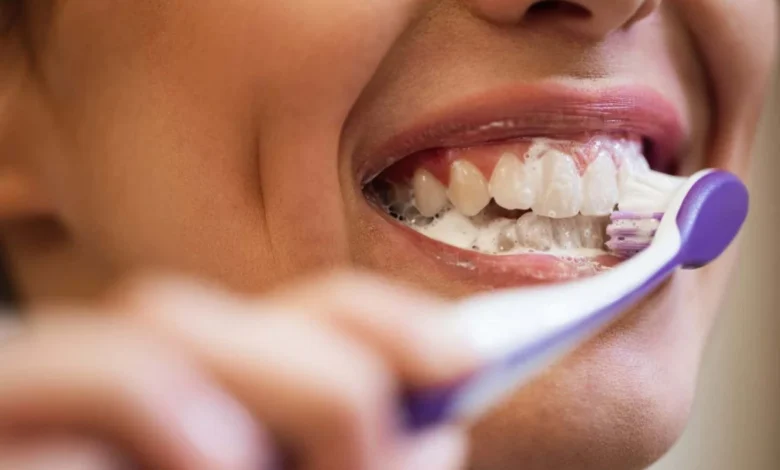
The simple act of brushing teeth while hospitalized can significantly reduce a patient’s risk of developing pneumonia, a potentially life-threatening complication, according to groundbreaking research presented at the European Society of Clinical Microbiology and Infectious Diseases (ESCMID Global) Congress in Munich, Germany. The largest randomized controlled trial of its kind has revealed that patients provided with toothbrushes, toothpaste, and oral hygiene advice experienced a 60% reduction in the incidence of a common form of hospital-acquired pneumonia (HAP).
This discovery challenges long-held assumptions about patient care and highlights an often-overlooked aspect of hospital hygiene. While medical professionals diligently focus on a myriad of clinical interventions, the fundamental practice of maintaining oral health in hospitalized individuals has frequently been sidelined. The reasons for this neglect are varied and complex, ranging from patients forgetting to pack their personal hygiene items to a general lack of awareness or motivation regarding the importance of oral care during a hospital stay. Furthermore, medical staff often do not incorporate routine oral hygiene as a standard part of their patient care protocols.
"This just really enforces the need for communication with patients about pneumonia risk, and the importance of oral care and brushing their teeth whilst in hospital," stated Brett Mitchell from Avondale University in Australia, the lead researcher behind the study. His sentiment underscores a critical gap in current healthcare practices, suggesting that a readily available and low-cost intervention could have profound implications for patient outcomes.
The Pervasive Threat of Hospital-Acquired Pneumonia
Hospital-acquired pneumonia (HAP) remains a significant concern within healthcare systems worldwide. While it is widely understood that patients on mechanical ventilators are at a heightened risk due to the interference of medical equipment with the natural respiratory system, a substantial number of non-ventilated patients also contract pneumonia at least 48 hours after admission. The precise mechanisms behind this phenomenon are still under investigation, but the consequences are undeniably severe. HAP is consistently linked to prolonged hospital stays, escalating healthcare costs, and a marked increase in mortality rates.
Michael Klompas, an expert in healthcare-associated infections at Harvard University, who was not involved in the current study, commented on the gravity of the issue. "It’s an important problem," Klompas stated. "Hospital-acquired pneumonia is one of the most common and deadly healthcare-associated infections, and rigorous data on how best to prevent it are sparse." This lack of definitive preventative strategies has made the findings of Mitchell’s research particularly impactful.
Unraveling the Link: Oral Microbiome and Respiratory Health
Mitchell’s hypothesis centered on the potential connection between the bacteria residing in a patient’s mouth and their respiratory health. The oral microbiome, a complex ecosystem of microorganisms, can indeed influence the lungs. When individuals breathe, they can inhale bacteria-laden droplets from their oral cavity. Hospitalization, often characterized by changes in diet, medication, and overall physiological stress, can lead to alterations in this delicate oral microbiome. Mitchell recognized this potential link as a crucial area for intervention, stating, "I felt it was important that we try to do something to address this."
The HAPPEN Study: A Rigorous Approach to Prevention
To investigate this hypothesis, Mitchell and his colleagues embarked on a comprehensive, year-long randomized controlled trial known as the Hospital-Acquired Pneumonia Prevention (HAPPEN) study. This extensive research involved 8,870 patients across three Australian hospitals. The study was meticulously designed to isolate the impact of oral care interventions on pneumonia incidence.
The trial commenced with an initial three-month observation period where no specific interventions were introduced. Following this baseline phase, the participating hospitals implemented a phased approach to introducing oral hygiene measures. In the first intervention phase, one group of patients was provided with toothbrushes and toothpaste. These brushes were thoughtfully designed with special handles to accommodate individuals with reduced dexterity. Crucially, the packaging and accompanying materials bore clear messages such as "Brushing teeth helps prevent pneumonia" and "Brush away pneumonia!" to underscore the study’s objective. Patients in this group also received a QR code linking them to educational resources on the dedicated HAPPEN website, providing comprehensive information on oral hygiene practices and the study’s goals.
After six months of the study, a second group of patients also received the oral hygiene kits. The third and final group was provided with the same resources after nine months, ensuring that by the final three months of the year-long study, all participants had access to the necessary tools and information for daily tooth brushing.
Engaging Healthcare Staff: A Holistic Strategy
Beyond patient-focused interventions, the HAPPEN study also recognized the vital role of healthcare professionals. The research team conducted targeted oral care training sessions for ward nurses, equipping them with the knowledge and skills to promote better oral hygiene among their patients. Furthermore, nurses were provided with access to professional advice and resources via the HAPPEN website, encouraging them to actively remind patients to brush and floss their teeth and to offer assistance to those who faced physical challenges in performing these tasks independently.
Quantifiable Results: A Dramatic Reduction in Pneumonia Cases
The impact of the intervention was substantial and measurable. Before the study’s intervention periods, only a modest 15.9% of patients reported brushing their teeth at least once daily. However, during the intervention phases, this figure surged to an impressive 61.5%, with patients engaging in oral care an average of 1.5 times per day. Web analytics from the HAPPEN website indicated consistent engagement from both patients and nurses with the provided educational materials, demonstrating a clear uptake of the information and a commitment to the study’s principles.
This marked increase in oral hygiene practices coincided with a dramatic decline in the incidence of non-ventilator-associated hospital-acquired pneumonia. The research revealed a fall from 1 case per 100 admission days in the control group to a mere 0.41 cases per 100 admission days in the intervention group. This represents a significant reduction, underscoring the powerful impact of this simple, yet often overlooked, intervention.
Expert Reactions and Broader Implications
The findings of the HAPPEN study have garnered significant attention from the scientific and medical communities. Michael Klompas of Harvard University lauded the study’s design and scale, stating, "This study is intriguing, highlights the large study size and randomised design. The message is that brushing teeth while in hospital is not only good for one’s oral hygiene and sense of well-being, but it may also literally be life-saving."
Pyry Sipilä, a researcher at the University of Helsinki, Finland, echoed this sentiment, appreciating the magnitude of the risk improvement achieved through such a straightforward intervention. "Basically the patients were just provided with toothbrushes, toothpaste and advice," Sipilä remarked. However, he also acknowledged that individual outcomes might vary based on the specific reasons for hospitalization and the patients’ pre-existing oral hygiene habits.
The implications of this research are far-reaching. It suggests a potential paradigm shift in how hospitals approach patient care, emphasizing the integration of oral health as a fundamental component of preventing infections. The HAPPEN study provides robust evidence that simple, accessible interventions can lead to substantial improvements in patient safety and outcomes, potentially saving lives and reducing the burden on healthcare systems.
Future Directions and Recommendations
The success of the HAPPEN study paves the way for wider implementation of similar oral hygiene programs in hospitals globally. Future research may focus on refining these interventions, exploring optimal frequencies and methods of oral care, and investigating the long-term effects on patient well-being. The study also highlights the importance of patient education and empowerment, ensuring individuals understand the link between their oral health and their overall health, even when they are at their most vulnerable in a hospital setting.
As healthcare systems grapple with the persistent challenge of hospital-acquired infections, the findings of the HAPPEN study offer a beacon of hope. By prioritizing and integrating basic oral hygiene practices into routine patient care, hospitals can take a significant step towards safeguarding their patients from preventable illnesses and fostering a culture of comprehensive well-being. The message is clear: a toothbrush, toothpaste, and a bit of encouragement can indeed be powerful tools in the fight against pneumonia.