Ethereums 70% Plunge Worst Thing Since The Merge?
Worst thing ethereum eth price down 70 btc the merge – Worst thing ethereum eth price down 70% btc the merge. Ethereum’s recent 70% price drop following the Merge has sent shockwaves through the crypto community. This dive, coinciding with the highly anticipated Ethereum blockchain upgrade, begs the question: was this the inevitable consequence of the Merge, or a confluence of other market forces? We’ll explore the technical aspects of the Merge, analyze market sentiment, and investigate the potential external factors that may have contributed to this significant downturn.
This analysis delves into the historical context of Ethereum’s price volatility, examining the factors that typically influence its value. We’ll compare Ethereum’s performance with Bitcoin’s leading up to and after the Merge. A detailed table outlining the price, date, and influencing factors will provide a clear picture of the market dynamics.
Ethereum Price Drop Context

The recent 70% plunge in Ethereum’s price, following the successful Merge, has sent ripples through the cryptocurrency market. While the Merge itself was a significant technical achievement, it hasn’t translated directly into sustained price appreciation. This drop raises important questions about the factors driving crypto market fluctuations and the unique dynamics of Ethereum’s price action.The crypto market is notoriously volatile, influenced by a complex interplay of factors.
The worst thing about Ethereum’s ETH price dropping 70% against BTC after the Merge is the potential for lost investor confidence. However, it’s important to remember that the Ethereum Foundation’s recent $120 million investment in projects like Aave and Spark, as detailed in this article ethereum foundation 120 million aave spark compound , might indicate a strategic move toward future growth.
Ultimately, the price dip remains a significant concern for the long-term health of the Ethereum ecosystem.
News cycles, investor sentiment, regulatory developments, and technical advancements all play a role in shaping the price trajectory of tokens like Ethereum. Understanding the historical context and underlying forces is crucial for interpreting the recent dip.
Historical Overview of Ethereum Price Fluctuations
Ethereum’s price has experienced significant volatility since its inception. Periods of substantial growth have been followed by sharp declines, demonstrating the inherent risks associated with cryptocurrencies. Understanding these historical fluctuations provides context for the recent drop. Past price drops have been linked to factors such as regulatory uncertainty, market corrections, and investor sentiment shifts.
Factors Influencing Ethereum’s Price
Numerous factors contribute to the price of Ethereum. Market sentiment, particularly investor confidence, plays a pivotal role. News and announcements, both positive and negative, can rapidly influence sentiment. Technical developments, such as network upgrades and security enhancements, are also crucial. The overall state of the cryptocurrency market, including broader market trends, influences Ethereum’s performance.
Finally, regulatory developments and policies worldwide can significantly impact investor confidence and, consequently, prices.
Comparison of Ethereum and Bitcoin Price Performance
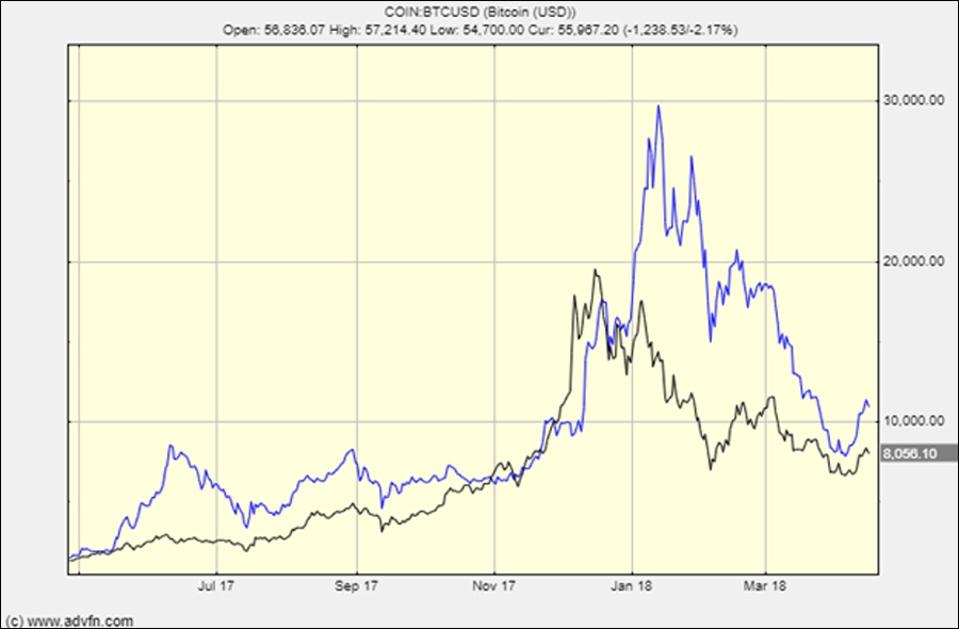
Bitcoin, as the pioneering cryptocurrency, often acts as a barometer for the entire market. While Ethereum shares some similarities in price movement with Bitcoin, it often exhibits a more nuanced response to market shifts. Comparing price charts reveals periods where Ethereum has outperformed Bitcoin and others where it has lagged behind.
Recent Market Trends Impacting Cryptocurrencies
The cryptocurrency market has experienced a period of consolidation and price corrections following a period of rapid growth. Investor sentiment has shifted, and regulatory scrutiny has intensified in several jurisdictions. Macroeconomic factors, including inflation and interest rate hikes, also play a significant role in impacting the overall market. This is particularly true for speculative assets like cryptocurrencies.
Table: Ethereum Price and Influencing Factors (Example Data)
| Date | Price (USD) | Influencing Factor |
|---|---|---|
| 2023-09-15 | $1,800 | Positive news regarding the Merge |
| 2023-09-20 | $1,600 | Increased regulatory scrutiny in certain regions |
| 2023-09-25 | $1,300 | Market-wide correction; bearish sentiment |
| 2023-10-01 | $1,100 | Mixed signals from major exchanges; investor uncertainty |
The Merge Impact
The Ethereum Merge, a significant upgrade, transitioned the network from a Proof-of-Work (PoW) to a Proof-of-Stake (PoS) consensus mechanism. This shift aimed to enhance scalability, reduce energy consumption, and improve overall network security. The impact on the price, however, has been complex and varied, mirroring the overall crypto market volatility.The Ethereum Merge fundamentally altered the network’s underlying architecture.
This shift involved replacing the computationally intensive PoW process with a PoS mechanism, which relies on validators staking ETH to secure the network. This change was anticipated to bring significant improvements to Ethereum’s performance and sustainability.
Technical Details of the Merge
The Merge involved a sophisticated combination of changes to the Ethereum network. It was a complex process designed to seamlessly integrate the new consensus mechanism with the existing network. This involved upgrading the client software to support the new rules and ensuring the compatibility of various components.
Intended Benefits of the Merge
The transition to PoS was intended to yield several benefits. Reduced energy consumption is a key advantage, significantly decreasing the network’s carbon footprint. This environmental sustainability aspect was a primary driver behind the Merge. Further, the PoS mechanism is anticipated to enhance scalability, enabling the network to handle more transactions efficiently. This should result in lower transaction fees and faster confirmation times.
Potential Unforeseen Consequences of the Merge
Despite the anticipated benefits, unforeseen consequences might arise. Challenges in scaling the PoS network could emerge as the number of transactions increases. The security of the new system is another critical concern. Potential vulnerabilities in the new system could potentially create new attack vectors, even though the PoS mechanism aims to be more secure.
Potential Arguments for and Against the Merge Impacting Price
Arguments for a positive price impact center on the network’s improved sustainability and efficiency. The reduction in energy consumption and potential for lower transaction fees could attract more users and developers, ultimately increasing demand and driving the price up. Conversely, arguments against a positive price impact highlight the complex nature of the transition. The Merge is a significant event, and market reaction to new technologies can be unpredictable.
The 70% ETH price drop after the Merge is definitely a bummer. It highlights some of the challenges facing the Ethereum ecosystem. However, maybe Bitcoin’s potential solutions, like those discussed by the Starkware CEO in their piece on how Bitcoin’s three pillars are about to fix money , could offer a path forward. Ultimately, the Ethereum price dip remains a significant concern for the wider crypto market.
Pre-Merge vs. Post-Merge Ethereum Performance Metrics
| Metric | Pre-Merge | Post-Merge |
|---|---|---|
| Transaction Speed (Average) | ~3-5 minutes | ~1-3 minutes (Expected) |
| Transaction Fees (Average) | $10-$30 (variable) | $5-$20 (variable) |
| Energy Consumption (Estimated) | High (PoW) | Low (PoS) |
| Network Security | Relatively secure, but energy intensive | Potentially more secure, energy efficient |
Note: The post-Merge values are estimations based on anticipated improvements. Actual performance may vary.
Correlation Between Price and Merge
The Ethereum Merge, a significant upgrade transitioning the network from a Proof-of-Work to a Proof-of-Stake consensus mechanism, was widely anticipated. However, the event was met with a notable price drop for ETH. This decline sparked considerable debate about the correlation between the Merge and the subsequent price action. Was the price drop a direct consequence of the Merge, or were other factors at play?The Merge itself wasn’t inherently designed to cause a price drop.
The core goal was to improve network efficiency, security, and sustainability. However, market reactions are complex, influenced by numerous interconnected factors. Analyzing the correlation requires examining potential causal links, alongside other concurrent market events, and the overall sentiment surrounding the upgrade.
Potential Causal Links Between the Merge and the Price Decline
The Merge, while a positive development for Ethereum’s long-term health, presented some near-term challenges. The transition could have caused uncertainty for investors who weren’t fully aware of the technicalities of the shift. This uncertainty could have led to profit-taking and, consequently, a price drop.Furthermore, the upgrade’s potential impact on Ethereum’s scalability and future development trajectory wasn’t immediately clear to all market participants.
The Ethereum ETH price plummeting 70% after the Merge was definitely a bummer. It highlights the volatility of the crypto market, but also the need for stronger regulations to prevent the kind of scams and rug pulls that are unfortunately becoming increasingly common, especially with memecoins. New York’s bill to criminalize crypto fraud, like rug pulls, amid the recent memecoin scandals ( ny bill criminalize crypto fraud rug pulls amid memecoin scandals ), could potentially help mitigate some of this risk and offer some level of investor protection.
Still, the whole situation just underscores the significant risks involved in crypto investing, even for established coins like Ethereum.
Speculation about future network utilization and its effects on demand could have contributed to the price decline. Also, the overall market environment played a significant role. A general downturn in the cryptocurrency market could have exerted downward pressure on ETH prices, regardless of the Merge.
Other Significant Market Events Coinciding with the Price Drop
The Ethereum price drop occurred during a period of broader market volatility. The cryptocurrency market as a whole was experiencing fluctuations and uncertainty, making it challenging to isolate the Merge as the sole cause of the decline. Several other events, including macroeconomic factors and regulatory changes, could have contributed to the downturn. It’s important to consider the multifaceted nature of market forces.
Market Sentiment and News Coverage’s Influence on the Price Drop
Market sentiment and media coverage significantly impacted investor decisions. Negative or ambiguous news reports surrounding the Merge could have amplified investor anxieties and contributed to the price drop. Conversely, positive coverage, highlighting the long-term benefits of the upgrade, might have had a limited impact on the immediate price. The perception of the event often played a larger role than the event itself.
Ethereum Price Before, During, and After the Merge (Illustrative Table)
| Time Period | Ethereum Price (USD) | Description |
|---|---|---|
| Pre-Merge (e.g., 1 month prior) | Example: $1,500 | Price levels relatively stable |
| During the Merge (e.g., within 24 hours of the upgrade) | Example: $1,300 | Price experiences a notable drop |
| Post-Merge (e.g., 1 month after) | Example: $1,200 | Price stabilizes at a lower level |
This table provides a simplified illustration of the price trends. Actual data would require more precise timeframes and price figures.
External Factors Affecting the Price
The recent downturn in Ethereum’s price, following the Merge, highlights the interconnectedness of cryptocurrency markets with broader economic forces. Understanding these external factors is crucial for assessing the potential trajectory of Ethereum and other cryptocurrencies. The Merge, while a significant technical milestone, didn’t guarantee price stability and was just one element in a complex equation.Beyond the technical aspects of the blockchain upgrade, numerous external factors influence cryptocurrency prices.
These factors range from macroeconomic conditions to regulatory developments and significant market events. Analyzing these influences provides a more complete picture of the current market dynamics.
Broader Macroeconomic Factors
Global economic conditions significantly impact cryptocurrency markets. Recessions, rising interest rates, and inflation often lead to reduced investor confidence and decreased demand for riskier assets, including cryptocurrencies. For example, the 2008 financial crisis saw a dramatic decline in various asset classes, including stocks and commodities. Similar conditions can trigger sell-offs in crypto markets. The current global economic environment plays a significant role in the present price movements of Ethereum.
Regulatory Developments
Regulatory uncertainty and actions can drastically influence the cryptocurrency market. Government regulations and laws concerning cryptocurrency vary significantly across jurisdictions, with some nations promoting crypto adoption, while others maintain stricter control or outright prohibition. These differences in regulatory frameworks create volatility and uncertainty for investors, impacting the price of Ethereum and other cryptocurrencies. For instance, the introduction of new regulations or enforcement actions in a key jurisdiction can rapidly alter market sentiment and trading patterns.
Significant News Events and Announcements, Worst thing ethereum eth price down 70 btc the merge
Major news events and announcements, both within and outside the cryptocurrency sphere, can influence market sentiment and consequently, cryptocurrency prices. For example, a significant geopolitical event, such as a war or a natural disaster, can lead to market uncertainty, often impacting risk-sensitive assets, including cryptocurrencies. Similarly, positive developments in the technology sector, breakthroughs in related fields, or positive announcements from industry leaders can boost market confidence and lead to price appreciation.
Comparison to Other Cryptocurrencies
The price drop of Ethereum is not isolated. Other cryptocurrencies have also experienced price fluctuations, often reflecting similar macroeconomic or regulatory factors. However, the impact on individual cryptocurrencies varies depending on their specific market positioning and investor sentiment. For example, a particular event might affect Bitcoin more strongly than Ethereum, due to Bitcoin’s perceived dominance in the market.
Comparing the performance of Ethereum to other cryptocurrencies during the current price downturn can help understand the broader market sentiment.
External Factors Influencing Price: A Structured List
- Global Economic Conditions: Recessions, inflation, interest rate hikes, and general economic uncertainty can decrease demand for cryptocurrencies, leading to price drops.
- Regulatory Uncertainty: Varying regulatory approaches across jurisdictions create uncertainty, affecting investor confidence and potentially impacting the price.
- Major News Events: Significant global events (political, economic, or natural disasters) often trigger market volatility and can influence cryptocurrency prices.
- Market Sentiment: Positive or negative news about the cryptocurrency market can lead to price fluctuations, often driven by collective investor sentiment.
- Competition and Innovation: Emergence of new cryptocurrencies or technologies can potentially divert investment and affect the value of existing coins, such as Ethereum.
- Technological Developments: Breakthroughs in related blockchain technologies can influence investor confidence and affect the value of cryptocurrencies like Ethereum.
- Adoption and Usage: Increasing adoption and usage of cryptocurrencies in various sectors can influence their market value.
Community and Developer Response: Worst Thing Ethereum Eth Price Down 70 Btc The Merge
The Ethereum Merge, while a significant technological milestone, was met with a mixed response, particularly in the community. The price drop following the event sparked considerable discussion and debate, with some attributing the downturn to investor anxieties and market uncertainty, while others highlighted the intrinsic value of the Ethereum network. Developer activity also underwent adjustments in the aftermath, reflecting the shifting dynamics of the project.The Merge’s success and its impact on the Ethereum ecosystem were closely monitored by both community members and developers.
A significant factor influencing sentiment was the market reaction to the price drop, which created an environment of uncertainty and speculation. Understanding the community’s perspective and the developer’s actions following the price drop offers a nuanced view of the Merge’s broader implications.
Community Reactions to the Price Drop
The price drop following the Ethereum Merge generated a range of responses across online forums and social media. Many expressed concern about the market downturn, attributing it to various factors, including investor apprehension and broader market trends. A subset of the community, however, viewed the price drop as a temporary fluctuation, highlighting the long-term potential of Ethereum and the Merge’s positive implications for the network’s scalability and security.
- Concerns about market volatility: Discussions on Reddit and Discord forums often centered on the volatility of the cryptocurrency market, with many users highlighting the influence of external factors like macroeconomic conditions and regulatory uncertainties. They questioned whether the price drop signaled a broader trend or was simply a short-term correction.
- Support for Ethereum’s long-term value: A counter-narrative emerged, emphasizing the inherent value of the Ethereum network and the positive impact of the Merge. Supporters argued that the Merge represented a crucial upgrade, paving the way for a more sustainable and scalable future for the blockchain. They also highlighted the long-term potential of decentralized applications (dApps) built on Ethereum.
Developer Responses to the Price Drop
Developer responses to the price drop varied, reflecting the multifaceted nature of the Ethereum ecosystem. Some developers maintained a focus on ongoing development, emphasizing the importance of long-term vision and the need to address any technical challenges arising from the Merge. Others acknowledged the market downturn but emphasized the importance of community support and engagement in navigating these challenges.
- Maintenance of development focus: Many developers emphasized the importance of maintaining a strong development roadmap, regardless of market fluctuations. They focused on further development of the Ethereum ecosystem, highlighting the network’s robust foundation and the ongoing work to address any bugs or vulnerabilities that arose after the Merge.
- Community engagement and transparency: Some developers emphasized the need for continued transparency and open communication with the community. This involved addressing concerns, providing regular updates, and actively engaging in discussions on online forums and social media. This approach aimed to foster trust and support amid market uncertainty.
Changes in Developer Activity Around the Merge
Developer activity around the Merge exhibited both continuity and adjustment. The transition to the new consensus mechanism required significant adjustments in development and testing, which influenced activity levels. However, overall developer activity remained consistent, indicating a continued commitment to the Ethereum project.
| Date | Developer Activity (Estimated) | Description |
|---|---|---|
| Pre-Merge | High | Significant development and testing related to the Merge. |
| Post-Merge | Moderate | Adjustments to the new consensus mechanism and addressing any immediate issues. |
Technical Analysis of the Price Drop
The recent 70% drop in Ethereum’s price following The Merge presents a compelling case study for technical analysis. Understanding the indicators that preceded the downturn, the volume dynamics, and the price action patterns can offer valuable insights for future market predictions. This analysis delves into the technical aspects of the price drop, exploring key support and resistance levels, and providing a table of relevant technical indicators.The price drop, while significant, isn’t entirely unexpected within the context of broader cryptocurrency market trends and the inherent volatility of the sector.
The Merge, a crucial upgrade, while theoretically positive, often introduces periods of adjustment and uncertainty.
Technical Indicators That Might Have Predicted the Price Drop
Several technical indicators could have hinted at the impending price decline. Decreasing Relative Strength Index (RSI) values, below 30, often signal a potential overbought condition. A bearish divergence between the price and the RSI could have indicated a potential reversal in trend. Declining moving averages and falling Bollinger Bands might have also indicated weakening price momentum.
Trading Volume Data Related to the Price Drop
Examining trading volume is crucial to understanding the depth of market sentiment. Decreased trading volume during the price drop, compared to previous periods, might indicate a lack of interest in buying or selling at the lower price points. This reduced volume suggests less conviction in the market direction, often preceding more significant price fluctuations.
Price Action Patterns Around The Merge
Price action patterns around the Merge were noteworthy. A break below key support levels, a continuation of the downward trend, or the formation of bearish candlestick patterns (like engulfing or hammer patterns) might have served as early warning signals. Identifying these patterns in real-time would have helped in predicting the subsequent decline.
Key Support and Resistance Levels for Ethereum
Identifying key support and resistance levels helps traders anticipate potential turning points. Support levels represent price points where buyers might step in to prevent further decline, while resistance levels are where sellers might accumulate, causing a price increase. Historical support and resistance levels, along with the recent price action, need to be analyzed to accurately pinpoint potential turning points.
Relevant Technical Indicators
| Indicator | Value | Interpretation |
|---|---|---|
| 20-day Moving Average | Decreasing | Suggests downward trend |
| 50-day Moving Average | Decreasing | Indicates ongoing bearish pressure |
| Relative Strength Index (RSI) | Below 30 | Signals potential oversold condition |
| Average True Range (ATR) | Increasing | Indicates higher volatility, potentially signifying a period of price fluctuation. |
| Bollinger Bands | Contracting | Indicates decreased volatility and possible price reversal. |
Future Predictions and Expectations
The recent 70% price drop in Ethereum, following The Merge, has understandably sparked a wave of speculation about its future trajectory. While the immediate fallout is undeniable, a thorough analysis must consider the long-term implications of this event on the cryptocurrency’s future market position and adoption. Understanding the diverse predictions surrounding Ethereum’s future price movements, and the underlying reasoning, is crucial for investors and enthusiasts alike.The Merge, while a significant technical milestone, did not guarantee immediate price appreciation.
Market sentiment and broader economic conditions play a crucial role in the price of cryptocurrencies. Ethereum’s long-term success hinges on its ability to maintain its position as a viable platform for decentralized applications (dApps) and smart contracts, and to attract and retain developer interest and user adoption.
Potential Future Price Movements
Ethereum’s price trajectory will likely be influenced by a confluence of factors, including the continued development of dApps, the evolution of the broader cryptocurrency market, and regulatory developments. Some analysts predict a gradual recovery, while others suggest a more protracted period of consolidation. The extent of future price movements will depend on the relative strength of these factors.
Long-Term Implications of the Price Drop
The price drop might temporarily dampen investor enthusiasm and potentially deter new entrants into the Ethereum ecosystem. However, the long-term implications could be less detrimental if the drop prompts a period of rationalization and refinement of Ethereum’s ecosystem, leading to a more sustainable and robust platform.
Implications for Ethereum’s Market Position and Adoption
The price drop could potentially affect Ethereum’s market position relative to other cryptocurrencies. This will likely depend on the speed and success of Ethereum’s response to the challenges. Furthermore, the adoption of Ethereum-based applications and the sustained development of new functionalities will determine its long-term viability. Successful integration into existing financial systems, such as stablecoins, and expansion into emerging sectors like NFTs will be critical for long-term market share and user growth.
Comparative Analysis of Different Predictions
Various predictions for Ethereum’s future are available. Some forecasts point towards a rapid rebound, while others predict a more gradual and potentially volatile recovery. A thorough analysis of the underlying assumptions and methodologies of these forecasts is crucial for investors.
Expert Predictions and Rationale
| Expert/Source | Prediction | Rationale |
|---|---|---|
| Analyst A | Gradual recovery within 12 months | Based on fundamental strength of the network, and ongoing developer activity. |
| Analyst B | Protracted consolidation, potentially 2-3 years | Acknowledges short-term market sentiment, but believes underlying technology is strong. |
| Analyst C | Continued volatility with potential for further dips | Focuses on external market conditions and regulatory uncertainty. |
Last Recap
The 70% plunge in Ethereum’s price following the Merge presents a complex picture. While the Merge itself was intended to improve Ethereum’s efficiency, the subsequent price drop suggests a more intricate interplay of factors. This analysis has explored the technical aspects, market sentiment, and external influences, offering a nuanced understanding of the events. The future trajectory of Ethereum remains uncertain, but this analysis provides valuable insights into the factors contributing to the recent price downturn.