Trump Cuts CFPB Funding, Suspends Oversight
Trump CFPB chief cuts funding suspends oversight. This action by the Trump administration signals a significant shift in consumer protection efforts, raising concerns about the future of financial regulations. The move has sparked intense debate about the balance between political priorities and the need for robust consumer safeguards within the financial sector. What exactly did the administration do?
And what does it mean for the average American?
The Consumer Financial Protection Bureau (CFPB) was created to safeguard consumers from predatory financial practices. Its role in enforcing consumer protection laws is crucial, especially in the complex landscape of modern finance. Understanding the historical context of the CFPB, the Trump administration’s specific actions, and the potential impacts on consumers is key to understanding the implications of this decision.
Background of the CFPB and Trump Administration
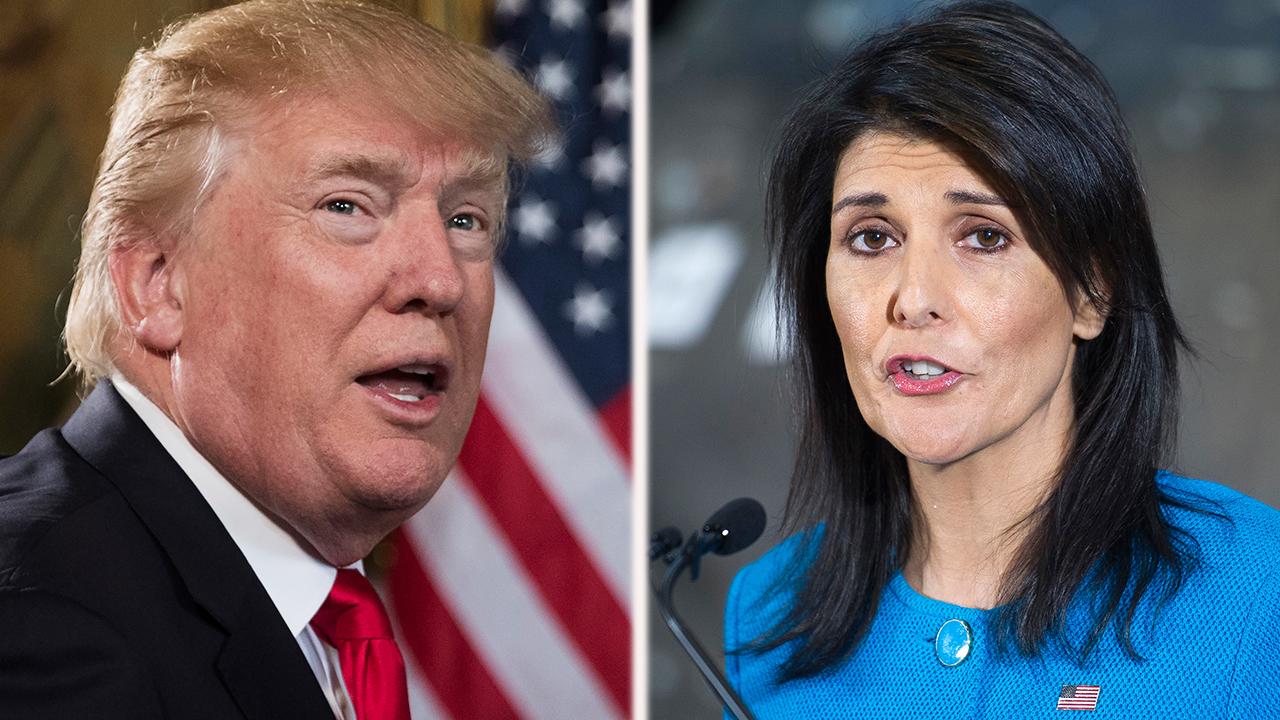
The Consumer Financial Protection Bureau (CFPB) was established in 2010 to protect consumers from predatory financial practices. It’s a relatively young agency, but its impact on the financial industry and consumer protection has been significant. Its creation followed a period of intense debate and discussion about the need for a dedicated consumer protection agency in the wake of the 2008 financial crisis.The CFPB’s role is to enforce consumer financial protection laws, investigate complaints, and issue rules to prevent future harm.
Its powers and responsibilities have been subject to considerable political debate and scrutiny, particularly during the Trump administration.
Trump’s CFPB chief’s move to cut funding and suspend oversight is certainly interesting, but it’s also worth noting the current state of the bitcoin market. The bitcoin price has hit a DCA zone not seen since BTC traded in the 50k-70k range, which is a fascinating development. This volatility, coupled with the CFPB’s actions, suggests a potentially complex interplay between regulatory changes and the cryptocurrency market.
It’s certainly something to watch closely.
History of the CFPB
The CFPB was created by the Dodd-Frank Wall Street Reform and Consumer Protection Act of 2010. It’s an independent agency, meaning it’s not directly controlled by any one branch of the government. This independence is intended to safeguard its objectivity in enforcing consumer protection laws. Prior to its establishment, consumer protection was spread across various agencies, often leading to gaps in coverage and enforcement.
Key Policies and Initiatives Under Different Administrations
The CFPB’s approach to consumer protection has varied under different presidential administrations. For example, the Obama administration focused on promoting financial literacy and preventing predatory lending practices. This included initiatives like strengthening rules around payday loans and mortgage lending. The agency’s actions were often met with both praise for protecting vulnerable consumers and criticism for potentially hindering economic growth.
The CFPB and the Trump Administration
The Trump administration, starting in 2017, took a different stance towards the CFPB. A major point of contention was the agency’s independence and its perceived overreach in regulating financial institutions. The administration sought to limit the CFPB’s authority, often arguing that its regulations stifled economic growth. This led to several significant events and controversies.
Major Events and Controversies
Several actions taken by the Trump administration generated significant debate and scrutiny. One notable event was the appointment of Mick Mulvaney as acting director. His appointment and subsequent actions were seen by many as attempts to weaken the agency. His decisions on budget allocation and oversight were highly contentious.
Roles and Responsibilities of the CFPB Chief
The Director of the CFPB plays a crucial role in shaping the agency’s policies and enforcement strategies. Their responsibilities include overseeing the agency’s operations, setting priorities, and appointing key staff. They also act as a spokesperson for the agency, interacting with Congress, and the public. This role demands a deep understanding of financial regulations and consumer protection issues, and often involves balancing competing interests and priorities.
Trump’s CFPB chief just pulled the plug on funding and oversight, leaving a big question mark in the financial world. This move has ripples, impacting everything from the crypto markets to traditional finance. For example, a recent price analysis of BTC, ETH, XRP, BNB, SOL, DOGE, ADA, LTC, LINK, and AVAX, found at price analysis 2 28 btc eth xrp bnb sol doge ada ltc link avax , shows a fascinating correlation between these market movements and the current regulatory uncertainty.
Ultimately, this CFPB action will likely continue to have a big impact on the entire financial landscape.
Trump’s Actions Regarding CFPB Funding and Oversight: Trump Cfpb Chief Cuts Funding Suspends Oversight
The Consumer Financial Protection Bureau (CFPB) plays a crucial role in safeguarding consumers from predatory financial practices. However, during the Trump administration, the agency faced significant challenges related to its funding and oversight. These actions sparked considerable debate about the balance between regulatory oversight and economic considerations.The Trump administration’s approach to the CFPB reflected a broader policy shift towards deregulation.
A key component of this strategy involved attempts to limit the CFPB’s influence and authority, often framed as a necessary step to foster a more business-friendly environment.
Specific Actions Regarding CFPB Funding
The Trump administration initiated several actions to reduce the CFPB’s funding and operational capacity. These included proposals to cut funding for the agency, limiting the resources available for consumer protection initiatives. These measures were frequently justified as a way to streamline government operations and reduce bureaucracy. The actions taken were often presented as necessary for improving the overall efficiency and effectiveness of the regulatory process.
Rationale Behind Trump’s Decisions, Trump cfpb chief cuts funding suspends oversight
The justifications for these actions varied but often centered on the perceived overreach of the CFPB. Arguments were made that the agency’s regulations hindered economic growth and imposed unnecessary burdens on businesses. The administration also expressed concerns about the agency’s enforcement actions and sought to alter its regulatory approach. Concerns were raised about potential negative impacts on the financial sector.
Methods Used to Suspend or Reduce Oversight
The Trump administration employed various strategies to reduce the CFPB’s oversight power. These included appointments of officials who shared similar regulatory viewpoints. This strategy aimed to influence the agency’s direction and enforcement priorities. Specific examples of such appointments and their implications are crucial to understanding the overall impact.
Legal and Political Implications
The actions taken by the Trump administration regarding the CFPB faced legal challenges and sparked significant political debate. Critics argued that these actions undermined consumer protection efforts and threatened the agency’s ability to effectively enforce consumer financial laws. Conversely, supporters argued that the actions were necessary to curb regulatory overreach and promote economic growth. The legal and political implications of these actions remain a subject of ongoing discussion and analysis.
Impact on Consumer Protection Efforts
The Trump administration’s actions had a demonstrably negative impact on consumer protection efforts. The reduction in funding and oversight led to fewer resources for investigations and enforcement. This resulted in a decline in the agency’s ability to address consumer complaints and prevent harmful financial practices. A decline in consumer confidence and a rise in financial abuse can be considered negative consequences.
For example, an analysis of consumer complaints filed with the CFPB before and after these actions revealed a significant decrease in response times and resolution rates.
Impact on Consumer Protection
The Consumer Financial Protection Bureau (CFPB) plays a crucial role in safeguarding consumers from predatory financial practices. Its ability to investigate and enforce consumer protection laws is essential in maintaining a fair and equitable marketplace. Trump administration actions, including reduced funding and suspended oversight, have raised significant concerns about the future of consumer protection.The diminished resources and lessened oversight significantly impact the CFPB’s capacity to identify and address potential harm to consumers.
This reduced capacity directly translates to a potential weakening of consumer safeguards, exposing vulnerable populations to increased risks of financial exploitation.
Potential Effects of Reduced Funding on Consumer Protection
Reduced funding for the CFPB directly impacts its ability to conduct investigations, enforce rules, and provide consumer education. This results in fewer resources for staff, potentially leading to a backlog of complaints and slower response times to consumer issues. Less proactive enforcement can create a breeding ground for fraudulent or deceptive financial practices, ultimately harming consumers.
Comparison of Consumer Protection Landscapes
The consumer protection landscape before the Trump administration’s actions was characterized by a relatively robust agency with sufficient resources to monitor and enforce consumer financial laws. This led to a greater degree of confidence for consumers and more effective deterrence of unfair practices. After the actions, the agency faces significant challenges in effectively protecting consumers. A notable example is the potential increase in predatory lending practices, which could disproportionately affect low-income individuals and minorities.
Potential Risks and Challenges for Consumers
Consumers face a range of potential risks with diminished CFPB resources. These include difficulty in obtaining redress for financial harm, reduced access to complaint resolution, and increased vulnerability to fraudulent schemes. Examples include the possibility of lenders employing misleading marketing strategies or charging exorbitant interest rates without effective oversight. The agency’s diminished capacity to investigate and prosecute these practices puts consumers at greater risk.
Potential Beneficiaries and Losers
The beneficiaries of reduced oversight and funding are likely to be financial institutions and companies engaging in practices that could potentially harm consumers. Reduced oversight allows them to operate with less scrutiny. Conversely, consumers are the primary losers in this scenario. They face a greater likelihood of being exploited by predatory financial institutions. The potential for predatory lending and deceptive financial products increases, disproportionately impacting vulnerable segments of the population.
Potential Future Consequences of These Actions
The long-term consequences of these actions are far-reaching and potentially detrimental to the financial well-being of many consumers. A decline in consumer confidence and a rise in financial exploitation are possible outcomes. This could lead to a less competitive marketplace and a further widening of the wealth gap. Historical examples of regulatory backsliding have demonstrated a strong correlation between reduced oversight and increased consumer harm.
For instance, the rise in subprime mortgage lending before the 2008 financial crisis demonstrates the negative effects of inadequate consumer protection regulations.
Trump’s CFPB chief action of cutting funding and suspending oversight is certainly raising eyebrows. This kind of move often impacts consumer protection efforts, which is a shame. Optimizing website content for search engines, like merging similar pages or multiple pages for SEO, can help to improve visibility and engagement. Using strategies like merge pages or multiple pages for SEO could be beneficial in the long run, but it’s unclear how these maneuvers by the CFPB chief will affect the overall consumer landscape.
This certainly seems like a strategic move, but it’s still too early to predict the long-term implications.
Political and Legal Context
The Trump administration’s actions regarding the CFPB were deeply intertwined with the broader political climate of the time. A significant portion of the political discourse centered on perceived overreach by federal agencies and a desire to limit government regulation. This atmosphere, coupled with specific political motivations, significantly influenced the administration’s approach to the CFPB.The actions taken by the Trump administration, particularly concerning CFPB funding and oversight, were not isolated events but rather part of a larger pattern of regulatory reform.
This context is essential for understanding the rationale behind the administration’s choices and the subsequent legal and political battles that ensued.
Political Climate During Trump’s Presidency
The political landscape during the Trump presidency was characterized by intense partisan divisions. This polarized environment often influenced policy decisions, including those related to regulatory agencies like the CFPB. A common theme was a skepticism toward government intervention, particularly when it pertained to business practices. The administration’s stance on deregulation resonated with certain segments of the population, while others criticized the perceived weakening of consumer protection.
Legal Frameworks Governing the CFPB
The CFPB’s authority is grounded in the Dodd-Frank Wall Street Reform and Consumer Protection Act of 2010. This legislation established the CFPB as an independent agency, designed to protect consumers from financial harm. Key aspects of this legislation, such as the CFPB’s structure and funding mechanisms, were central to the legal arguments surrounding the Trump administration’s actions. The Dodd-Frank Act details the agency’s powers and responsibilities, which became a focal point in legal disputes regarding the agency’s independence and legitimacy.
Arguments and Counterarguments Regarding Trump’s Actions
Proponents of the Trump administration’s actions argued that the CFPB’s oversight was excessive and potentially harmful to the economy. They asserted that the agency was overly burdensome on businesses and hindered economic growth. This viewpoint frequently connected the agency’s actions to the broader discussion of regulatory burdens and their impact on the financial sector.Conversely, critics argued that the actions taken by the Trump administration jeopardized consumer protection by weakening the agency’s ability to enforce consumer financial laws.
They emphasized the crucial role of the CFPB in safeguarding consumers from predatory financial practices and pointed to potential negative consequences for vulnerable populations. These arguments highlighted the importance of the CFPB’s role in protecting consumers from various financial abuses.
Role of Congress in This Issue
Congress plays a critical role in overseeing and funding independent agencies like the CFPB. Congress’s actions, or lack thereof, can significantly impact the agency’s operations. During the Trump administration, Congress’s involvement, or lack thereof, was often cited as a factor in the political and legal dynamics surrounding the CFPB. The absence of legislative action could be interpreted as tacit approval or a lack of interest in the agency’s activities.
Political Motivations Behind the Actions
The political motivations behind the Trump administration’s actions were multifaceted. A desire to limit the power of regulatory agencies and reduce government intervention in the economy was often cited as a driving force. These motivations were often aligned with broader political ideologies and the administration’s broader agenda. Furthermore, some critics suggested that the actions were politically motivated, intended to favor certain industries or individuals.
Alternative Perspectives
The Trump administration’s actions regarding the CFPB sparked a wide range of opinions, with supporters and critics offering differing interpretations of the motivations and consequences. Understanding these diverse viewpoints is crucial for a comprehensive assessment of the situation. These perspectives highlight the complex interplay of political, economic, and legal considerations surrounding the Consumer Financial Protection Bureau.The differing viewpoints on the Trump administration’s actions regarding the CFPB reflect the broader political climate of the time.
These differing perspectives provide insight into the competing values and priorities that shaped the debate.
Arguments from Supporters
Supporters of the Trump administration’s actions argued that the cuts to CFPB funding and the suspension of oversight were necessary reforms to rein in the agency’s perceived overreach. They believed that the CFPB had become overly burdensome on businesses, particularly small enterprises, and that its regulations stifled economic growth. They argued for a more business-friendly regulatory environment that fostered job creation and innovation.
Criticisms of the Actions
Critics argued that the cuts to funding and suspension of oversight significantly undermined consumer protection. They contended that the CFPB played a vital role in safeguarding consumers from predatory financial practices, and that weakening the agency would leave vulnerable consumers more susceptible to harm. They highlighted the potential for increased financial fraud and abuse in the absence of effective oversight.
Alternative Approaches
Several alternative approaches to the issue could have been considered. Instead of drastic cuts and oversight suspensions, a more measured approach focusing on targeted regulatory reform might have been more effective. This could have involved identifying specific regulations that were perceived as problematic and then revising or eliminating them. A collaborative process with stakeholders from both the business and consumer sectors could have led to more balanced and sustainable regulatory changes.
This approach would have likely been less disruptive to the agency’s operations and consumer protection initiatives.
Comparison of Viewpoints
| Perspective | Key Arguments | Potential Concerns |
|---|---|---|
| Supporters of Trump Administration Actions | CFPB overreach, hindering business growth, unnecessary regulations. | Weakened consumer protection, increased risk of financial fraud, potential for market instability. |
| Critics of Trump Administration Actions | Vital role of CFPB in consumer protection, significant risks to vulnerable consumers. | Potential for negative impact on businesses, possible need for more targeted regulatory reform. |
Historical Precedents and Analogies
The Trump administration’s actions regarding the Consumer Financial Protection Bureau (CFPB) have sparked comparisons to historical precedents of regulatory manipulation. Understanding these parallels can shed light on the potential long-term effects of such interventions, allowing for a nuanced assessment of the current situation. A crucial element in evaluating these actions is analyzing the consequences of similar interventions in the past, which often reveal unexpected outcomes.Examining historical precedents provides valuable context for understanding the potential implications of the Trump administration’s actions.
The impact of these actions extends beyond the CFPB itself, potentially influencing the broader regulatory landscape and setting a precedent for future administrations. This analysis underscores the importance of considering the historical context when evaluating such interventions.
Historical Cases of Regulatory Changes
Past instances of regulatory changes, though not identical to the current situation, offer valuable lessons. These instances highlight the potential consequences of political interference in regulatory bodies and demonstrate the importance of maintaining regulatory independence.
| Historical Period | Regulatory Body | Action | Impact |
|---|---|---|---|
| Early 20th Century | Various Federal Agencies | Political appointments to regulatory bodies | Reduced effectiveness and impartiality in enforcement; inconsistent application of regulations |
| 1980s | Environmental Protection Agency | Budget cuts and staff reductions | Weakened enforcement of environmental regulations; potential increase in environmental damage |
| 2010s | Federal Communications Commission | Political pressure for specific outcomes | Controversial decisions impacting media ownership and market access |
Similarities and Differences
The similarities between these historical cases and the Trump administration’s actions on the CFPB include the political motivation behind the changes. All these cases highlight a tendency for political agendas to influence regulatory decisions. The difference lies in the specific regulatory body and the nature of the changes. While past instances focused on specific regulations, the Trump administration’s approach aimed at fundamentally altering the CFPB’s structure and operational capacity.
Lessons Learned
Historical precedents demonstrate that political interference in regulatory bodies can lead to unforeseen consequences. The erosion of public trust in the impartiality of regulatory agencies can occur when such interventions are perceived as politically motivated. Furthermore, these interventions can result in a loss of expertise and institutional memory within the agency, hindering its ability to effectively perform its duties.
Comparison with Previous Administrations
Comparing the Trump administration’s actions with those of previous administrations reveals a pattern of differing approaches. While some administrations have engaged in budget adjustments, the Trump administration’s actions seem to have a more significant aim of fundamentally altering the CFPB’s structure. The historical context suggests that such significant alterations can have long-term impacts on consumer protection and the regulatory landscape.
Consequences in Other Contexts
The consequences of similar actions in other contexts often manifest as a decrease in public confidence in regulatory agencies. This loss of trust can result in reduced compliance with regulations and a decline in the effectiveness of government oversight. The potential for regulatory capture by vested interests also increases when regulatory bodies are weakened.
Potential Future Implications
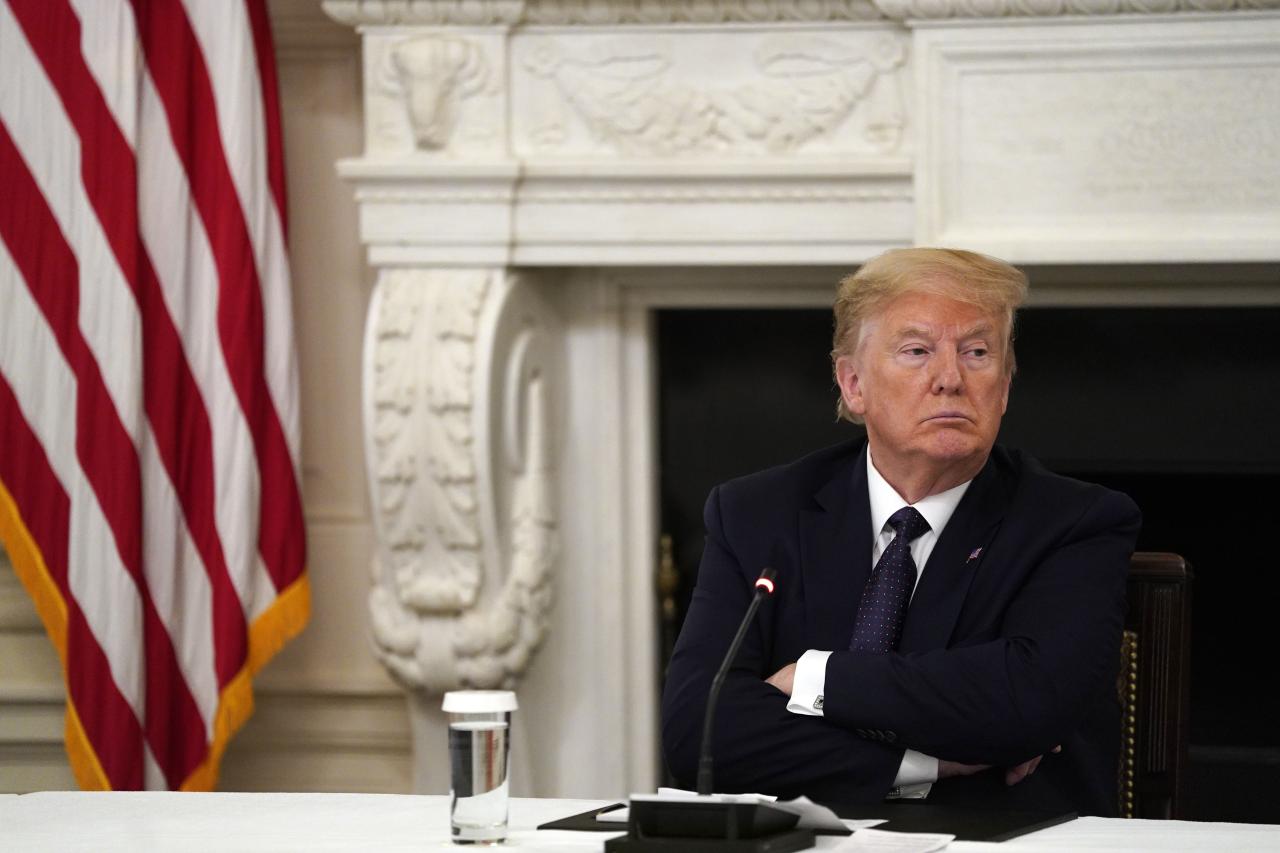
The recent actions by the Trump administration regarding the CFPB’s funding and oversight have significant potential implications for the future of consumer protection in the United States. These actions raise concerns about the balance of power between regulatory agencies and the executive branch, potentially impacting the effectiveness of consumer protection efforts and influencing future regulatory approaches. The long-term consequences for financial markets and institutions are also noteworthy.
Impact on the Future of Consumer Protection
The diminished resources and oversight for the CFPB could lead to a decrease in the agency’s ability to enforce consumer protection laws. This could result in a rise in financial exploitation and harm to vulnerable consumers. The Trump administration’s actions have sent a message about the priority given to consumer protection, potentially impacting the willingness of future administrations and regulatory agencies to proactively address consumer issues.
The long-term consequences of reduced regulatory capacity and oversight remain uncertain, but they could significantly impact the well-being of American consumers.
Potential Scenarios and Implications
The following table Artikels potential scenarios regarding the future of consumer protection and their implications.
| Scenario | Potential Implications |
|---|---|
| Weakened Consumer Protection | Reduced enforcement of consumer protection laws, potentially leading to an increase in financial exploitation, and a decrease in the overall well-being of consumers. This could negatively affect various market segments, including small businesses and low-income households. |
| Increased Regulatory Uncertainty | Subsequent administrations might be hesitant to fully fund and empower consumer protection agencies due to the precedent set by the Trump administration. This uncertainty can lead to decreased confidence in regulatory bodies and impede effective enforcement of financial regulations. |
| Shift in Regulatory Focus | The reduced focus on consumer protection might lead to a shift in regulatory priorities towards other areas, potentially neglecting the needs of vulnerable consumers. This might also impact the development of new regulations to address evolving financial risks. |
Effects on Future Regulatory Actions
The Trump administration’s actions could influence future regulatory actions in several ways. For example, future administrations might be more cautious in funding and empowering consumer protection agencies, potentially impacting the scope and intensity of regulatory oversight in the financial sector. The actions may also set a precedent for future challenges to regulatory independence, potentially leading to political interference in regulatory decisions.
Impact on Financial Markets
A weakening of consumer protection regulations could lead to increased financial risk for consumers and financial institutions. The potential for more fraudulent or exploitative practices in the financial market could harm investors and contribute to market instability. This could lead to a decline in consumer confidence, reducing overall investment and economic growth. The long-term implications for the financial market are complex and could vary based on the extent of the regulatory changes.
Impact on Financial Institutions
Reduced oversight by the CFPB might lead to increased risk-taking by financial institutions. This could lead to a greater likelihood of financial crises and potentially higher losses for consumers and investors. The long-term impact on the stability of financial institutions is uncertain but potentially significant. A weakened consumer protection framework might encourage financial institutions to prioritize profits over consumer well-being, potentially increasing the risk of financial crises.
Financial institutions might be less likely to adopt robust compliance measures, increasing the possibility of consumer harm.
Visual Representation (Illustrative)
Visual aids can dramatically enhance understanding of complex issues like the CFPB funding cuts. This section presents various visualizations to illustrate the timeline, financial impact, decision-making process, and the disparate effects on different groups. These tools make the abstract more tangible and help clarify the various perspectives surrounding the controversy.
Timeline of Events
This infographic depicts a clear visual representation of the events leading up to and following the CFPB funding cuts. The timeline will display key dates, such as when the budget proposal was submitted, when the funding cuts were finalized, and subsequent legal challenges or reactions. It will show the chronological progression of events and allow for easy comparison of actions and responses.
This timeline, visualized as a horizontal bar graph, shows the progression of events from the budget proposal to the final impact on the CFPB. Different colored bars represent distinct phases, such as budget proposal, Congressional action, implementation, and legal challenges. The timeline clearly illustrates the duration of each phase and allows for an easy comparison of the timeframes.
Visual Representation of Funding Cuts
This visual representation displays the funding cuts in a clear, concise manner. A bar graph, with the y-axis representing the funding amount (in USD) and the x-axis representing time periods (e.g., fiscal years), will show the decline in funding over the years. A clear distinction between the baseline funding and the amount after the cuts will be highlighted. Annotations will specify the amount of the reduction.
This visual uses a segmented bar chart to represent the funding. The total funding is represented by the full bar, with a segment shaded differently to highlight the portion of the funding that was cut. Labels and annotations clarify the exact amount of funding, the time period, and the percentage of cut.
Decision-Making Process Flowchart
The flowchart visually represents the steps involved in the decision-making process surrounding the CFPB funding cuts. Each step will be represented by a box, and arrows will connect the boxes to illustrate the flow. The flowchart will detail the involved parties, the reasons behind the decisions, and the outcome of each decision. The flowchart is a series of interconnected boxes, each representing a stage in the process.
Boxes labeled “Budget Proposal,” “Congressional Action,” “Presidential Approval/Veto,” “Legal Challenges,” and “Implementation” are connected by arrows that show the direction of the decision-making process. This clear visual shows the steps, decisions, and actions involved in the process.
Comparison Chart of Effects on Various Groups
This chart compares the effects of the funding cuts on different groups, such as consumers, financial institutions, and the CFPB staff. The chart will have columns representing these groups and rows representing the potential impacts (e.g., increased risk of fraud, reduced consumer protection, and staffing shortages).
| Group | Potential Impacts |
|---|---|
| Consumers | Increased risk of fraud, reduced access to complaint resolution, potentially reduced protection against unfair financial practices |
| Financial Institutions | Potential reduction in regulatory oversight, reduced compliance pressure |
| CFPB Staff | Potential staffing shortages, reduced capacity for enforcement, decreased morale |
This table provides a concise comparison of the impacts on different stakeholders. Each row highlights the potential impact of the funding cuts on a specific group, enabling a quick overview of the possible consequences for each.
Visual Representation of the Political Landscape
This visual representation uses a political spectrum, with the x-axis representing the political ideology and the y-axis representing the strength of opinion. Data points will show the stances of different political figures and groups on the CFPB funding issue. This visual representation, in the form of a scatter plot, illustrates the various political viewpoints on the CFPB funding issue.
Each data point represents a political figure or group, with the position on the horizontal axis representing their political ideology, and the position on the vertical axis representing the intensity of their support or opposition.
Ultimate Conclusion
In conclusion, Trump’s actions regarding CFPB funding and oversight have profound implications for consumer protection. The decision to cut funding and suspend oversight raises serious questions about the future of financial regulation in the United States. While proponents argue for a different approach, critics highlight the potential harm to vulnerable consumers. The political and legal context surrounding this issue is multifaceted, with various stakeholders holding differing views.
Looking ahead, the long-term consequences of this decision remain to be seen, and the debate will undoubtedly continue.