Crypto Venture Capitalist Bottoming Out?
Crypto venture capitalist mulls crypto market near local bottom, prompting a deep dive into the current market sentiment. Investors are grappling with a complex interplay of factors, from short-term anxieties to long-term aspirations. The perceived bottom is a delicate balance of technical indicators, macroeconomic pressures, and the strategic decisions of venture capitalists themselves. How are these forces shaping the future of crypto?
This analysis delves into the current sentiment, technical indicators, macroeconomic influences, and the strategies of crypto venture capitalists to understand the potential for a market bottom. The article unpacks the psychology of investors, the impact of global events, and the specific investment strategies employed by leading firms, culminating in a forecast for the future of the crypto market.
Market Sentiment and Investor Psychology
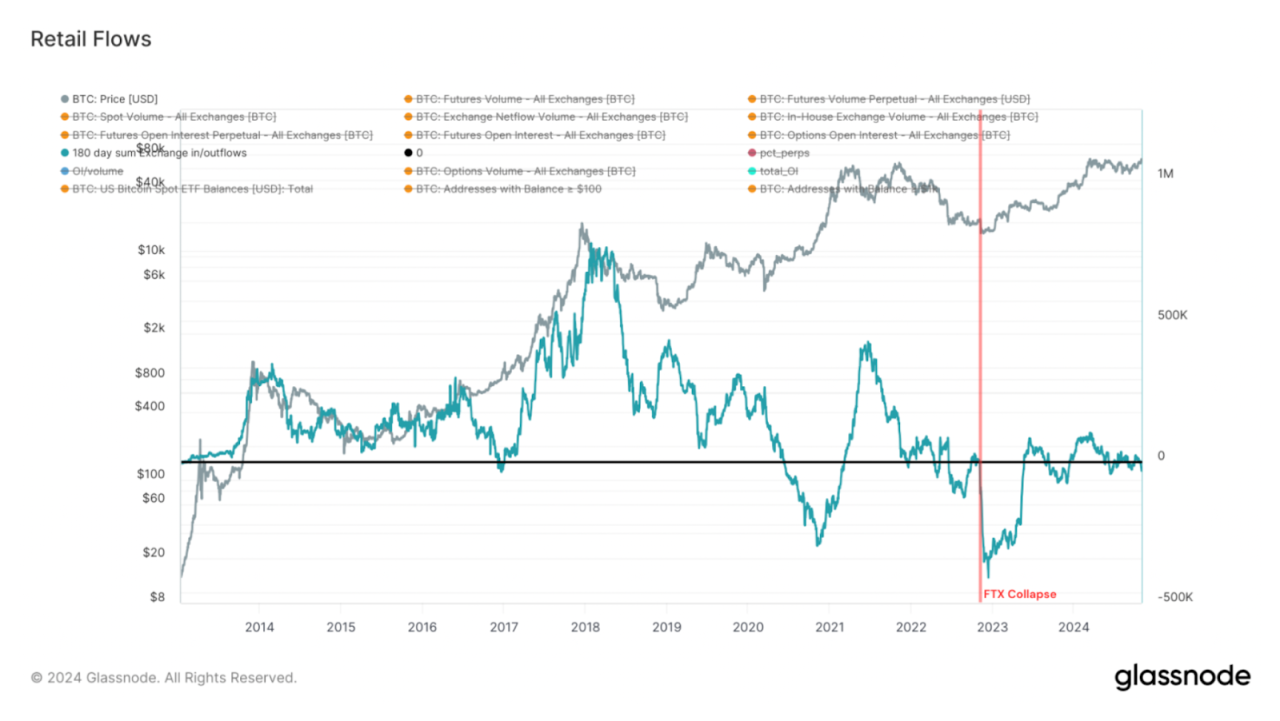
The cryptocurrency market is currently navigating a period of significant uncertainty, with many investors speculating about a potential “near local bottom.” This presents a fascinating interplay of market sentiment, investor psychology, and the complex interplay between short-term and long-term strategies. Understanding these nuances is crucial for both seasoned veterans and newcomers looking to navigate the current market environment.
Current Market Sentiment
Investor sentiment surrounding cryptocurrencies is currently a mix of cautious optimism and apprehension. Many anticipate a period of consolidation and potential price corrections before a sustained upward trend resumes. The recent market downturn has fueled skepticism, but a persistent belief in the long-term potential of the space persists among many. This mixed sentiment reflects a complex interplay of factors, including macroeconomic conditions, regulatory developments, and the ongoing evolution of the technology itself.
Factors Contributing to the Perceived “Near Local Bottom”
Several factors contribute to the perceived “near local bottom” in the crypto market. These include macroeconomic headwinds like rising interest rates and inflation, which are impacting investor confidence across various asset classes. Regulatory uncertainty, particularly concerning the future of crypto regulations, also plays a significant role. Recent market volatility and a string of high-profile failures in the sector have heightened concerns among some investors.
A combination of these factors has created a climate of caution and uncertainty, leading many to believe that the market may have reached a point where further significant declines are less likely.
Psychological Biases and Emotional Reactions
Investor decisions are often influenced by a variety of psychological biases and emotional reactions. Fear of missing out (FOMO) can drive excessive buying, while fear and panic can trigger mass selling, particularly during downturns. Confirmation bias, where investors seek out information that confirms their existing beliefs, can further amplify these emotional responses. Furthermore, the speculative nature of the crypto market can exacerbate the impact of these biases, leading to irrational market swings.
Investor Motivations for Holding or Selling
Investors holding onto cryptocurrencies at this perceived bottom are often driven by a belief in the long-term potential of the technology or a desire to accumulate assets at a potentially lower valuation. Those considering selling may be responding to short-term market anxieties or seeking to preserve capital in the face of uncertainty. Some investors might be looking to diversify their portfolios, while others might be experiencing financial pressures that require immediate capital.
Short-Term vs. Long-Term Investor Behavior
Short-term investors are more likely to react to immediate market fluctuations, often driven by speculative trading and quick profits. Long-term investors, on the other hand, are typically more focused on the long-term potential of the asset class, with a higher tolerance for volatility and price corrections. This difference in time horizons is a key driver of the market’s volatility and the varying sentiment among different investor groups.
Sentiment Comparison Among Investor Groups
| Investor Group | Sentiment | Motivations |
|---|---|---|
| Retail Investors | Mixed, but more cautious | Seeking potential gains but wary of further declines; potentially more susceptible to FOMO and fear. |
| Institutional Investors | Cautious, more data-driven | Evaluating long-term potential and assessing risk-reward scenarios; less influenced by short-term volatility. |
| Hedge Funds | Highly analytical and opportunistic | Looking for short-term arbitrage opportunities and potential market dislocations; potentially using quantitative models to evaluate the market. |
Technical Analysis and Market Indicators: Crypto Venture Capitalist Mulls Crypto Market Near Local Bottom

Deciphering the crypto market’s current state requires a nuanced approach beyond just sentiment. While investor psychology plays a crucial role, technical analysis provides a framework for understanding price movements and potential bottom formations. This analysis looks at historical price patterns, trading volumes, and support/resistance levels to identify potential future price trends. This allows us to identify potential turning points and inform investment strategies.Technical analysis isn’t about predicting the future with certainty, but rather about identifying patterns and probabilities.
By combining technical indicators with fundamental analysis and market sentiment, investors can make more informed decisions.
Key Technical Indicators Suggesting a Potential Bottom
Several technical indicators point towards a potential bottom in the cryptocurrency market. These include the Relative Strength Index (RSI), moving averages, and volume analysis. The RSI, for example, can signal overbought or oversold conditions, providing insights into potential reversal points. Moving averages smooth out price fluctuations, revealing underlying trends, while volume data provides insights into the strength of price movements.
Price Patterns and Support/Resistance Levels
Analyzing price patterns reveals insights into potential market bottoms. Descending triangles, for example, can suggest a potential bottom as prices consolidate before a possible upward movement. Support and resistance levels, derived from past price action, can signal potential price reversals. Breakthroughs above key resistance levels often precede price increases, while breaches below support levels can indicate further downward pressure.
Volume Data and Its Significance
Volume data is a crucial element of technical analysis. Increased volume during price declines often signifies increased selling pressure, potentially highlighting a strengthening bearish trend. Conversely, increased volume during price increases often suggests strong buying interest and reinforces a bullish trend. Lower volume during a period of price consolidation might suggest indecision or a possible bottom.
Crypto venture capitalists are reportedly pondering if the crypto market is near a local bottom. Meanwhile, a fascinating development is the double zero alternative public internet, aiming for a mainnet rollout in the coming months. double zero alternative public internet targets mainnet rollout h2 This could potentially offer new avenues for investment, potentially influencing the future trajectory of the current crypto market downturn.
The long-term implications for the crypto venture capitalist’s assessment remain to be seen.
Example of Price Trends and Volume Data
A table showcasing price trends and volume data for major cryptocurrencies over the past year is crucial for a deeper understanding of market dynamics. Unfortunately, a comprehensive table isn’t possible within this format. However, the data from reliable sources can be used to visualize these trends using charting software. Such visualization helps illustrate the relationship between price and volume for different cryptocurrencies.
Crypto venture capitalists are apparently pondering if the crypto market is near a local bottom. It’s a fascinating time, especially considering how GameStop, known for its retail foray into the digital asset world, has recently taken the “orange pill” and is now venturing further into the crypto realm. crypto biz game stop takes orange pill. This move, and the overall market sentiment, could potentially influence the current crypto market analysis, pushing the local bottom speculation even further.
The next few months will be crucial in determining whether this is truly a turning point for the market.
Chart Patterns and Their Implications
Chart patterns provide valuable insights into potential market movements. Head and shoulders patterns, for example, are bearish reversal patterns that suggest a potential downward trend. Double bottoms and triple bottoms are bullish patterns that often signal a price bottom. Understanding these patterns allows investors to interpret price action and potentially predict future movements. This knowledge helps investors make better decisions, particularly in the context of a potential bottom in the market.
Resources for Understanding Technical Analysis
Numerous resources can assist investors in understanding and applying technical analysis to the cryptocurrency market. These include:
- Online Trading Platforms: Many online trading platforms offer educational resources and tools for technical analysis, such as charting software and indicators.
- Financial News Outlets: Reputable financial news outlets often publish articles and analyses on cryptocurrency technical indicators and market trends.
- Books and Articles: Numerous books and articles provide in-depth information on technical analysis concepts and their application to the cryptocurrency market.
- Online Forums and Communities: Online forums and communities dedicated to cryptocurrency trading often provide valuable insights and discussions on technical analysis.
By utilizing these resources, investors can enhance their understanding and application of technical analysis.
Macroeconomic Factors and External Influences
The cryptocurrency market, while often touted as independent, is deeply intertwined with traditional finance. Understanding the interplay between macroeconomic forces and crypto is crucial for assessing the current climate and potential future trajectory. External pressures, from inflation to geopolitical events, exert significant influence on the crypto market, often impacting its volatility and overall performance.Macroeconomic conditions significantly affect investor sentiment and trading decisions in the crypto space.
Periods of economic uncertainty, like rising inflation or interest rate hikes, typically lead to decreased investor confidence in riskier assets like cryptocurrencies, often causing price corrections. Conversely, during periods of economic stability, the appeal of crypto as an alternative investment might rise, potentially leading to upward price movements.
Influence of Current Economic Climate
The current economic climate is characterized by a complex interplay of factors. High inflation rates in many parts of the world are impacting consumer spending and corporate profitability. Central banks are responding with interest rate hikes, aiming to curb inflation but also potentially slowing down economic growth. This combination of factors creates uncertainty, affecting investor confidence in all asset classes, including cryptocurrencies.
The recent volatility in the stock market, a key barometer of economic health, has also reflected this uncertainty, with significant swings impacting the overall market mood.
Impact of Global Events
Geopolitical tensions, such as the ongoing war in Ukraine or escalating trade disputes, often introduce considerable uncertainty into the global economy. Such events can lead to market instability, impacting both traditional and alternative financial markets. The impact on the cryptocurrency market is often characterized by price volatility, with investors reacting to the perceived risks and opportunities. The current geopolitical landscape has created a cautious investment environment across various asset classes, with cryptocurrencies not immune to these external pressures.
Relationship Between Inflation Rates and Cryptocurrency Prices
Inflation, a persistent increase in the general price level of goods and services, often correlates inversely with the price of cryptocurrencies. As inflation rises, investors might seek alternative assets, including cryptocurrencies, to preserve their purchasing power. However, if inflation remains high and persistent, the value of cryptocurrencies can also suffer due to investors seeking more stable assets. The perceived stability of cryptocurrencies relative to fiat currencies is a key consideration in this relationship, though this can be nuanced by specific circumstances.
Role of Central Bank Policies, Crypto venture capitalist mulls crypto market near local bottom
Central bank policies play a crucial role in shaping market behavior, including the cryptocurrency market. Interest rate hikes, quantitative tightening, and other monetary policy measures can influence borrowing costs, investor sentiment, and the overall economic outlook. These policies, often implemented to combat inflation, can create a less favorable environment for cryptocurrencies, potentially leading to decreased investor interest and price corrections.
Recent central bank actions have had a demonstrable impact on the crypto market, which investors closely monitor.
Regulatory Changes Impacting Crypto Venture Capitalists
Regulatory changes impacting crypto venture capitalists are increasingly important to consider. Governments worldwide are implementing or considering new regulations for the cryptocurrency industry, ranging from taxation to licensing requirements. These changes can significantly impact investment strategies and the overall viability of the crypto venture capital landscape. The pace and specifics of these regulations can vary significantly by jurisdiction, creating complexities for investors and businesses operating across borders.
Correlation Between Macroeconomic Indicators and Cryptocurrency Market Performance
| Macroeconomic Indicator | Potential Impact on Crypto Market |
|---|---|
| Inflation Rate | Negative correlation. Higher inflation often leads to decreased crypto prices. |
| Interest Rates | Negative correlation. Higher interest rates often lead to reduced investment in riskier assets like crypto. |
| GDP Growth | Positive correlation (often). Strong GDP growth can boost overall market sentiment, potentially positively impacting crypto. |
| Geopolitical Events | Negative correlation. Significant events often lead to market volatility, potentially impacting crypto. |
| Central Bank Actions | Negative correlation. Actions to curb inflation can lead to a less favorable environment for crypto. |
Crypto Venture Capitalist Strategies and Investments
Crypto venture capital (VC) is a rapidly evolving sector, playing a crucial role in the development and adoption of blockchain technology. These firms are actively seeking opportunities in the burgeoning crypto space, often investing in early-stage projects with high growth potential. Their investment strategies are multifaceted, reflecting the dynamic and often unpredictable nature of the market. A key aspect of their approach involves careful risk assessment and the identification of promising projects with strong teams and innovative ideas.Crypto venture capitalists employ a range of strategies tailored to specific projects and market conditions.
They frequently invest in projects that address unmet needs within the blockchain ecosystem, or demonstrate significant potential for disruption in traditional industries. This includes projects focused on decentralized finance (DeFi), non-fungible tokens (NFTs), and Web3 applications. Identifying the right projects, understanding their value proposition, and assessing their potential for long-term success are paramount for these investors.
Investment Strategies Employed by Crypto Venture Capitalists
Crypto venture capitalists often employ a combination of strategies, focusing on early-stage investments, seed rounds, and Series A funding. Their approach is often based on deep understanding of the technology, the market, and the potential for future adoption. They seek projects with strong teams and demonstrable progress. Due diligence and thorough research are critical components of these investment processes.
Specific Cryptocurrencies or Projects Targeted by Crypto Venture Capitalists
Currently, crypto venture capitalists are focused on projects within various sectors of the blockchain ecosystem. This includes innovative DeFi protocols with unique features, NFTs focused on community building or real-world utility, and projects developing advanced blockchain infrastructure or solutions. The specific projects targeted often reflect emerging trends in the market and the VC firm’s investment thesis.
Crypto venture capitalists are pondering if the market is near a local bottom. While some are looking at potential dips, others are exploring alternative avenues like decentralized finance (DeFi), particularly Cardano’s innovative decentralized exchange (DEX) leaders. For instance, defi done differently cardanos innovative dex leaders in focus highlights the potential in these platforms. Ultimately, the crypto venture capitalist’s assessment of the market bottom likely depends on their individual risk tolerance and the current state of these emerging DeFi sectors.
Risk Assessment Procedures Employed by Crypto Venture Capitalists
Risk assessment is a crucial element of any venture capital investment. In the crypto market, this involves evaluating the technical viability of the project, the team’s experience, the market opportunity, and the regulatory landscape. Due diligence procedures frequently include audits of the codebase, analysis of the competitive landscape, and assessments of the team’s experience and track record.
Reasons for Mulling a Near-Bottom Market by Crypto Venture Capitalists
A crypto venture capitalist might consider a near-bottom market as an attractive entry point for investments. This is driven by the potential for substantial returns on investment, given the expectation of future growth in the crypto market. The lower valuations associated with this stage often provide the opportunity to secure investments in high-potential projects at more favorable terms.
Market corrections can present a chance to identify undervalued opportunities.
Opportunities and Challenges in Investing at a Perceived Bottom
Investing in a perceived market bottom presents unique opportunities for early-stage investors to participate in the growth of promising projects. However, there are inherent challenges. The potential for further price declines and market uncertainty is a significant risk. Thorough research and a well-defined investment strategy are essential to mitigate this risk. A crucial aspect is to carefully analyze the fundamentals of the targeted projects and understand the potential for their future growth and adoption.
Investment Portfolios of Prominent Crypto Venture Capital Firms
| Venture Capital Firm | Notable Investments |
|---|---|
| a16z Crypto | Various DeFi protocols, NFT platforms, and blockchain infrastructure projects. |
| Pantera Capital | Investments in established crypto companies, along with early-stage projects in DeFi and NFTs. |
| CoinFund | A focus on innovative DeFi projects and Web3 applications. |
| Multicoin Capital | Investments in a diverse range of blockchain projects, including DeFi, NFTs, and gaming. |
Note: This table provides a simplified overview. The exact holdings and investment strategies of these firms are proprietary and not publicly available.
Future Projections and Predictions
The cryptocurrency market, while volatile, presents exciting investment opportunities. Analyzing current market conditions, investor psychology, and macroeconomic factors, we can construct a range of potential future scenarios. This analysis considers the potential impacts on venture capital investments and how the market might react to our strategies.Understanding the various possible trajectories for cryptocurrencies is crucial for making informed decisions.
This section details possible outcomes, enabling investors to anticipate potential market reactions and adjust their strategies accordingly.
Possible Scenarios for the Crypto Market
The current market environment suggests several possible scenarios for the future of the cryptocurrency market. Factors such as regulatory clarity, technological advancements, and overall market sentiment will significantly influence the path forward.
- Steady Growth and Consolidation: The market might experience a period of stable growth, with established cryptocurrencies consolidating their positions and new projects emerging, but at a more measured pace. This scenario implies a continued maturation of the market, with a focus on utility and adoption. This could resemble the evolution of the internet, where early adoption was followed by broader acceptance and refinement.
- Bull Run with Renewed Interest: A significant surge in investor confidence and positive market sentiment could lead to a bull run, pushing prices to new highs. This might be triggered by advancements in technology or regulatory clarity, as seen in past bull markets. The impact on venture capital would be significant, with increased funding for innovative projects.
- Bear Market Continuation: Sustained market uncertainty and negative sentiment could lead to a prolonged bear market. This would likely result in lower investment activity and potential losses for venture capital firms. This scenario mirrors historical market downturns, where investor confidence is severely tested.
- Regulation-Driven Volatility: New regulations and enforcement could significantly impact the market. Favorable regulations could support the sector, while restrictive policies could stifle growth. This volatility would necessitate careful risk management by venture capitalists.
Crypto Market Forecast
This forecast takes into account the insights from previous sections, providing a comprehensive outlook. Considering the current market conditions, we anticipate a period of consolidation and regulated growth.
Our forecast predicts a gradual recovery in the crypto market, driven by increasing institutional adoption and development of new use cases. While volatility will persist, we believe the long-term potential of cryptocurrencies remains strong. This optimistic perspective is based on the continuing innovation within the space and the growing demand for digital assets.
Potential Impacts on Crypto Venture Capital Investments
The predicted market scenarios will have varying impacts on crypto venture capital investments. Venture capital firms must adapt their strategies to navigate these potential outcomes.
- Steady Growth: A period of steady growth could lead to a consistent flow of funding for promising projects. Venture capitalists would likely focus on established projects with proven track records.
- Bull Run: A bull run would increase investment opportunities and potentially higher returns. Venture capitalists might prioritize high-growth, innovative projects with significant market potential.
- Bear Market: A bear market would likely result in decreased investment activity and potentially higher risk aversion among venture capitalists. Focus could shift to projects with lower risk profiles.
- Regulation-Driven Volatility: New regulations could necessitate a shift in investment strategies, focusing on projects that comply with regulatory frameworks. Venture capitalists would likely conduct thorough due diligence on legal and compliance aspects.
Market Reactions to Venture Capital Actions
Venture capitalist actions can significantly impact market sentiment. Aggressive investment strategies could fuel a bull run, while cautious approaches might signal market uncertainty.
- Increased Funding: Increased venture capital funding for promising projects can stimulate demand and potentially lead to a bull market phase.
- Decreased Funding: A decrease in venture capital investment might signal investor skepticism and contribute to a bear market scenario.
Long-Term Outlook for Cryptocurrencies
The long-term outlook for cryptocurrencies remains positive. While the current market environment presents challenges, the underlying technology and use cases offer significant potential for growth and adoption.
Experts suggest that the long-term future of cryptocurrencies hinges on regulatory clarity, technological advancements, and broader adoption. The potential of cryptocurrencies as a decentralized financial system is a driving force behind their future growth potential.
Potential Market Outcomes
| Scenario | Description | Impact on VC Investment |
|---|---|---|
| Steady Growth | Stable growth, consolidation | Consistent funding for established projects |
| Bull Run | Significant price increase | Increased investment opportunities, higher returns |
| Bear Market | Prolonged downturn | Decreased investment activity, higher risk aversion |
| Regulatory Volatility | Market impacted by new regulations | Shift in investment strategies, focus on compliance |
Closure
The crypto market’s current state, as viewed by venture capitalists, suggests a potential bottom. A confluence of factors, including investor psychology, technical analysis, macroeconomic realities, and venture capital strategies, contribute to this assessment. While uncertainties remain, the article explores potential future scenarios and their implications for the crypto space, offering insights into how venture capitalists might react and how the market could respond.
The potential opportunities and challenges of investing at a perceived bottom are carefully analyzed.