CFTC Crypto Forum Digital Asset Pilot Programs
The CFTC crypto forum digital asset pilot program is poised to reshape the future of digital asset regulation. This initiative brings together regulators, market participants, and industry experts to test and refine new approaches to governing the burgeoning crypto market. This detailed exploration delves into the forum’s objectives, the various pilot programs, and their potential impact on the crypto landscape.
The CFTC Crypto Forum aims to foster collaboration and understanding between regulators and market participants. Different pilot programs will be examined, exploring their specific goals and methodologies. The forum’s role in facilitating these programs, the implications for market participants, and potential future directions will be thoroughly discussed.
Overview of CFTC Crypto Forum
The Commodity Futures Trading Commission (CFTC) Crypto Forum serves as a crucial platform for fostering dialogue and collaboration within the burgeoning digital asset space. It aims to address the unique regulatory challenges and opportunities presented by cryptocurrencies and blockchain technologies. This forum is designed to facilitate a deeper understanding of the issues and pave the way for effective regulation in this rapidly evolving market.The forum is intended for a diverse audience, including industry participants, regulators, academics, and policymakers.
This broad spectrum ensures a comprehensive understanding of the complexities involved and promotes a collaborative approach to finding solutions. The participants will bring varied perspectives, fostering an environment conducive to informed decision-making.
Purpose and Intended Audience
The CFTC Crypto Forum is explicitly designed to provide a platform for the exchange of ideas, knowledge, and insights regarding the regulatory challenges and opportunities associated with digital assets. This includes the exploration of innovative technologies, the identification of potential risks, and the development of regulatory frameworks to ensure market integrity and investor protection. The diverse audience ensures that the discussion is comprehensive and addresses the needs of various stakeholders.
This diverse representation is critical to the effectiveness of the forum, as it brings together expertise from across the spectrum of the digital asset ecosystem.
Key Objectives and Expected Outcomes
The CFTC Crypto Forum is designed to achieve several key objectives. These include fostering a better understanding of the intricacies of the digital asset market, identifying areas where regulatory frameworks may need adjustment, and collaborating to develop effective solutions for protecting investors and maintaining market integrity. Expected outcomes include improved communication between regulators and industry participants, the creation of more robust regulatory guidelines, and the advancement of knowledge and understanding in this burgeoning field.
The success of the forum hinges on its ability to facilitate open dialogue and lead to tangible progress in the area of digital asset regulation.
Significance in Digital Asset Regulation
The existence of the CFTC Crypto Forum is significant because it represents a crucial step in the ongoing process of establishing a regulatory framework for digital assets. This forum is an example of the CFTC’s commitment to addressing the emerging challenges of the crypto market proactively. It signifies the recognition of the need for a thoughtful and collaborative approach to regulating this innovative technology.
The forum’s importance lies in its potential to contribute to a more stable, transparent, and investor-friendly digital asset market. By facilitating dialogue and cooperation, the forum can pave the way for more effective and adaptable regulations.
History of the Forum (if any)
Information regarding the specific history of the CFTC Crypto Forum is currently unavailable. Further research is required to establish a detailed history, including the precise timing of the forum’s inception, the sequence of events leading to its establishment, and its historical context.
Digital Asset Pilot Programs
The Commodity Futures Trading Commission (CFTC) is actively exploring the complexities of digital assets through various pilot programs. These initiatives aim to gain practical experience and data in regulating this rapidly evolving market. Pilot programs provide a controlled environment to test new approaches, allowing the CFTC to refine its regulatory framework before broader implementation. This cautious approach reflects the need to strike a balance between fostering innovation and protecting market participants.The pilot programs are designed to gather real-world data on the functionalities and risks associated with different digital asset products and trading activities.
This data is crucial for informing future regulations, ensuring that they are both effective and appropriate for the evolving landscape of digital assets. By analyzing the outcomes of these pilots, the CFTC can tailor regulations to specific circumstances and address potential issues in a nuanced manner.
Pilot Program Design Considerations
The CFTC’s pilot programs address a range of concerns, from market integrity to consumer protection. Each program is carefully designed to evaluate the efficacy of specific regulatory interventions and approaches. The programs typically involve a limited number of participants and focus on a particular type of digital asset or trading activity. This controlled environment allows the CFTC to observe and analyze market behavior in a safe and measured manner.
Critical factors influencing pilot program design include the specific type of digital asset involved, the regulatory challenges it presents, and the potential impact on market participants.
Specific Goals of Pilot Programs
The objectives of each pilot program vary depending on the targeted area of investigation. Some programs focus on establishing clear regulatory frameworks for specific digital asset classes. Others focus on identifying and mitigating systemic risks. For example, a pilot program might examine the implications of a new regulatory framework for stablecoins or the impact of decentralized finance (DeFi) on traditional financial systems.
These diverse goals reflect the complexity of the digital asset landscape and the need for tailored approaches to regulation.
Comparing Pilot Program Approaches
The CFTC’s pilot programs adopt various methodologies, including sandbox approaches, which allow participants to test new products and services under regulated conditions, and data-driven analysis, which involves collecting and analyzing market data to inform regulatory decisions. The effectiveness of each methodology depends on the particular objectives of the pilot program. Comparing the methodologies used in different programs allows the CFTC to identify successful approaches and refine their future regulatory strategy.
Potential Impact on Future Regulation
Pilot programs provide invaluable insights into the practical implications of proposed regulations. The feedback collected from pilot participants, combined with the CFTC’s observations, shapes the development of future regulatory guidelines. The CFTC can use the insights gained from pilot programs to tailor regulations to specific circumstances, ensuring that they are effective and appropriate for the specific digital asset market.
By incorporating this data-driven approach, the CFTC is positioned to create a regulatory environment that fosters innovation while mitigating risks.
Examples of Pilot Programs in Other Jurisdictions
Several other jurisdictions, including the European Union and the UK, have implemented pilot programs to explore the regulatory landscape of digital assets. These programs often focus on specific aspects, such as stablecoins or Initial Coin Offerings (ICOs). The experiences of these jurisdictions offer valuable insights into the challenges and opportunities of regulating digital assets, allowing the CFTC to draw upon best practices from other jurisdictions.
The European Union’s framework for regulating crypto assets, for instance, presents an interesting comparative case study, demonstrating the varied approaches to addressing the digital asset market.
Forum’s Role in Pilot Programs
The CFTC Crypto Forum, a crucial platform for dialogue and collaboration within the burgeoning digital asset space, plays a pivotal role in the development and execution of pilot programs. Its structure fosters a space where stakeholders, including regulators, industry participants, and academics, can convene to share insights, address challenges, and shape the future of digital asset regulation. This active participation is instrumental in ensuring that these pilot programs are not only effective but also adaptable to evolving market dynamics.The forum facilitates communication and collaboration among diverse stakeholders by providing a structured platform for discussion and information exchange.
The CFTC’s crypto forum digital asset pilot program is interesting, especially considering how quickly the landscape is shifting. For example, a Telegram mini-app with millions of users migrating to Solana, as detailed in this article ( telegram mini app with millions of users migrate to solana ), highlights the potential for decentralized platforms. This trend could influence the CFTC’s pilot program, forcing them to adapt to the evolving digital asset space.
This includes open forums, working groups, and individual meetings, allowing for a nuanced understanding of perspectives and the potential impact of various regulatory approaches. This collaborative environment is key to fostering a shared understanding of the challenges and opportunities associated with digital assets.
Facilitating Communication and Collaboration
The CFTC Crypto Forum acts as a central hub for communication and collaboration among diverse stakeholders involved in the pilot programs. Regular meetings and working groups provide a structured environment for open dialogue, fostering a shared understanding of the complex issues surrounding digital assets. The forum’s online platform also enables continuous communication and information sharing, facilitating prompt responses to emerging challenges and promoting a proactive approach to regulatory development.
This continuous communication loop ensures that pilot programs remain relevant and responsive to the evolving market landscape.
Gathering Feedback and Evaluating Programs
The forum’s role extends to gathering feedback and evaluating the pilot programs’ effectiveness. This involves soliciting input from participants across the spectrum of stakeholders, including market participants, regulators, and academics. This multifaceted approach allows for a comprehensive understanding of the program’s strengths and weaknesses, leading to necessary adjustments and improvements. Gathering feedback also promotes transparency and accountability in the regulatory process.
The CFTC’s crypto forum and digital asset pilot program is definitely interesting, but it’s hard to ignore the recent dip in Ethereum’s price – a 50% drop since Eric Trump’s endorsement, as seen in this article ethereum price down 50 since eric trump eth endorsement. Perhaps there’s a correlation, or maybe it’s just market volatility. Regardless, the CFTC’s initiative still seems like a crucial step toward regulating the crypto space, even amidst these price fluctuations.
Shaping Regulatory Policy Development
The CFTC Crypto Forum plays a significant role in shaping regulatory policy development related to pilot programs. Through the discussion and analysis of the pilot program’s outcomes, the forum contributes to the formulation of more effective and comprehensive regulatory frameworks. The forum facilitates the incorporation of real-world experiences and feedback from the pilot programs into the ongoing evolution of regulatory policies.
This data-driven approach ensures that policies are adaptable and relevant to the rapidly changing digital asset landscape.
The CFTC’s crypto forum and digital asset pilot program is fascinating, but the recent delays in the Do Kwon court hearing, where prosecutors are reportedly uncovering more evidence ( do kwon court hearing delayed prosecutors unpack more evidence ), are definitely raising eyebrows. It’s a fascinating parallel, highlighting the complex legal and regulatory landscape emerging around crypto. The CFTC’s efforts to navigate this space through the pilot program are certainly important to watch as they unfold.
Potential Challenges and Limitations
While the forum offers numerous advantages, certain challenges and limitations exist. Maintaining a balance of representation from all relevant stakeholders, including those who might have differing or even conflicting interests, can be a significant hurdle. Ensuring the forum’s discussions remain focused and productive while maintaining an inclusive environment for all participants is crucial. Furthermore, ensuring that the forum’s recommendations are effectively integrated into regulatory policy decisions and translated into actionable steps is a key challenge.
Overcoming these hurdles is essential to realizing the full potential of the forum in shaping the regulatory landscape of digital assets.
Impact on Crypto Market Participants
The CFTC Crypto Forum and its associated digital asset pilot programs are poised to significantly impact crypto market participants. These initiatives aim to foster a more regulated and transparent environment, but the specific effects on different types of participants remain to be seen. The programs’ potential benefits and risks, alongside regulatory implications and areas of concern, require careful consideration by all stakeholders.The impact of the CFTC’s involvement in the crypto market is multi-faceted.
These pilot programs will inevitably influence the development and adoption of cryptocurrencies, shaping the landscape for exchanges, investors, and developers. The programs’ effectiveness and potential challenges depend heavily on the careful consideration and implementation of the regulatory frameworks that emerge from them.
Exchanges
The CFTC’s regulatory scrutiny of exchanges is a crucial element in the evolution of the crypto market. The pilot programs will likely require exchanges to adapt to new reporting and compliance standards. This could involve increased operational costs, necessitating improvements in technological infrastructure and staffing to meet the demands of regulatory compliance. Furthermore, the increased transparency and scrutiny may deter some smaller exchanges, impacting the overall market diversity.
Investors
Investors will experience a range of potential impacts. Increased transparency and regulation may foster greater trust and potentially lower the risks associated with speculative investments. Investors should expect more stringent requirements for disclosing investment strategies and portfolios, which could help them make informed decisions. Conversely, increased regulatory burdens could lead to higher transaction costs and potentially limit investment opportunities.
Developers
Developers play a pivotal role in the evolution of cryptocurrencies. The CFTC’s pilot programs may offer opportunities to innovate and adapt to new regulatory standards, possibly leading to more robust and compliant platforms. However, compliance costs and the necessity of adhering to stringent regulations may hinder innovation and potentially limit the development of new projects. The regulatory environment could encourage developers to focus on projects that can meet the new requirements, potentially shifting the focus of the industry.
Regulatory Implications for Market Participants
The pilot programs will set the stage for more comprehensive regulations governing the crypto market. This will require market participants to adapt their strategies and operations to comply with these regulations. Participants should anticipate a shift in the regulatory environment from a largely self-regulated space to one governed by clear and consistent rules. This transformation could impact existing business models and create new opportunities for firms that can effectively navigate the regulatory landscape.
Potential Areas of Concern for Market Participants
Market participants need to address potential concerns, including the evolving regulatory landscape, which might create uncertainty and unpredictability. The complexity of these regulations and the potential for misinterpretations could lead to costly compliance errors. A lack of clarity in specific rules could also result in disputes and legal challenges. The ability to predict the future evolution of these regulations is essential to mitigating these risks.
Structure of the CFTC Crypto Forum and Pilot Programs
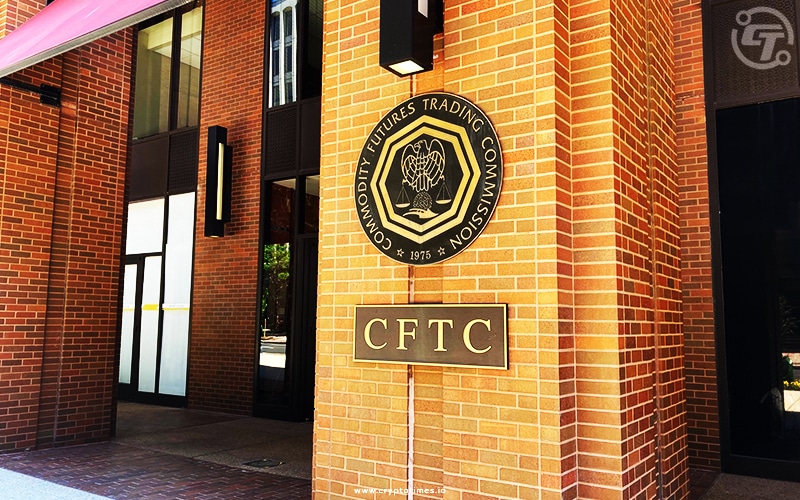
The CFTC Crypto Forum, a crucial initiative, is designed to foster collaboration and understanding between regulators, industry participants, and academics. This forum serves as a platform for exploring the complexities of digital assets and developing effective regulatory frameworks. Crucially, pilot programs are a vital component of this initiative, providing a controlled environment to test and refine regulations before broader implementation.
Key Components of the CFTC Crypto Forum
The CFTC Crypto Forum is comprised of several key components that work together to achieve its goals. A structured approach is vital to ensure the forum’s effectiveness and produce tangible outcomes.
| Component | Description | Role | Impact |
|---|---|---|---|
| Regulatory Workshops | Interactive sessions focused on specific regulatory challenges in the digital asset space. | Facilitating dialogue and knowledge sharing between regulators and industry stakeholders. | Improved understanding of regulatory needs and industry concerns. |
| Industry Roundtables | Structured discussions among industry participants to gather insights and identify best practices. | Gathering diverse perspectives and fostering consensus on regulatory solutions. | Development of industry-driven recommendations and potential compromises. |
| Academic Panels | Expert presentations and discussions on theoretical and practical aspects of digital asset regulation. | Providing academic insights to inform regulatory decision-making. | Bridging the gap between theoretical knowledge and practical implementation. |
| Data Analysis Sessions | Evaluation of market trends, transaction data, and other relevant metrics. | Providing data-driven insights to guide regulatory decisions. | Supporting evidence-based policymaking. |
Digital Asset Pilot Programs
Pilot programs are crucial to the CFTC’s approach, offering a controlled environment to evaluate and adapt regulations. They allow for real-world testing before widespread adoption, minimizing potential disruptions and allowing for flexibility in response to evolving circumstances.
| Program Name | Objectives | Participants | Timeline |
|---|---|---|---|
| Stablecoin Pilot | Evaluating the stability and risk management of stablecoins, including potential vulnerabilities. | Selected stablecoin issuers, exchanges, and custodians. | 12-18 months, with potential for extension. |
| Decentralized Finance (DeFi) Pilot | Assessing the regulatory implications of decentralized finance protocols and smart contracts. | Selected DeFi platforms and related service providers. | 18-24 months, with possible phases. |
| Non-Fungible Token (NFT) Pilot | Examining the regulatory treatment of NFTs, particularly in relation to intellectual property and securities law. | Selected NFT creators, marketplaces, and collectors. | 12-18 months, with potential for adaptation. |
Comparison of Digital Asset Pilot Programs
Different pilot programs employ distinct methodologies to address specific concerns.
| Program | Methodology | Potential Outcomes |
|---|---|---|
| Stablecoin | Stress testing, risk assessments, and examination of operational controls. | Improved standards for stablecoin issuance and regulation, including potential for regulatory sandbox approaches. |
| DeFi | Detailed examination of smart contract vulnerabilities and decentralized governance models. | Identification of potential regulatory gaps and development of frameworks for DeFi operations. |
| NFT | Focus on tracing ownership and validating authenticity, exploring potential for securities classification. | Clarification of regulatory boundaries for NFTs, especially regarding their potential use as securities. |
Regulatory Frameworks for Pilot Programs
Each pilot program operates under a specific regulatory framework designed to ensure compliance and transparency.
| Program | Regulatory Framework |
|---|---|
| Stablecoin | Existing banking regulations, money transmission rules, and potential new guidelines. |
| DeFi | Securities laws, commodity regulations, and potentially new rules for decentralized platforms. |
| NFT | Securities laws, intellectual property regulations, and possible new guidelines for digital collectibles. |
Potential Future Regulatory Developments
The forum and pilot programs may lead to significant developments in crypto regulation.
| Potential Development | Example |
|---|---|
| Clearer Definitions of Digital Assets | Distinguishing between cryptocurrencies and securities. |
| Enhanced Regulatory Sandbox Approaches | Providing flexible testing grounds for new technologies. |
| Creation of New Regulatory Bodies or Authorities | Dedicated entities to oversee digital assets. |
Illustrative Case Studies: Cftc Crypto Forum Digital Asset Pilot
The CFTC Crypto Forum’s digital asset pilot programs offer valuable insights into the challenges and opportunities within the burgeoning crypto market. These programs provide a controlled environment for testing new regulatory frameworks and exploring the potential impact on market participants. Case studies, based on hypothetical scenarios and real-world examples, will illustrate the program’s effectiveness and implications.These case studies demonstrate how the forum can facilitate collaboration, resolve conflicts, and address market failures, ultimately fostering a more stable and transparent crypto market.
Hypothetical Case Study: Impact of a Pilot Program on Market Behavior, Cftc crypto forum digital asset pilot
A pilot program focused on enhanced transparency in stablecoin issuance was launched. The program required stablecoin issuers to publish detailed reserve holdings and audit reports on a public platform. Initial market response was cautious, with some issuers hesitant to disclose sensitive financial data. However, over time, the program fostered greater investor confidence as the transparency fostered a higher degree of trust.
Investors could readily assess the solvency and stability of various stablecoins, leading to increased trading activity in those with strong reserve backing. The pilot program demonstrated how enhanced transparency can positively influence market behavior and attract greater investment.
Successful Resolution of a Conflict Between Participants and Regulators
A disagreement arose between a decentralized exchange (DEX) and the CFTC over the application of existing regulations to automated market makers (AMMs). The CFTC Crypto Forum facilitated a constructive dialogue between the DEX and the CFTC staff. The forum provided a neutral platform for both parties to express their concerns and propose solutions. Ultimately, the CFTC, acknowledging the unique characteristics of AMMs, proposed an amendment to the regulatory guidelines to address the specific concerns of the DEX.
The case study highlights the potential of the forum to facilitate productive dialogue and bridge the gap between participants and regulators, resolving potential conflicts through collaborative efforts.
Collaboration Between Stakeholders in a Pilot Program
The CFTC launched a pilot program focused on creating a standardized methodology for assessing the risks of non-fungible tokens (NFTs). This initiative required collaboration between regulatory bodies, blockchain technology firms, NFT creators, and investment banks. The CFTC Crypto Forum provided a platform for these diverse stakeholders to meet, share information, and develop a common understanding of NFT risks.
Through workshops and discussions, the stakeholders created a standardized checklist for assessing the risks associated with NFT projects, improving the due diligence process and enhancing market stability.
Market Failure and Forum Intervention
A cryptocurrency exchange experienced a significant price manipulation incident, leading to substantial losses for investors. The forum quickly convened a meeting with the exchange, regulatory bodies, and cybersecurity experts. The forum facilitated a detailed investigation into the incident, leading to the identification of weaknesses in the exchange’s security protocols. The forum helped to develop enhanced security measures and educational resources for exchanges to avoid similar future incidents.
This case study illustrates the forum’s role in addressing market failures by fostering collaboration and implementing effective preventative measures.
Impact of a Pilot Program on Market Behavior
A pilot program focused on establishing clearer guidelines for cryptocurrency custody was implemented. The program required exchanges to implement multi-factor authentication and cold storage solutions for customer assets. Prior to the pilot program, the market exhibited a high degree of concern over the security of customer funds. Following the implementation of the pilot program, market participants noticed a significant decrease in reported incidents of cryptocurrency theft and fraud.
The case study showcases how the pilot program’s impact on market behavior resulted in increased investor confidence and a safer trading environment.
Future Considerations
The CFTC’s crypto forum and pilot programs represent a crucial step towards regulating the burgeoning digital asset market. Understanding their potential future directions, long-term impacts, and the challenges they might face is essential for navigating this evolving landscape. The programs’ ability to adapt to emerging threats and opportunities will be vital to their success.The future of these initiatives hinges on their capacity to evolve alongside the rapid pace of technological innovation in the crypto space.
Adaptability and responsiveness to emerging challenges, coupled with a nuanced understanding of the potential benefits and risks, are paramount. Successful pilot programs often demonstrate a willingness to learn from real-world experience and adjust their approach as needed.
Potential Future Directions
The CFTC Crypto Forum and pilot programs are likely to evolve in several directions. They could expand their scope to encompass a wider range of digital assets, including stablecoins and decentralized finance (DeFi) protocols. Furthermore, a potential focus on cross-border collaborations with international regulatory bodies could emerge to address the global nature of the crypto market. The emphasis on market surveillance and data analysis may also increase to track emerging risks and trends more effectively.
Potential Long-Term Implications on the Crypto Market
The programs’ impact on the crypto market will likely be substantial. Positive implications include fostering greater investor confidence and market stability, potentially leading to increased participation and capital inflow. Conversely, regulatory uncertainty and stringent compliance requirements could result in market contraction or shifts in market structures. These initiatives could also reshape the regulatory landscape for traditional financial institutions looking to engage in the crypto space.
Emerging Challenges and Adaptation
The programs may face various challenges. One key area is the rapid evolution of blockchain technology, which demands continuous adaptation to ensure regulatory frameworks remain effective. Another challenge lies in navigating the complexity of decentralized protocols, which may necessitate new approaches to enforcement and market oversight. The programs must also address the unique challenges posed by the international nature of the crypto market.
Regulatory Challenges for Pilot Programs
Pilot programs will inevitably encounter regulatory challenges, including ensuring compliance with existing laws and regulations while adapting to the dynamic nature of the digital asset space. One example of this is defining clear lines of responsibility between various regulatory bodies and clarifying the role of each entity in a potential enforcement scenario. Further, these programs must consider how their actions might interact with other jurisdictions’ regulations.
Potential Future Benefits
These initiatives could yield substantial benefits. A significant positive outcome could be a reduction in illicit activities and a boost in investor confidence. The programs’ successful implementation could lead to a more robust and transparent crypto market, paving the way for greater mainstream adoption. This may also create a framework for international regulatory cooperation, improving global financial stability.
Ultimate Conclusion
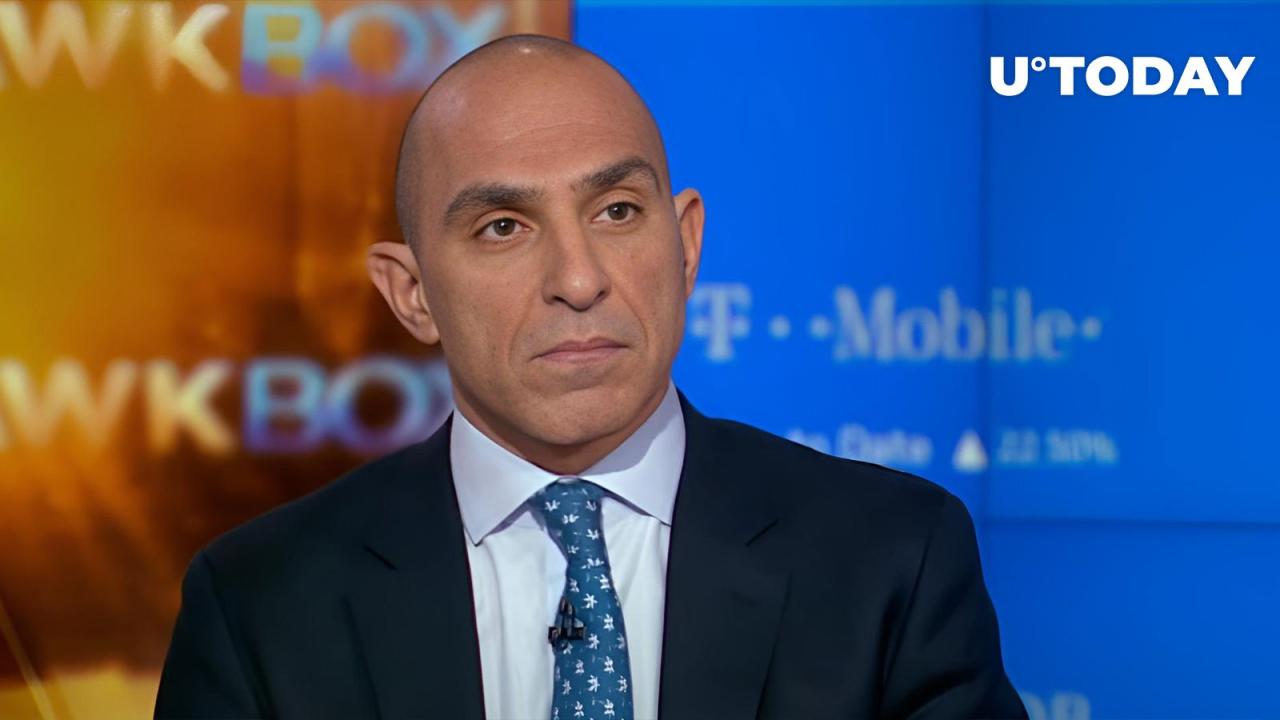
In conclusion, the CFTC Crypto Forum and its digital asset pilot programs represent a significant step towards a more regulated and sustainable crypto market. While challenges remain, the forum’s collaborative approach and focus on experimentation position it for success. The future of crypto regulation hinges on the outcomes of these programs, and their impact on market participants will be a key factor in shaping the regulatory landscape.