Blockchain US Treasury Musk Doge Transparency A Deep Dive
Blockchain US Treasury Musk Doge transparency is a complex interplay of government finance, cryptocurrency, and social media influence. The US Treasury’s potential adoption of blockchain technology, Elon Musk’s fluctuating endorsements of Dogecoin, and the broader implications for transparency in government transactions are all intertwined. This exploration delves into the nuances of each, examining potential benefits and drawbacks, highlighting security concerns, and analyzing the potential impact on stakeholders.
The US Treasury’s current stance on blockchain is analyzed, alongside potential use cases, and examples of how it could improve transparency in processes. Musk’s history with cryptocurrencies, particularly Dogecoin, is examined, considering the impact on public perception and market fluctuations. The concept of blockchain and its potential for enhancing transparency in government finance is explored, alongside the potential of Dogecoin as a decentralized payment system.
The relationships between these entities are discussed, with a look at potential conflicts and collaborations. Illustrative examples of blockchain use cases are provided, from tracking funds to verifying documents, showing how this technology could enhance efficiency and security.
The US Treasury and Blockchain Technology
The US Treasury, a cornerstone of the nation’s financial infrastructure, is constantly seeking innovative ways to enhance its operations. Blockchain technology, with its decentralized and transparent nature, presents a compelling opportunity for improvement across various Treasury functions. This exploration delves into the potential applications of blockchain, examining its feasibility within the existing treasury systems and the security considerations that must be addressed.The US Treasury currently maintains a cautious but inquisitive stance towards blockchain technology.
While not fully embracing widespread adoption, the agency recognizes the potential benefits of blockchain in specific areas. The Treasury is likely to prioritize pilot programs and research initiatives to assess the practical viability of blockchain solutions before integrating them into its core systems. This measured approach reflects a responsible and pragmatic assessment of the risks and rewards associated with this emerging technology.
Current US Treasury Stance on Blockchain
The US Treasury’s approach to blockchain is characterized by a calculated and incremental strategy. It prioritizes pilot projects and research to thoroughly assess the technology’s potential before broad implementation. This approach allows for a risk-managed evaluation of blockchain’s impact on various treasury processes. Pilot programs help identify potential vulnerabilities and refine the technology’s integration into existing systems. This iterative methodology reflects a cautious but forward-thinking stance.
Potential Use Cases for Blockchain in US Treasury Operations
Blockchain’s decentralized ledger structure offers opportunities for enhanced security and efficiency in various Treasury operations. For example, blockchain can facilitate secure and transparent record-keeping of financial transactions, improving auditability and reducing the risk of fraud. It could also streamline the process of issuing and tracking government bonds, potentially reducing processing times and costs.
Improving Transparency in US Treasury Processes with Blockchain
Blockchain’s inherent transparency can significantly enhance the visibility of Treasury operations. Transactions on a public blockchain are visible to all participants, fostering accountability and trust. This visibility can be instrumental in tracking government funds and reducing the potential for misappropriation. For instance, the tracking of funds allocated for specific projects becomes more transparent, allowing for better oversight and accountability.
Comparison of Blockchain with Existing Treasury Systems
Existing treasury systems, often centralized and reliant on traditional databases, differ significantly from blockchain’s decentralized model. This difference impacts both security and efficiency. Blockchain’s decentralized structure potentially enhances security by eliminating single points of failure. However, the complexity of blockchain implementation and the need for significant infrastructure adjustments are key considerations. Centralized systems often offer better established security protocols, but they can be susceptible to vulnerabilities in the centralized point of control.
This difference needs careful consideration in adopting blockchain solutions.
Types of Data the US Treasury Might Store on a Blockchain, and Security Concerns
| Type of Data | Potential Security Concerns |
|---|---|
| Government Bond Issuance and Redemption Data | Potential for manipulation if not carefully designed. Compromise of private keys used to sign transactions. |
| Taxpayer Data (aggregated, anonymized) | Data breaches remain a concern. Privacy regulations and compliance with existing laws must be addressed. |
| Funding for Government Programs | Accuracy and validity of transactions. Data integrity is crucial to avoid errors in funding allocations. |
| Financial Transactions of Government Agencies | Ensuring proper authorization and auditability. Potential for unauthorized access or manipulation. |
Elon Musk and Cryptocurrencies
Elon Musk’s involvement with cryptocurrencies, particularly Dogecoin, has been a significant driver of market volatility and a fascinating case study in the intersection of celebrity influence and financial markets. His pronouncements and actions have had a profound impact on public perception, generating both excitement and skepticism surrounding the digital asset space. This analysis explores Musk’s history with cryptocurrencies, examining his influence, his tweets, and the subsequent impact on price movements.Musk’s engagement with cryptocurrencies, especially Dogecoin, has been a complex interplay of seemingly contradictory actions.
He has publicly supported and promoted certain cryptocurrencies, yet his pronouncements have often been erratic and unpredictable, creating a volatile market environment. The influence of a public figure like Musk on the cryptocurrency market highlights the delicate balance between hype and genuine value in this rapidly evolving sector.
Musk’s History with Dogecoin
Musk’s early engagement with Dogecoin involved humorous pronouncements, but later evolved into more complex interactions with the cryptocurrency. He began tweeting about Dogecoin in a playful manner, but his pronouncements gradually became more significant, impacting the market’s price and investor sentiment.
Timeline of Musk’s Cryptocurrency Statements
- Early 2020s: Musk began tweeting about Dogecoin, often in a lighthearted or humorous tone. These tweets often sparked initial interest and excitement in the cryptocurrency, leading to minor price fluctuations. Examples of this playful interaction were common, often involving humorous imagery or wordplay related to the currency.
- Mid-2020s: Musk’s tweets became more frequent and varied, sometimes supporting Dogecoin and other cryptocurrencies, but also expressing skepticism or caution on other occasions. This shift in tone became a more notable pattern in his communication, showing a transition from lighthearted pronouncements to more nuanced commentary.
Impact on Price Fluctuations
Musk’s tweets have consistently been correlated with price movements in Dogecoin and other cryptocurrencies. When he expressed support, prices often rose; when he expressed skepticism, prices often fell. This direct correlation underscores the significant influence Musk held over the market. Numerous instances of price fluctuations directly following Musk’s tweets or statements demonstrate the palpable impact he had on market sentiment.
The ongoing debate around blockchain, the US Treasury’s involvement, and Elon Musk’s pronouncements on Dogecoin transparency are all fascinating. Meanwhile, news of Metaplanet buying 696 Bitcoin in a 10-for-1 stock split, as detailed in this article here , raises questions about the future of cryptocurrency adoption by corporations. This kind of investment certainly adds fuel to the fire of the blockchain discussion, potentially impacting the US Treasury’s approach to digital assets and Musk’s view of cryptocurrencies.
Potential Reasons for Musk’s Engagement
Several potential factors might explain Musk’s engagement with Dogecoin. His playful nature and social media persona might have led him to express support for the cryptocurrency, while also engaging in promotional activities for his own ventures or brand. Further, Dogecoin’s decentralized nature and community-driven approach might have resonated with Musk’s ethos or entrepreneurial style. Other possible factors, such as investment strategies or personal interest, also likely played a role in his involvement.
Comparison of Musk’s Statements on Cryptocurrencies
| Cryptocurrency | Musk’s Statement(s) | Impact (if any) |
|---|---|---|
| Dogecoin | “Dogecoin is the people’s crypto.” “Dogecoin to the moon!” But also, “Dogecoin is a joke.” | Significant price volatility, both positive and negative. |
| Bitcoin | Varied statements ranging from supportive to skeptical, often influenced by market conditions. | Impact on Bitcoin price was less pronounced than Dogecoin but still noticeable. |
| Other cryptocurrencies | Statements on other cryptocurrencies often reflected a more cautious or uncertain approach, with less impact on the respective prices. | Generally less impact compared to Dogecoin or Bitcoin. |
Blockchain and Transparency in Government Finance

Blockchain technology, renowned for its decentralized and immutable nature, holds significant potential for revolutionizing government finance. Its inherent transparency and security features can streamline operations, reduce corruption, and enhance public trust. This potential is particularly compelling in the context of tracking government funds and ensuring accountability.Blockchain’s ability to create a secure, shared ledger of transactions allows for real-time tracking of government funds, from their initial allocation to their final expenditure.
This detailed record-keeping provides a high degree of transparency, potentially fostering greater public trust in government operations.
Blockchain Technology for Tracking Government Funds
Blockchain’s distributed ledger technology offers a tamper-proof record of every transaction. This feature ensures the authenticity and integrity of financial records, preventing alteration or deletion of crucial data. By meticulously documenting every step in the flow of funds, from initial budget allocation to final disbursements, blockchain can drastically improve the visibility and traceability of government spending. This transparent record-keeping ensures that funds are used as intended and reduces the risk of misappropriation.
For example, a blockchain-based system could track funds allocated for a specific infrastructure project, demonstrating how the money was spent on materials, labor, and other relevant expenses.
Blockchain Models for Public Finance
Various blockchain models are applicable to public finance, each with its own strengths and weaknesses. Public blockchains, like Bitcoin, offer complete transparency but may face challenges in terms of scalability and transaction speed. Private blockchains, on the other hand, can be tailored to specific government needs, potentially enhancing performance and security. Hybrid models, combining aspects of public and private blockchains, offer a balance between transparency and control.
The choice of model will depend on the specific needs and priorities of the government agency.
Preventing Fraud and Corruption with Blockchain
Blockchain’s immutable ledger significantly reduces the opportunities for fraud and corruption in government transactions. The transparent and auditable nature of the blockchain makes it extremely difficult to manipulate or conceal financial irregularities. The shared, distributed nature of the ledger further strengthens security, as no single entity controls the data. Any attempt to alter a transaction would be immediately visible to all participants on the network, effectively deterring fraudulent activities.
Comparison of Blockchain Implementation Costs and Benefits, Blockchain us treasury musk doge transparency
| Cost Factor | Description | Benefit |
|---|---|---|
| Initial Setup Costs | Development, implementation, and integration of blockchain infrastructure | Improved financial management, increased transparency, reduced corruption |
| Maintenance and Operational Costs | Ongoing maintenance of the blockchain system, including security updates, and personnel training | Streamlined processes, efficient resource allocation, reduced administrative overhead |
| Data Migration Costs | Transferring existing financial data onto the blockchain platform | Comprehensive and accurate record-keeping, enhanced financial reporting |
| Training and Support Costs | Training personnel to use and maintain the blockchain system | Efficient operations, reduced errors, optimized resource utilization |
| Potential Savings | Reduced fraud, waste, and errors; increased efficiency and productivity | Increased revenue, improved public trust, enhanced reputation |
Blockchain implementation in government agencies presents both costs and benefits. The upfront investment in technology, training, and data migration can be substantial. However, the potential long-term savings from reduced fraud, improved efficiency, and enhanced transparency can be significant. Examples of successful blockchain implementations in other sectors offer insights into potential returns. Careful cost-benefit analysis is crucial for effective implementation.
Dogecoin and Blockchain Technology
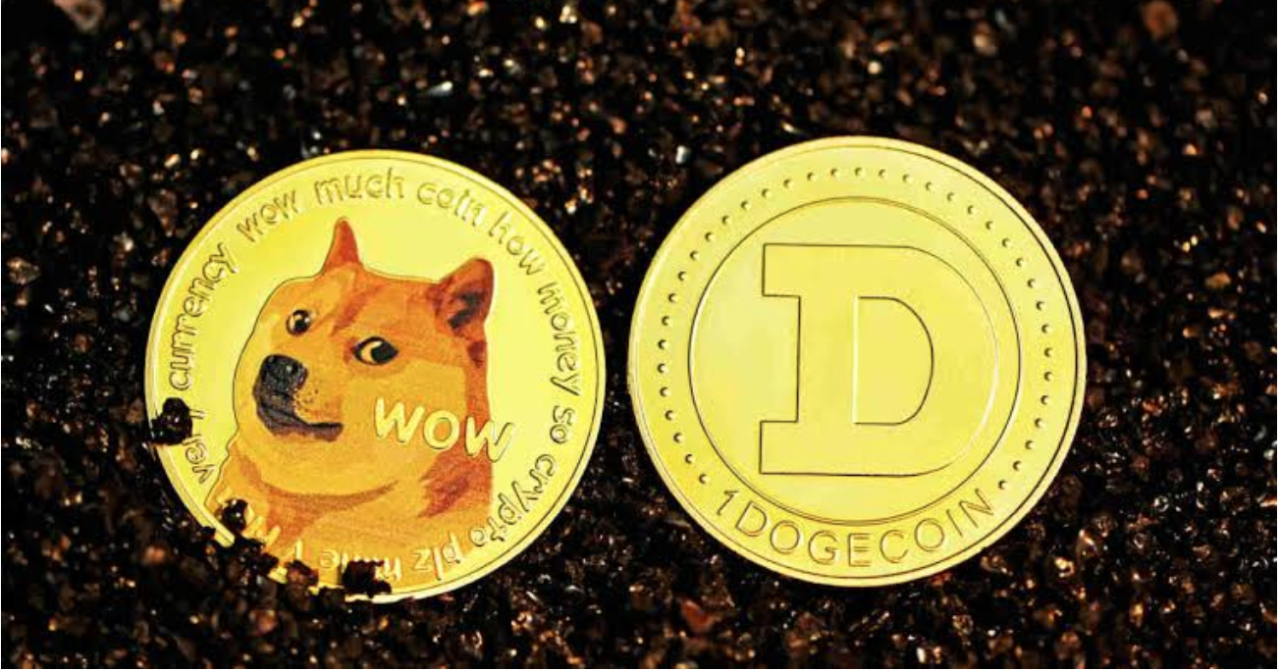
Dogecoin, a cryptocurrency, utilizes blockchain technology to record and verify transactions. This decentralized ledger ensures a transparent and secure system, although its specific features differ from other cryptocurrencies. Understanding Dogecoin’s blockchain is key to grasping its unique characteristics and potential as a payment system.
The transparency surrounding the US Treasury’s potential blockchain integration, Elon Musk’s Dogecoin involvement, and the whole blockchain thing is fascinating. It’s all a bit of a wild ride, isn’t it? This kind of disruptive technology often requires innovative strategies to gain traction, and that’s where concepts like growth hacking come into play. Ultimately, the long-term success of these blockchain initiatives, like the US Treasury’s potential use, will hinge on effective communication and user adoption, a key aspect of any successful venture.
Underlying Blockchain Technology
Dogecoin’s blockchain is a public, permissionless ledger that employs a proof-of-work consensus mechanism. This means that new blocks are added to the chain through a process where miners compete to solve complex mathematical problems. The winner adds the block to the chain, earning Dogecoin rewards in the process. This mechanism ensures the integrity and security of the blockchain by requiring substantial computational resources to tamper with it.
Features of the Dogecoin Blockchain
The Dogecoin blockchain possesses several features that impact its transparency and security. These features contribute to its unique identity and function within the cryptocurrency ecosystem.
The ongoing saga of blockchain, the US Treasury, Elon Musk, and Dogecoin’s transparency is fascinating, but it’s hard to ignore the current crypto market climate. Considering the recent volatility, it’s natural to wonder if we’ve seen the bottom for Ethereum. A deeper dive into whether Ethereum has found its price floor is worth checking out – see if the answer is in this article about has ethereum price bottomed.
Ultimately, the intertwined factors of market sentiment and regulatory scrutiny will continue to shape the future of this space, even as the mystery surrounding the transparency of blockchain projects like those mentioned persists.
- Decentralization: The blockchain’s decentralized nature distributes control and prevents any single entity from manipulating the system. This characteristic is fundamental to the security and trustworthiness of the Dogecoin network.
- Transparency: All Dogecoin transactions are publicly recorded on the blockchain. This transparency allows anyone to view the transaction history, fostering trust and accountability.
- Security: The proof-of-work mechanism used in Dogecoin’s blockchain enhances security by making it computationally expensive to alter or manipulate transaction records.
Potential as a Decentralized Payment System
Dogecoin’s decentralized nature makes it a potential contender in the decentralized payment system arena. However, its practical application faces challenges compared to established systems like Visa or Mastercard. The cryptocurrency’s fluctuating value and limited adoption can hinder its broader use as a primary payment method. Despite these hurdles, Dogecoin’s unique features continue to attract interest from both enthusiasts and investors.
Illustrating Dogecoin Transaction History
To illustrate the transaction history of Dogecoin on the blockchain, one can utilize various blockchain explorers. These tools provide a graphical interface to view transaction details, including sender, recipient, amount, and transaction timestamp. Specific explorers dedicated to Dogecoin allow users to track and analyze the movement of Dogecoins across the network.
Dogecoin Blockchain Features Table
| Feature | Description |
|---|---|
| Decentralization | Control is distributed across the network, making manipulation difficult. |
| Transparency | All transactions are publicly recorded and viewable on the blockchain. |
| Security | Proof-of-work mechanism secures the blockchain against alteration. |
| Consensus Mechanism | Proof-of-work |
| Scalability | Dogecoin has a relatively high transaction throughput compared to some other cryptocurrencies. |
Intersections and Relationships
The intersection of the US Treasury, Elon Musk, and blockchain technology presents a fascinating, and potentially complex, interplay. The US Treasury’s role in managing the nation’s finances is often contrasted with Musk’s unpredictable and highly visible engagement with the cryptocurrency world. This dynamic generates potential areas of both conflict and collaboration, impacting not only the financial landscape but also public perception.
Understanding these relationships is crucial for comprehending the future trajectory of blockchain technology and its integration into government and commercial systems.
Relationship Between the US Treasury and Blockchain Technology
The US Treasury is increasingly recognizing the potential of blockchain technology for improving transparency and efficiency in government finance. This interest stems from the possibility of enhancing record-keeping, reducing fraud, and streamlining financial transactions. However, the Treasury’s approach is cautious, focused on evaluating the security and regulatory implications before widespread adoption. This cautious approach reflects the need to protect public funds and ensure compliance with existing regulations.
Potential Areas of Conflict and Collaboration
Potential conflicts arise from differing priorities and perspectives. The Treasury’s focus on security and regulatory compliance might clash with Musk’s more experimental and often disruptive approach to cryptocurrency. Collaboration is possible in areas such as using blockchain for streamlining international transactions or investigating innovative solutions to financial crime. A key area for potential collaboration could be exploring the use of blockchain for improving the security and efficiency of government data management systems.
Impact of Musk’s Actions on the Treasury’s Approach
Musk’s actions, particularly his pronouncements on cryptocurrencies and his involvement in Dogecoin, can significantly impact the Treasury’s approach to blockchain. His public endorsements or criticisms of specific blockchain projects can influence public perception and policy decisions. If Musk promotes a cryptocurrency that later encounters significant regulatory hurdles or market volatility, it could potentially discourage the Treasury from pursuing blockchain initiatives that seem too risky.
Conversely, successful applications of blockchain in other sectors might encourage the Treasury to explore further possibilities.
Impact of Blockchain Transparency on Musk’s Public Image
Blockchain’s inherent transparency could have a substantial impact on Musk’s public image regarding Dogecoin. The transparent nature of blockchain records could expose any inconsistencies or questionable activities related to Dogecoin. This increased scrutiny might influence investor confidence and public perception of Musk’s involvement. For example, if blockchain audits revealed a lack of financial accountability within Dogecoin’s development or ecosystem, it could damage Musk’s credibility and trustworthiness.
Stakeholder Interests Regarding Blockchain and the US Treasury
| Stakeholder | Potential Interests |
|---|---|
| US Treasury | Improved efficiency, enhanced transparency, and reduced fraud in government finance. |
| Elon Musk | Promoting cryptocurrencies, maintaining public image, and potentially exploring blockchain applications in his ventures. |
| Cryptocurrency Investors | Securing returns and participating in the development of the blockchain ecosystem. |
| Regulators | Ensuring compliance with regulations, protecting consumers, and managing risks. |
| General Public | Increased trust in financial systems, transparency in government operations, and potentially access to new financial instruments. |
Illustrative Examples of Blockchain Use Cases: Blockchain Us Treasury Musk Doge Transparency
Blockchain technology, with its inherent transparency and immutability, presents exciting opportunities for enhancing various government processes. This section will explore concrete examples of blockchain applications in government finance, focusing on improvements in transparency, efficiency, and security. From tracking treasury funds to verifying document authenticity, blockchain offers innovative solutions for modernizing public administration.
Blockchain for Transparent Government Finance
Implementing blockchain in government finance systems can dramatically increase transparency and accountability. A dedicated blockchain platform could record every transaction within a government agency, including the US Treasury. This creates an auditable trail, accessible to the public and internal stakeholders. Each transaction would be timestamped and linked to a specific project or program, ensuring that funds are allocated and used according to established guidelines.
This level of transparency discourages fraud and promotes public trust.
Tracking US Treasury Funds
Blockchain can revolutionize the tracking of funds within the US Treasury. Each transfer, from allocation to disbursement, could be recorded on a shared, immutable ledger. This eliminates the need for multiple, potentially disparate systems and reduces the risk of errors or discrepancies. The blockchain would provide a real-time view of fund movements, enabling treasury officials to monitor budgets and expenditures more effectively.
Verifying Government Documents
Blockchain technology can significantly improve the security and integrity of government documents. Digital signatures and cryptographic hashes embedded within the blockchain ensure that documents are genuine and unaltered. This is crucial for preventing forgery and tampering, a concern with sensitive information like contracts or permits. The immutable nature of the blockchain provides a definitive record of the document’s history, further enhancing trust and confidence.
Improving Tax Collection Efficiency
Blockchain can streamline tax collection procedures, reducing administrative burdens and errors. A blockchain-based system could automate the verification of tax forms and payments, reducing manual intervention. This would decrease processing times and enhance the overall efficiency of tax collection. Taxpayers could also track their payments and status in real-time, increasing transparency and accountability.
Summary of Blockchain Use Cases
| Use Case | Key Features | Benefits |
|---|---|---|
| Transparent Government Finance | Immutable record of all transactions, public access, timestamped entries | Increased transparency, reduced fraud, improved accountability, enhanced public trust |
| Tracking US Treasury Funds | Real-time tracking of fund movements, elimination of disparate systems, reduced errors | Enhanced budget monitoring, improved expenditure tracking, increased efficiency |
| Verifying Government Documents | Digital signatures, cryptographic hashes, immutable record of document history | Improved document security, reduced forgery, enhanced trust in government processes |
| Improving Tax Collection | Automated verification of tax forms and payments, real-time payment tracking | Reduced administrative burdens, decreased errors, increased efficiency, enhanced taxpayer transparency |
Epilogue
Ultimately, blockchain US Treasury Musk Doge transparency presents a fascinating case study in the intersection of technology, finance, and social influence. The potential benefits of blockchain for government transparency are clear, but challenges remain in implementation, security, and regulatory frameworks. Musk’s involvement adds another layer of complexity, highlighting the need for careful consideration of the broader impact on public perception and market stability.
This examination reveals the potential for a transformative shift in how governments operate, but also underscores the need for careful planning and execution to achieve these goals effectively and safely.