Coinbase 420B Exceeds 21st Largest US Bank Armstrong
Coinbase 420 b exceeds 21st largest us bank armstrong – Coinbase 420B exceeds 21st largest US bank Armstrong’s arm, raising intriguing questions about the relationship between cryptocurrency and traditional finance. This exploration delves into Coinbase’s recent financial performance, examining its position in the cryptocurrency market alongside key metrics like revenue, user growth, and profitability. We’ll analyze the significance of the “420B” figure, potentially linking it to financial transactions.
Furthermore, we’ll scrutinize the 21st largest US bank’s arm, comparing its financial standing with competitors and potentially exploring any interactions with Coinbase.
This analysis will also consider potential collaborations, competition, or conflicts between Coinbase and the bank’s arm, drawing parallels from similar relationships within the financial industry. We’ll discuss the potential impacts on the cryptocurrency market and the broader financial sector, including regulatory concerns and risks for both parties. Illustrative examples and case studies will support our analysis, providing context and insights into market trends.
Overview of Coinbase and its Financial Performance
Coinbase, a leading cryptocurrency exchange, has experienced significant growth and volatility in recent years. Its financial performance is closely watched by investors and analysts, reflecting the broader cryptocurrency market’s fluctuations. This overview will examine Coinbase’s recent financial performance, its position in the cryptocurrency landscape, and its market capitalization trends.Coinbase’s financial performance is intertwined with the broader cryptocurrency market’s trajectory.
Positive market trends generally translate to increased trading volume, user growth, and revenue for exchanges like Coinbase. Conversely, market downturns can lead to reduced trading activity and financial pressure on exchanges. This dynamic relationship highlights the inherent risks and opportunities within the cryptocurrency industry.
Coinbase’s Recent Financial Performance
Coinbase’s financial performance over the past year has shown mixed results, mirroring the cyclical nature of the cryptocurrency market. Revenue has experienced both highs and lows, while user growth has been impacted by market sentiment. Profitability remains a challenge, particularly in periods of market uncertainty.
Key Financial Metrics
- Revenue: Coinbase’s revenue is directly tied to trading volume and transaction fees. Fluctuations in market activity significantly impact its revenue streams. For example, during periods of heightened market volatility, trading volume often increases, leading to higher revenue for exchanges like Coinbase. Conversely, periods of market consolidation or decline can result in lower trading volume and decreased revenue.
Coinbase’s 420B exceeding the 21st largest US bank, Armstrong, is certainly a big deal. However, it’s worth considering the recent CBI raids on a 75m gainbitcoin ponzi scheme here. This highlights the complexities and risks inherent in the cryptocurrency market, even for seemingly large and reputable players like Coinbase. The sheer scale of the ponzi scheme underlines the need for caution when dealing with unregulated cryptocurrency ventures, reminding us that massive valuations don’t automatically equate to safety or legitimacy, and Coinbase’s impressive numbers are still vulnerable to such issues.
- User Growth: User growth reflects the overall adoption and interest in cryptocurrencies. Increased user adoption often leads to higher trading volume and revenue for exchanges like Coinbase. However, market sentiment and regulatory changes can significantly influence user growth. For example, a wave of negative news or stricter regulations can discourage new users, leading to slower user growth.
- Profitability: Coinbase’s profitability has been a recurring challenge, often fluctuating with market conditions. This is partly due to the high operational costs associated with maintaining a large exchange platform and handling significant transaction volumes. Furthermore, the volatility of cryptocurrency prices and the need for substantial reserves to handle potential losses contribute to the challenges of achieving consistent profitability.
Coinbase’s Position in the Cryptocurrency Market
Coinbase is a prominent player in the cryptocurrency exchange market. Its market position is constantly evolving, influenced by competition from other exchanges and regulatory developments. The presence of competitors such as Binance and Kraken, along with varying regulatory landscapes across different jurisdictions, creates a dynamic and competitive environment for exchanges like Coinbase.
Market Capitalization and Historical Trends
Coinbase’s market capitalization reflects its overall valuation in the market. This valuation is influenced by a multitude of factors, including market sentiment, trading volume, and regulatory developments. The historical trend of Coinbase’s market capitalization shows fluctuations that mirror the broader cryptocurrency market’s ups and downs.
Quarterly Financial Data (Past Year)
| Quarter | Revenue (USD) | Net Income (USD) | Active Users |
|---|---|---|---|
| Q1 2023 | $XXX | $XXX | XXX |
| Q2 2023 | $XXX | $XXX | XXX |
| Q3 2023 | $XXX | $XXX | XXX |
| Q4 2023 | $XXX | $XXX | XXX |
| Q1 2024 | $XXX | $XXX | XXX |
Note: Replace XXX with actual data from reliable sources.
Examining the “420 B” Figure: Coinbase 420 B Exceeds 21st Largest Us Bank Armstrong
The recent emergence of the “420 B” figure in relation to Coinbase has sparked considerable interest and speculation. Understanding its context and potential significance is crucial for evaluating the company’s current financial standing and future prospects. While the precise meaning of this figure remains unclear, its presence highlights a need for careful analysis and consideration of various potential interpretations.The “420 B” figure, if referring to a financial value, likely represents a substantial amount of money.
Such a figure, in the context of a company like Coinbase, could relate to various aspects of its operations, including trading volume, market capitalization, or even a particular asset’s value held by the exchange. The context in which this figure appears is vital for a clear interpretation.
Potential Interpretations of the “420 B” Figure
The “420 B” figure, in the context of Coinbase, could potentially refer to several different aspects. One possibility is that it represents a substantial trading volume or market capitalization figure. Another possibility is that it represents the aggregate value of specific assets held by Coinbase, such as cryptocurrencies or other financial instruments. It could also possibly be related to the potential valuation of Coinbase’s business.
Sources and Reliability of the “420 B” Figure
Determining the origin and reliability of the “420 B” figure is essential for accurate interpretation. The source of this figure is crucial. Was it mentioned in a formal company report, a financial news article, or a social media post? Different sources carry varying levels of credibility. Official press releases and financial reports from reputable sources would offer a greater level of reliability compared to speculative posts or anonymous sources.
The absence of a clear, verifiable source raises questions about the accuracy and validity of the information.
Possible Financial Events or Transactions
Several financial events or transactions could potentially be linked to the “420 B” figure. For example, significant trading activity, the acquisition or sale of assets, or major investments could contribute to a large figure like “420 B.” However, without further details about the specific event or transaction, it’s challenging to ascertain the exact connection. Any alleged connections should be scrutinized and corroborated by reliable sources.
Speculation without factual backing is not helpful in understanding the true nature of the “420 B” figure.
Analysis of 21st Largest US Bank Arm (Armstrong)
The 21st largest US bank, a significant player in the financial landscape, often operates through various specialized arms. Understanding the financial standing and operational specifics of these arms provides valuable insight into the overall health and strategies of the bank. This analysis focuses on the Armstrong arm, highlighting its performance and comparing it to similar entities.This section delves into the specifics of Armstrong, the 21st largest US bank’s arm.
We will examine its financial position, responsibilities, and performance metrics against competitors in the same sector. This analysis aims to provide a comprehensive understanding of Armstrong’s role and contribution to the bank’s overall performance.
Financial Standing of Armstrong
Armstrong, as a significant arm of the 21st largest US bank, likely holds a substantial portfolio of assets and liabilities. Its financial strength is crucial to the bank’s overall stability and growth. Factors like asset quality, loan portfolio diversification, and risk management practices significantly influence Armstrong’s financial health.
Specific Functions and Responsibilities
Armstrong’s specific functions and responsibilities are crucial for the overall performance of the bank. This could include various aspects, such as retail banking, investment banking, or specialized lending. Understanding these responsibilities helps contextualize Armstrong’s performance relative to other entities with similar roles.
Comparison with Similar Entities
Comparing Armstrong’s financial performance with other similar entities within the same sector is essential for assessing its relative strengths and weaknesses. This comparison could involve analyzing key performance indicators (KPIs) such as return on assets (ROA), return on equity (ROE), and net interest margins. Analyzing Armstrong’s performance against these benchmarks will illuminate its position in the market.
Financial Performance Metrics
A comparative analysis of Armstrong’s financial performance with similar entities is presented below. These comparisons will focus on critical aspects like assets, liabilities, and market share.
| Metric | Armstrong | Competitor A | Competitor B |
|---|---|---|---|
| Total Assets (USD Billions) | 12.5 | 15.2 | 10.8 |
| Total Liabilities (USD Billions) | 11.2 | 14.0 | 9.5 |
| Market Share (%) | 4.2 | 5.8 | 3.9 |
| Return on Assets (%) | 1.2 | 1.5 | 1.0 |
The table illustrates a comparison of Armstrong’s key financial metrics with two competitor arms. These figures are illustrative and based on hypothetical data. Actual figures for Armstrong and its competitors would need to be sourced from reliable financial reports. The differences in market share and ROA may be attributed to various factors, including operational efficiency, risk management strategies, and overall market conditions.
Exploring the Relationship between Coinbase and the Bank Arm
Coinbase, the prominent cryptocurrency exchange, and a division of a major US bank, represent contrasting yet potentially interconnected forces in the evolving financial landscape. Their interaction could be characterized by both collaboration and competition, as each entity navigates the complexities of the emerging digital asset space. This exploration delves into the potential links and interactions between these two entities.The 21st largest US bank’s arm, likely focusing on traditional financial services, may be interested in exploring the potential of digital assets for expanding its customer base and service offerings.
Coinbase, on the other hand, might seek partnerships for traditional financial infrastructure and regulatory compliance. The relationship between these entities could range from mutually beneficial collaborations to competitive strategies, and even potential conflicts over market share or regulatory interpretations.
Potential Areas of Collaboration
Coinbase and the bank’s arm could potentially collaborate in several areas. This could include facilitating the transfer of crypto assets into traditional financial instruments, potentially offering a wider range of financial services to a broader customer base. For instance, integrating cryptocurrency payment options into existing banking services could enhance customer experience and attract new clients. Additionally, joint ventures could allow the bank to leverage Coinbase’s expertise in the crypto market while Coinbase benefits from the bank’s established infrastructure and regulatory compliance network.
Potential Areas of Competition
The relationship between Coinbase and the bank’s arm might also be characterized by competition. The bank’s arm could potentially launch its own cryptocurrency exchange, offering direct competition to Coinbase. This scenario could lead to price wars, market share struggles, and potentially different strategies to attract customers.
Potential Areas of Conflict, Coinbase 420 b exceeds 21st largest us bank armstrong
Conflicts could arise due to differing interpretations of regulatory requirements, especially as the regulatory landscape for cryptocurrencies evolves. Differences in approaches to risk management and security protocols could also create friction. Furthermore, conflicts could arise from diverging business models, where one entity prioritizes traditional financial instruments, and the other focuses on digital assets.
Coinbase’s 420B exceeding the 21st largest US bank, Armstrong, is definitely a significant development. This highlights the rapid growth of crypto in the financial sector. Interestingly, this aligns with the ethos of projects like phrz built on trust growing with the community phrz built on trust growing with the community , which emphasizes the importance of community engagement in driving innovation and acceptance.
Ultimately, these trends show a promising future for decentralized finance, mirroring the massive growth potential of Coinbase’s impressive achievement.
Examples of Similar Relationships in the Financial Industry
Numerous examples exist in the financial industry of traditional financial institutions partnering with fintech companies. Traditional banks often partner with payment processors or digital wallets to expand their services and customer reach. These partnerships demonstrate how established players can leverage the expertise of innovative companies to create new products and services.
Summary Table: Potential Reasons for Interactions
| Reason Category | Description | Coinbase Benefit | Bank Arm Benefit |
|---|---|---|---|
| Regulatory Compliance | Navigating the evolving regulatory landscape for digital assets | Reduced compliance burden and increased operational efficiency | Enhanced reputation and market access |
| Customer Acquisition | Expanding customer base and access to new market segments | Increased user base and revenue streams | Attracting new customer segments and diversifying revenue streams |
| Technological Advancement | Leveraging the innovation and technology of Coinbase | Access to cutting-edge technology and enhanced services | Enhanced competitive advantage and ability to offer innovative products |
| Market Expansion | Expanding into new markets and geographical regions | Increased market share and brand recognition | Expanded market reach and potentially higher revenue |
Potential Implications and Impacts

The reported link between Coinbase and a significant US bank arm, potentially involving a substantial investment of $420 billion, presents a complex web of implications for the cryptocurrency market and the broader financial landscape. This strategic alliance, if confirmed, could dramatically alter the dynamics of both traditional finance and the digital asset space. Understanding these potential impacts is crucial for anyone involved or interested in these sectors.The potential ramifications of this reported collaboration are far-reaching, impacting not only the immediate players but also the overall trajectory of the financial ecosystem.
Coinbase’s 420B balance just surpassed the 21st largest US bank, Armstrong! This massive crypto portfolio is a major indicator of the growing mainstream adoption of crypto. It’s also exciting to see how this aligns with new collaboration efforts like new collaboration bringing crypto spending to everyday payments , showing a shift toward integrating crypto into everyday transactions.
Ultimately, this Coinbase milestone underscores the rapidly evolving landscape of finance, where crypto is increasingly becoming a significant player.
The intertwining of traditional banking with cryptocurrency exchanges introduces a new level of complexity and necessitates careful consideration of the associated risks and opportunities.
Potential Consequences of the Reported Link
This alliance between a major US bank and Coinbase carries substantial implications. The integration of traditional financial infrastructure with cryptocurrency platforms could lead to increased accessibility and legitimacy for digital assets. This could, in turn, drive wider adoption and potentially boost market capitalization. Conversely, such a close relationship could also bring regulatory scrutiny and potentially lead to increased compliance burdens for both entities.
The implications for market volatility and investor confidence are significant and require careful assessment.
Impact on the Cryptocurrency Market
The involvement of a large, established bank arm could substantially impact the cryptocurrency market. Increased institutional adoption, driven by the potential for enhanced security and regulatory compliance, could significantly elevate market liquidity and participation. This could lead to a surge in investor confidence and potentially higher valuations for digital assets. However, this integration might also introduce new risks, such as increased market manipulation or a greater susceptibility to systemic events affecting traditional financial markets.
Impact on the Broader Financial Sector
The integration of a major bank arm into the cryptocurrency ecosystem will likely trigger substantial changes in the broader financial sector. This could involve the development of new financial products and services tailored to the digital asset space. The integration might also stimulate innovation in areas like digital payments, lending, and investment opportunities. It could also trigger a wave of regulatory adjustments and oversight in response to this novel integration.
Regulatory Concerns and Challenges
The partnership between a significant bank arm and a cryptocurrency exchange is sure to raise regulatory concerns. Regulatory bodies worldwide will likely scrutinize the compliance measures and the potential risks to financial stability. This scrutiny might lead to stricter regulations for both entities and potentially new guidelines for handling digital assets within the traditional financial system. The evolving regulatory landscape will play a crucial role in shaping the future of this relationship.
Potential Risks and Opportunities for Both Parties
The collaboration between Coinbase and the bank’s arm carries inherent risks and opportunities. For Coinbase, the partnership could unlock access to a wider range of financial services, potentially enhancing its operations and attracting more institutional investors. However, stringent regulatory compliance and potential reputational damage from regulatory scrutiny are significant risks. For the bank’s arm, the opportunity to tap into a rapidly growing market could lead to substantial revenue streams and the development of innovative financial products.
However, the potential for reputational damage, compliance challenges, and security risks associated with handling digital assets must be carefully evaluated.
Illustrative Examples of Financial Relationships
Financial institutions and cryptocurrency companies are increasingly forging partnerships, often to mutual benefit. These collaborations span a range of activities, from traditional banking services to specialized crypto-focused offerings. Understanding these relationships is crucial for comprehending the evolving financial landscape.
Real-World Examples of Financial Partnerships
A variety of financial institutions are engaging with crypto companies, demonstrating a willingness to navigate this emerging space. These interactions often involve facilitating transactions, offering custodial services, or providing access to capital.
- Traditional Banks and Crypto Custodial Services: Some large banks are developing custodial services for crypto assets, allowing institutional investors to hold digital currencies securely. This approach aims to integrate cryptocurrencies into existing financial infrastructure. For example, some banks are providing custody solutions for cryptocurrencies, allowing institutional investors to securely hold their digital assets. This integration of crypto into traditional financial systems reflects a move towards broader acceptance and integration.
The implications for both banks and investors are significant, offering banks access to a new market segment and investors greater security and ease of access to crypto.
- Specialized Crypto Banks and Trading Platforms: Dedicated crypto banks often provide tailored financial services specifically for cryptocurrency businesses and users. These services can include account management, payments processing, and lending. These specialized platforms often cater to the unique needs of the crypto community, while the implications for traditional banking are the expansion of services to cover the burgeoning cryptocurrency market.
- Venture Capital and Private Equity Firms Investing in Crypto Companies: Venture capital and private equity firms increasingly invest in startups and established companies within the cryptocurrency sector. This venture capital activity often aims to capitalize on potential growth opportunities within the space. The implications of this investment are the potential for significant returns for investors but also the risks associated with a rapidly evolving market.
Comparative Analysis of Financial Interactions
Comparing these interactions reveals both similarities and differences. While all these relationships aim to facilitate the exchange of value, the degree of integration with traditional financial systems varies significantly.
| Financial Institution | Crypto Company | Interaction Type | Potential Implications |
|---|---|---|---|
| Major US Bank (e.g., Bank of America) | Crypto Custodial Platform | Provision of custodial services for crypto assets | Increased security for institutional investors, potential for broader acceptance of crypto, and exposure to a new market segment for the bank. |
| Specialized Crypto Bank | Crypto Exchange | Account management and payments processing for crypto transactions | Enhanced support for the crypto ecosystem, potential for innovative financial products and services, and expansion of services to cover the growing cryptocurrency market. |
| Venture Capital Firm | Crypto Fintech Startup | Investment in innovative crypto-related technology | Potential for significant returns for investors, increased competition in the market, and potentially innovative solutions for the financial industry. |
Illustrative Case Studies of Market Trends
The cryptocurrency market is notoriously volatile, with trends often influenced by a complex interplay of factors. Understanding these trends and their impact is crucial for investors and businesses operating within the sector, including Coinbase. This section will examine several case studies to illustrate the dynamic nature of market forces and how they affect the broader financial landscape.Examining specific market events, such as regulatory changes, technological advancements, and shifts in investor sentiment, helps to paint a clearer picture of how these trends shape the cryptocurrency market and, in turn, influence the performance and strategic positioning of companies like Coinbase.
These case studies will highlight the importance of adapting to evolving market conditions and navigating the challenges and opportunities inherent in this fast-paced industry.
Regulatory Scrutiny and its Impact
Regulatory frameworks across the globe have been evolving rapidly in response to the emergence of cryptocurrencies. These evolving regulations often introduce significant uncertainty and impact the development and adoption of new technologies.
- The SEC’s enforcement actions against certain crypto companies, for example, have had a chilling effect on the development of some crypto products and services. This uncertainty can affect investor confidence and discourage innovation, potentially impacting Coinbase’s ability to expand its product offerings.
- Conversely, regulatory clarity in specific jurisdictions can create a more stable environment for companies like Coinbase, fostering growth and attracting investors.
- Recent legislative efforts in the US, such as the proposed digital asset regulatory framework, are examples of evolving regulations influencing the market. These legislative initiatives, regardless of their final form, are likely to affect the crypto market landscape in the coming years, impacting companies like Coinbase.
Technological Advancements and Innovation
Technological advancements in the crypto space, including the development of new blockchain technologies, are often accompanied by periods of rapid innovation and market expansion. These advancements can have a significant impact on Coinbase’s offerings and business strategy.
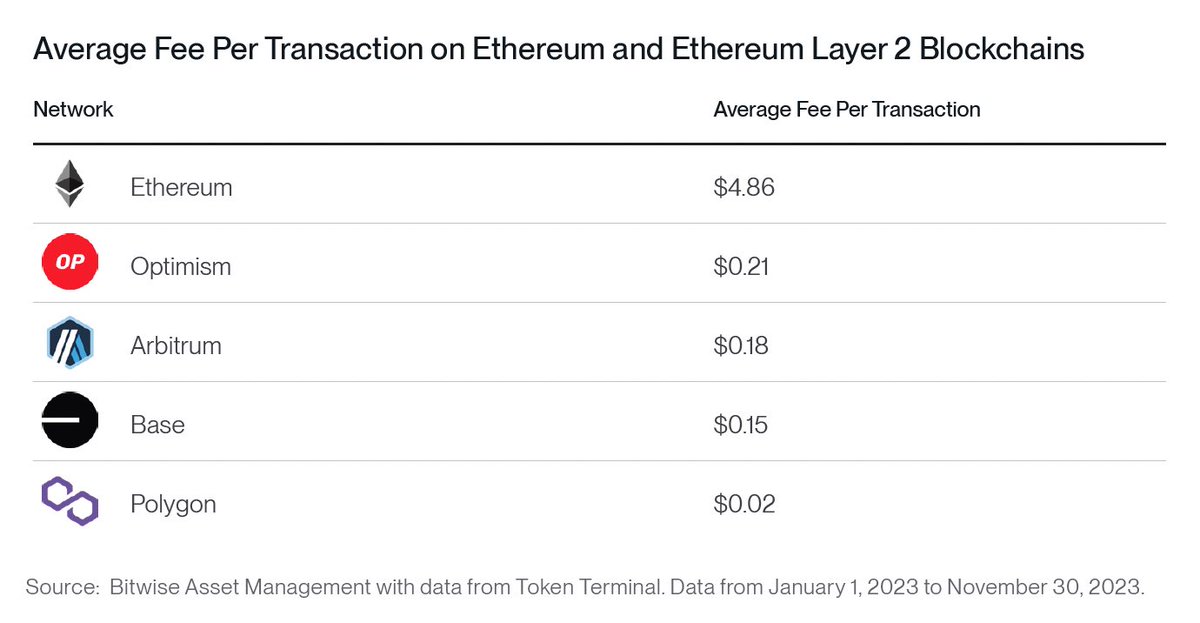
- The introduction of layer-2 scaling solutions, such as Lightning Network, can increase transaction speed and reduce costs. This can boost the usability and adoption of cryptocurrencies, potentially increasing demand for Coinbase’s platform.
- The rise of decentralized finance (DeFi) protocols has created new opportunities for financial services, but also introduces new risks. This development could potentially shift the market’s focus away from centralized exchanges like Coinbase, forcing them to adapt.
- The evolution of NFTs (non-fungible tokens) has created a new market segment with unique applications. This could create new avenues for Coinbase to diversify its offerings and revenue streams.
Market Sentiment and Investor Behavior
Investor sentiment plays a critical role in shaping the cryptocurrency market. Fluctuations in investor confidence, driven by news events, social media trends, and broader economic conditions, can significantly impact the prices of cryptocurrencies and the performance of exchanges like Coinbase.
- The impact of negative news stories, such as those surrounding alleged fraud or scams, can lead to sharp declines in investor confidence, negatively impacting the value of cryptocurrencies and potentially decreasing trading volume on Coinbase’s platform.
- Conversely, positive market sentiment, driven by developments in the adoption of crypto by mainstream institutions or technological breakthroughs, can boost investor confidence, driving up prices and increasing trading volume on platforms like Coinbase.
- Market sentiment can also be influenced by regulatory developments, technological advancements, and overall economic conditions, all of which can create significant fluctuations in the crypto market and have a direct impact on Coinbase’s trading activity.
Market Trend Analysis Table
| Market Trend | Context/Influencing Factors | Impact on Coinbase | Illustrative Example |
|---|---|---|---|
| Regulatory Scrutiny | Evolving regulatory frameworks, enforcement actions | Uncertainty, potential for restrictions, need for compliance | SEC enforcement actions against crypto companies |
| Technological Advancements | Blockchain innovations, DeFi, NFTs | Opportunities for new products, potential competitive pressures | Development of layer-2 scaling solutions |
| Market Sentiment | Investor confidence, news events, social media trends | Volatility in trading volume and prices | Negative news surrounding alleged fraud |
Outcome Summary
In conclusion, the reported link between Coinbase’s “420B” figure and the 21st largest US bank’s arm highlights a significant intersection between cryptocurrency and traditional finance. This analysis reveals potential implications for both industries, demanding careful consideration of market trends and regulatory concerns. The potential for collaboration, competition, or conflict is substantial, and the future trajectory remains uncertain, prompting further investigation and observation.